
Why Blade Shape Determines Performance
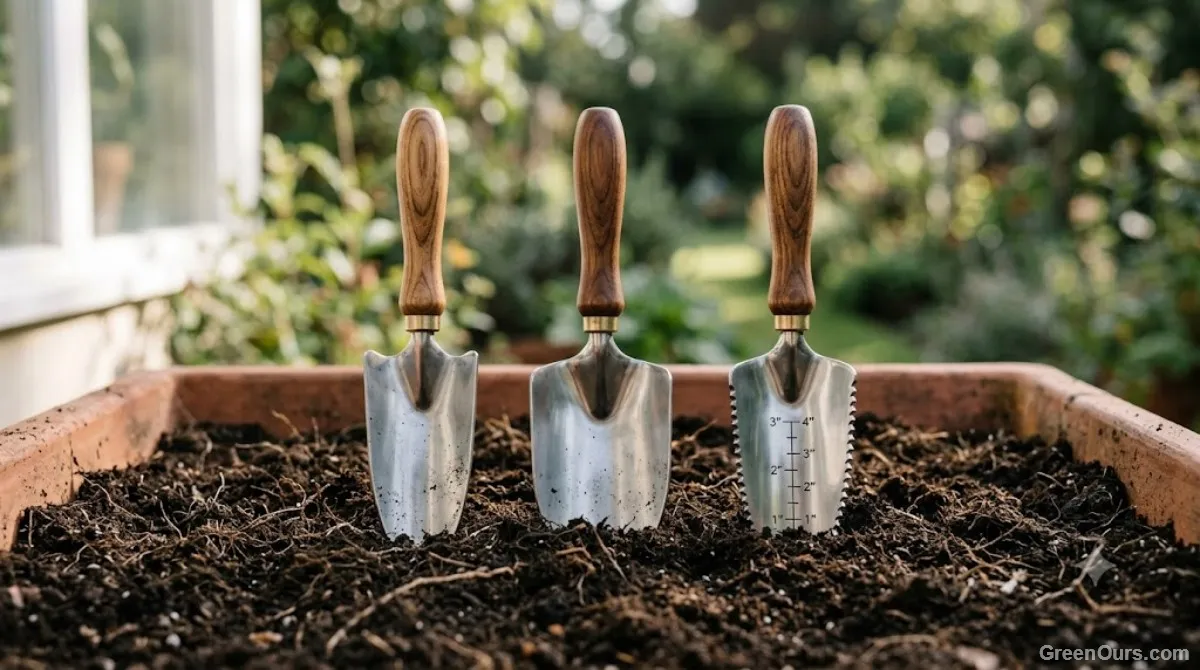
Three blade shapes cover almost every gardening task: narrow pointed, wide scoop, and serrated transplanting blades. Each one distributes force differently, and that difference matters more in difficult soil than in loose potting mix.
A narrow pointed blade concentrates pressure into a small tip. It's built for digging into compacted or rocky ground, working around existing roots, and creating precise planting holes. The tradeoff is volume — you'll make more passes to move the same amount of soil compared to a wider blade.
A wide scoop blade moves more material per pass. It excels at transplanting seedlings, mixing amendments into a bed, and filling containers. Push it into dense clay, though, and the wide surface area meets too much resistance at once, which is what bends cheaper blades.
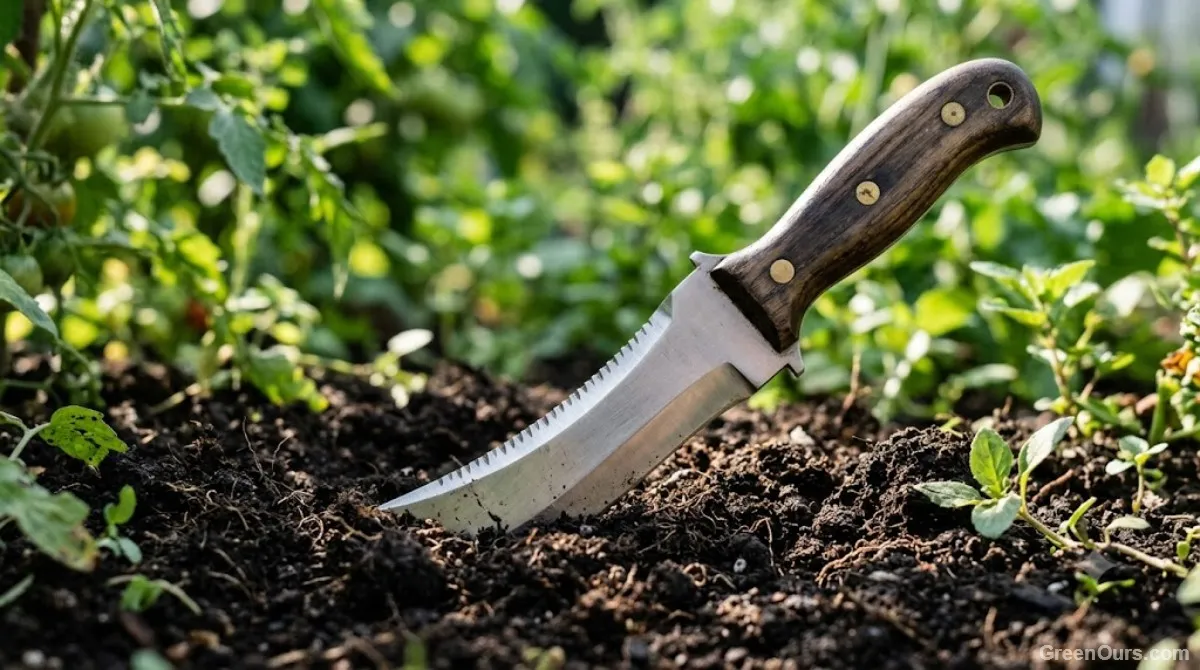
Serrated-edge trowels add a sawing function to the leading edge. They're built for cutting through root balls, dividing perennials, and slicing through fibrous or compacted turf — tasks a smooth edge handles poorly.
Material Trade-offs: Steel vs Aluminum vs Stainless
Blade material determines how much abuse a trowel tolerates before it deforms. Three materials dominate the market, and they are not interchangeable.
Carbon steel, typically in the 1.2mm to 2mm gauge range, offers the best strength-to-weight ratio for repeated digging in dense soil. It holds an edge well but requires drying after use to prevent rust — moisture left on carbon steel for more than a few hours starts oxidation.
Stainless steel resists corrosion and needs no drying ritual, making it the better choice for humid climates or gardeners who store tools imperfectly. It's typically 10-15% more expensive than carbon steel at comparable gauge and slightly less rigid under heavy torque.
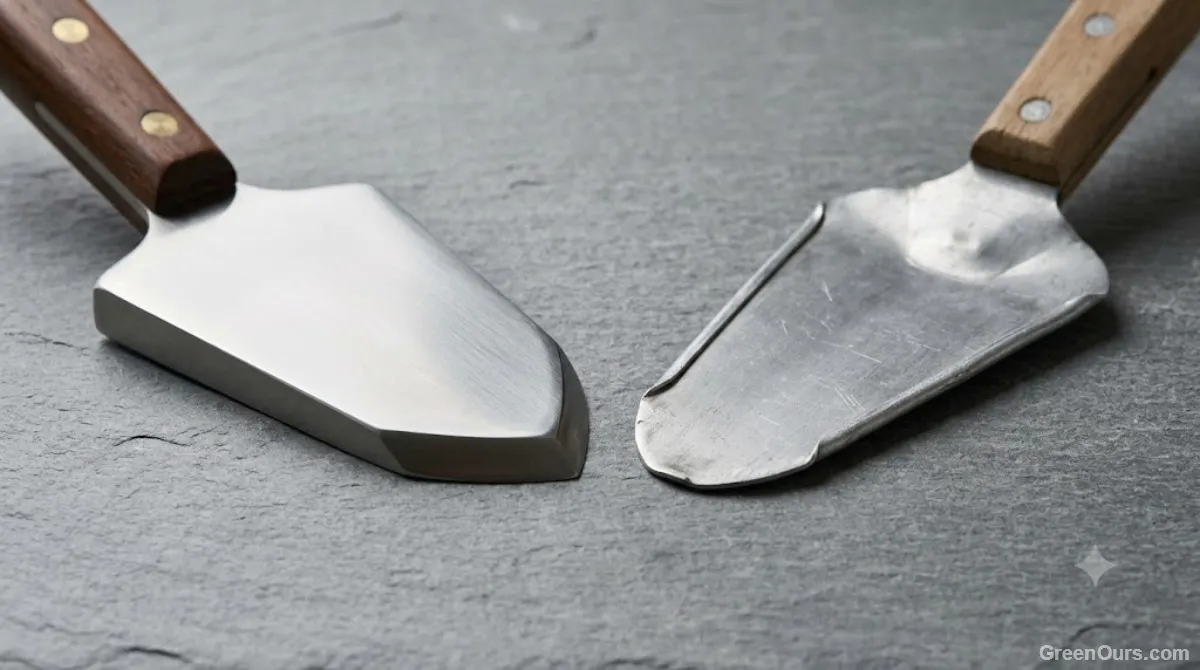
Stamped aluminum and thin-gauge stainless (under 1mm) are common in budget trowels. They're lightweight and fine for potting soil and raised beds with amended, loose mix. Push one into clay or compacted ground and the blade will flex, then bend permanently within a season.
Flex the blade with your thumb before buying. A quality trowel resists noticeable bending under firm hand pressure. If it flexes easily in the store, it will bend in clay soil within weeks.
Handle Design and Grip Under Load
Handle construction fails more trowels than blade material does. The junction between blade and handle — the tang — takes the most stress during prying motions, and it's where budget tools cut corners.
Full-tang construction, where a single piece of metal runs from blade tip through the entire handle, distributes stress evenly and rarely fails at the joint. Partial-tang designs, where the blade is riveted or welded to a separate handle material, concentrate stress at that connection point. This is the single most common failure location in trowels under two years old.
Grip material matters less than shape. A contoured, slightly thickened grip reduces hand fatigue during extended transplanting sessions and improves control when cutting through root balls, where you need rotational force rather than straight-line pressure.
Matching the Trowel to Your Soil Type
Choosing the best hand trowel for gardening starts with your soil composition more than the task itself. Here's how the three main soil categories change what you need.
Sandy Soil
Sandy soil offers low resistance, so blade rigidity matters less here than in any other soil type. A wide scoop blade in lightweight aluminum or thin stainless works well and reduces arm fatigue over long planting sessions. Drainage holes in the blade, found on some designs, help sandy soil fall away cleanly instead of sticking in clumps.
Loamy Soil
Loam is the forgiving middle ground. Most standard carbon steel or stainless trowels with a moderate blade width (5-6cm) perform well here without special features. This is the soil type where personal preference in shape matters most, since no single design has a clear advantage.
Clay Soil
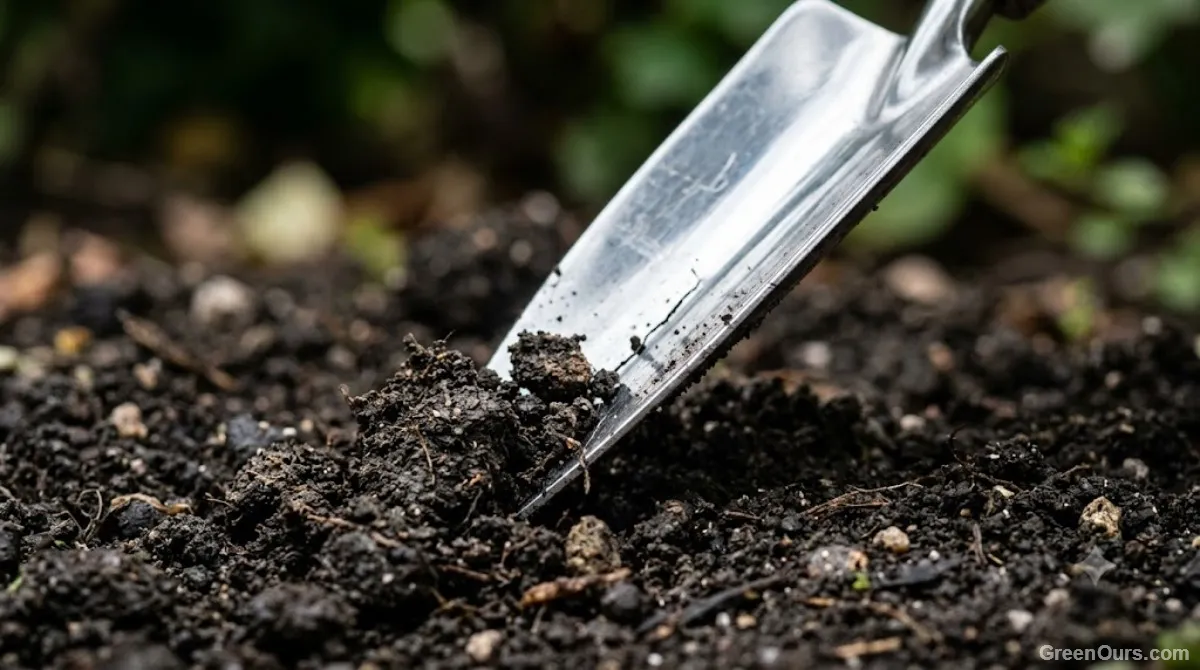
Clay demands the narrowest, most rigid blade you can find. A full-tang carbon steel or stainless trowel with a pointed or slightly tapered profile cuts through compacted clay far more efficiently than a wide scoop, which meets too much resistance across its full surface. Avoid aluminum entirely in clay-heavy beds — it will bend within a handful of uses.
Buying Criteria That Actually Predict Durability
Price alone doesn't predict how long a trowel lasts. These four factors do:
- Tang construction — full tang outlasts riveted or welded joints by a wide margin, especially under prying stress
- Blade gauge — anything under 1mm thickness bends under real garden conditions, regardless of material
- Rivet or weld quality — inspect the blade-to-handle junction for visible gaps or uneven welds before buying
- Warranty length — manufacturers confident in construction typically back it with a lifetime or multi-year warranty; a 90-day warranty on a trowel is a signal, not a coincidence
Common Mistakes That Shorten a Trowel's Life
Most trowel failures come down to four preventable habits.
- Using the blade as a pry bar to lever out rocks or root-bound plants puts lateral stress the tool wasn't designed for. This is the leading cause of bent blades and snapped tangs, even in well-built tools.
- Storing a wet blade, particularly carbon steel, invites rust within hours in humid conditions. A thirty-second wipe-down after use adds years to a blade's working life.
- Forcing a narrow blade to do a wide blade's job — or the reverse — accelerates wear on both the edge and the tang. Match the tool to the task rather than defaulting to whichever trowel is closest at hand.
- Leaving tools outdoors between uses exposes handles to UV degradation and metal to temperature swings that accelerate corrosion, even on stainless steel.
The right trowel doesn't announce itself with a low price or an attractive handle. It shows up in how little effort a planting session takes and how many seasons pass before you need a replacement. Match the blade to your soil, check the tang before you buy, and dry it before you put it away.
Explore our full garden tool buying guides