
Spray Consistency and Coverage
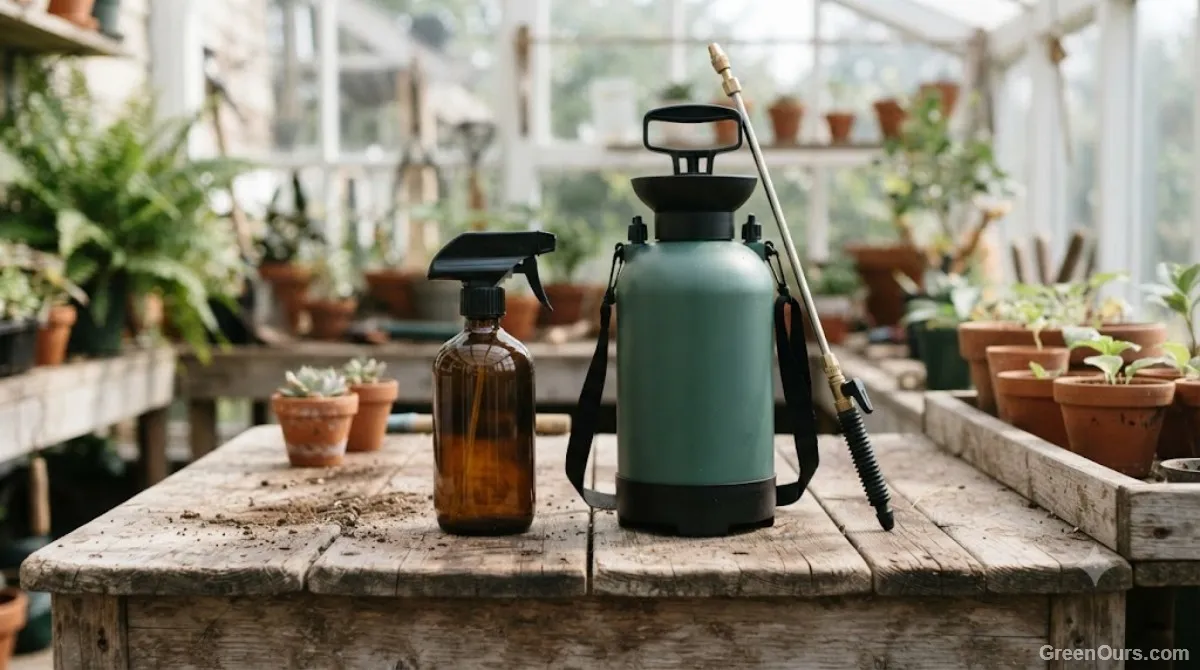
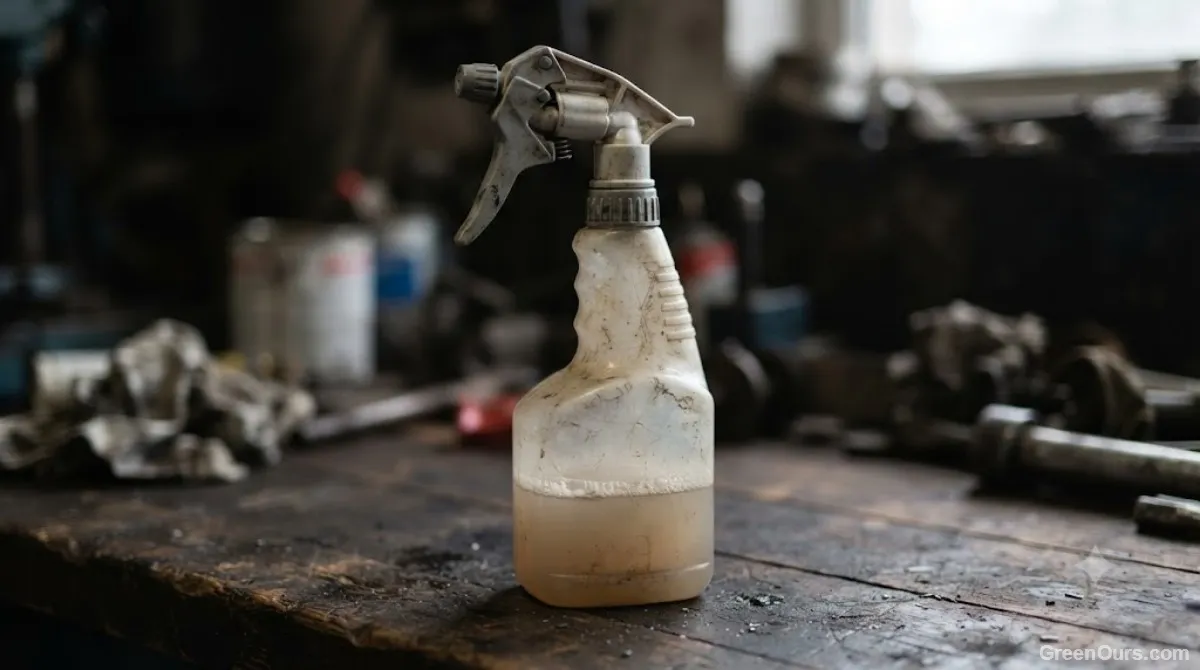
A trigger spray bottle produces a burst, not a mist. Each squeeze releases droplets at inconsistent size and pressure, controlled entirely by how hard you pull the trigger. That inconsistency matters less for a quick surface wipe. It matters a lot when you're trying to coat the underside of leaves evenly with a pest treatment.
A pump sprayer stores pressurized air above the liquid reservoir. Once pumped, it releases a steady, adjustable mist at a constant pressure until the tank starts to lose pressure, at which point a few extra pumps restore full output. That consistency is the entire value proposition — you're not fighting trigger fatigue to keep droplet size uniform from the first plant to the last.
Nozzle design matters here too. Most pump sprayers offer a dial between a wide cone mist and a tighter stream, which lets you switch from broad foliar coverage to a targeted jet for stubborn pests hiding in leaf axils without changing tools. A basic trigger bottle gives you one spray pattern, fixed at the factory, with no adjustment beyond how hard you squeeze.
For contact-based pest treatments like insecticidal soap or neem oil, coverage consistency directly affects results. Uneven bottle bursts leave patches of leaf surface dry, and those dry patches are exactly where surviving pests regroup.
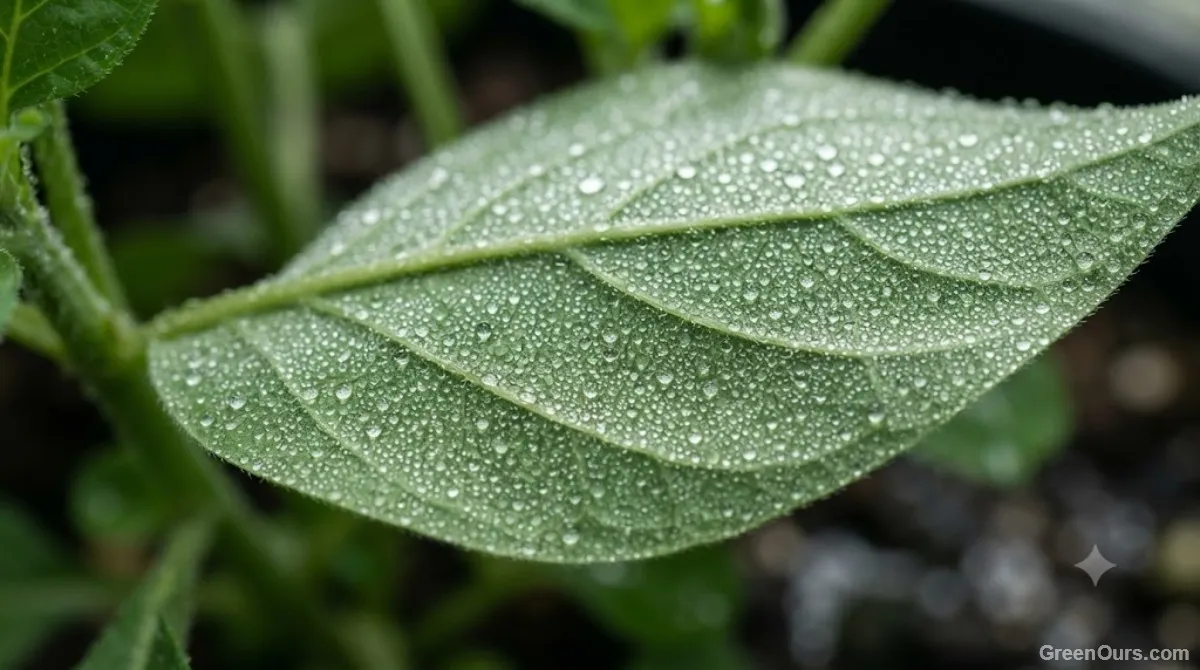
If you're treating an active infestation, spray until leaves are fully wet on both sides — not just visibly damp. Dripping slightly off the leaf tip is the correct endpoint, not a sign of overspray.
Matching the Tool to the Task
Pest Control
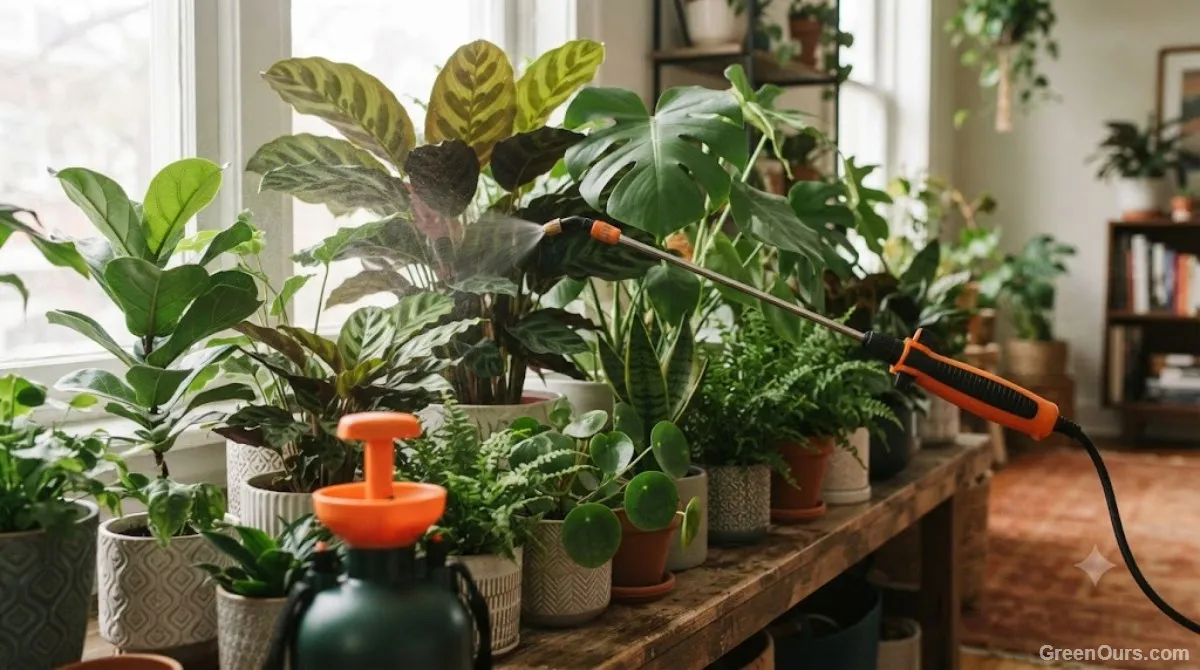
Pump sprayer wins here for any collection above 8 to 10 plants. Contact pesticides need full coverage, and a pump sprayer's wand extension reaches upper leaf surfaces and interior canopy that a bottle forces you to tilt awkwardly for. Treating a full row of plants with a spray bottle means dozens of repeated trigger pulls and constant repositioning. A pump sprayer covers the same row in one continuous pass, without stopping to re-grip or re-aim between plants.
Foliar Feeding
Foliar fertilizer needs even distribution at a specific dilution — usually a quarter to half strength of standard root feeding. A pump sprayer's adjustable nozzle lets you dial in a finer mist that won't pool and run off, which wastes product and risks leaf burn from concentrated droplets sitting on the surface.
Mix foliar solutions fresh in the sprayer's own reservoir rather than diluting in a separate container first — it saves a step and keeps you from guessing at pour-over ratios. Rinse the tank with plain water immediately after use; dried fertilizer residue clogs the nozzle faster than almost anything else you'll run through it.
Leaf Cleaning
This is the one task where a spray bottle holds its own. Cleaning dust off a handful of plants doesn't require volume or pressure — it requires control. A bottle's shorter spray radius keeps water off surrounding surfaces, and you're not spraying enough plants at once for fatigue to matter.
A fine mist setting also works better than a heavier stream for leaf cleaning — it loosens dust without knocking soil out of the pot or bruising soft new growth, something a pump sprayer's wider coverage isn't built to control as precisely.
Pressure, Fatigue, and Trigger Feel
Repetitive trigger pulls are the real cost of a spray bottle at scale. Each pull demands real grip force, and that adds up fast once you're treating a mid-sized collection — the cumulative strain shows up in your wrist and forearm well before the job is done.
A pump sprayer shifts that effort upfront. You pump the handle 15 to 20 times before spraying, then get continuous output with a single depressed lever — no repeated gripping. For anyone managing joint sensitivity, or simply spraying a large collection weekly, this is the deciding factor more often than spray quality itself.
If your hands are already sensitive, look for a pump sprayer with a padded pump handle and a locking trigger on the wand — locking the trigger open means you hold a static position instead of squeezing repeatedly, which is a meaningfully different kind of strain.
Which Tool Fits Your Collection Size
Under 10 plants, a quality trigger bottle is the right call. It's cheaper, easier to store, and fast for spot treatments. Between 10 and 25 plants, most collectors benefit from owning both — a bottle for quick spot checks and a small 1-liter pump sprayer for full treatment days. Above 25 plants, a pump sprayer stops being optional. The time and fatigue savings compound with every additional plant in the routine. Whichever side of that line you fall on, the pump sprayer vs spray bottle question resolves itself once you're honest about how many plants you're actually treating each week, not how many you started with.
Common Mistakes With Each Tool
Spray bottle users often use the same bottle for water, pesticide, and fertilizer without fully rinsing between uses. Residue cross-contamination can damage leaves or reduce treatment effectiveness. Rinse with clean water and pump the trigger 5 to 6 times before switching contents.
Pump sprayer users tend to over-pressurize. Pumping past the point of resistance strains the seal and shortens the sprayer's lifespan. Stop pumping once you feel firm resistance — that's full pressure, not a signal to keep going.
Both tools last longer with basic end-of-season care. Empty the tank or bottle completely before long-term storage — leftover liquid, especially fertilizer, degrades seals and gaskets over time. Store pump sprayers with the pressure released and the lid loosely seated, not fully tightened, so the gasket doesn't compress permanently out of shape.
Match the tool to your collection size, not the other way around.
Neither tool replaces the other. The bottle handles precision and speed for small jobs. The pump sprayer handles volume and consistency for everything beyond that. Buy based on the size of your collection today, not the collection you started with.