
The Quiet Pause Nobody Warns You About
Garden centers rarely mention this, but almost every plant you buy has spent its whole life in conditions engineered for maximum growth — steady humidity, calibrated light, consistent feeding, and often a greenhouse full of other plants creating a warm, gentle microclimate. Your home offers none of that automatically. It offers something better long-term (a real, permanent spot to grow), but the transition between the two environments is genuinely a shock to the plant's system.
Think of it less like the plant giving up, and more like it hitting pause on expansion so it can redirect energy toward figuring out its new surroundings. Growth is expensive, biologically speaking. A plant that's busy adjusting its roots, leaves, and internal chemistry to new light and air simply doesn't have resources left over to push out fresh growth at the same time.
What's Actually Happening Inside Your Plant Right Now
A New Light Diet
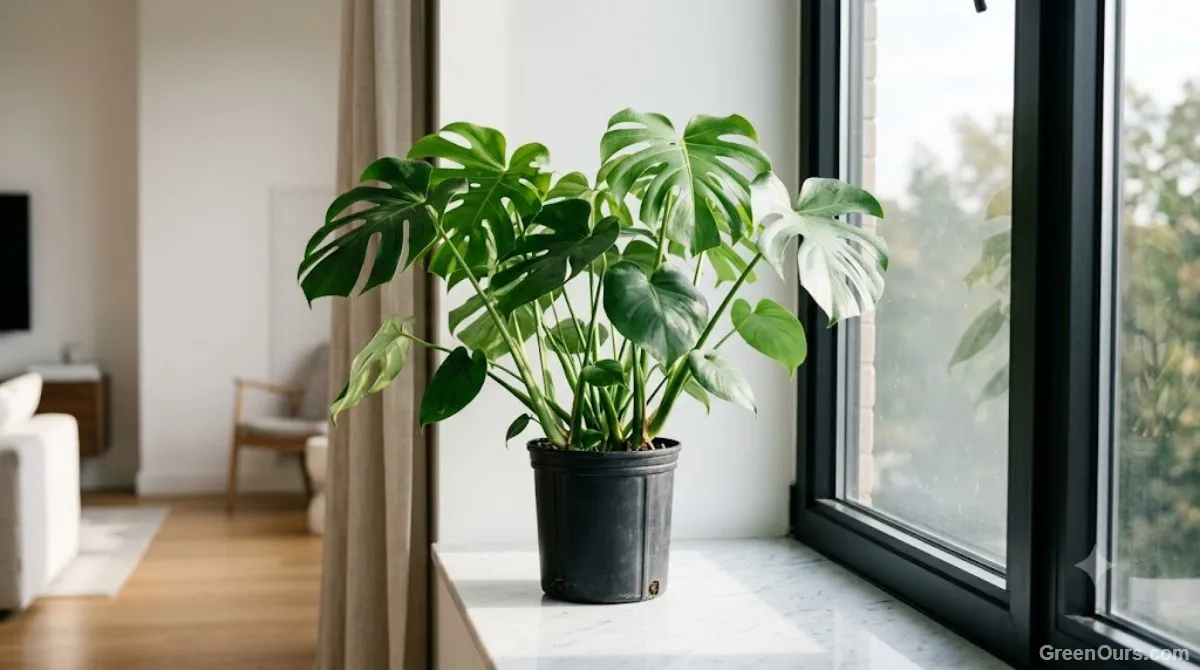
Even if your home is bright, it almost certainly isn't bright in the same way a nursery was. Greenhouse light is diffused, even, and often supplemented from multiple angles. A windowsill gives light from one direction only, and the intensity drops off fast the farther you move from the glass. Your plant's leaves were built for one lighting environment and now have to physically recalibrate — adjusting their internal chlorophyll levels and even their orientation — to work efficiently in a different one.
A New Water Rhythm
The watering schedule at the nursery is gone the moment you bring your plant home, and your plant doesn't know your new rhythm yet. Roots that were used to consistent moisture (or a very particular drying-out pattern) are now experiencing your pot, your soil, and your habits. Until the root system settles into that new normal, the plant tends to play it safe rather than push out growth it might not be able to support.
If you only remember one thing from this article, let it be this: a plant that isn't growing but also isn't declining is doing exactly what it should be doing. No new leaves is not the same as no life.
How Long This Adjustment Really Takes
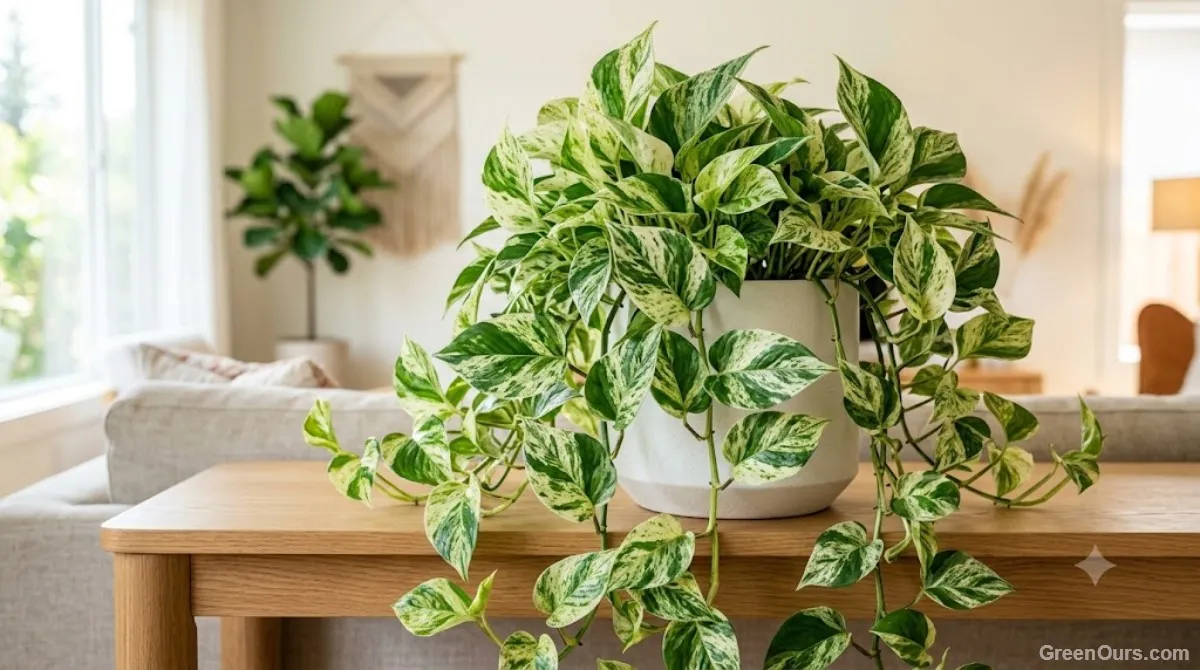
For most common houseplants, this settling-in period lasts somewhere between two and six weeks. Smaller, fast-growing plants like pothos or tradescantia often bounce back on the shorter end. Larger or slower growers — a fiddle leaf fig, a rubber plant, many palms — can take closer to two months before you see a new leaf unfurl.
Season matters too. A plant brought home in the middle of an active growing season will typically resume growth faster than one that arrives right as light levels are dropping. If you brought your plant home in a slower-light month, don't be surprised if the wait feels a little longer. That's the plant reading its environment correctly, not misbehaving.
Signs You're Watching Healthy Recovery
Not every quiet plant is a worried one. You're likely looking at a completely normal adjustment if your plant shows:
Stable, Unchanged Leaves
Existing foliage stays the same color, the same firmness, and doesn't drop. A plant that's simply pausing growth still holds onto what it already has.
Soil That Dries at a Predictable Rate
Even without new growth, roots are still active underground. If the soil is drying out on a fairly consistent timeline, water is moving through the plant the way it should.
A Small New Leaf, Even a Tiny One
The very first sign the pause is ending is often modest — a small, tightly rolled new leaf at the center of the plant. It doesn't need to be dramatic to count as real progress.
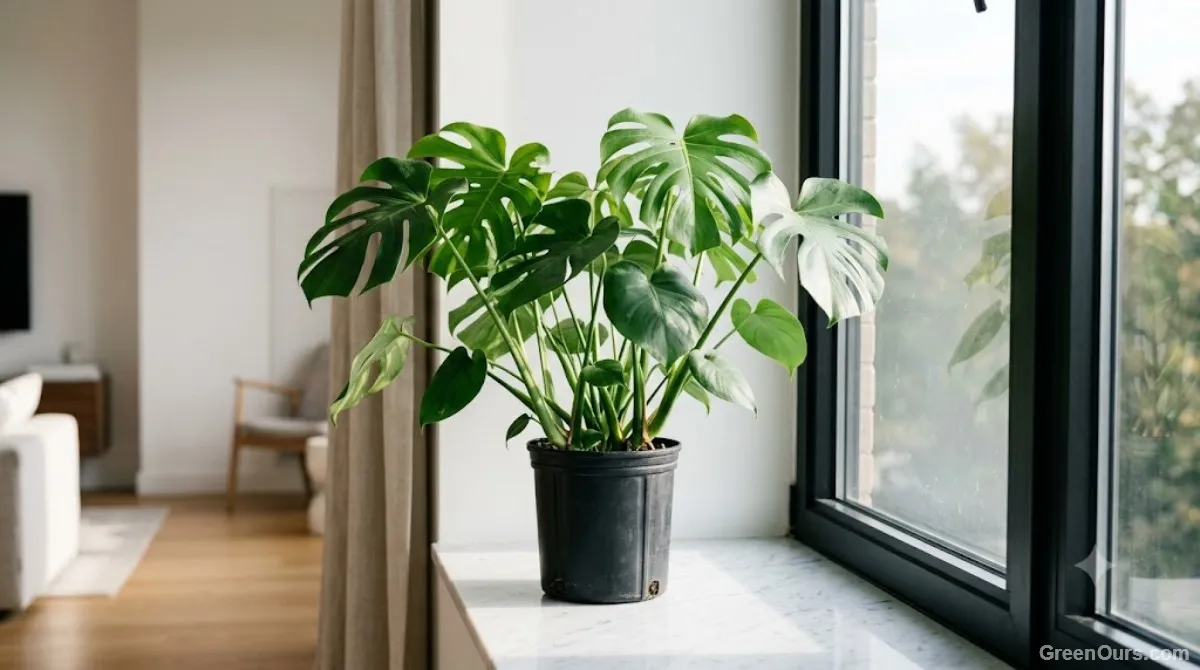
Signs Something Else Is Going On
Adjustment and decline can look similar at a glance, so it helps to know where the line actually sits. Be more concerned if you notice:
Leaves Dropping in Multiples
Losing one older, lower leaf occasionally is normal. Losing several leaves at once, especially newer ones, points to a bigger stress than simple acclimation.
Soil Staying Wet for Far Longer Than Expected
If the top inch of soil is still damp a week or more after watering, the roots likely aren't taking up water the way they should, which points toward overwatering rather than a normal settling-in period.
Soft, Mushy, or Blackened Stems
This isn't part of any healthy adjustment. It signals rot and needs attention — usually a look at the roots and a change to your watering habits.
Helping It Settle In Without Overdoing It
The most useful thing you can do during this stretch is keep your care stable and simple, which can feel counterintuitive when you want to intervene. Avoid making several environmental changes at once, as frequent relocations force the plant to continuously readapt its photosynthetic balance. Select a spot with appropriate light and allow the plant to settle in.
Water based on how the soil actually feels rather than a fixed calendar date. Regarding nutrition, hold off on heavy fertilizing until you see confirmed signs of active growth or unless you know the soil is severely depleted. Feeding a plant while its root uptake is paused can lead to fertilizer burn or unnecessary stress.
Explore more beginner plant guides