
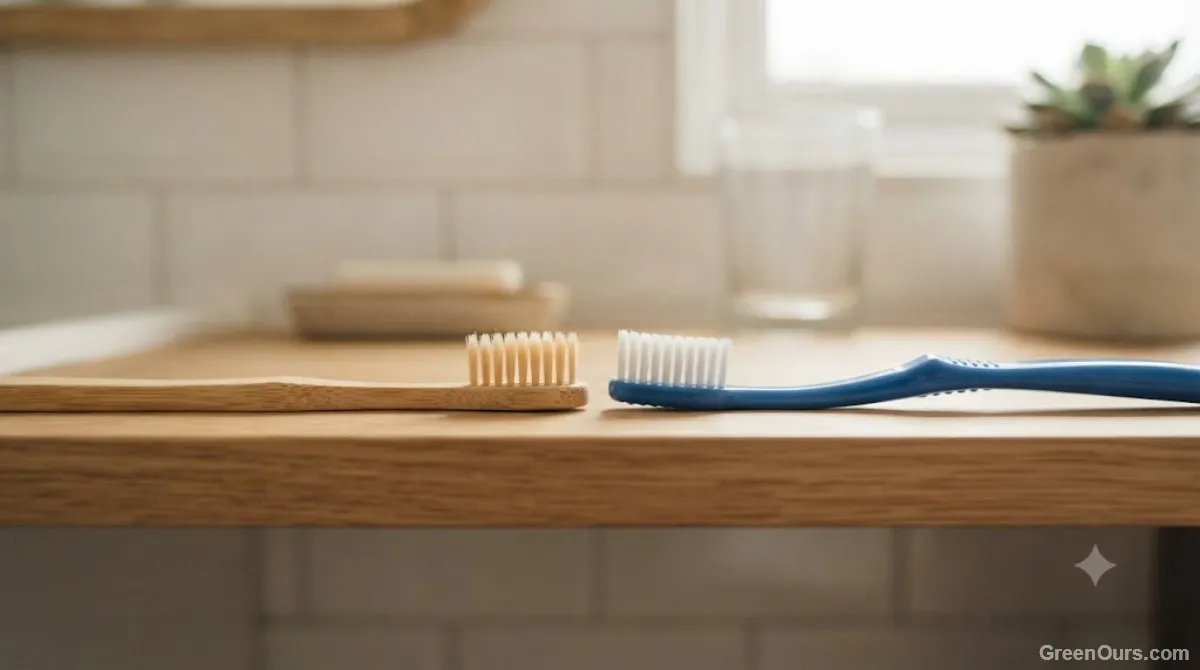
Let's start with the obvious appeal, because it's real. A bamboo handle replaces a chunk of petroleum-based plastic that would otherwise sit in a landfill for centuries. Bamboo itself grows fast, needs minimal water, and doesn't require the same pesticide load as a lot of other crops. On the handle alone, bamboo genuinely is the better material. That part isn't up for debate.
What's Actually Inside a Bamboo Toothbrush
Where things get more complicated is everywhere else on the brush. The handle might be bamboo, but the bristles almost always aren't. Most bamboo toothbrushes use standard nylon bristles, because nylon holds its shape and cleans teeth effectively in a way that fully biodegradable alternatives — like some plant-based or boar-hair options — often don't match yet.
That means the "eco" toothbrush in your hand is really a mostly-compostable handle attached to a small strip of plastic. It's a meaningful improvement, not a complete solution, and any brand that markets these as "100% biodegradable" without qualifying the bristles is stretching the truth.
The Bristle Problem Nobody Likes to Talk About
Here's the thing — before you toss a used bamboo toothbrush in your compost bin, you need to pull the bristles out first. Most people don't, either because they don't know or because it's genuinely fiddly with a pair of pliers at ten at night. Skip that step and you've just composted a stick with a plastic tuft still glued to the top, which does nothing for the environment and can even contaminate a compost batch.
Pull one apart and you'll see it's basically identical to what's on any plastic brush — a small, stiff plug of nylon anchored right into the handle. That's the part that has to come out before the rest goes anywhere near your compost pile.
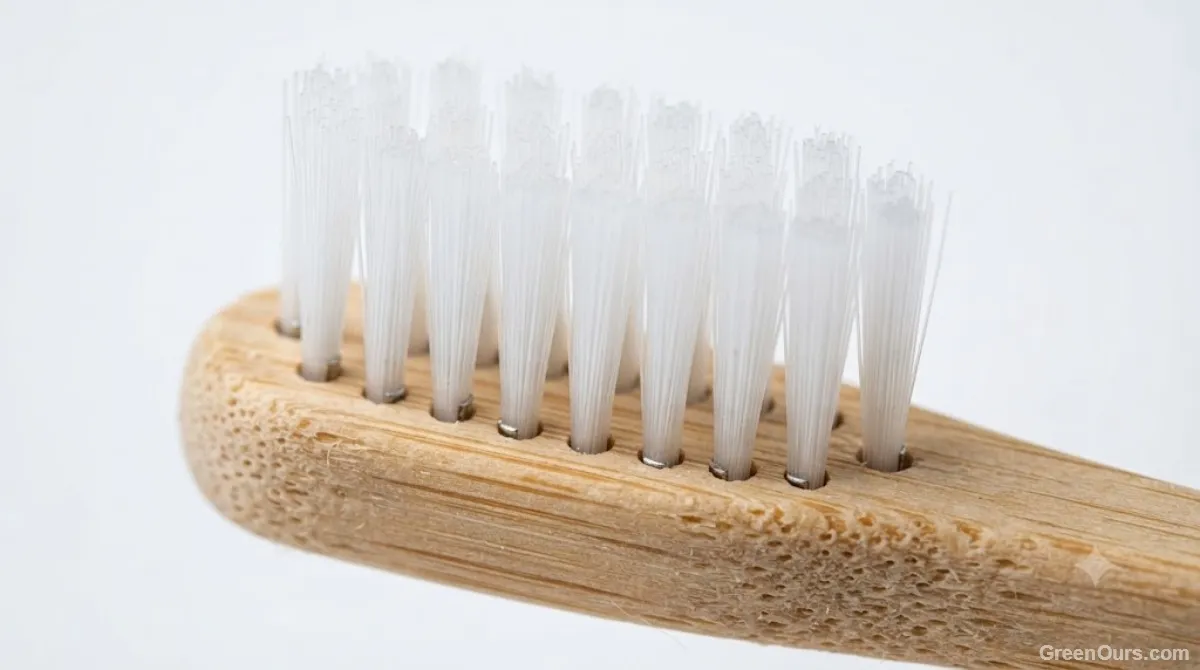
Before composting a bamboo toothbrush, use pliers to pull out the bristles and dispose of them separately — the handle alone is what breaks down.
Composting the Handle: What Actually Happens
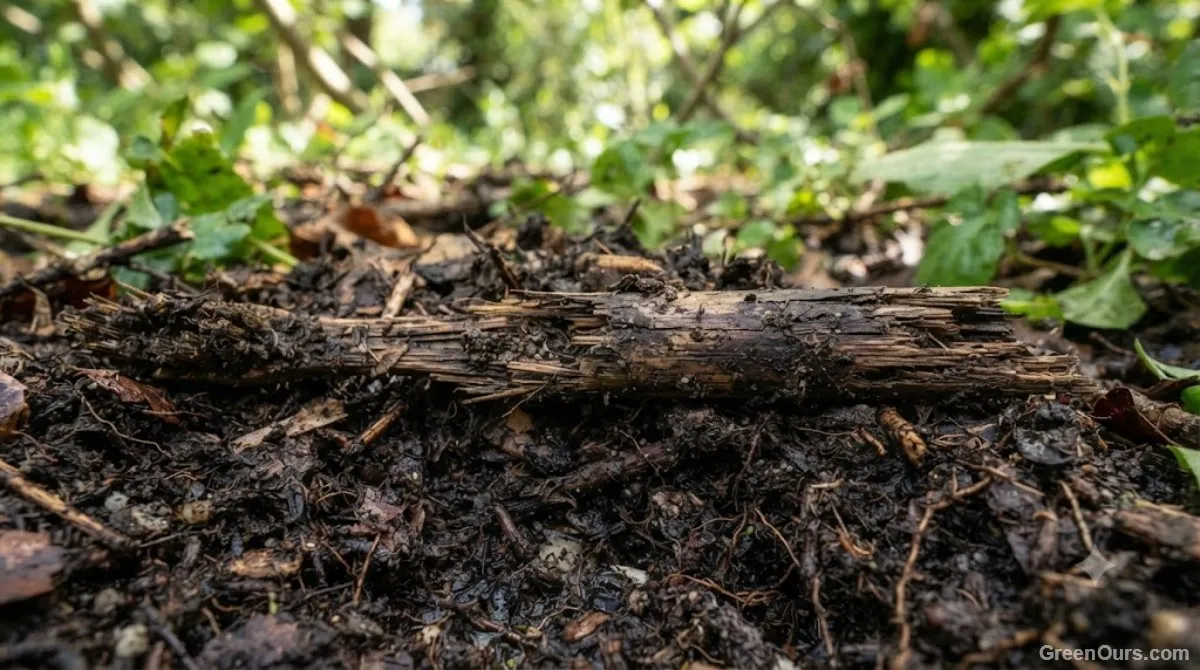
Assuming you do remove the bristles, the bamboo handle itself breaks down reasonably well in a home compost setup, though it takes longer than a lot of packaging implies. Depending on your compost conditions — moisture, heat, how often it's turned — a bamboo handle can take anywhere from six months to over a year to fully break down. That's not a flaw, exactly, but it's a far cry from the vague "compostable in weeks" language some brands lean on.
Chopping the handle into smaller pieces before adding it to your bin can speed that timeline up somewhat, though it's still measured in months, not weeks — patience is part of the deal here, not a sign you're doing it wrong.
If you don't compost at home, most municipal green bins won't accept bamboo toothbrushes either, which means a lot of well-intentioned switches still end up in the regular trash. In that scenario, the environmental benefit shrinks considerably, since bamboo in a landfill doesn't break down meaningfully faster than plastic does without oxygen and the right microbes.
How Long They Really Last (And Why That Matters)
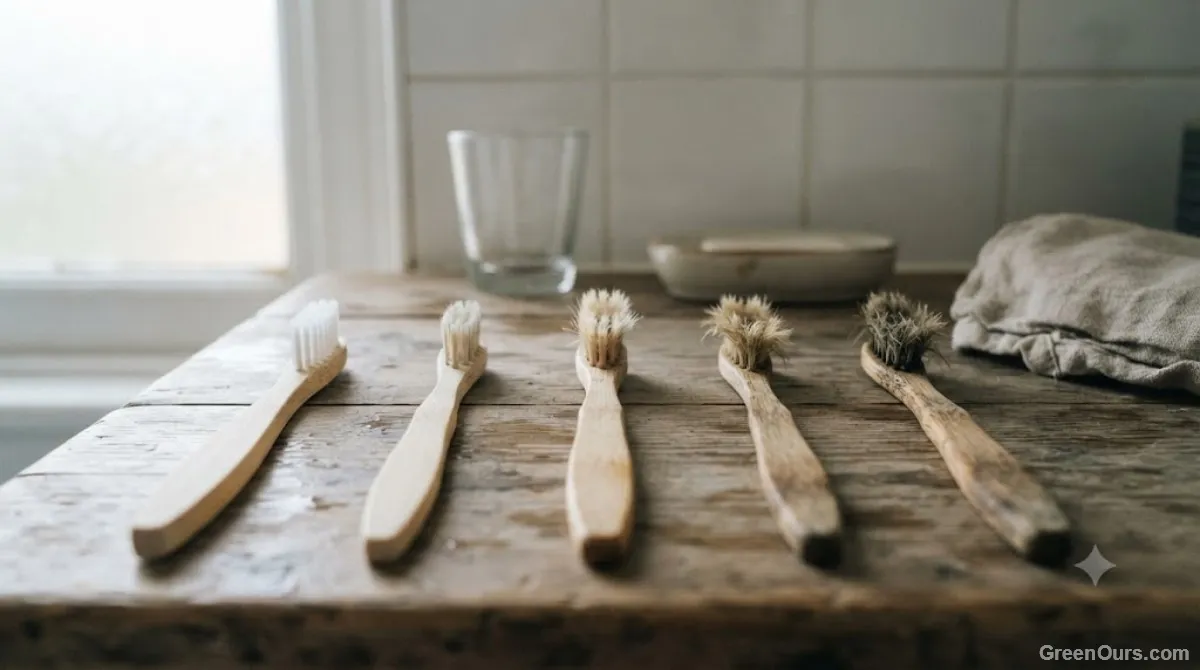
Dentists recommend replacing any toothbrush every three to four months regardless of material, and bamboo brushes don't really change that math. Some people find the bristles on bamboo brushes wear out slightly faster than on premium plastic brushes, which means you might be buying — and eventually disposing of — brushes a little more often, not less.
Watch for splayed or discolored bristles as your cue to swap it out — waiting past that point just means brushing with a tool that's doing less for your teeth, bamboo handle or not.
That replacement frequency is worth factoring in when you're weighing cost against impact. A bamboo toothbrush usually costs two to four times more than a basic plastic one, so if you're replacing it just as often, the price difference adds up fast for not a dramatically different environmental outcome, especially if the handle ends up in a landfill anyway.
Where the Environmental Math Gets Complicated
Shipping is the part almost no buying guide mentions. A lot of bamboo toothbrushes are manufactured overseas and shipped long distances before they reach a store shelf or your doorstep. That transportation footprint can offset some of the material benefit, particularly if you're buying single brushes shipped individually rather than in bulk.
There's also the packaging problem. Plenty of bamboo toothbrushes still arrive wrapped in a thin layer of plastic film to protect the bristles in transit, or boxed in cardboard printed with inks and coatings that aren't exactly compostable either. It's a small detail, but it chips away at the "zero plastic" story some brands lean on to sell an otherwise decent product. Look for plain, minimally printed packaging before you assume the whole package is as clean as the toothbrush inside it.
None of this means bamboo toothbrushes are a bad choice. It means the honest answer to "are they worth it" depends on how you use and dispose of them, not just what material the handle is made from. A bamboo brush that gets composted properly after a genuine four-month lifespan is a real improvement. One that gets tossed in the trash after two months because the bristles frayed early isn't accomplishing much beyond looking good in your bathroom.
So, Are They Worth Buying?
Honestly? Are bamboo toothbrushes worth it? Yes, with conditions. Buy from a brand that's upfront about its bristle material instead of vague marketing claims, buy in bulk to cut down on shipping impact, and actually pull the bristles before composting. If none of that fits your routine, a bamboo toothbrush becomes a slightly more expensive plastic toothbrush with better branding, and that's worth knowing before you buy a twelve-pack out of guilt.
More honest looks at eco-friendly swaps.
The bigger lesson here isn't really about toothbrushes. It's that no single swap is automatically "sustainable" just because it feels that way at checkout — the follow-through matters just as much as the purchase. My drawer full of half-used brushes is proof of that, and I'm working on it.