
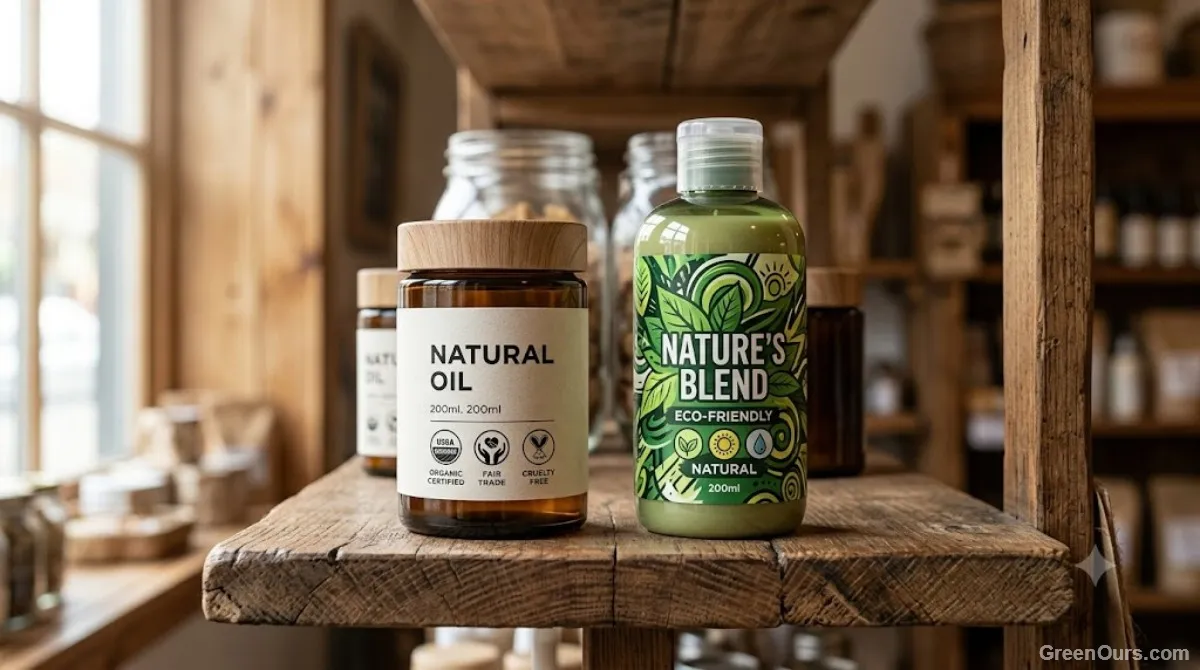
The Greenwashing Trap Hiding Behind Pretty Packaging
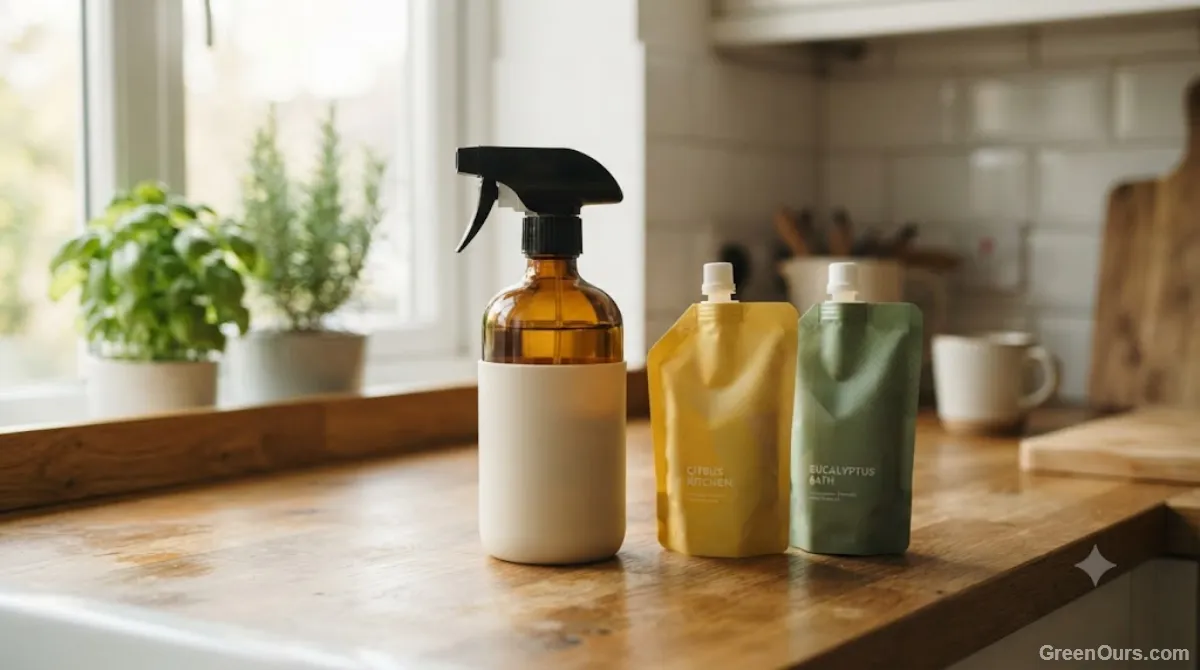
Greenwashing works because it borrows the visual language of things that are actually good for the planet without doing the harder work behind them. Earthy color palettes, kraft paper textures, a sprig of illustrated rosemary, the word "pure" in a gentle font. None of that costs a company anything to print, and none of it is regulated the way an actual environmental claim would be.
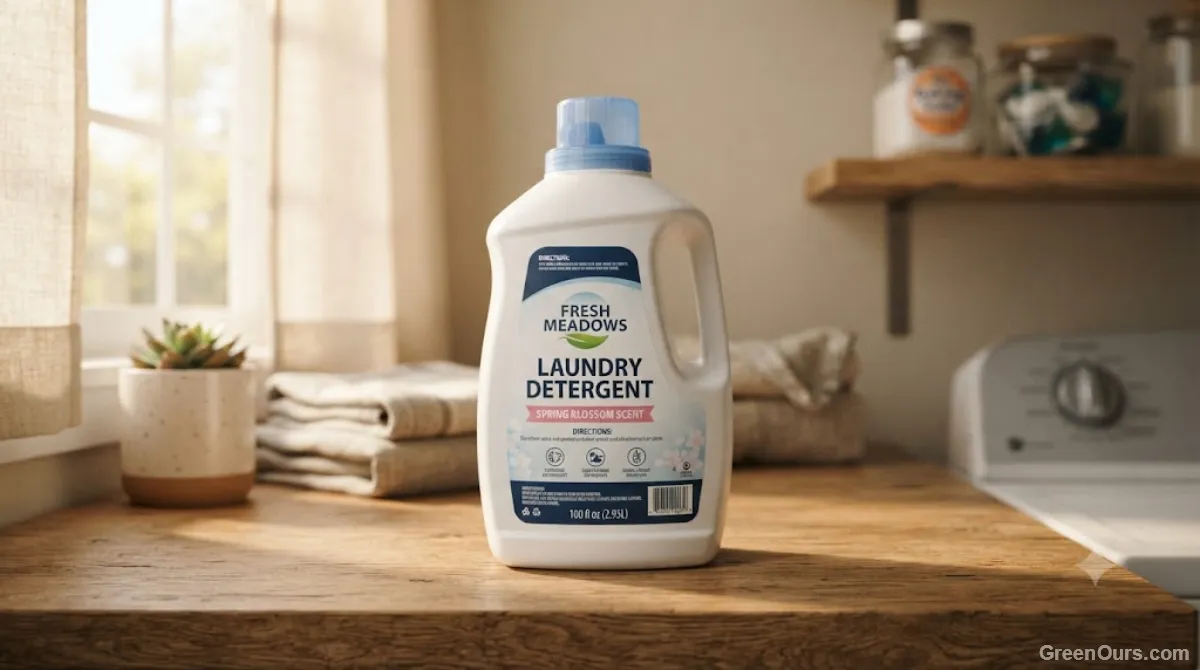
Here's the thing: a package can be entirely plastic, shipped from three continents away, and still look more "eco" on the shelf than a boring, unglamorous product in a plain recycled box that's genuinely better for the planet. Packaging design and environmental impact are two completely separate conversations, and companies count on us blending them together in about two seconds of shelf-browsing.
If a product needs a leaf, a globe, or the color green to convince you it's sustainable, that's a design choice — not evidence. Real claims are backed by specifics you can verify, not vibes.
The Buzzwords That Mean Almost Nothing
Some words on packaging carry legal weight. Most of the ones that show up on cleaning supplies and beauty products do not. Here are the three that trip people up most.
"Natural"
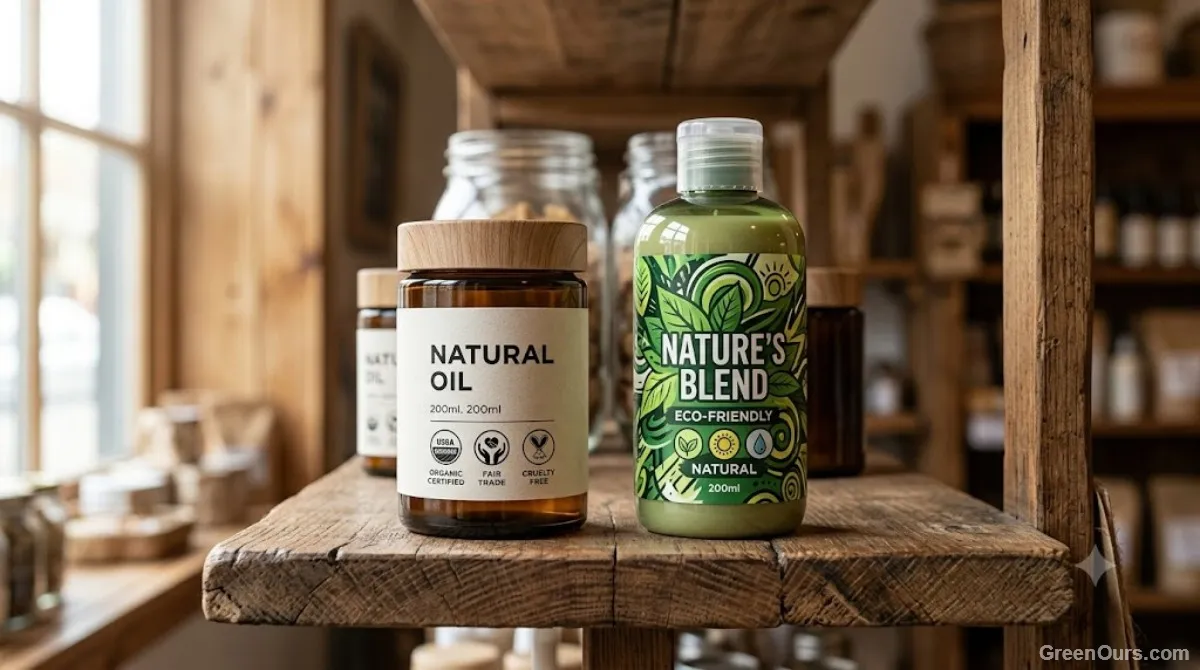
This word has no standardized legal definition in most places, which means a company can slap it on a product that contains a single plant-derived ingredient alongside a long list of synthetic ones. Arsenic is technically natural too. "Natural" tells you almost nothing about safety or environmental impact on its own.
"Eco-Friendly" and "Green"
These are marketing terms, not certifications. Nobody is auditing a company before they print "eco-friendly" on a label. Treat these words as an invitation to look closer, not as a conclusion.
"Non-Toxic"
Also unregulated in most consumer product categories. A product can be labeled non-toxic and still contain ingredients that are irritating in concentrated form or that create waste issues during manufacturing. It's a feel-good phrase, not a safety data sheet.
Certifications Worth Trusting (and a Few to Side-Eye)
Some seals mean a third party actually checked something. Others are essentially self-issued by the brand and designed to look official. Look for certifications tied to an independent organization with public standards, like ones covering fair labor practices, forest stewardship, organic agriculture, or cruelty-free testing. These typically involve an audit process, renewal requirements, and criteria you can look up.
Be more skeptical of badges that only ever appear on that one brand's own products, use vague language like "eco-certified" without naming the certifying body, or that you can't find any information about outside the company's own website. A quick search of the certification's name alongside the word "standards" usually tells you within a minute whether it's the real thing.
Five Questions to Ask Before You Add It to Your Cart
- What exactly is being claimed? "Better for the planet" is not a claim, it's a mood. Look for specifics like "packaging made from 90% post-consumer recycled plastic."
- Is there a number attached? Real environmental claims are usually measurable. Vague ones aren't.
- Who's verifying this? If it's just the company saying so about itself, weigh that claim accordingly.
- What isn't being mentioned? A shampoo bottle proudly labeled "cruelty-free" says nothing about the palm oil sourcing three ingredients down the list. Selective honesty is still a form of spin.
- Would I still buy this without the green language? If the answer is no, the packaging did its job on you, not the product itself.
Reading the Fine Print Without Losing Your Mind
You don't need to become a full-time label detective. A thirty-second habit does most of the work: flip the product over, skim the ingredient or materials list for anything that contradicts the front-of-package promise, and check whether any certification logos are ones you recognize or can quickly verify. If a product passes that quick check, buy it and move on with your day. Perfectionism is its own kind of trap, and it's one that keeps a lot of people from making any better choices at all because they're waiting to find the flawless option.
When "Good Enough" Beats "Perfect"
Here's what I've landed on after a lot of over-thinking in grocery aisles: no product is going to be flawless, and chasing that is a good way to end up paralyzed in the cleaning supplies section for way too long. A refill pouch that's mostly better beats a "perfect" product you talk yourself out of because you can't verify every single claim. The goal isn't purity. It's making informed choices often enough that they add up.
Next time you're standing in front of a shelf full of green packaging, you don't need to interrogate every word. Just ask the product to be specific, and see if it can answer.
Ready to shop smarter without the second-guessing?
More ways to shop with confidence, not guilt