
The Sustainability Aisle Isn't Designed for Mindful Shopping
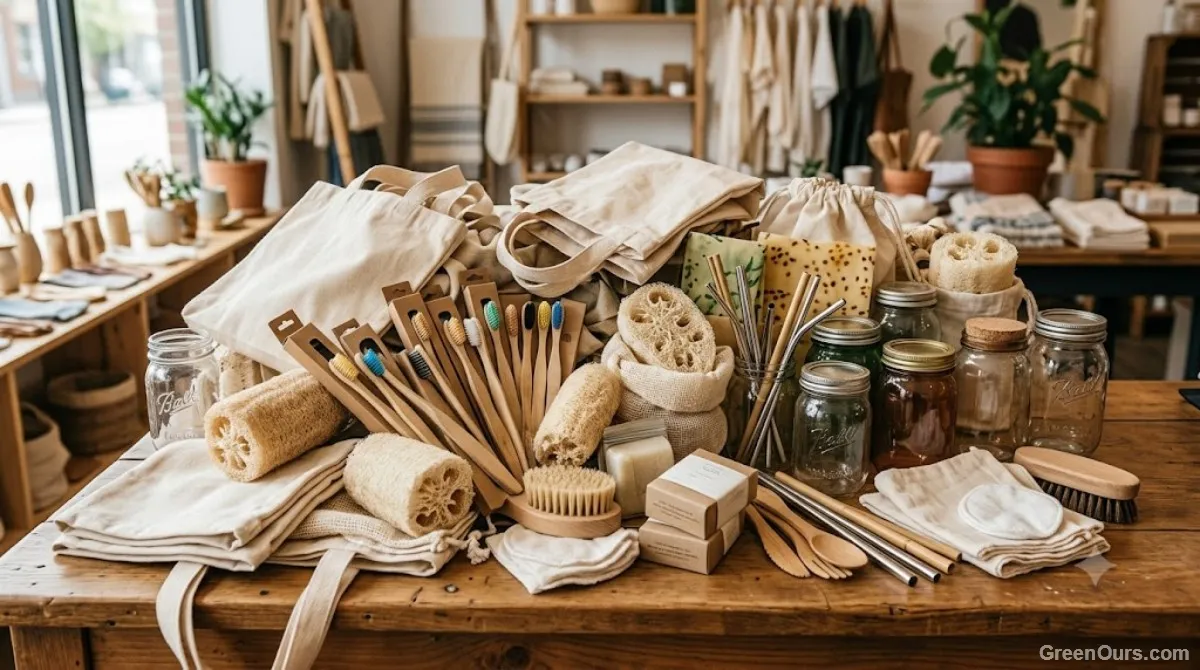
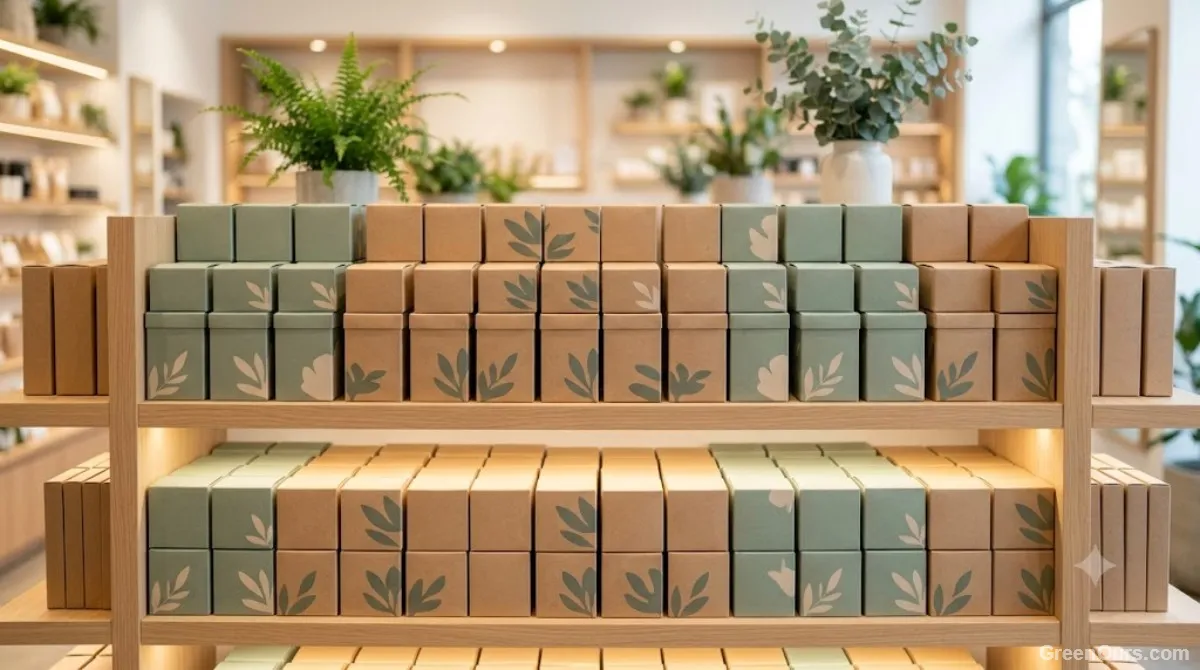
Eco-focused packaging can make a product feel like the responsible choice before you've checked whether you actually need it. Green packaging, leaf icons, earthy fonts, words like "conscious" and "planet-friendly" all work like any other marketing: they nudge a quick, feel-good decision, just with a cleaner conscience attached. You're not being irrational when a bamboo gadget catches your eye and your brain says yes, this is the responsible choice.
The problem is that an aisle built around a quick glance doesn't leave room for the two questions that actually matter: do I need this, and is it good? Those questions take a beat longer than reading a label. So what follows isn't really about sustainability credentials. It's about slowing down long enough to shop like yourself again, instead of like someone reacting to a color palette.
If a product's entire pitch is the word "eco-friendly" with no detail about materials, lifespan, or what happens at end of life, that's usually a sign the marketing came first and the product came second.
Cost Per Use Beats Sticker Price
Here's the math I wish someone had handed me years ago: divide the price by the number of times you'll realistically use the thing. Take these made-up but plausible numbers. A $40 insulated bottle used 300 times works out to roughly 13 cents a use, while a $12 bottle that cracks after 30 uses works out to 40 cents, plus a trip to the bin.
The catch is that "realistically" does the heavy lifting. A reusable item only pays off if it replaces something you'd otherwise keep buying, and only if you keep using it. A $25 gadget that gets used twice costs $12.50 a use, and no green label changes that.
The short version: ask whether you need it, whether it will last, and whether its cost per use beats what you're doing now. Three yeses and you can usually stop there. Anything murky, run the ten questions below.
Three Questions Before You Even Add It to Your Cart
1. Do I Already Own Something That Does This?
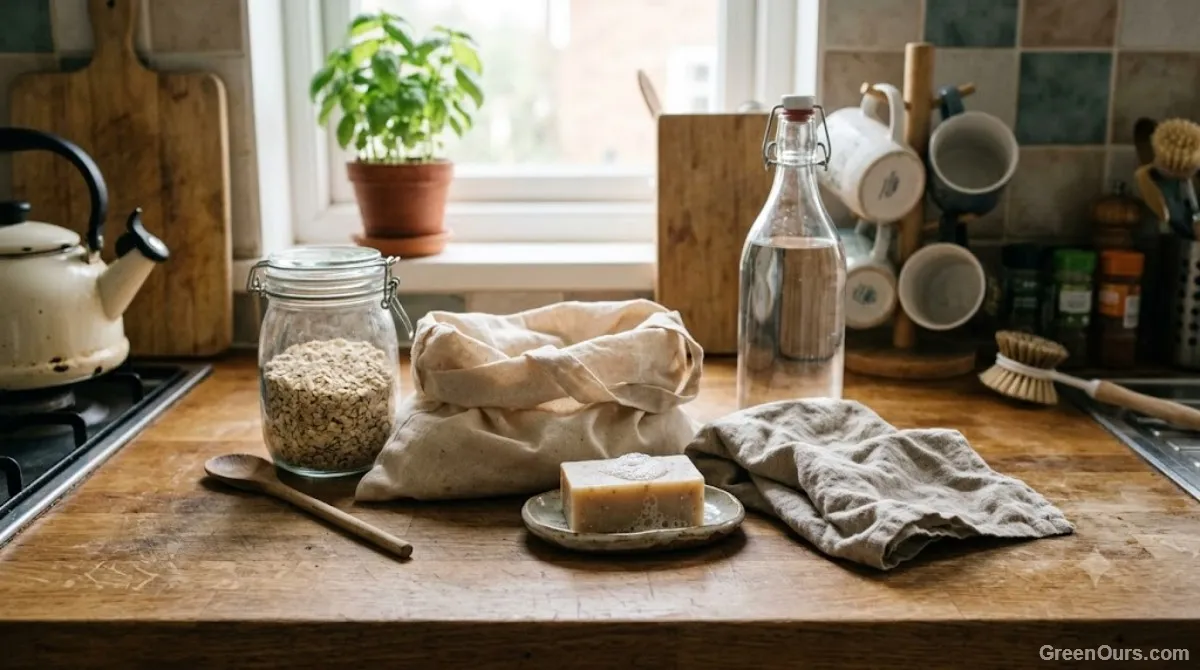
This one sounds obvious, and that's exactly why it gets skipped. Before you buy a new reusable water bottle because it's prettier, or a fresh set of glass containers because your current ones don't "match," check what's already in your kitchen drawer. Most households already own perfectly functional versions of whatever's being marketed to them. The most sustainable product is often the one you don't buy.
2. Will I Use This Regularly Enough to Justify Buying It?
Be honest with yourself here, because nobody else is checking. A lot of eco-branded purchases get used once, photographed for a story, and then live in a drawer indefinitely. If you can't picture yourself reaching for it in three months without prompting, it's not a sustainable swap. It's just a nicer piece of clutter.
3. Am I Buying This Because I Need It, or Because I Feel Behind?
Sustainability content online can create its own kind of pressure — a sense that everyone else has the matching set of eco gear and you're falling short. That feeling isn't a shopping list. If the honest answer is "I saw someone else's setup and felt inadequate," put it down. Feeling behind is not the same as needing something.
Four Questions That Separate Genuine Upgrades From Guilt Purchases
4. How Long Is This Actually Built to Last?
A product that has to be replaced every year isn't sustainable just because it's plastic-free. Look for actual material specifics — solid wood versus wood veneer, stitched seams versus glued ones, stainless steel versus a thin coated alloy. If the listing can't tell you what it's made of in plain terms, that's information, too.
5. What Happens to It When It Breaks?
Can it be repaired, or does the whole thing get tossed the moment one part fails? A cast-iron pan can be re-seasoned for decades. A gadget with a sealed battery often can't be opened at all. The repairability of a product tells you more about its real-world footprint than any marketing copy will.
6. Is the Eco Part Worth the Extra Cost?
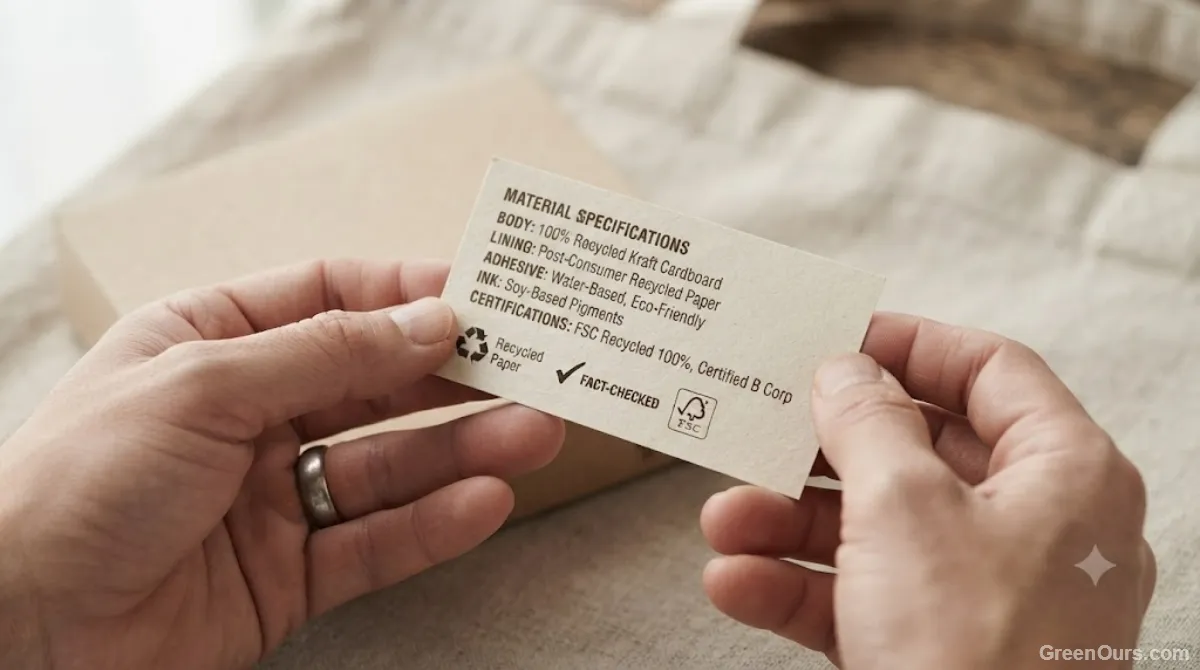
Some products are genuinely built around sustainable materials and processes. Others add a leaf logo and a higher price to the same product everyone else makes. Ask what specifically you're paying extra for — a longer-lasting material, a repairable design, verified recycled content — and whether that detail shows up in how the product performs. If you can't name what the premium buys, it may not be buying much.
7. Would I Buy This at This Price Without the Green Branding?
This is the question that cuts through the most impulse purchases. Strip away the green branding and look at price, function, and quality on their own. If a plain version does the same job for less, and the sustainability angle is doing all the convincing, the product probably isn't earning its price.
When Paying More Makes Sense (and When It Doesn't)
Honestly, the greenest-looking option isn't always the priciest, and the priciest isn't always the best. A higher price makes sense when you'll use the item constantly, it can be repaired, and nothing you already own could do the job. It doesn't when you'll use it now and then, or when a plain version works just as well.
| Category | Worth paying more when... | Cheaper is fine when... |
|---|---|---|
| Water bottles | You carry it daily and the maker sells replacement lids and seals | It's a spare for the gym bag or the occasional trip |
| Cleaning products | A refill or concentrate system genuinely cuts the packaging you keep buying | A basic, safe-for-the-surface option covers an occasional job |
| Kitchen items | It's cookware or a knife you'll use most days for years | Jars and containers you already have can do the storing |
| Clothing | It's a coat or boots you'll wear every week for years | It's a trend piece, an occasional outfit, or kids' clothes they'll outgrow |
| Storage | Rarely, since most storage is a purchase made to organize other purchases | Boxes and jars you own already work |
Notice the pattern: paying more tends to pay off on things you touch every week, and rarely on things you touch once a season.
Cheaper Ways to Get the Same Result
Once you've decided something is worth having, the sticker price is still negotiable in a few quiet ways.
Buy Secondhand or Refurbished Where It Makes Sense
Cookware, tools, furniture, and most clothing handle a second owner well, often at a fraction of the new price. Skip it for anything where hygiene or safety matters, like worn nonstick pans or protective gear.
Check for Replacement Parts Before You Buy
Lids, gaskets, blades, and filters are usually what fail first. If the maker sells them separately, a broken part costs a few dollars instead of the whole product.
Skip the Starter Kit
Bundles feel efficient, but they're where I got burned at checkout. You end up paying for four items to get the one you'd actually use, so buy that piece on its own.
Set a Small Sustainability Budget
Pick a modest monthly amount for this kind of purchase and stick to it. When it's spent, the next item waits, which is often all the cooling-off period an impulse buy needs.
Three Questions for After You Buy It
8. Am I Actually Using the Thing I Replaced?
A swap only counts if the old habit actually stops. If you bought reusable food wraps but you're still reaching for plastic wrap half the time because the wraps live in the wrong drawer, the purchase hasn't done anything yet except add an item to your kitchen.
9. Did This Purchase Replace Disposables, or Just Add to the Pile?
There's a real difference between a product that displaces something you used to throw away and one that just sits alongside everything else you own. Track it honestly for a month. If nothing in your routine actually changed, the purchase was decorative, not functional.
10. Would I Recommend This Without the Guilt Angle?
Once it's been in your home a while, ask whether you'd tell a friend to buy it purely because it works well — not because it made you feel virtuous at checkout. Products that pass this test tend to be the ones you genuinely keep using.
When the Answer Is Just... Don't Buy It
Some of these questions will lead you toward a better product. A fair number of them, if you're honest, will lead you to close the tab instead. That's not a failure of the framework — it's the point of it. The most sustainable purchase is frequently the one that never happens, and there's no shame in a cart that empties itself out once you've actually thought it through.
None of this means you have to become the person who interrogates every trip to the store. It just means the next time something green and shiny catches your eye, you've got a quick cost-per-use check and ten quiet questions ready before your card comes out — and honestly, that's enough.
Rethink your next impulse buy with us.