
The Almost-Empty Problem
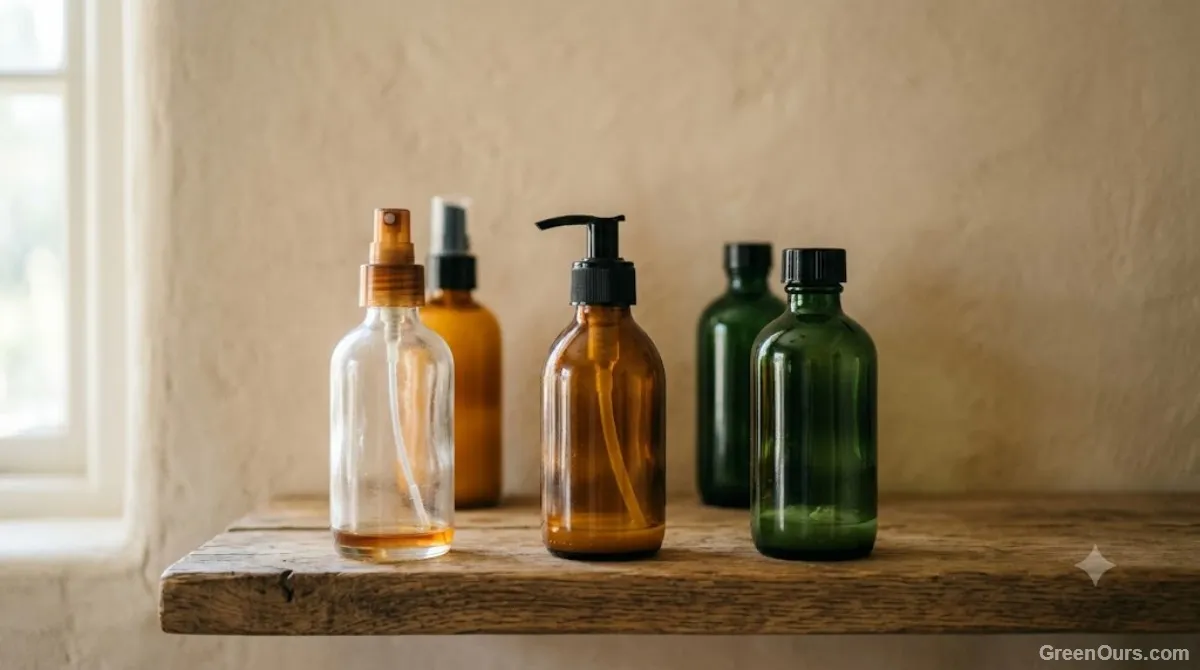
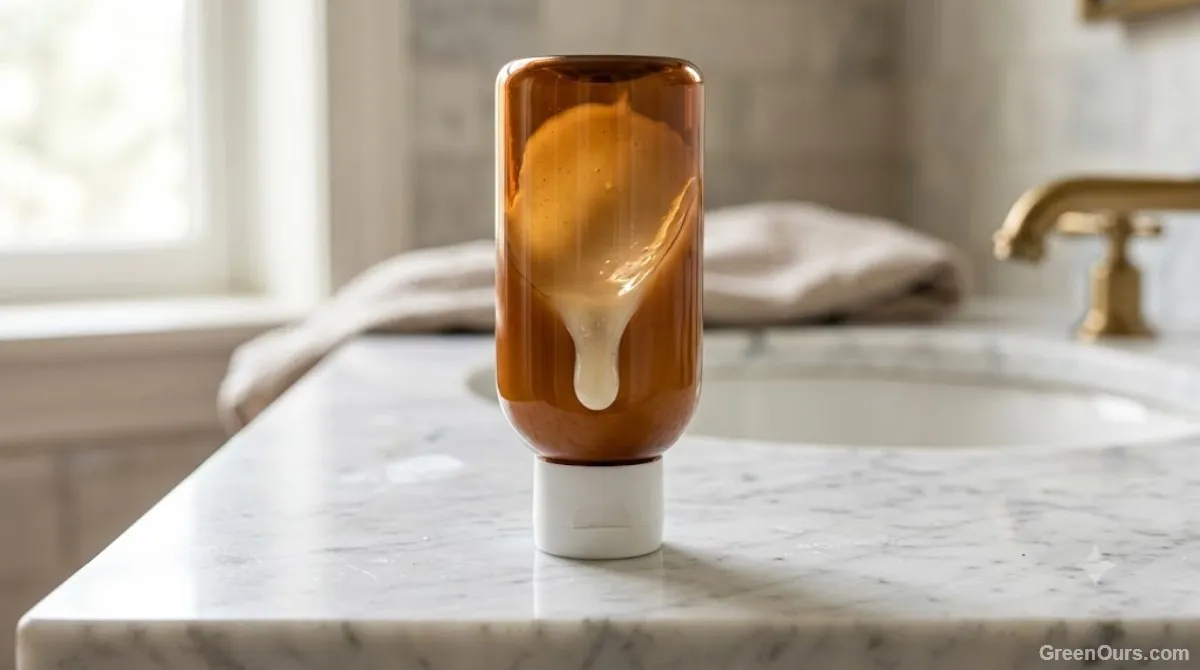
Here's the thing about almost-empty products: they're annoying in a way that feels bigger than it should. The pump stops working. The bottle needs propping at an angle. You have to scrape the jar instead of just scooping. None of that takes more than an extra ten seconds, but somehow it's enough friction to send you toward the shopping list instead of toward the effort of finishing what's already there.
I used to think of this as impatience. Now I think it's closer to a small, quiet form of avoidance — avoiding the mildly annoying task of coaxing out the last of something, in favor of the much more satisfying feeling of cracking open something new. New things are frictionless. That's basically their whole appeal.
Before adding anything to your cart, do a 30-second cupboard check. If you can still use what you have, that's your answer.
Why Buying New Feels Easier Than Finishing Old
There's no willpower failure here, so let's not pretend there is. Stores are built to make replacing things feel effortless — bright labels, satisfying full bottles, the little dopamine hit of a fresh start. Finishing something old doesn't come with any of that. It's just you, a nearly-flat tube, and the vague sense that you should probably just buy a new one and stop dealing with it.
What actually breaks the pattern isn't discipline. It's noticing. Most of us have no idea how many backups we're sitting on until we go looking — an extra conditioner in the linen closet, a second bag of coffee behind the open one, a bar of soap in a drawer nobody remembers stashing. The habit isn't buying too much. It's buying without checking first.
Where This Habit Hides in the Kitchen
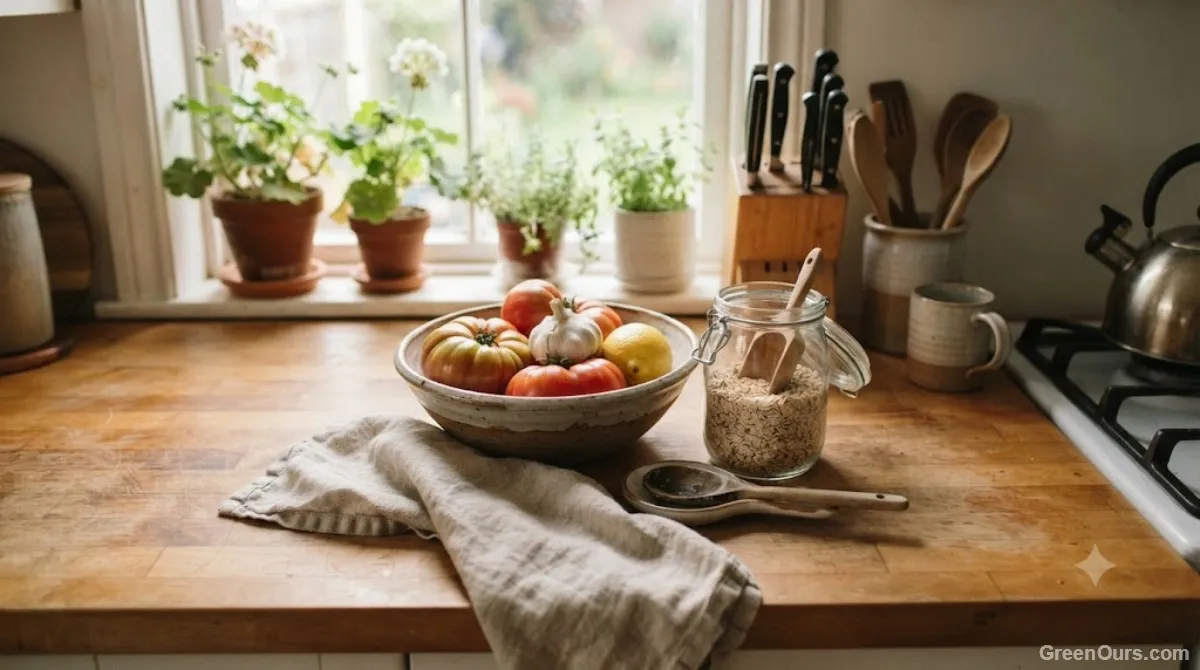
The kitchen is where I catch myself the most. Condiments are the worst offenders — a squeeze bottle of mustard with a thin smear left, sitting next to a full backup bought "just in case." Oils, too. I once found two nearly-full bottles of olive oil in the same cupboard, because I'd forgotten the first one was there and bought a second during a big shop.
Cutting down here doesn't mean rationing yourself or eating the sad, crusty end of a jar out of principle. It just means checking what's open before you grab what's new, and letting that be the deciding factor instead of habit. Most of the time you'll find you're not actually out of anything — you just forgot what you had.
The Bathroom Backlog Nobody Mentions
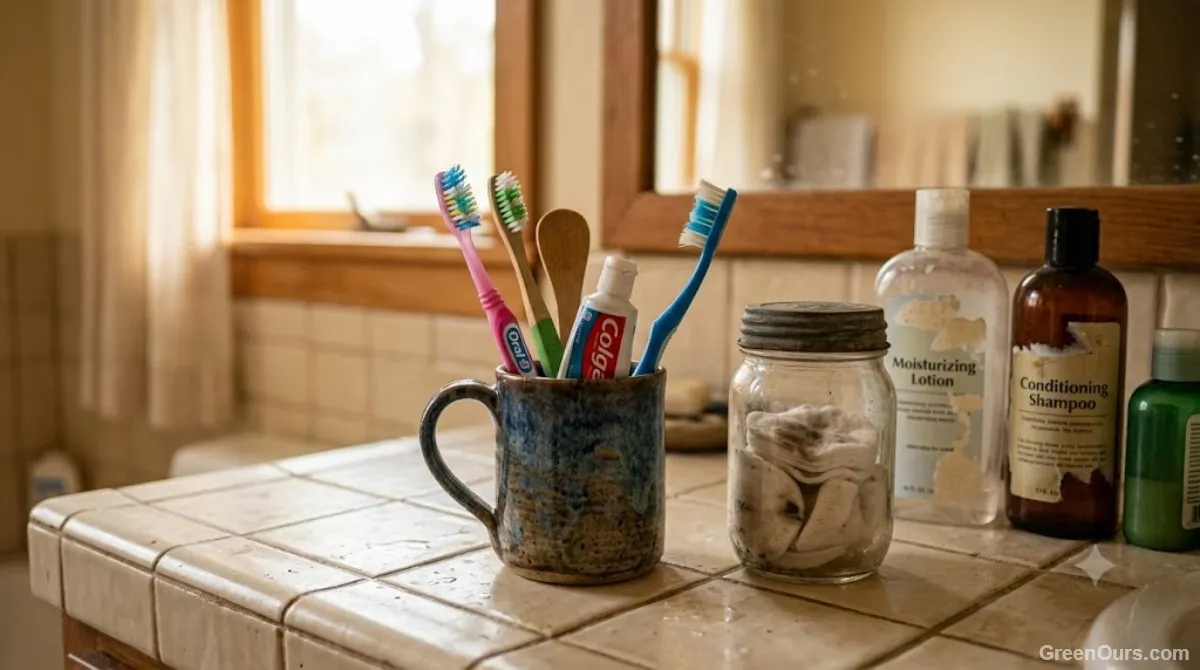
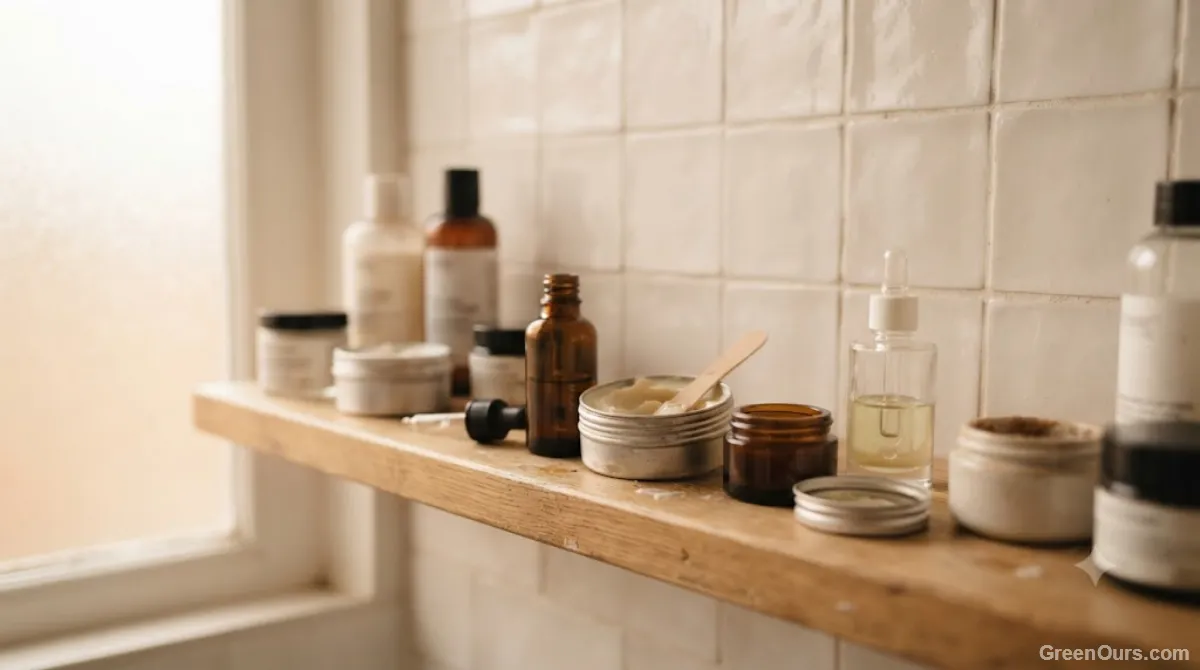
Bathrooms are where this habit really piles up, because bathroom products get replaced on vibes as much as need. A new face wash catches your eye. A sample-size shampoo comes home from a hotel. A friend recommends a moisturizer and suddenly there are two open jars doing the same job, competing for shelf space and neither one getting finished.
You don't need a system for this, just a habit of using up one thing at a time instead of rotating between three open products because none of them feel urgent. Pick the oldest opened item and commit to it before anything new gets cracked open — even the exciting new thing you just got as a gift. It'll still be exciting in three weeks.
The Cleaning Cupboard Trap
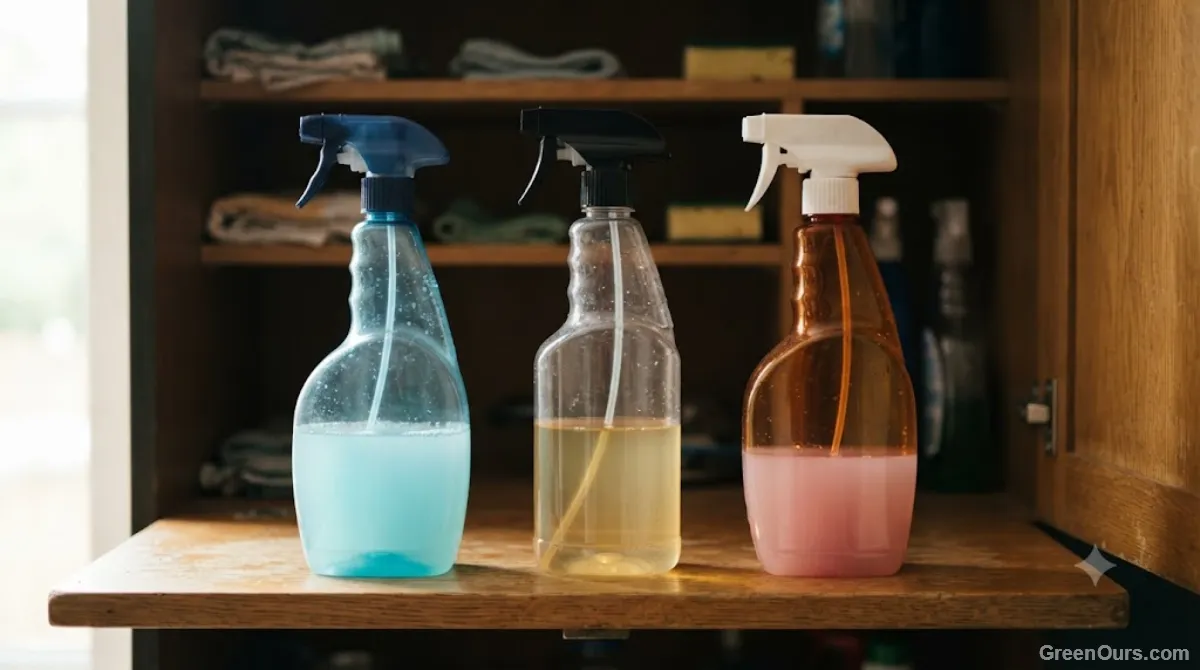
This is the one that gets me every time. Cleaning sprays are cheap enough that buying a new one feels harmless, so the cupboard quietly fills up with three-quarters-empty bottles of the same all-purpose spray, none of them ever actually finished. I've genuinely found a bottle so old the label had faded before I used the last of it.
The fix is almost embarrassingly simple: line up what's open, use the emptiest one first, and don't buy a refill until it's actually gone. It sounds too basic to matter, but it's the difference between a cupboard full of duplicates and one where everything gets used.
What to Do Next
I'm not going to tell you to adopt a strict use-it-up policy, because those rarely survive contact with a Tuesday. What's worked better for me is just building in one pause: before anything new comes into the house, open the cupboard and actually look. Not from memory — actually look. Most of the waste isn't about what you throw away. It's about what you never got around to using in the first place.
None of this requires a label maker or a labeled bin system. It just requires noticing what's already open before you go looking for what's next — and honestly, once you start noticing, you can't really stop.
More honest zero-waste habits that actually stick.