
The Guilt Cycle I Kept Getting Wrong
For a while, I ran every broken object through the same mental trial: could I fix it, should I fix it, was I a bad person for even considering the trash can. That question is exhausting, and it's also the wrong one. The real question isn't whether you're allowed to replace something — it's whether replacing it actually solves the problem you have.
A broken thing sitting in your closet "for later" isn't zero-waste. It's just deferred waste with extra steps, and it takes up space you could be using for something that works. On the other hand, replacing something that still functions fine, just because a shinier version exists, isn't sustainability either. It's the same consumption habit wearing a green label.
Before you decide anything, ask one question: does this item still do its job safely and reasonably well? If yes, the conversation about replacing it is over — for now.
Three Quick Checks Before You Buy or Toss Anything
The Function Check
Does it still do the thing it was built to do? A wobbly chair leg is still a chair. A can opener that takes three extra turns is still a can opener. Minor inconvenience isn't the same as failure, and most of us are quicker to declare something "done" than the object actually is.
The Effort Math
Weigh the fix against the object. A five-minute glue job on a wooden spoon handle is worth it every time. A forty-dollar repair on a twenty-five-dollar blender usually isn't — and pretending it is just delays an inevitable purchase while spending money you'll never see again.
The Hidden-Cost Check
Some items cost you more by staying. A cracked cutting board that's started holding bacteria in its grooves, a frayed extension cord, a rubber gasket that no longer seals and quietly lets food spoil faster — these aren't sentimental keepers. Keeping them "to save waste" often creates more waste, just slower and less visible.
When Repairing Something Actually Makes Things Worse
There's a specific kind of stubbornness I used to be proud of, and it wasn't actually helping anyone. I patched a nonstick pan with a flaking coating for months because throwing it out felt wasteful. What I was really doing was scraping unknown chemicals into my dinner to avoid a fifteen-dollar purchase. That's not a values win. That's just avoidance dressed up as principle.
The same goes for anything with a safety component — cracked electrical items, ladders with wobbly joints, car seats past their expiration. No amount of good intention is worth the risk, and in most cases the impact of one replacement is nothing compared to what you'd spend fixing and re-fixing something that was never built to be repaired in the first place.
The "Green" Replacement Trap
Here's the part nobody likes to admit: sustainable living has its own version of impulse buying, and it looks a lot more innocent. It's the bamboo version of something you already own in perfectly working plastic. It's the "better" reusable swap bought while the first one is still sitting in a drawer, barely used. Buying a new eco-labeled item to replace something that already works isn't a smaller footprint — it's just a footprint with better branding.
I've done this more than I'd like to admit. I bought a second set of beeswax wraps because the new ones had a nicer print. My old set was fine. That purchase didn't reduce anything — it just added a little more stuff to a drawer that was already full.
When Replacing Really Is the Right Call
None of this means you should hang onto everything until it disintegrates. Some replacements are the genuinely sustainable choice, not a compromise of it. An inefficient old appliance that quietly burns through electricity or water every single day can cost more, over time, than the footprint of a new one — especially once you've had it running inefficiently for years. A shoe that's lost its structure and is quietly wrecking your knees isn't worth keeping for the sake of a streak.
The distinction that's helped me most: repair and reuse when the object still does its job and the fix is proportionate. Replace when the ongoing cost — in money, safety, resources, or your own daily frustration — has quietly outgrown the cost of something new.
My Actual No-Buy Replacement Rule
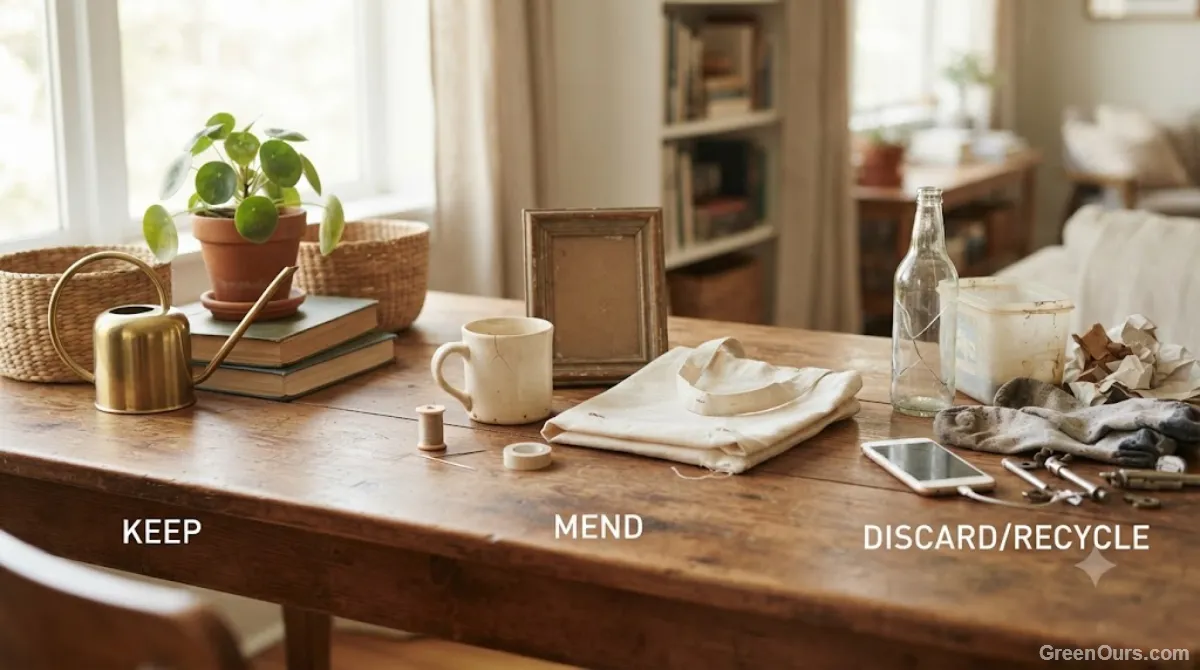
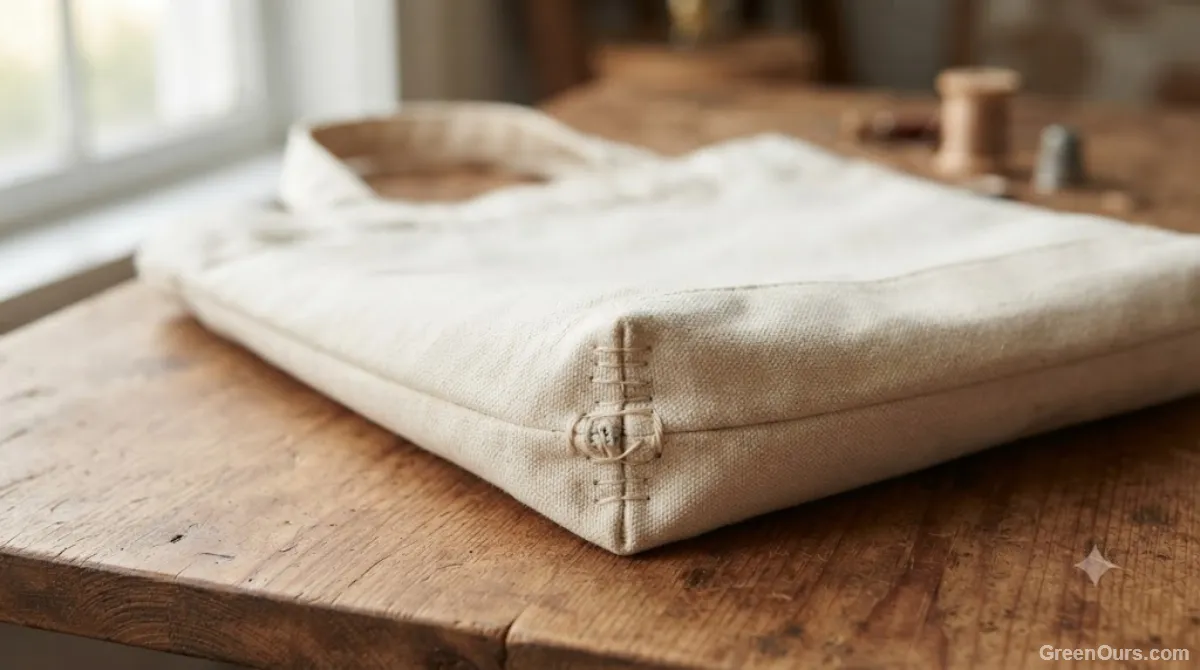
These days, before anything leaves my house or a new one comes in, I run through the same three questions, in order. Does it still function? If yes, it stays, imperfections and all. If no, can it be fixed for less time and money than it would take to replace it, without cutting corners on safety? If yes, it gets fixed. Only if both of those come back "no" do I actually replace it — and when I do, I don't apologize for it.
What to Do Next
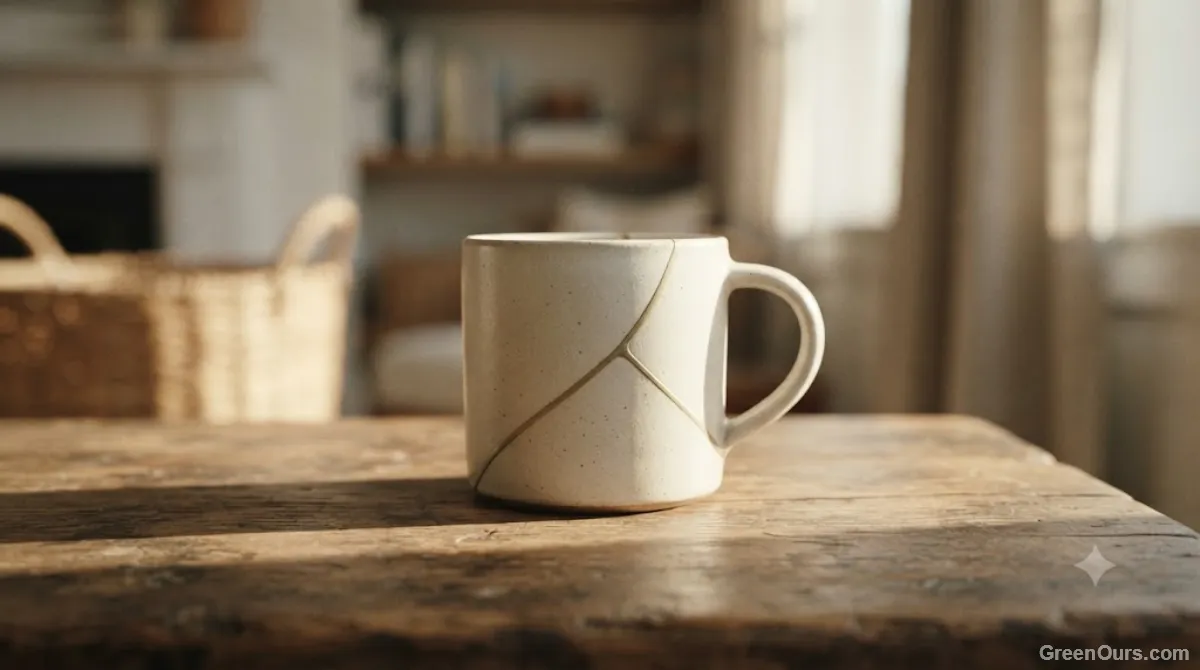
That last part took the longest to learn. A thoughtful replacement, bought because something has genuinely reached the end of its useful life, isn't a failure of your values. It's what sustainable living actually looks like day to day — not a perfect record, just better decisions made a little more often.
The next time something in your house breaks, you don't need a verdict on your character. You just need three honest questions and a little patience with which answer turns out to be true.
Ready for your next low-waste win?