
The Bathroom You See Online Isn't Where Anyone Actually Starts
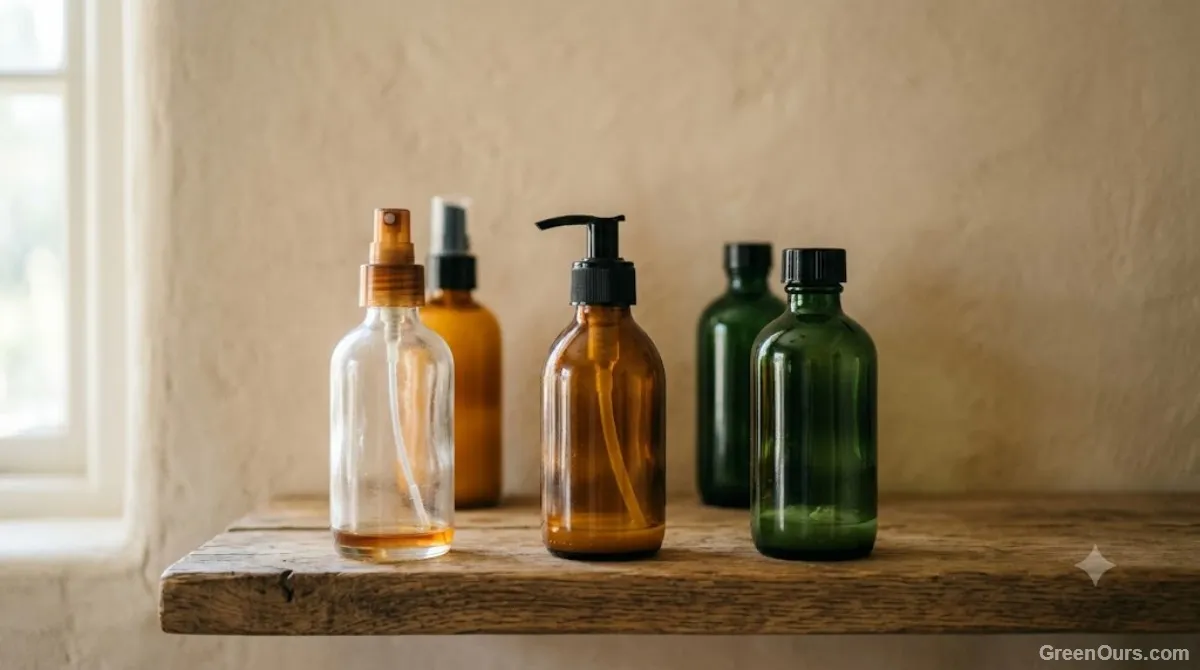
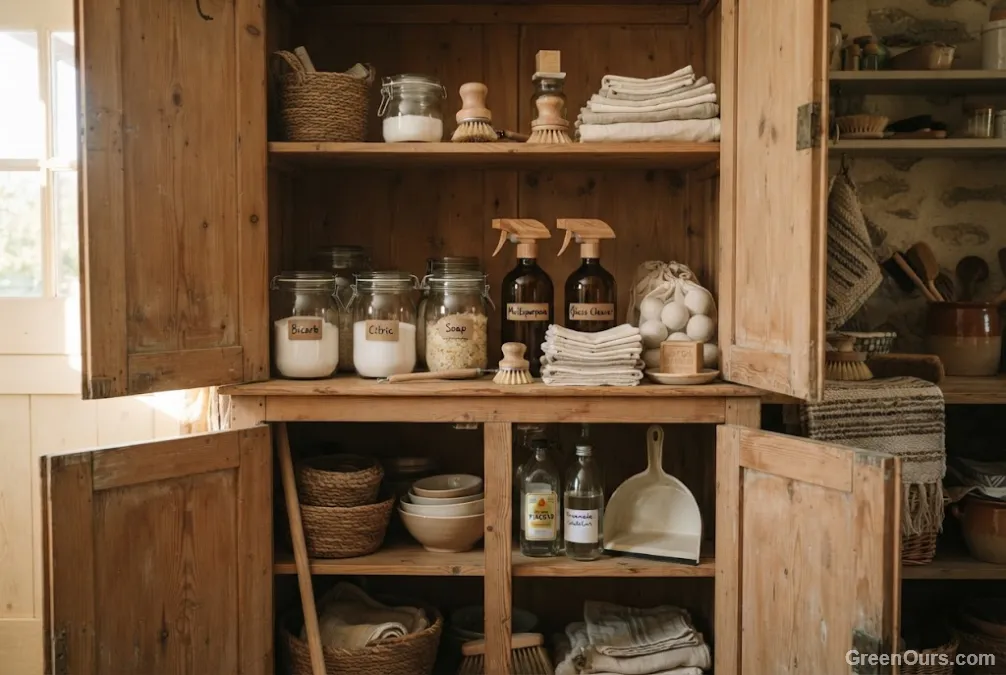
Every zero-waste bathroom photo looks suspiciously similar: a wooden soap dish, three glass jars with hand-lettered labels, and not a single plastic bottle in sight. It's a nice picture, but it's also a finished project, not a starting point. Nobody posts the six months before that photo, when they were still finishing off a bottle of drugstore conditioner while figuring out what a shampoo bar even was.
Buying a whole new set of eco-friendly products before you've used up what you have isn't zero waste. It's just a different kind of consumption, and it usually costs more than the plastic version did. The goal here is smaller and more honest: work through what's already in your cabinet, and let genuine need — not aesthetics — decide what comes next.
The most zero-waste thing in your bathroom right now is whatever you already own, even if it's a plastic bottle that's three-quarters empty. Using it up beats replacing it early every time.
Take Ten Minutes to Actually Look Under Your Sink
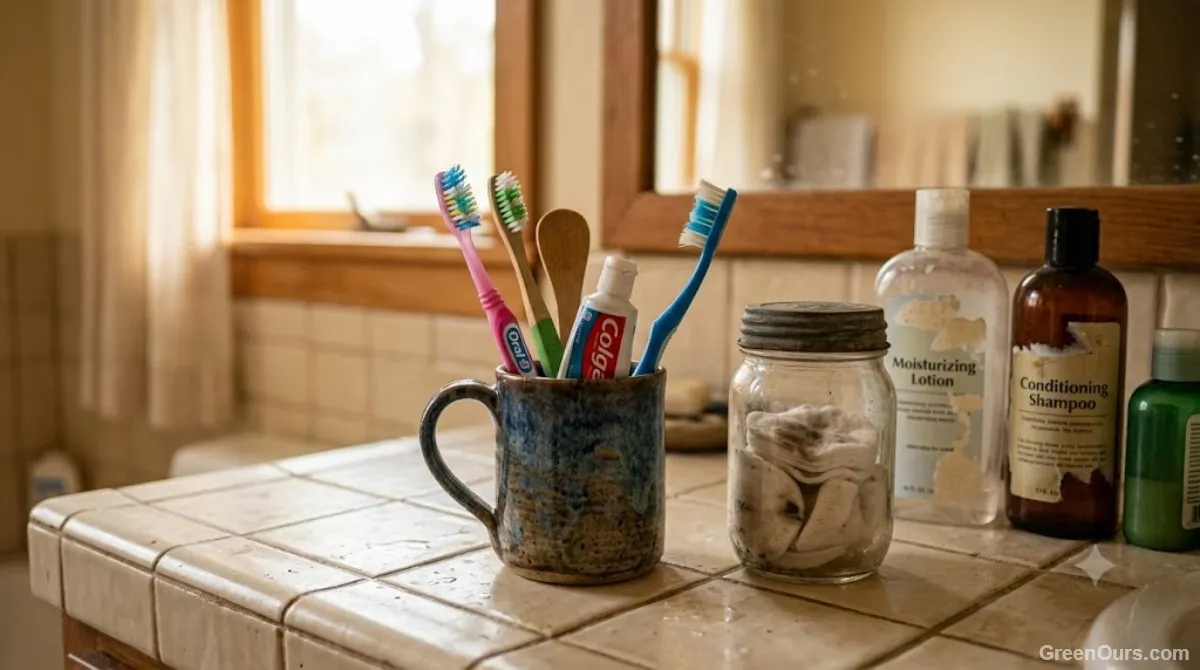
Before you change anything, pull everything out. Not to declutter for the sake of it, but to see what you're actually working with. Most people have no real idea what's in there until they lay it all out on the bathroom floor — old conditioner samples, a razor cartridge pack that's mostly empty, a body wash nobody in the house likes but keeps buying again anyway.
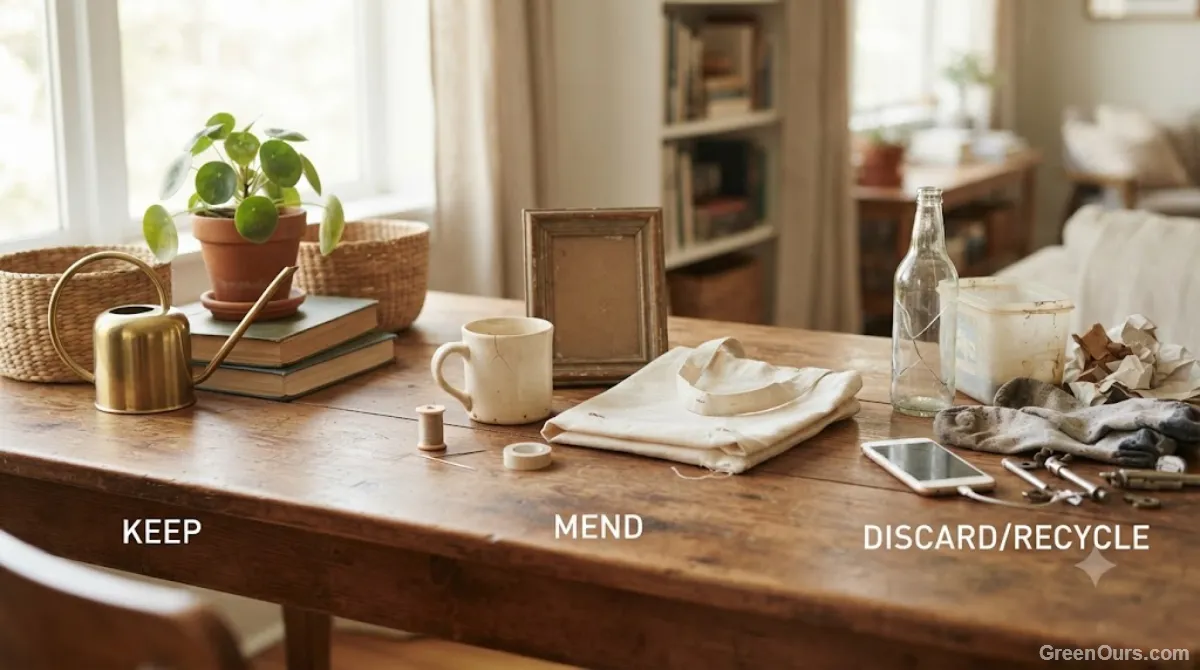
Sort it into three honest piles: things you use regularly and will finish naturally, things you forgot you had and can start using now instead of buying a duplicate, and things you genuinely dislike and will never use up. That last pile is small for most people, and that's a good thing — it means less waste to deal with, not more shame about what you own.
Squeeze the Last Use Out of What You've Got
Bottles and Tubes
Lotion and shampoo bottles almost always have more product than they look like they do. Cut a plastic bottle open at the bottom once the pump stops working and you'll usually find another week or two of product stuck to the sides. Toothpaste tubes flatten and roll, but there's often a final week of use left once you cut them open with scissors.
Half-Used Products You Forgot About
That pile of things you forgot you had is often the most useful part of this whole process. A half-used bottle of face wash from a trip, a sample-size conditioner from a hotel, a bar of soap shoved to the back of a drawer — using these up first means you're not buying anything new for weeks, sometimes months, without changing a single habit.
Only Replace Something Once It's Actually Gone
This is the part people skip, and it's the part that actually matters. Once a product runs out for real, that's your moment to make a different choice — not before. A bar of soap instead of a bottle of body wash. A safety razor instead of disposable cartridges. Reusable cotton rounds instead of the disposable kind, washed with your regular laundry.
None of these need to happen all at once, and none of them need to be expensive. A basic safety razor costs less over a year than a pack of plastic cartridges, and a bar of soap usually lasts longer than the bottle it would have replaced. The point isn't to overhaul your whole routine in a weekend. It's to make the next purchase, whenever it happens, a slightly better one than the last.
The Habits That Matter More Than Any Product
A shelf full of reusable products doesn't do much if the tap runs the whole time you're brushing your teeth, or if wipes still go down the toilet instead of in the bin. The habits underneath the products are what actually reduce waste and water use, and they don't cost anything to build.
Turning the tap off while you brush, shaving, or washing your face saves a real amount of water over a year, even though it feels too small to matter in the moment. Keeping a small mesh bag by the hamper for cotton rounds and reusable pads means they actually get washed instead of piling up dry and unused on the counter. These aren't dramatic changes, but they're the ones that stick.
If You Only Change One Thing This Month
Skip the shopping list. Pull one product out from under your sink, the one you've been meaning to replace, and commit to using it all the way down before you buy anything new. That's it. It won't look like the photo, but it's the honest version of getting there, one bottle at a time.
More ways to ease into zero-waste living.
My bathroom still isn't picture-perfect, and it probably never will be. What's changed is smaller and more useful: I don't buy things I don't need, and I don't feel guilty about the things I already own. That's a better trade than any matching set of jars.