
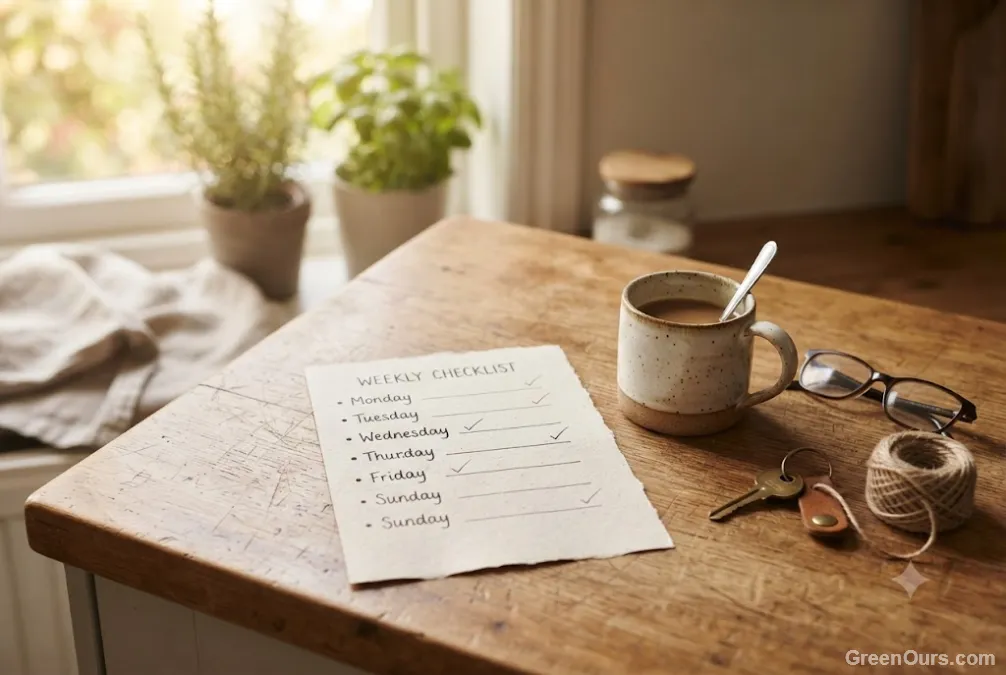
Why a checklist beats a total overhaul
Most sustainable living advice comes in one of two flavors: overwhelming (replace everything in your bathroom by Friday) or vague (just be more mindful!). Neither one survives contact with an actual Tuesday.
A checklist works because it turns something abstract into something you can literally check off. You're not trying to become a different person. You're trying one small thing today, and if it sticks, great — if it doesn't, you try a different one next week. That's not a compromise. That's just how habits form for most people, one manageable repetition at a time, not one heroic reinvention.
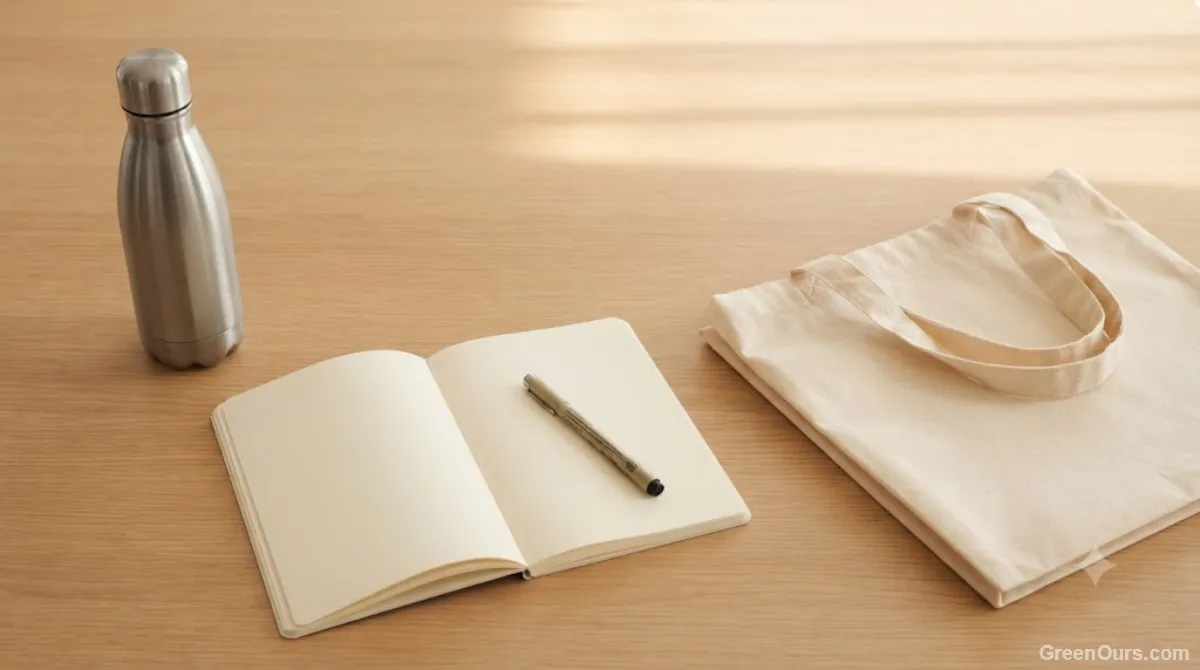
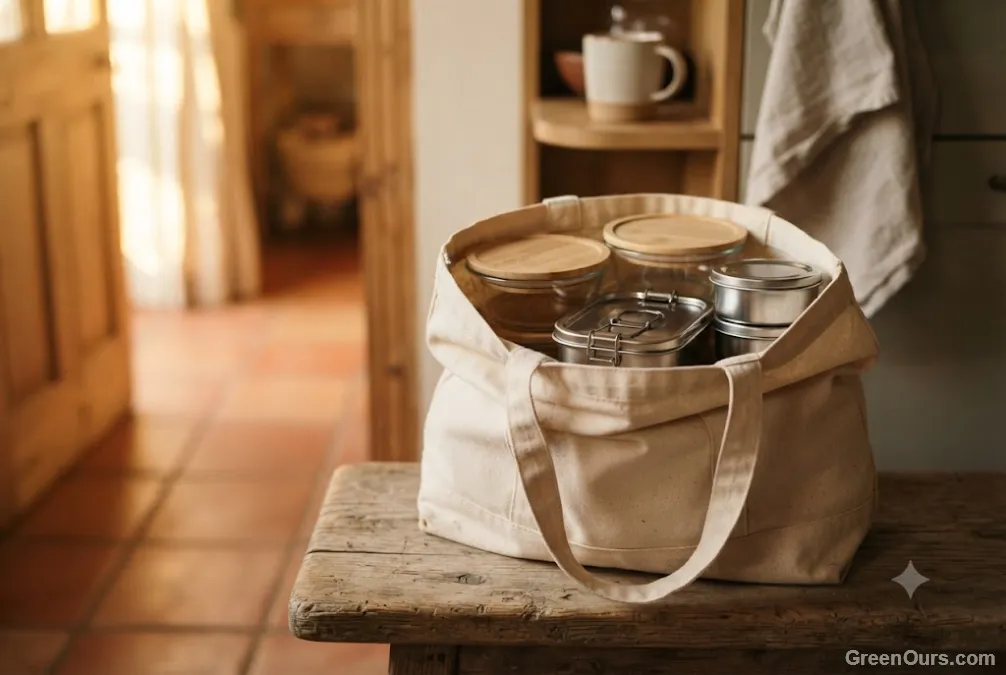
You don't need to buy a single thing to start this week. The most useful early habits are things you already own — a bag you forgot about, containers already in your cupboard, a routine you can just slightly adjust.
Before you start: two ground rules
Rule one: nothing on this list requires a shopping trip. If a step tempts you to order something, skip it and come back to it later. Buying your way into sustainability before you've built the habits to support it is how drawers end up full of unused reusable straws.
Rule two: pick one day, right now, when you're allowed to fail without guilt. Mine is usually whichever day I have back-to-back meetings. Deciding it in advance means a missed day doesn't feel like proof the whole thing isn't working — it's just the day you already knew would be hard.
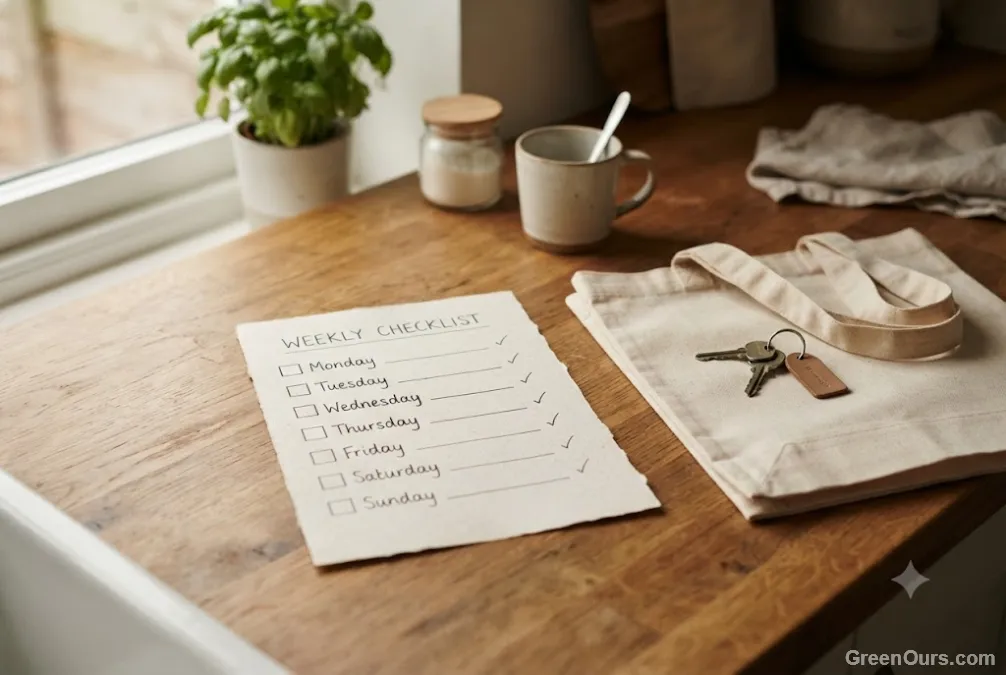
Your seven-day starter checklist
Days 1–2: notice before you change anything
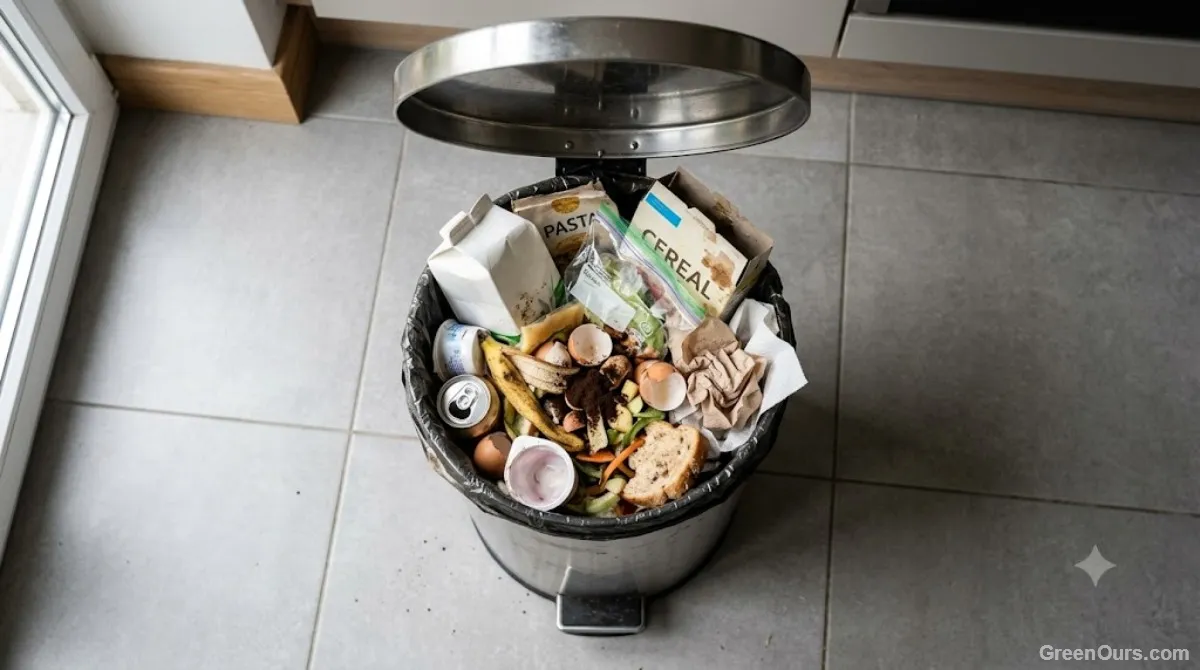
Don't change a single habit yet. Just pay attention. Keep your trash and recycling visible instead of tucking it away, and notice what fills up fastest. Is it takeout containers? Produce that went off before you used it? Packaging from the same three products every week?
This sounds like stalling, but it's the opposite. Most people skip straight to swapping products without knowing what their actual waste pattern even is, which means they end up solving a problem they don't have while ignoring the one that's sitting in their bin every single day.
Days 3–5: swap one habit at a time
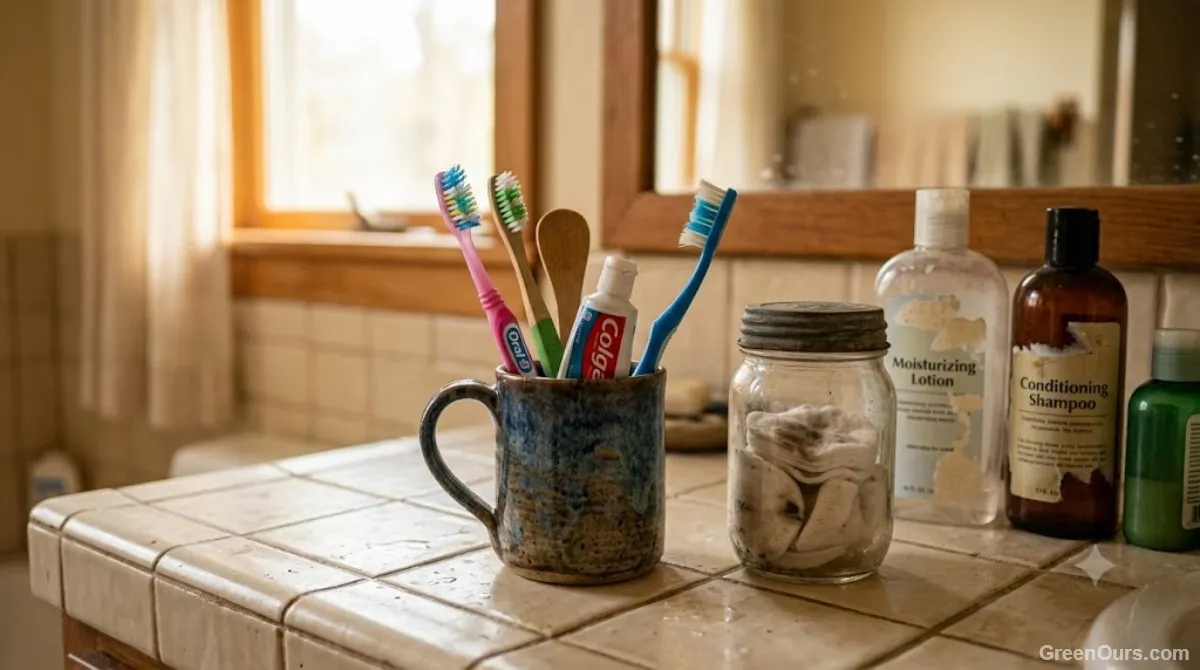
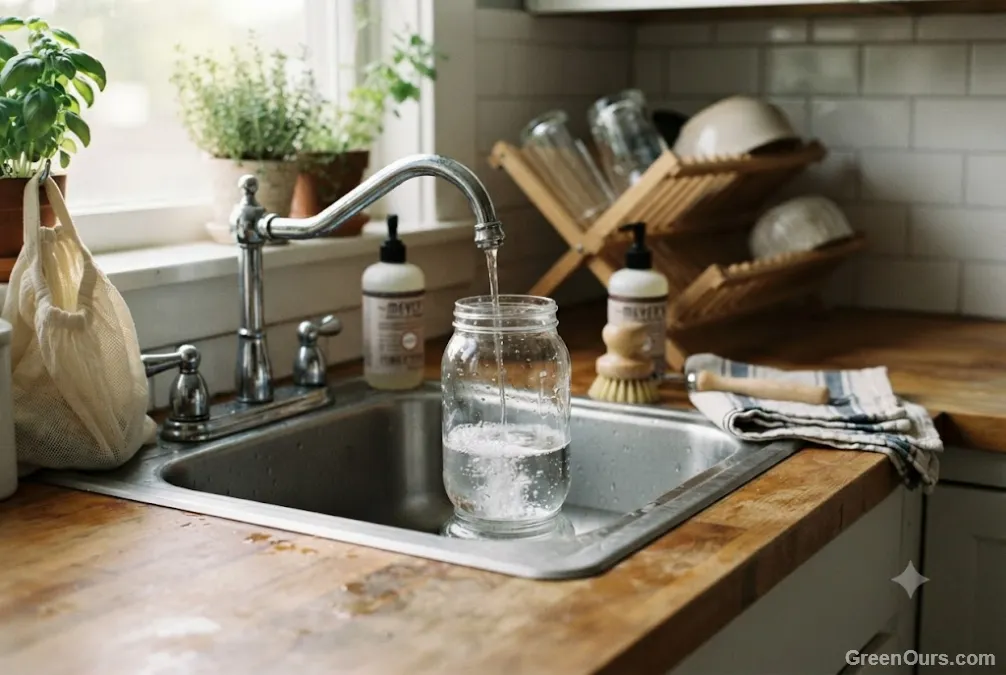
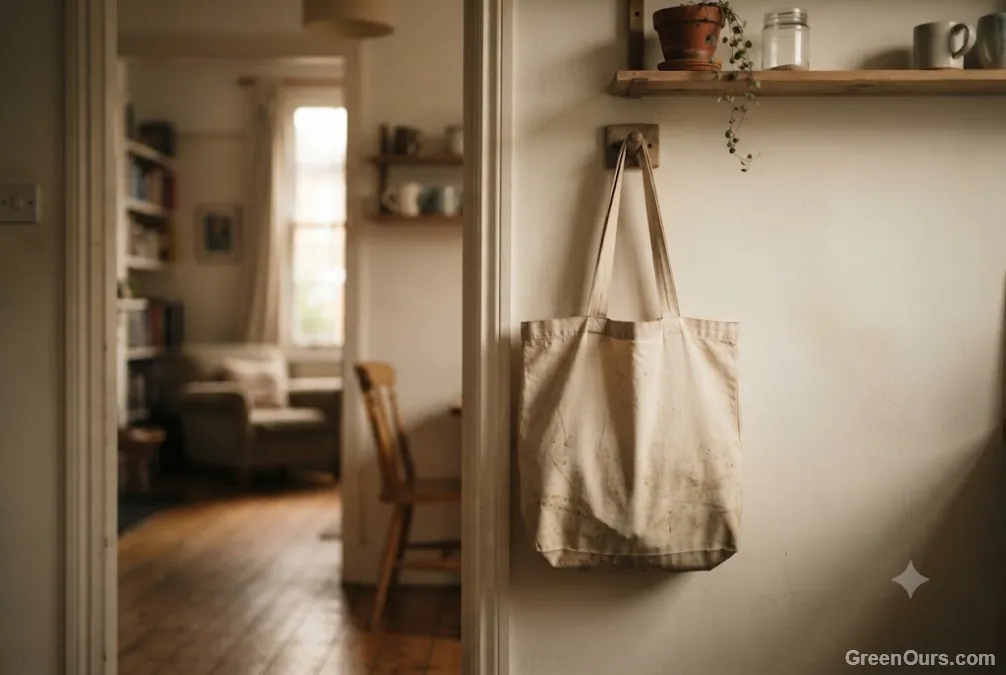
Now pick one thing from what you noticed and adjust it. On day three, bring a bag or container you already own when you go out, even if it's just an old backpack doing double duty. On day four, commit to using up what's already open in your fridge before buying anything new — a genuinely underrated habit that saves both money and food waste. On day five, look at one recurring purchase, like a cleaning spray or a snack you always buy in single-use packaging, and see if a refill or bulk version exists nearby. If it doesn't, that's fine — note it and move on.
Three swaps in three days. Not seven. Not ten. Three is enough to feel different without feeling like a part-time job.
Days 6–7: reflect and keep what worked
On day six, look back honestly. Which of the three swaps barely registered, and which one actually annoyed you? That's useful information, not failure. On day seven, choose exactly one habit to carry into next week. Just one. Let the others go, or revisit them later when this one feels automatic.
This is the step most beginner guides skip entirely, and it's the one that actually determines whether any of this lasts past a single week.
What to do if you fall off the plan
You will, at some point, forget the bag. You'll order the takeout in the plastic container. You'll buy the thing in packaging you meant to avoid. None of that undoes the week — it just means you're a person with a life, not a checklist come to human form.
The habit that actually lasts isn't the one you never break. It's the one you come back to without turning it into a referendum on your character. Notice, adjust, forget, come back. That's the whole cycle, and it works a lot better than waiting until you can do it perfectly.
More low-pressure ways to live a little greener.
By next Sunday, you won't have transformed your entire life, and that was never really the point. You'll have one habit that's actually yours, built during an ordinary week instead of a fantasy one — which is, honestly, the only kind that ever sticks around.