
Where Your Trash Is Actually Coming From
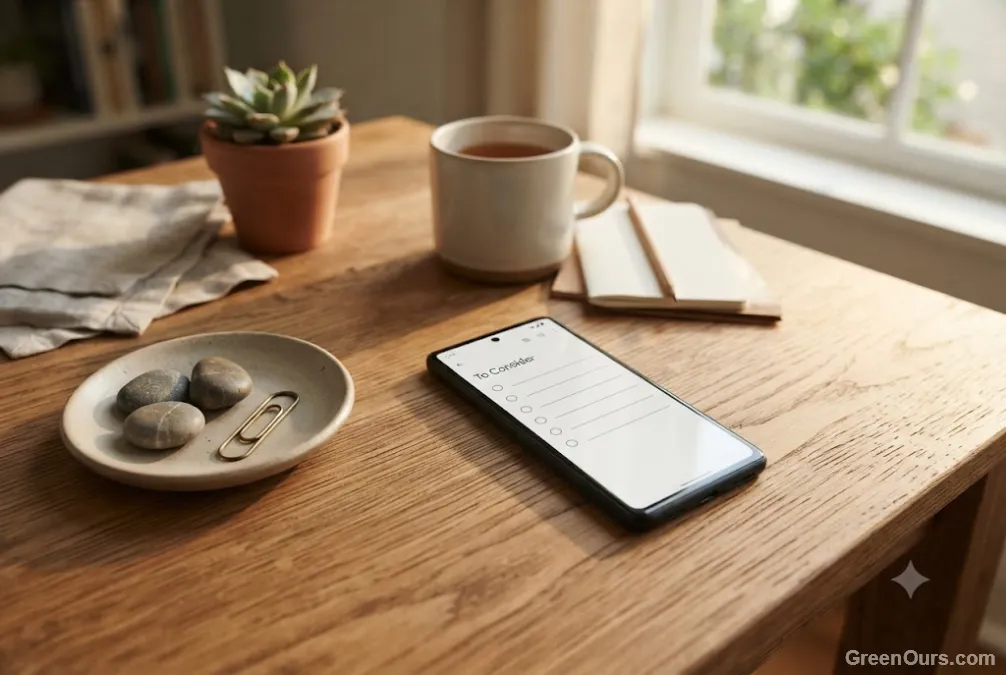
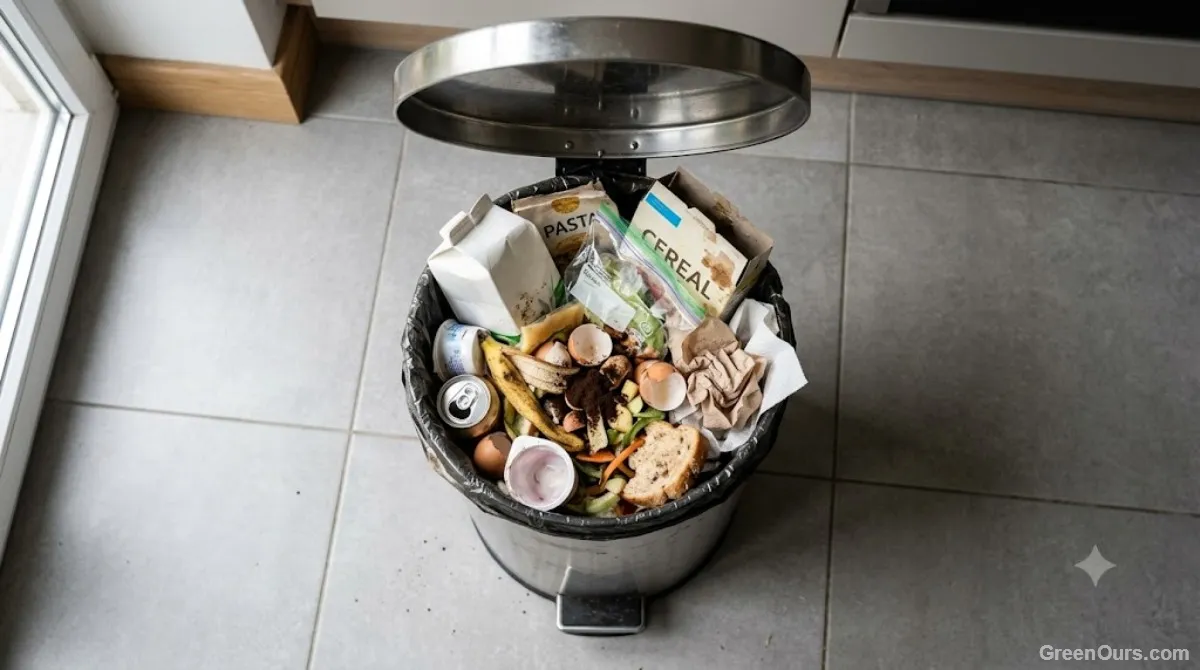
Before you buy a single reusable anything, spend one week just watching what goes in your bin. Not judging it, just noticing. Keep a scrap of paper on the fridge and jot down categories as they come up: food packaging, junk mail, expired pantry items, broken odds and ends, takeout containers.
By day five, a pattern usually shows up, and it's rarely the one people expect. Most of us assume plastic bags are the villain, but for a lot of households it's actually food packaging or paper mail that dominates the bin. You can't fix a problem you haven't actually identified, and this audit takes less effort than a single trip to a zero-waste store.
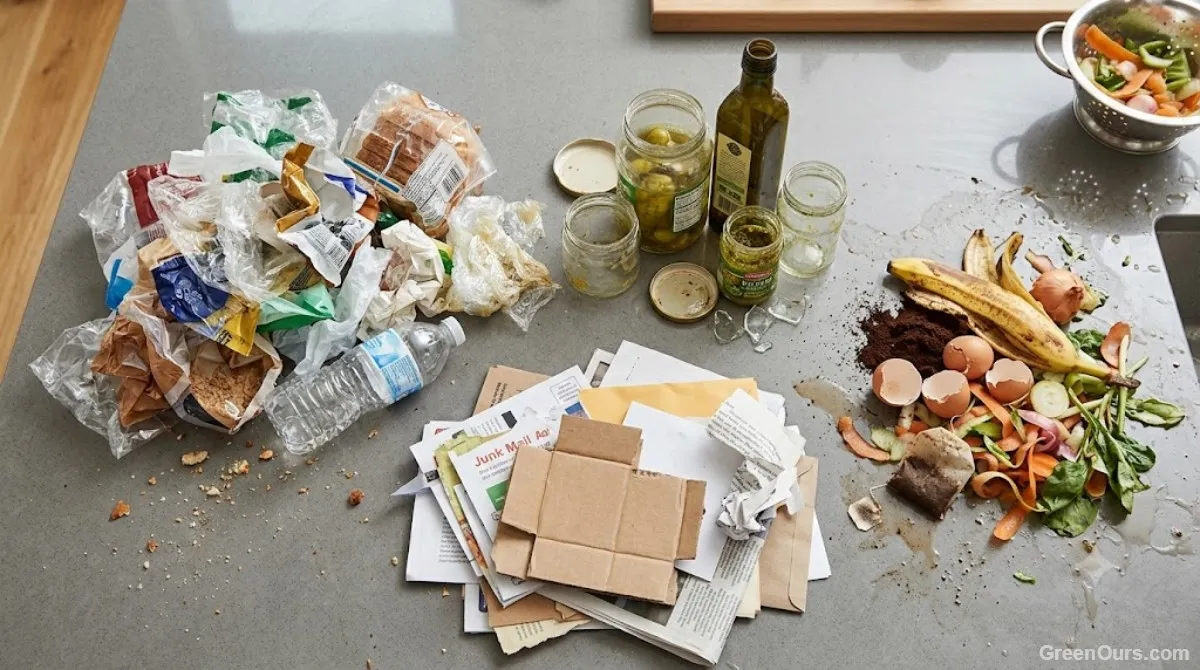
Find your single biggest waste category before you change anything else. Fixing that one thing will outweigh a dozen smaller swaps combined.
Start With the Room You Already Stand In Most
For most households, that's the kitchen, and it's usually where the bulk of the weight comes from. Produce that goes off before you get to it, packaging from convenience foods, containers that seemed reusable in the store and never actually got reused.
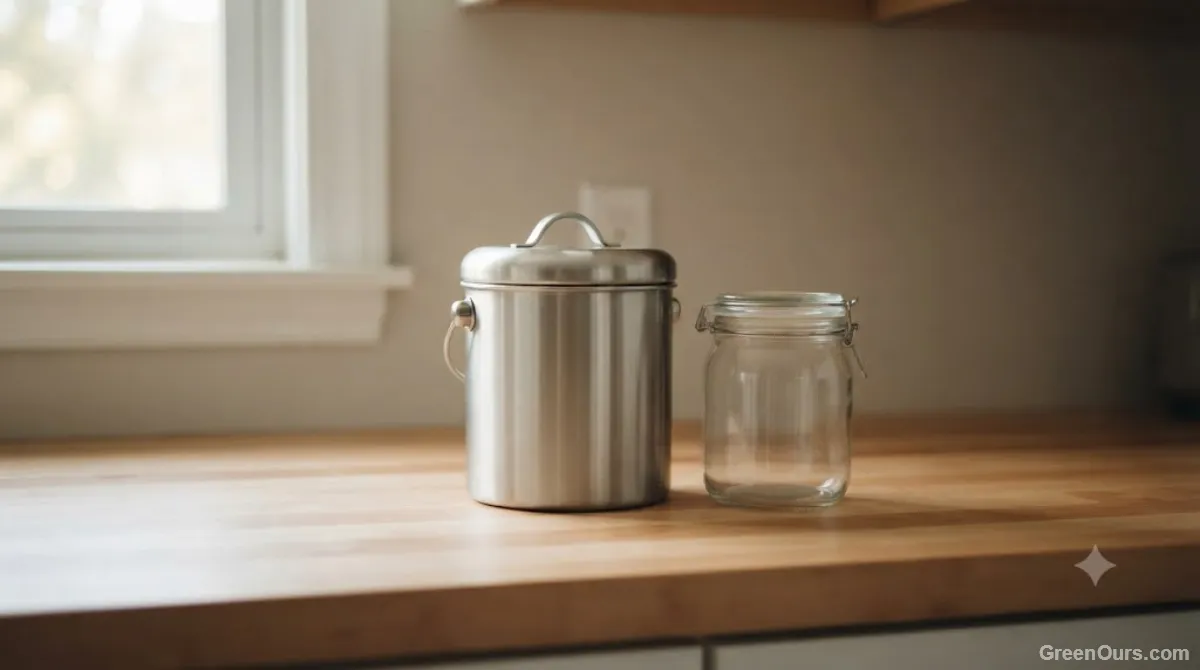
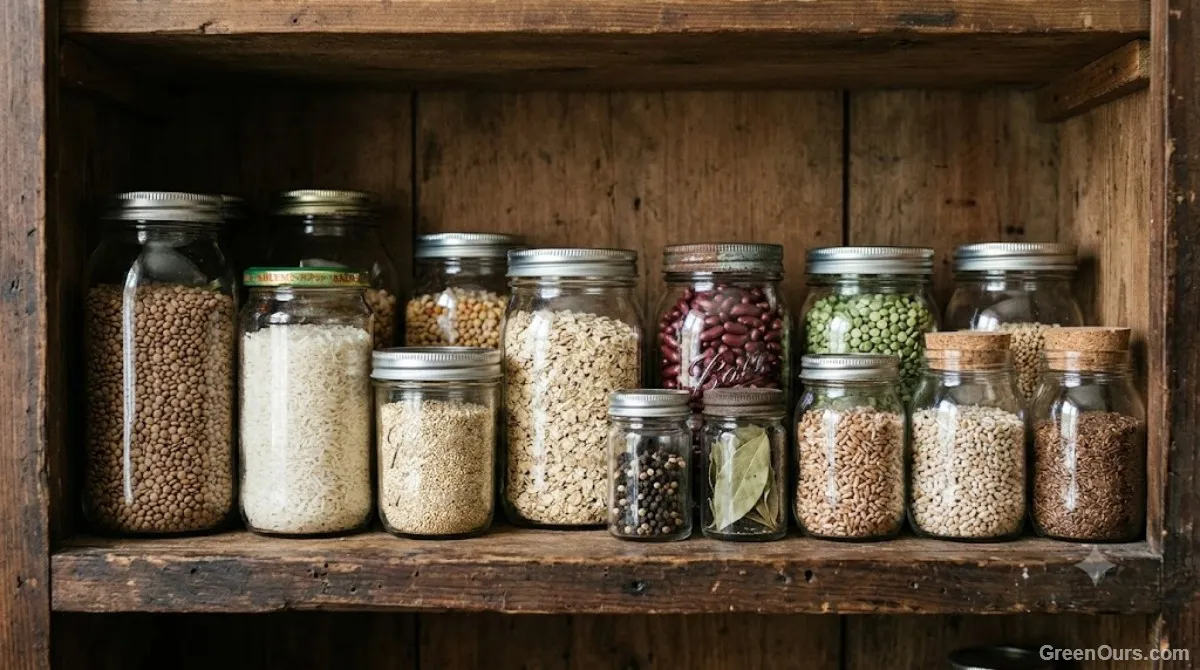
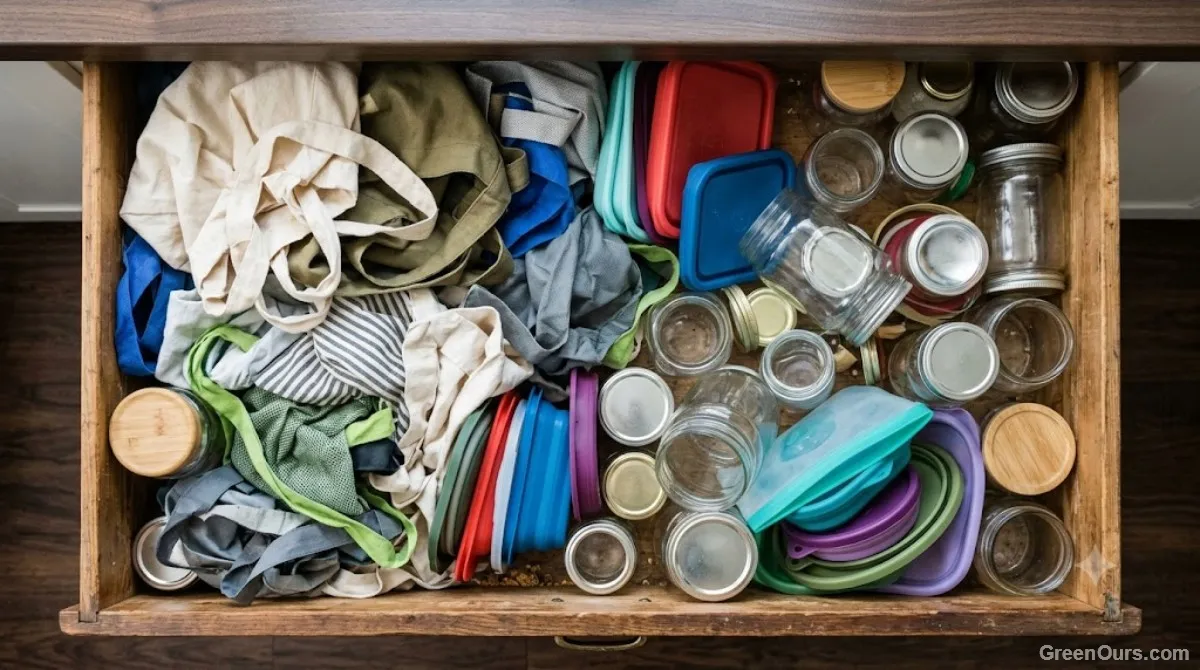
You don't need to reorganize your whole pantry. Start with one habit: shop with a rough plan for the week so less produce goes to waste, and keep a designated spot — a drawer, a basket, whatever you've already got — for the containers and jars you already own so they get used again instead of multiplying in a cupboard.
Room by Room: Where Small Swaps Actually Add Up
The Kitchen
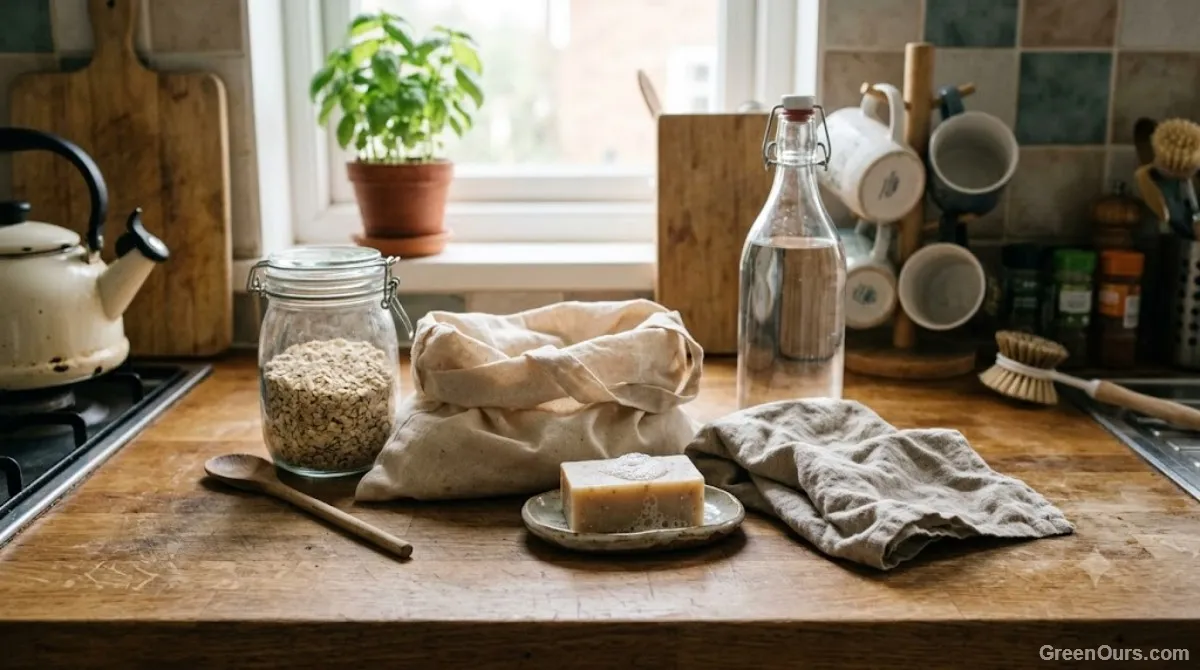
Beyond the shopping habit, look at what you're already repurchasing constantly. Paper towels, cling film, sandwich bags — these are the easiest to swap because you're replacing a habit you already have, not adding a new one. A couple of cloth towels and a set of reusable containers usually cover 90% of what disposable versions were doing.
The Bathroom
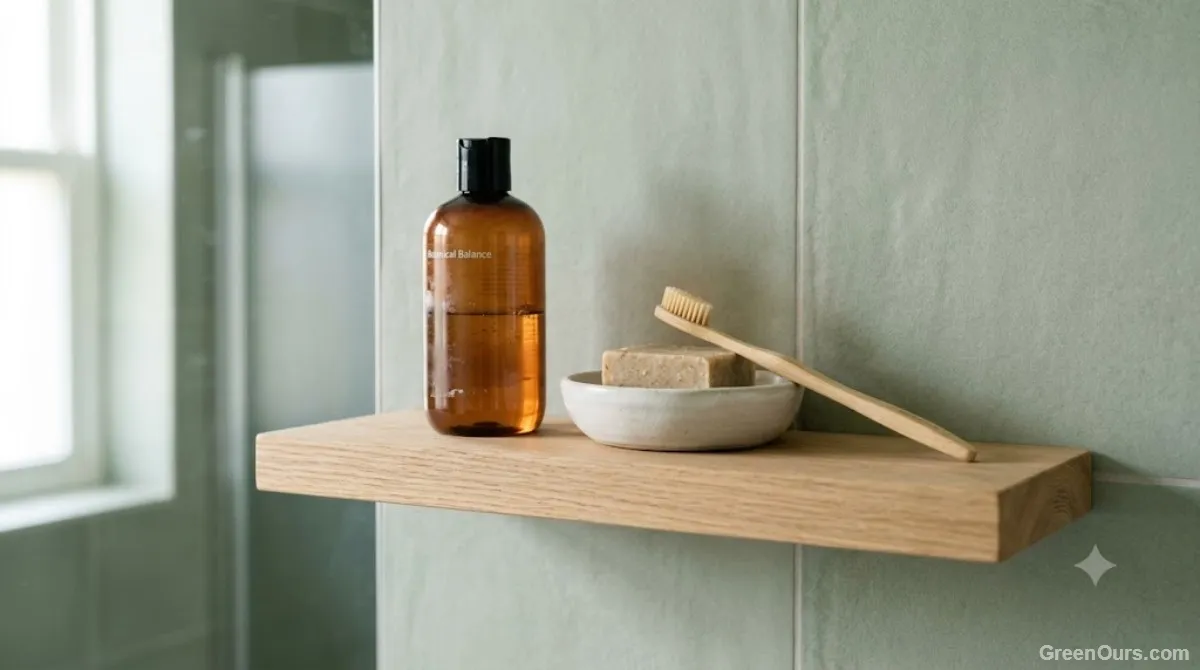
This is where a lot of quiet plastic accumulates — shampoo bottles, razor cartridges, cotton pads. You don't need to replace everything today. When something runs out, that's your natural swap point. Finish the bottle you have, then choose a bar or refill option next time, instead of throwing out something half-used to feel like you've started.
The Laundry Room
Detergent packaging and dryer sheets add up more than people expect. Concentrated or refillable detergent cuts down on plastic jugs significantly, and wool dryer balls last for years instead of getting thrown out every few loads.
The Mistakes Almost Every Beginner Makes
I made most of these myself, so no judgment here. The most common one is buying a full set of reusable gear before you've built the habit to use it — beeswax wraps, glass jars, cloth bags, all purchased in one enthusiastic haul that ends up sitting in a drawer because the old habits were never actually replaced.
The second is treating one slip-up as failure. You forget your bags one trip, so you figure the whole thing isn't working and stop trying. Progress here isn't a streak you can break. It's an average over months, and one plastic bag doesn't erase the previous forty times you remembered.
The third is chasing perfection in categories that barely matter for your household while ignoring the one that does. If your bin is mostly food packaging, buying a fancier reusable water bottle isn't going to move the needle much, even if it feels like progress.
How This Actually Adds Up Over Time
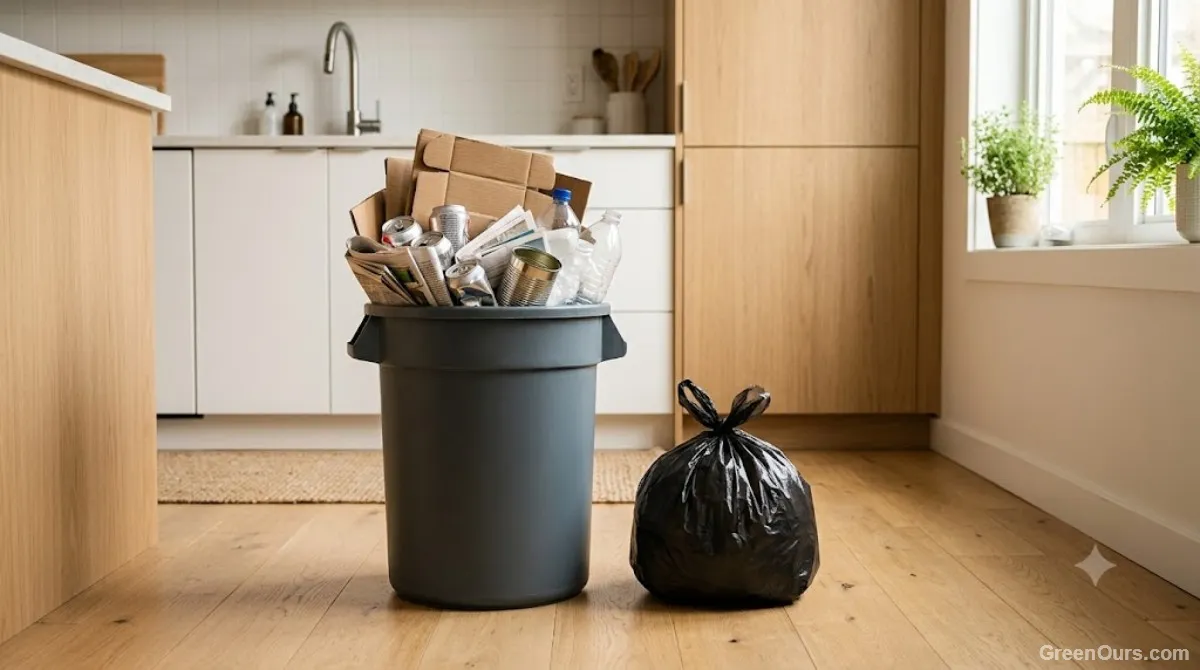
None of this is dramatic in the moment. One swapped product, one skipped bag, one week where the bin's a little lighter than usual. But stack that over three or four months and the difference becomes obvious — fewer trips to take the trash out, less money spent on things you're throwing away half-used, a pantry that actually gets used instead of restocked.
Do a quick version of that original audit every couple of months. Not to grade yourself, just to see what's shifted and what's still worth tackling next. The categories change as your habits do, and that's the whole point — this isn't a one-time fix, it's a routine that gets easier the longer you keep at it.
Ready for the next step? Explore more ways to reduce waste at home.
Your bin was never a scorecard, and it isn't one now. It's just information — a rough map of where your household's habits actually sit, and a pretty reliable guide to what's worth changing first. Start with what you've already learned about your own trash, and let the rest follow at whatever pace actually sticks.