
The Junk Mail You Never Asked For
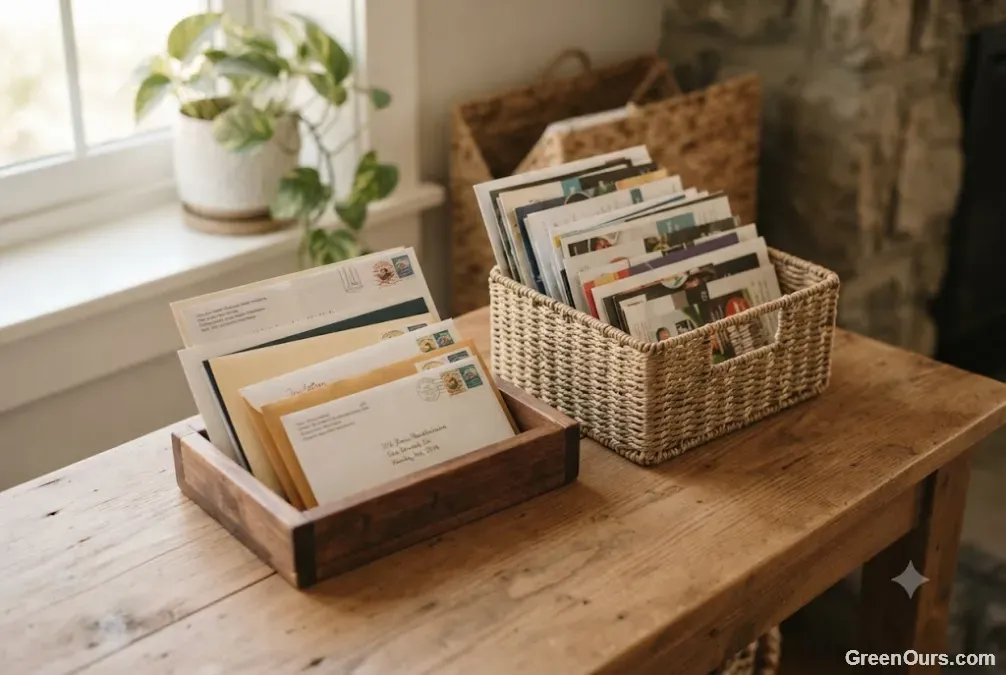
Start with the mail, because it's the easiest one to miss entirely. Credit card offers you'll never open. Catalogs from a store you bought one thing from in 2019. Flyers for services you'll never use, printed on glossy paper that can't even be recycled with your regular paper waste. None of it required a decision from you — it just showed up, and most of it went straight into the bin without a second look.
That's the trick of it. Waste you never chose still counts as waste, and junk mail is one of the biggest sources of household waste that people genuinely don't register, because it never felt like a purchase or a choice in the first place.
The fix here isn't glamorous, but it works: opt out. Most countries have a free registry for cutting down unsolicited mail and catalogs, and individual retailers will remove you from their list if you just ask. It takes maybe twenty minutes total, and it's the rare zero-waste habit that requires effort exactly once instead of forever.
If a piece of mail arrives that you don't remember signing up for, that's your cue to opt out on the spot — don't wait for a "someday" cleanup.
What's Actually Filling Your Recycling Bin
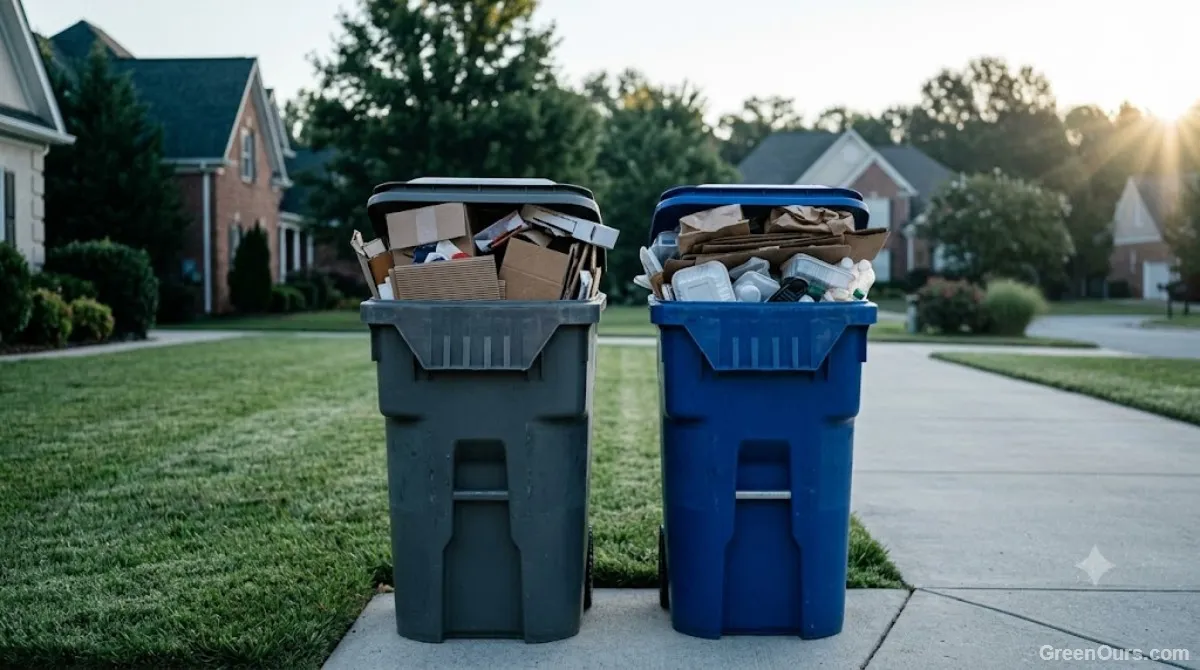
Recycling feels virtuous, which is part of the problem. It's easy to assume that anything landing in the blue bin has been handled responsibly, so packaging waste doesn't register the same way food waste does. But take an honest look at what's actually in there on a given week, and it's rarely one or two big items. It's dozens of small ones — the box your toothpaste came in, the plastic window on a bill envelope, the six tiny containers from a grocery delivery.
A lot of that packaging exists for reasons that have nothing to do with the product itself — shelf appeal, tamper-proofing, shipping durability. You didn't choose it, but you're the one dealing with it. Buying in bulk where you can, choosing concentrated versions of things like cleaning products, and picking retailers with minimal packaging policies all chip away at this stream without asking you to change what you actually use day to day.
The Cleaning Supplies You Toss Without Thinking
Disposable Wipes and Single-Use Sprays
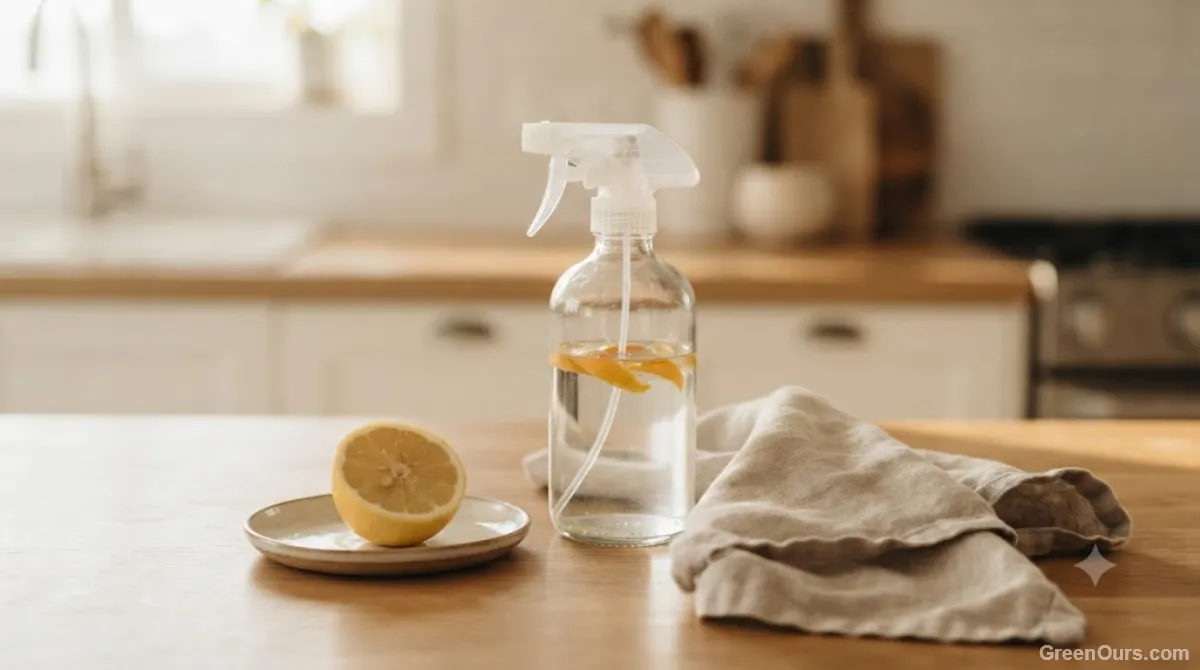
Cleaning wipes are convenient, and I'm not going to pretend otherwise — but they're also designed to be used once and thrown away, which makes them one of the most consistent, invisible waste generators in an average home. Same goes for the plastic spray bottle that gets replaced every time it's empty instead of refilled.
Paper Towels as a Default
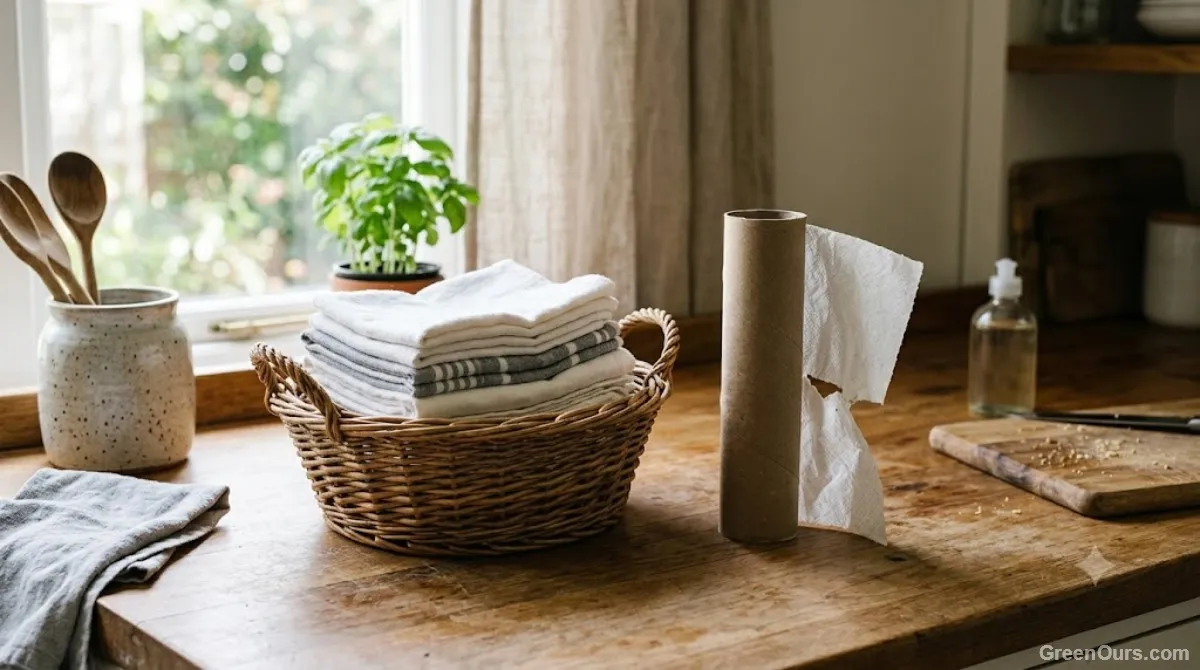
Paper towels fall into the same category. Reaching for one to wipe a counter is such an automatic motion that it doesn't register as a choice, let alone a wasteful one. But a roll disappears fast, and every sheet is single use by design.
None of this means throwing everything out and starting over. Swapping in a few reusable cloths for the jobs you do most often — counters, spills, dishes — cuts into this stream without requiring a full overhaul of how you clean.
Food Waste Hiding in Plain Sight
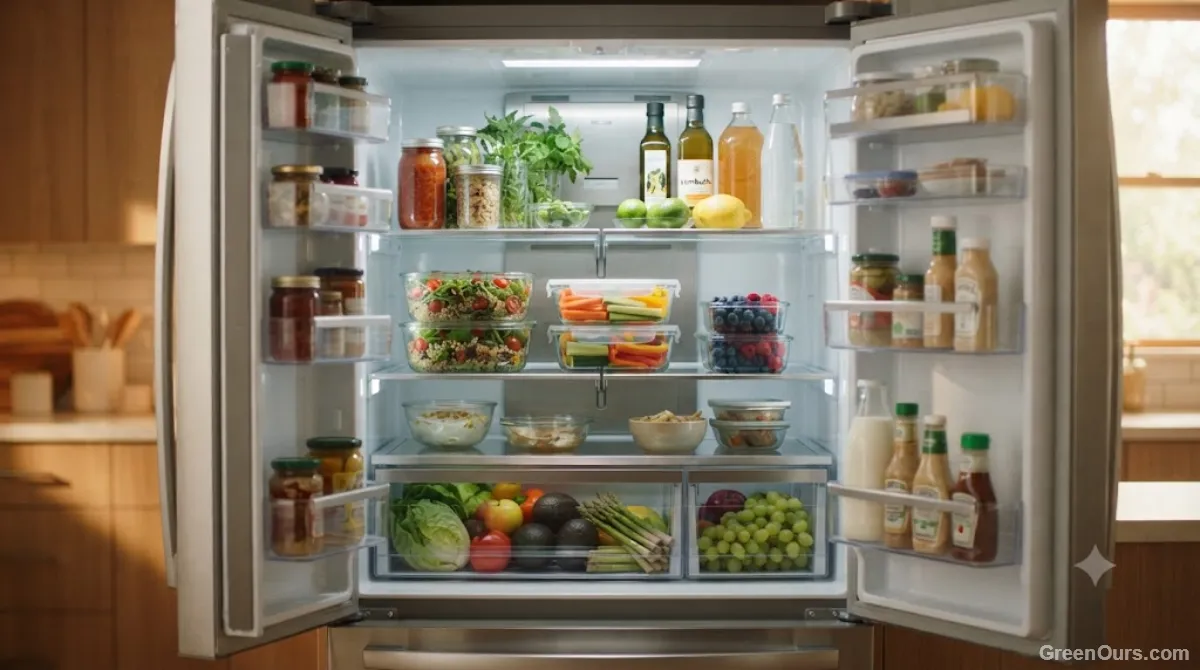
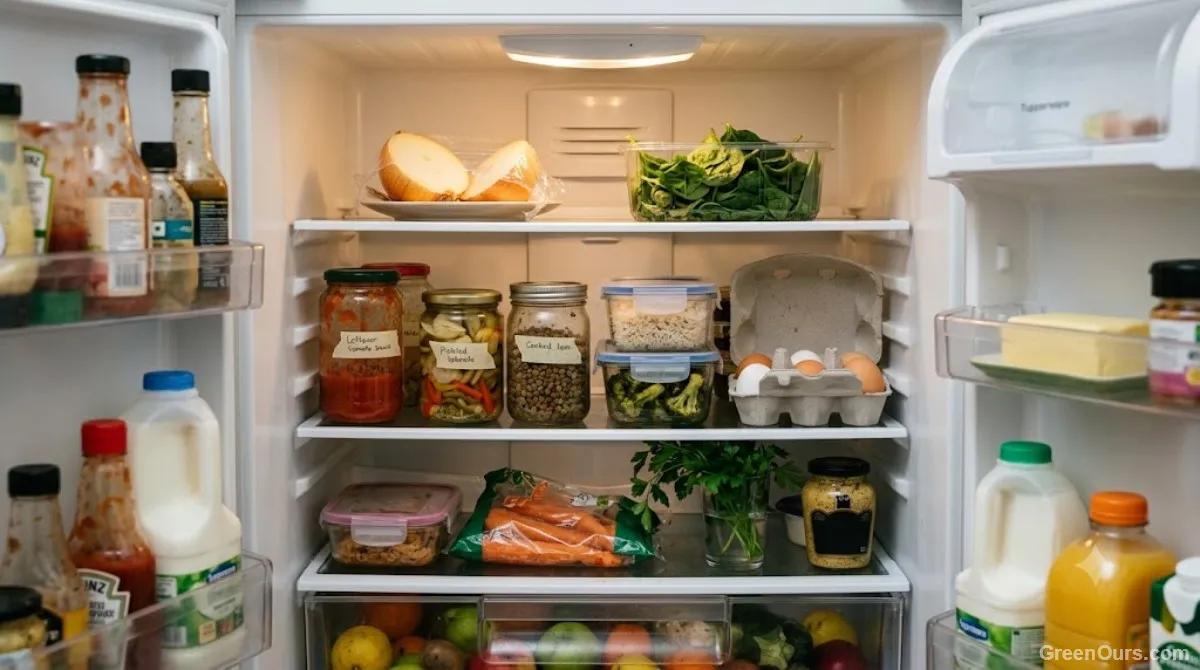
Food waste gets talked about a lot, but usually in terms of obviously spoiled produce or forgotten leftovers. What's sneakier is the stuff that happens before anything goes bad — the extra half onion wrapped and shoved to the back of the fridge, the bread heel nobody eats, the herbs bought for one recipe that wilt before they're used again.
This one's less about buying differently and more about seeing what you already have before you shop again. A five-minute glance in the fridge before a grocery run catches more waste than any specific product swap ever will.
Small Swaps That Actually Add Up
If you're looking for where to start, don't try to fix all of this at once. Pick the stream that annoys you most when you see it in the bin — mine was the mail — and handle that one first. Once it's under control, it stays under control, and you can move to the next thing without it feeling like a full lifestyle overhaul.
Pick one stream and start there — the rest can wait.
None of this is about achieving a spotless bin on trash day. It's about knowing where the waste actually comes from, so the changes you make are aimed at the right thing instead of whatever feels most visible. That's the difference between guilt and actual progress — and honestly, progress is a lot easier to keep up with.