
The Paper You Never Actually Chose
Most of the paper clutter in an average home didn't arrive because anyone asked for it. It arrived because a company assumed you'd want a printed receipt, or because your address ended up on a mailing list years ago and nobody ever took it off. That distinction matters, because it means the easiest wins aren't about willpower — they're about turning off a tap you never turned on to begin with.
Start by noticing, for one week, every piece of paper that comes into your house without you requesting it. Receipts you didn't ask to be printed. Flyers wedged in your door. Catalogs from stores you haven't shopped at in years. That list is your actual starting point, and it's usually longer than people expect.
If you only fix one leak this month, make it your mailing list presence — a single opt-out request often stops years of recurring mail, while a single declined receipt only saves you one piece of paper.
Where to Start: The Stuff That Multiplies Without You Noticing
Junk mail and receipts are the two biggest offenders, and they're also the easiest to cut because you're not attached to either of them.
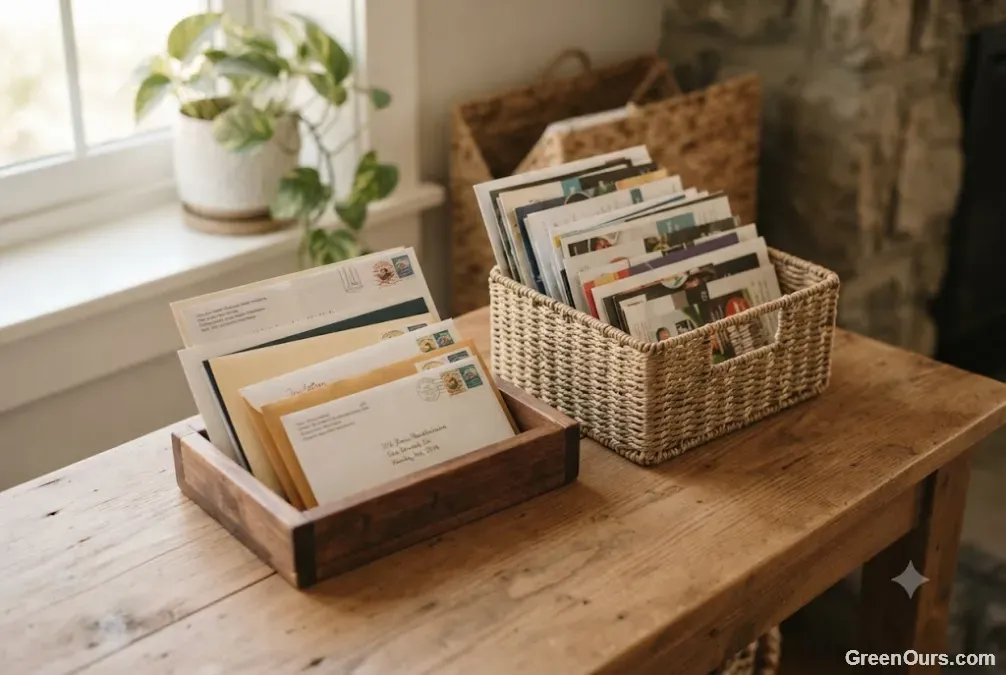
Most catalog and marketing mail comes from a handful of data brokers who resell your address. A single request to a mail preference service can remove you from a large share of these lists within a few months — it's slow, but it compounds. For anything recurring, like bank statements or utility bills, most providers let you switch to paperless in about two minutes through their account settings. You don't have to do it for everything at once. Pick the three pieces of mail you're most tired of seeing and start there.
Receipts
Most registers now ask if you want a receipt before printing one, or offer an email or text option. Saying no by default, and only requesting a printed copy when you actually need it for a return or expense report, cuts this category down fast. If you do keep receipts for tax or warranty purposes, a single labeled envelope or a photo folder on your phone works better than loose paper in a drawer — you'll actually be able to find them again.
What About the Paper You Actually Want to Keep
This is where a lot of zero-waste advice gets a little too tidy, honestly. Some paper isn't clutter — it's useful, or it matters to you, and pretending otherwise just makes the whole effort feel unsustainable.
Notebooks and Printed Documents
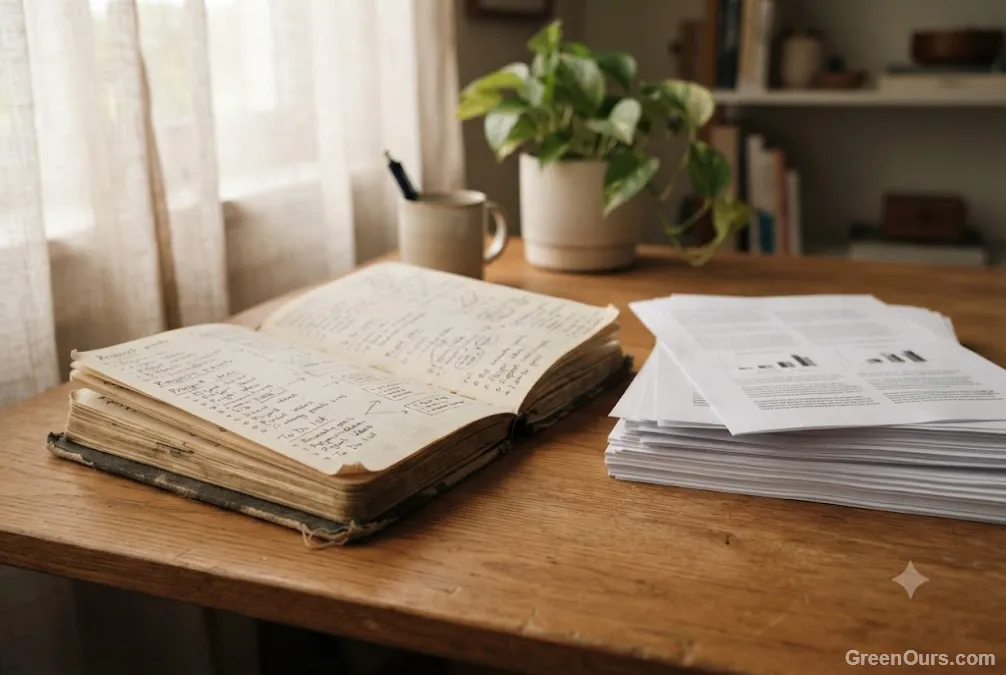
If you genuinely use a paper planner or take notes by hand, keep doing that. The goal isn't a paperless household — it's fewer duplicates and less paper that exists only because printing felt like the default. Before printing a document, ask whether you'll actually need the physical copy in six months. If the answer is no, save it as a PDF instead. For documents you do print regularly, buying recycled paper closes the loop a little further without changing your habits at all.
Kids' Artwork
This one gets me every time. You cannot keep every piece of construction paper macaroni art without eventually needing a second house for it. A rotating display — a clip line, a corkboard, a single drawer with a size limit — lets you enjoy the art without the guilt of throwing it away later. When a new piece comes in and the display is full, something rotates out. Photographing a few favorites before they go is a decent middle ground if the idea of tossing any of it still feels wrong.
What Actually Makes a Difference
Not every paper habit carries equal weight. Stopping recurring junk mail and switching a few bills to paperless will do more over a year than carefully rinsing and recycling every receipt you get. If you're short on time or patience, put your effort into the recurring stuff first — the wins there keep paying off without you having to think about them again.
Recycling still matters for whatever paper does come through, but it's worth remembering that recycling is the fallback, not the goal. Paper that never arrives doesn't need a bin at all.
If You Only Do One Thing
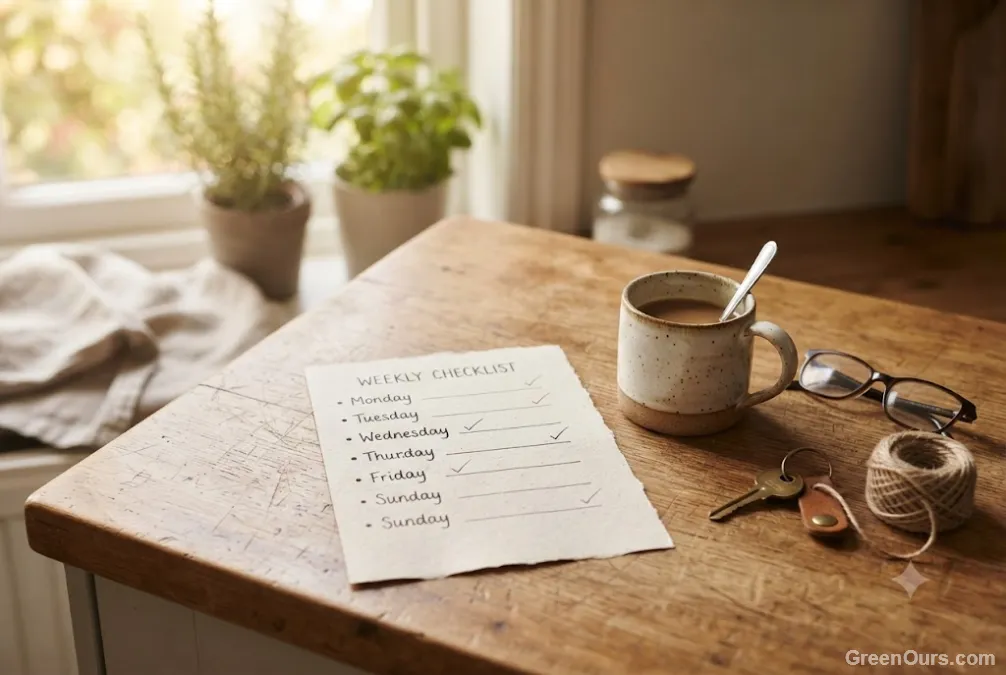
Pick one recurring source of paper — one subscription, one bill, one mailing list — and deal with it this week. Not all of them. One. The habit of noticing what's optional is more useful long-term than any single fix, and it's a lot easier to keep up with than an all-or-nothing paperless overhaul you'll probably abandon by March.
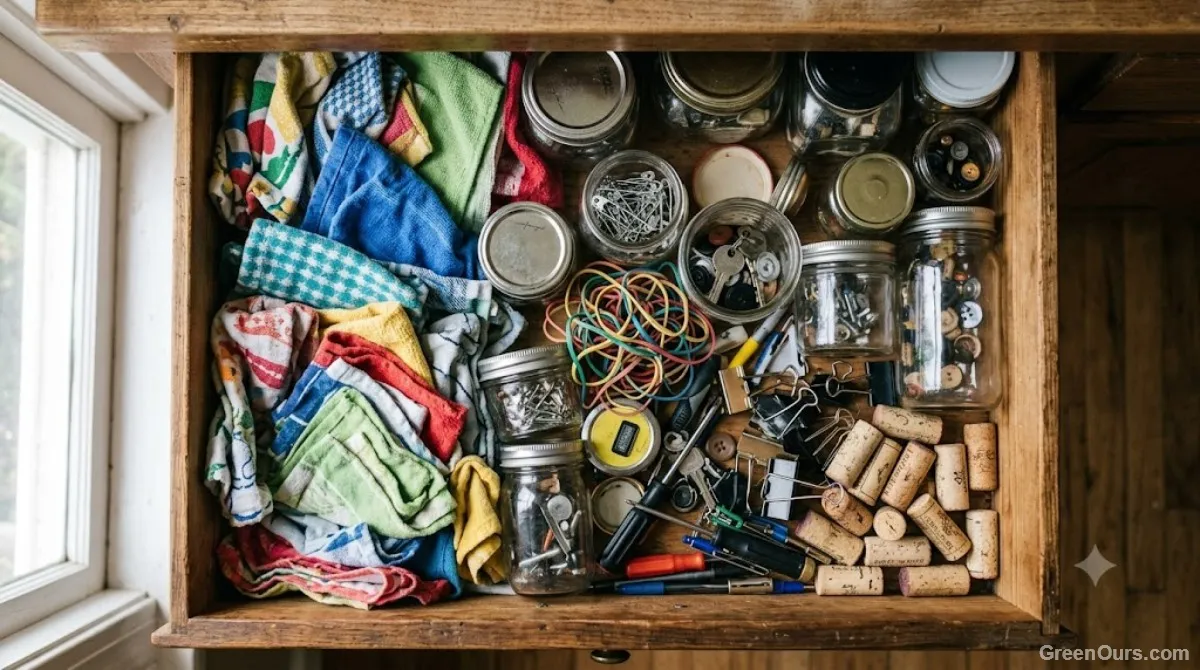
My drawer still has paper in it. There's a takeout menu I keep meaning to toss and a stack of my kid's drawings I haven't rotated out yet. That's fine. The point was never an empty drawer — it was a drawer that stopped filling up faster than I could deal with it, and that part actually worked.
More small waste swaps that don't require perfection:
10 Easy Swaps to Start Today