
What Does "Green Living" Actually Mean?
At its core, green living means making choices that are a little kinder to the environment. That could mean using less plastic, wasting less food, saving energy, or just buying less stuff in general.
The important thing to understand is that green living isn't all-or-nothing. You're not failing if you still use plastic sometimes or forget your reusable bag. Every small change adds up — especially when millions of people make them.
So don't let perfection stop you from starting. Even one swap today is better than waiting until you can do everything perfectly.
10 Green Living Swaps Anyone Can Start Today
1. Ditch the Plastic Water Bottle
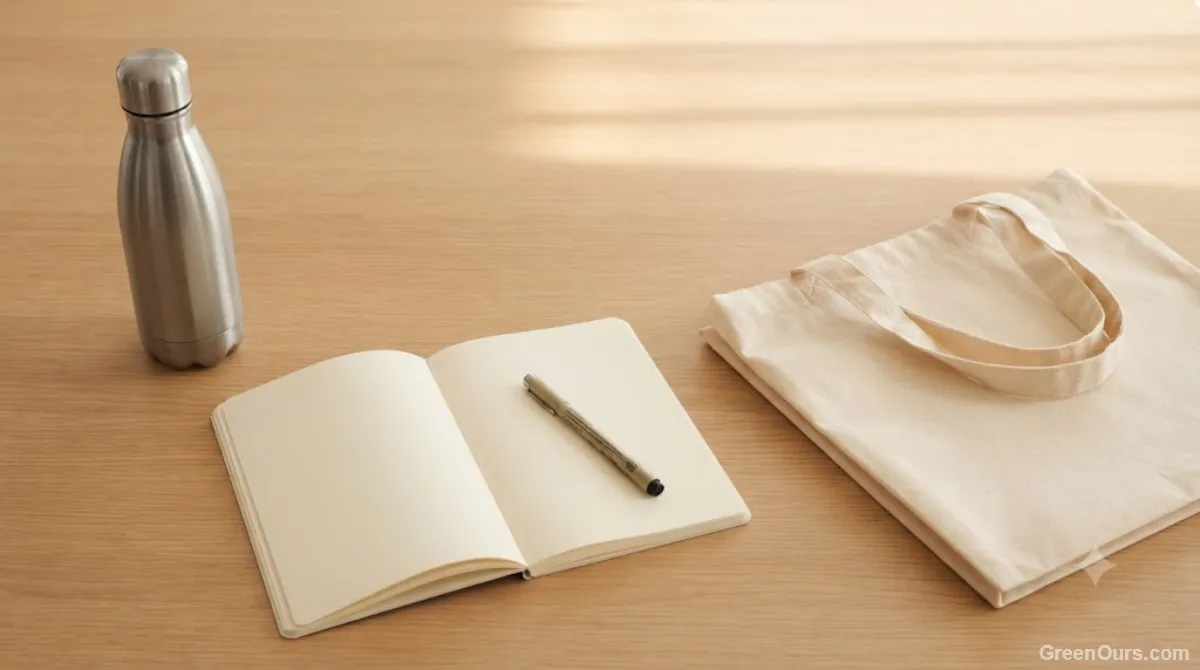
This is the first swap almost everyone makes — and for good reason. A reusable water bottle is cheap, lasts for years, and removes one of the most common single-use plastics from your daily routine.
Stainless steel bottles keep water cold for hours, which honestly makes drinking water more enjoyable. Once you have one you love, you'll wonder why you ever bought single-use bottles.
One tip: Put it somewhere visible — on your desk, by your keys, in your bag. Out of sight really does mean out of mind with this one.
2. Keep a Tote Bag Near the Door
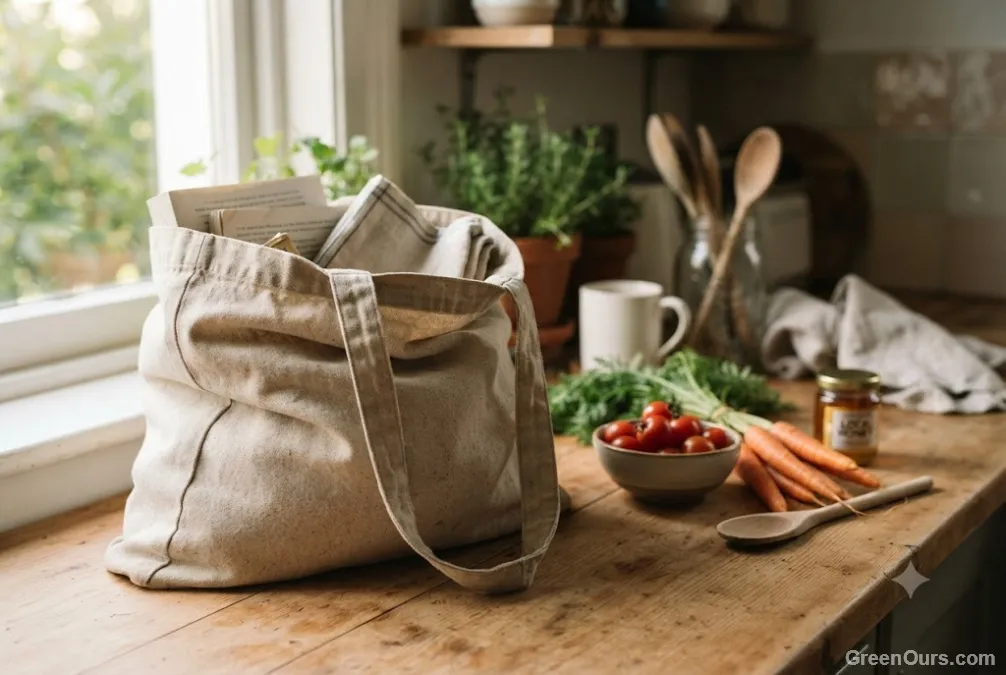
Reusable shopping bags are one of those things everyone already owns but somehow never remembers to bring. The fix is annoyingly simple: hang them by the front door, or keep one folded in your everyday bag.
You don't need anything fancy. An old cotton tote, a sturdy bag-for-life, even a backpack — all of it works. The goal is just to have something with you so you're not reaching for a plastic bag at the checkout.
3. Try a Shampoo Bar (Seriously, They're Good Now)
This one gets a lot of eye-rolls from beginners, but bear with me. Shampoo bars have genuinely improved over the last few years. They lather well, they last twice as long as a bottle, and they come without the plastic packaging.
Start with one bar from a brand with good reviews and give it two to three weeks — your hair needs a short adjustment period. Most people who try it don't go back.
Bonus: Bar soaps for your hands and body are the same deal — less plastic, often cheaper per wash.
4. Start Composting (Even in a Small Space)
Food waste is a bigger environmental problem than most people realize. When organic matter like fruit peels and vegetable scraps end up in a landfill, they break down without oxygen and release methane — a greenhouse gas far more potent than CO₂.
Composting at home gives those scraps a better purpose: they become rich fertilizer for your plants or garden.
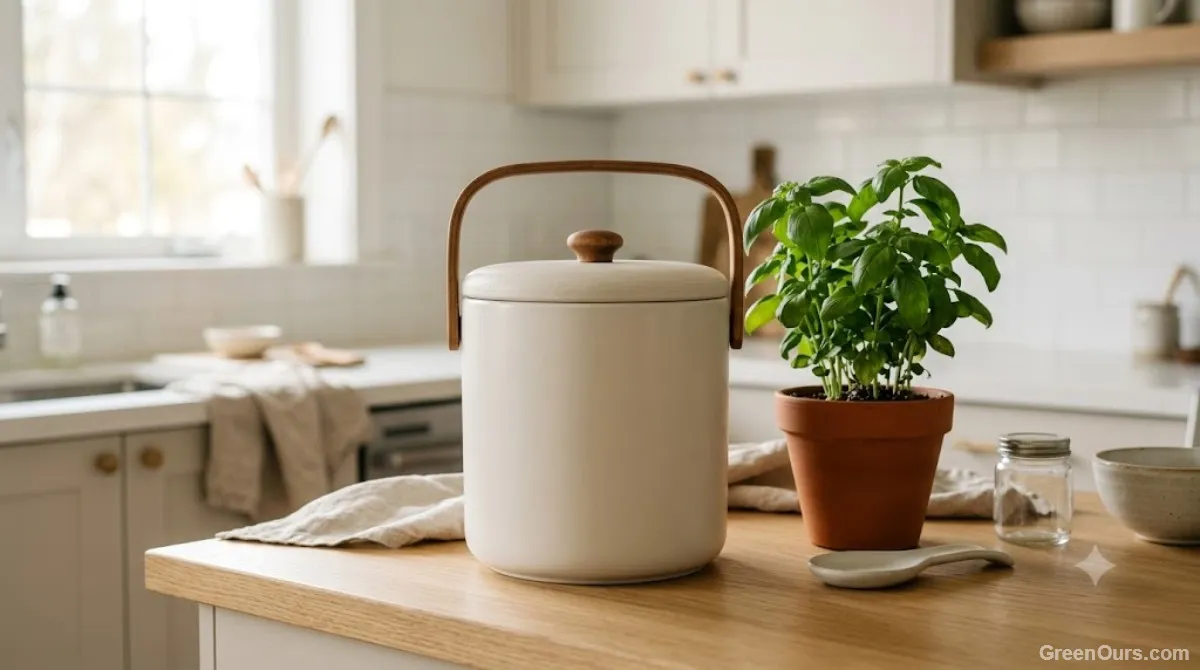
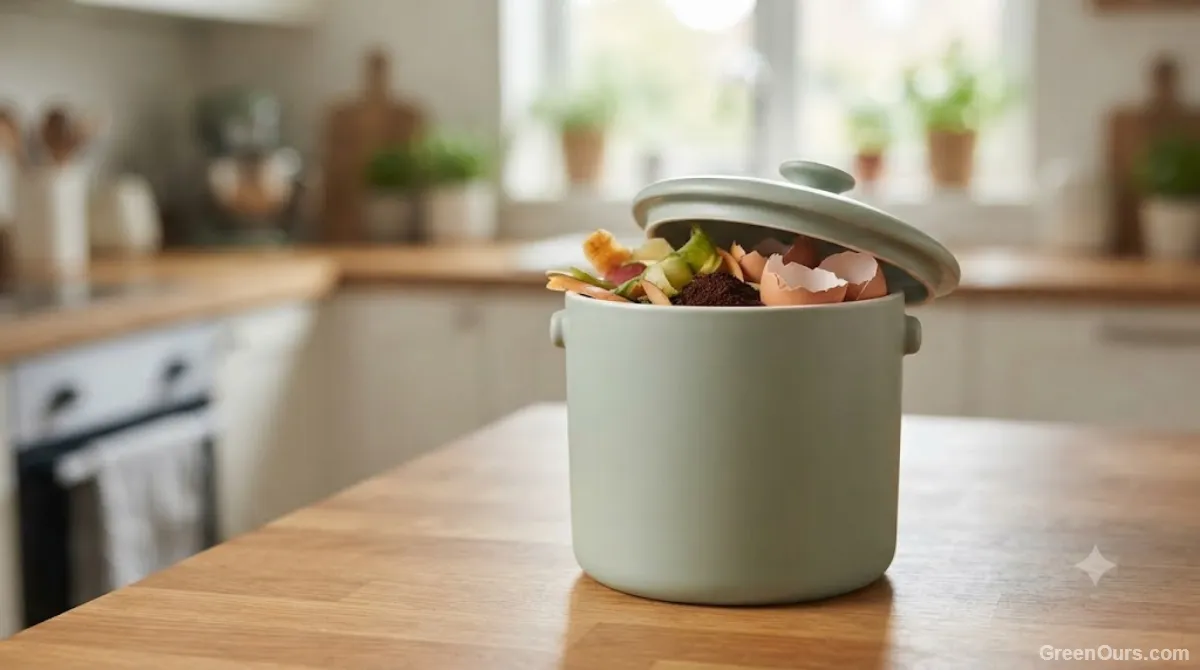
You don't need a yard. A small countertop bin handles vegetable peels, coffee grounds, eggshells, and fruit scraps just fine. Some cities even have community compost collection if you don't want to manage it yourself.
5. Try One or Two Meat-Free Days a Week
You don't have to become vegetarian. But if you're looking for one change that has a measurable impact, reducing how often you eat meat — especially beef — is near the top of the list.
Livestock farming accounts for a significant share of global greenhouse gas emissions, and beef in particular requires enormous amounts of land and water to produce.
"Meatless Monday" is a real thing because it works as a habit. Pick a day, try a simple plant-based meal — a vegetable curry, a lentil soup, eggs on toast — and see how it goes. It doesn't have to be complicated.
6. Unplug Things You're Not Using
This one costs you nothing and actually saves you money. Many electronics — TVs, phone chargers, microwaves, game consoles — draw a small but constant amount of power even when switched off. It's called "standby power," and across a whole household, it adds up.
Get into the habit of unplugging chargers when your devices are full, and switching off power strips at night. Your electricity bill will thank you.
7. Replace Paper Towels with Reusable Cloths
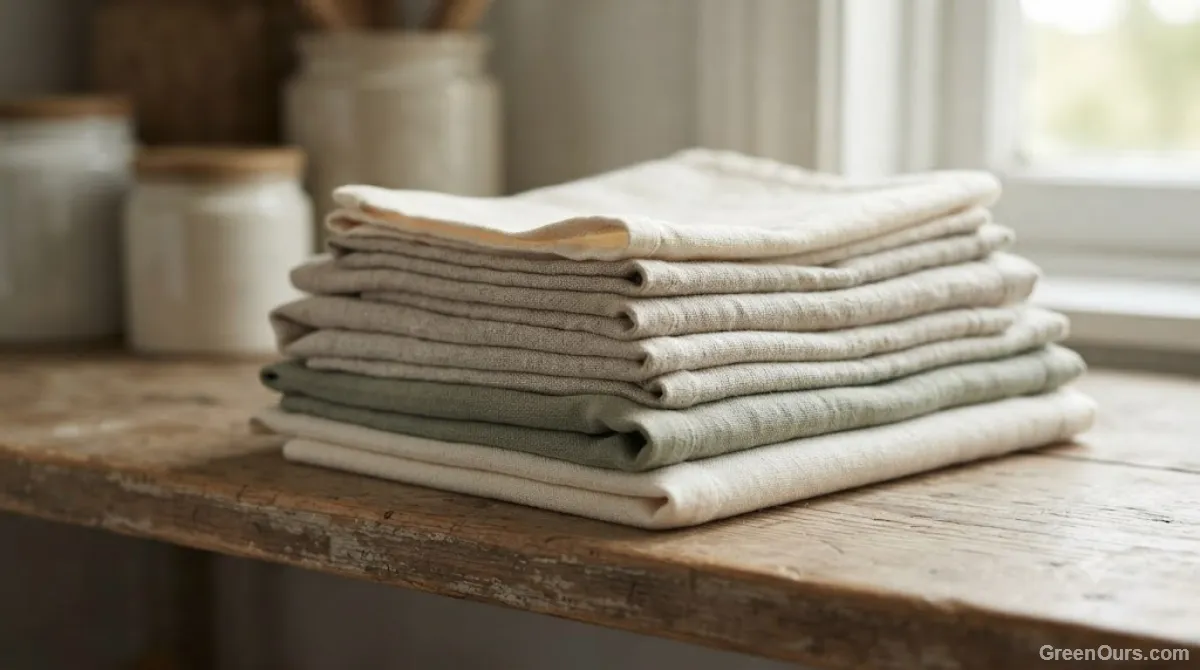
Paper towels are used once and thrown away, but they're so ingrained in kitchen routines that most people never question them. The swap is simple: a stack of small cotton cloths (cut-up old t-shirts work perfectly) does exactly the same job.
Keep a small basket on the counter for used ones and toss them in with your regular laundry. It takes about a week to adjust, and then you genuinely stop noticing.
8. Buy Second-Hand Before Buying New
Before you buy something new — clothes, furniture, books, kitchenware — take five minutes to check if you can find it second-hand first. Local markets, charity shops, and second-hand apps have made this easier than ever.
Buying used means the item doesn't get thrown away, and no new resources are used to make a replacement. It's also almost always cheaper.
This habit doesn't mean buying everything second-hand — just making it your first check rather than your last resort.
9. Grow Something at Home
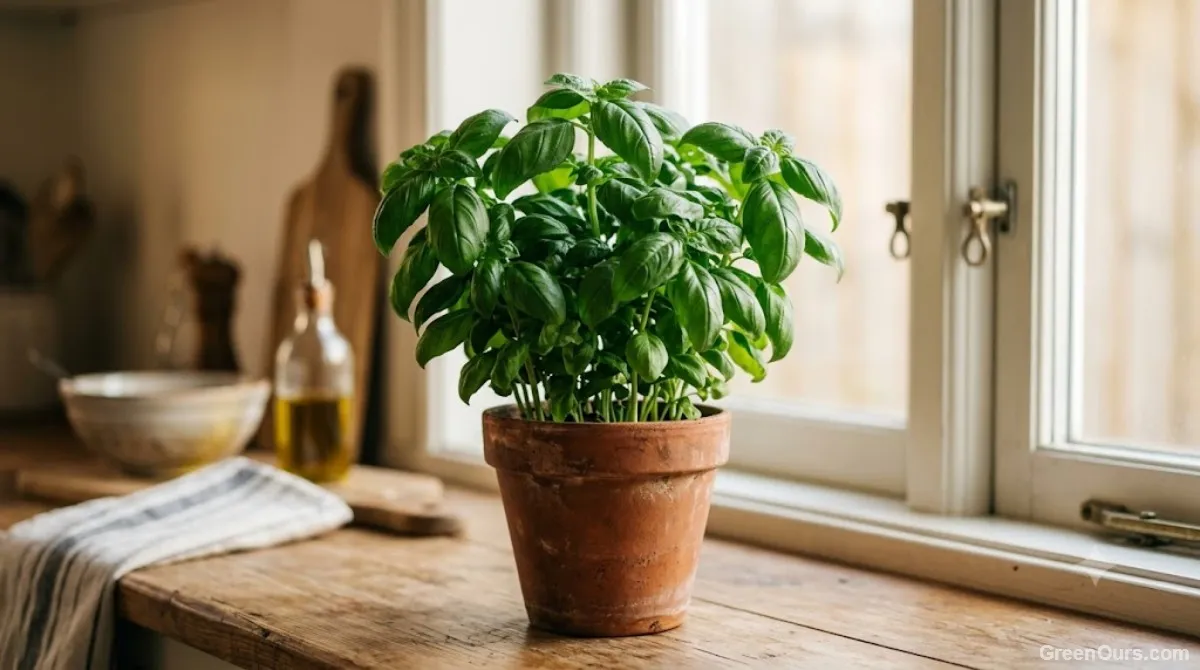
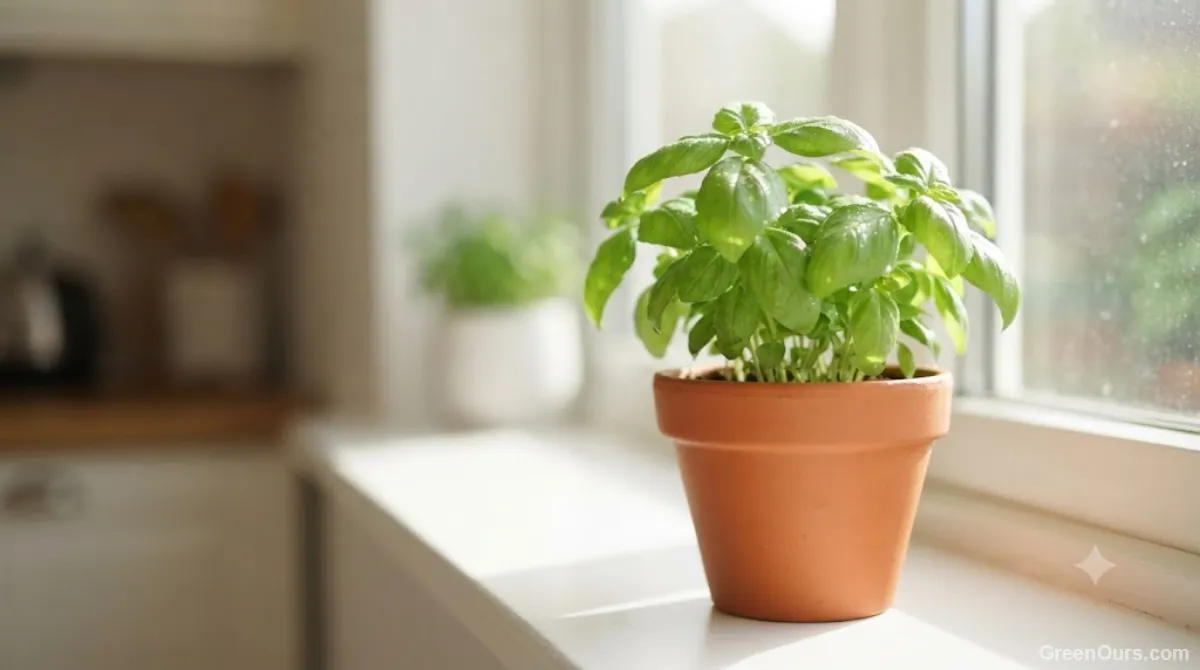
You don't need a garden. A pot on a windowsill is enough to grow basil, mint, spring onions, or chili. Even one small plant connects you to the idea of growing your own food — and that shift in mindset tends to snowball in a good way.
Home-grown herbs also mean less plastic packaging from the supermarket and fresher flavor in your cooking. It's a small thing that feels surprisingly satisfying.
10. Switch to Eco-Friendly Cleaning Products
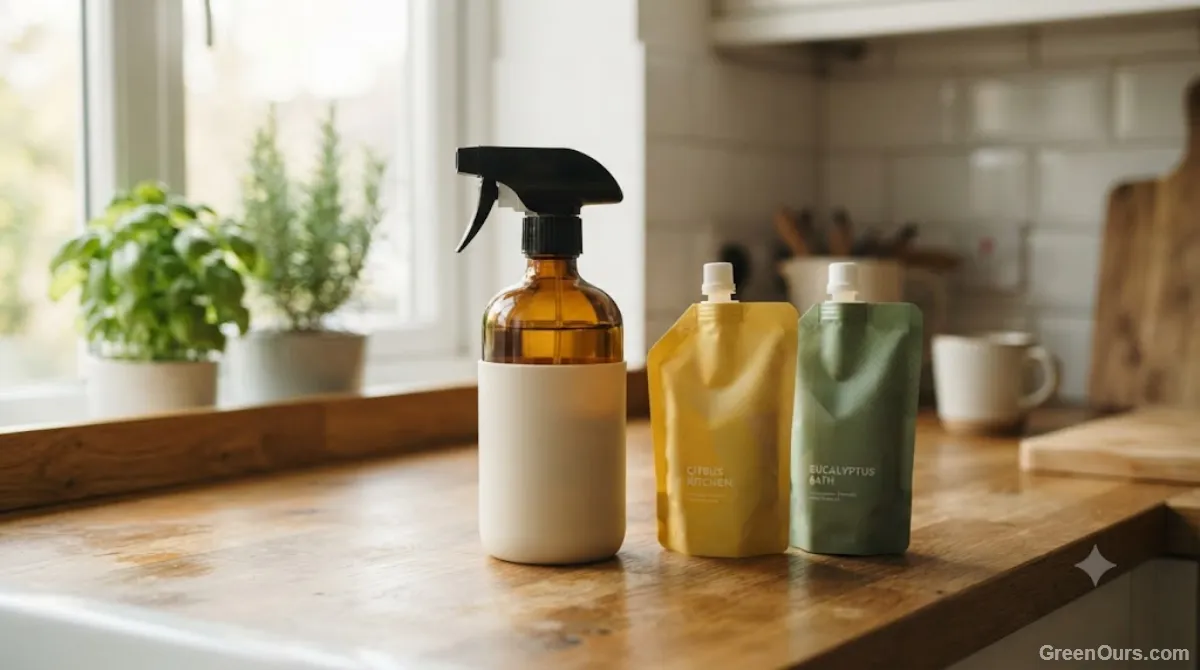
Conventional cleaning sprays, dishwashing liquids, and detergents often contain chemicals that are harmful to waterways and aquatic life. Plant-based alternatives clean just as well and are much gentler on the environment.
Look for products labeled as biodegradable, phosphate-free, or certified by an eco-label. Many are now available in concentrate form, which means less plastic per bottle too.
A Realistic Note on Getting Started
The biggest mistake beginners make is trying to do everything at once. You buy the reusable bags, the beeswax wraps, the bamboo toothbrush, the compost bin — and then feel overwhelmed and give up.
A better approach: pick two or three things from this list that feel natural to you and focus on those until they become habits. Then add more.
Also — replace things as they run out, not before. There's no point throwing away a half-used bottle of shampoo to switch to a bar. Wait until it's empty, then make the swap. That's actually the more sustainable choice anyway.
Where to Start
Green living isn't a destination you arrive at. It's just a way of paying more attention — to what you buy, what you waste, and what you could do a little differently.
Start with one swap. Build from there. You'll be surprised how quickly small habits stack up into something that feels genuinely meaningful.