
The Mistake Most Eco Friendly Swaps Lists Make
Most eco-swap advice starts with a shopping list. Buy the bamboo utensils, the glass containers, the matching set of cloth bags — and somewhere in the excitement, you've spent more money replacing things that still worked than you would have spent just using them up. That's not a swap. That's just new consumption wearing a green label.
The swaps that actually save money follow a simpler rule: you replace something when it wears out, runs out, or breaks — not before. The savings come from what you stop buying over and over, not from what you buy once to feel better.
Before buying anything on this list, check what you already own. A swap only saves money if it replaces a repeat purchase, not a perfectly good item currently sitting in your cabinet.
How the Savings Actually Add Up
To evaluate whether a swap is financially worthwhile, look at the upfront cost versus the recurring cost avoided over time. Savings vary based on household size, personal consumption habits, and regional utility prices:
| Swap Category | Upfront Cost | Recurring Cost Avoided | Typical Payback Horizon |
|---|---|---|---|
| Fast-Payback Bathroom | Low ($2 - $15) | Monthly disposables & toiletries | 1 to 3 months (varies by usage) |
| Fast-Payback Kitchen | Low ($0 - $20) | Plastic wrap, paper goods & bottled drinks | 1 to 4 months (varies by household) |
| Cleaning & Laundry | Low ($0 - $15) | Paper towels, single-use bottles & dryer energy | 1 to 2 months (varies by routine) |
| Slower-Payback Upgrades | Moderate ($15 - $100+) | Batteries, specialized filters & utility bills | 6 to 24 months (varies by utility rates) |
The Fast-Payback Swaps: Start Here
These are the ones that typically pay for themselves within a few months, because they replace something you'd otherwise be buying repeatedly.
Bathroom Swaps (1–12)
- Bar soap instead of bottled body wash — no pump mechanism to clog, and depending on usage and soap dish drainage, one bar can outlast multiple bottles.
- Shampoo bars instead of bottled shampoo — concentrated formulations eliminate water weight, often providing more washes per dollar.
- Reusable cotton rounds instead of disposable pads — wash and reuse for years rather than purchasing single-use cotton pads monthly.
- Safety razor instead of disposable cartridges — replacement double-edge blades cost cents compared to expensive multi-blade cartridges.
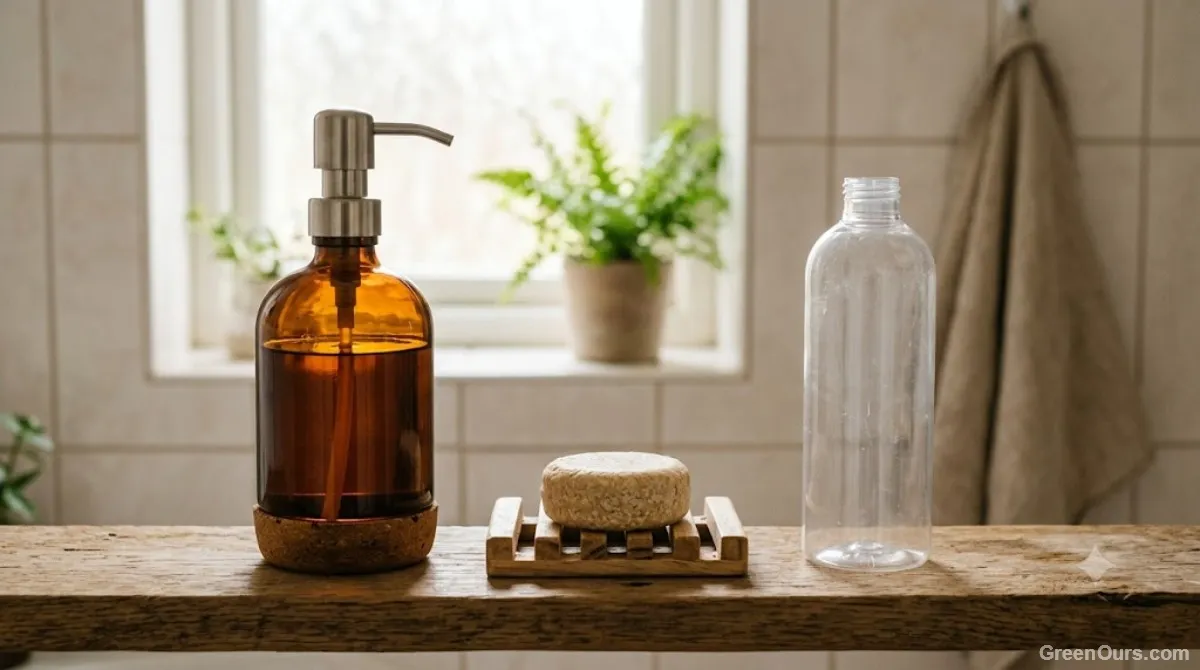
- Refillable soap dispensers filled from bulk pouches or tablets, which lower the per-ounce cost compared to individual pumps.
- Silicone travel bottles instead of buying miniature single-use toiletries for every trip.
- Refillable dental floss holders instead of discarding a new plastic container every time you run out.
- Cloth washcloths or flannel wipes instead of single-use disposable makeup wipes.
- Menstrual cup or reusable pads — substantial multi-year savings compared to recurring monthly disposable purchases.
- Toothbrush with a replaceable head instead of throwing away the entire plastic handle every few months.
- Bidet attachment — reduces overall household toilet paper consumption over the course of the year.
- Solid conditioner bars — long-lasting and eliminates plastic packaging costs.
Kitchen Swaps (13–25)
- Reusable beeswax or silicone wraps instead of disposable plastic cling film.
- Glass jars you already own (from sauce or pickles) instead of buying matching glass storage sets.
- Cloth napkins instead of paper napkins bought every grocery run.
- Reusable coffee filter or fine-mesh cone instead of single-use paper coffee filters.
- Silicone stretch lids instead of wrapping leftovers in plastic wrap or aluminum foil.
- French press or reusable pod filter instead of single-use coffee pods.
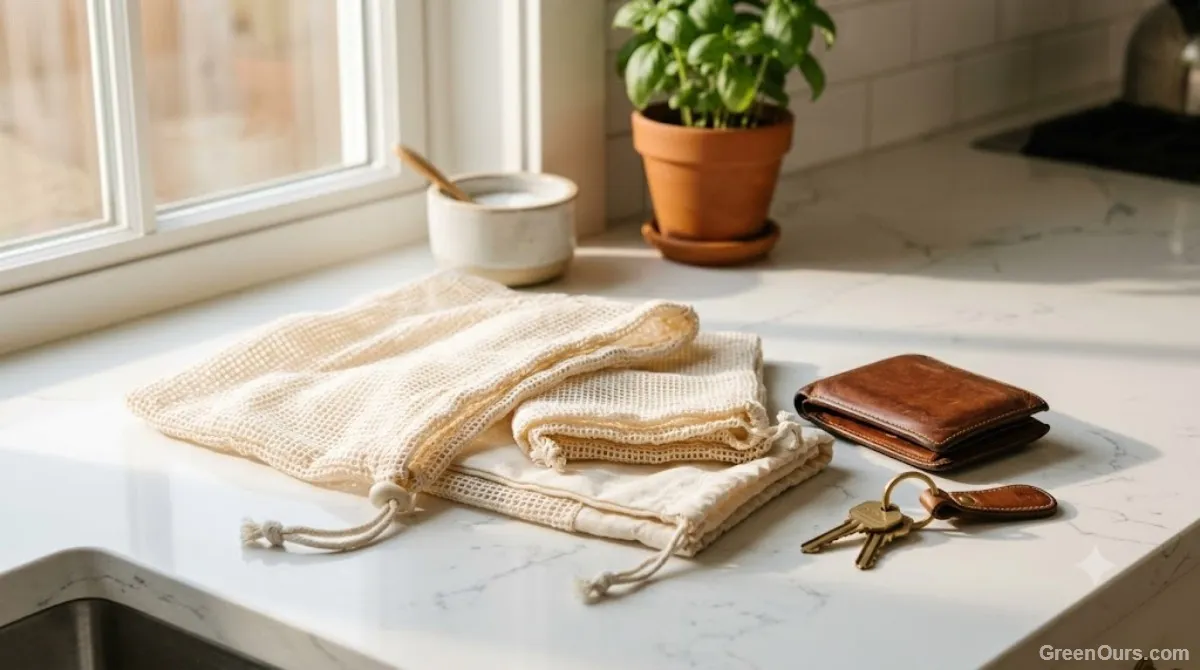
- Cloth produce bags instead of thin plastic produce bags at grocery checkout.
- A reusable straw, but only if you frequently use straws — otherwise skip buying one entirely.
- Buying staples in bulk bins using your own bags to lower unit price packaging costs.
- Durable reusable water bottle instead of cases of disposable bottled water.
- Swedish dishcloths instead of conventional synthetic sponges that break down quickly.
- Loose-leaf tea with an infuser instead of individually wrapped single-use tea bags.
- Silicone baking mats instead of disposable parchment paper rolls.
Cleaning & Laundry Swaps That Add Up
These choices eliminate smaller, recurring maintenance expenses that quietly add up across monthly household budgets.
Cleaning Swaps (26–35)
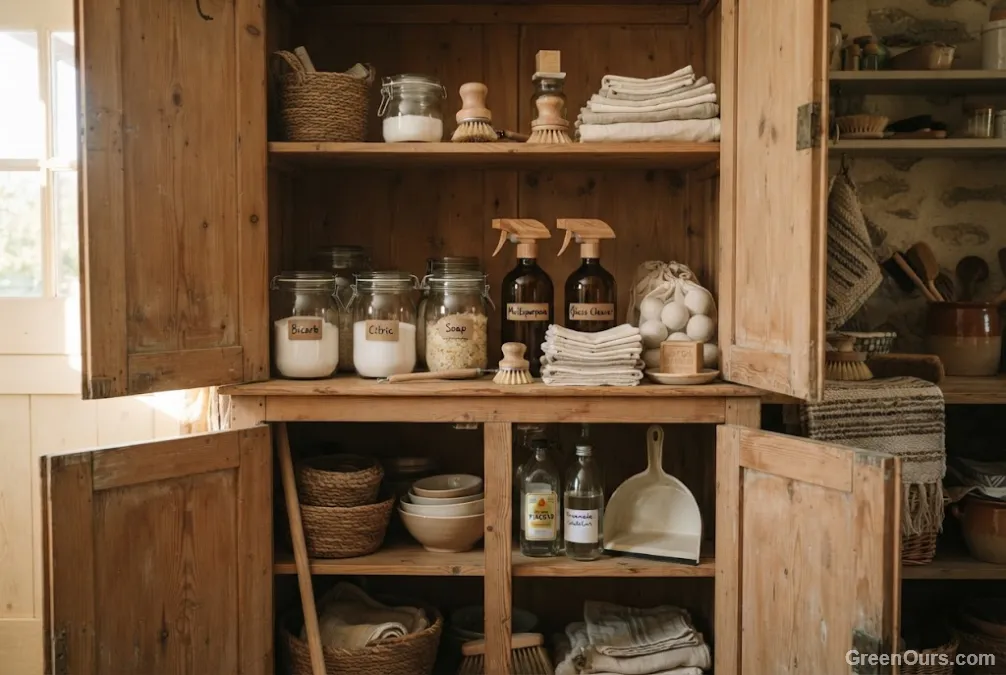
- Concentrated cleaner refills instead of buying a brand-new plastic spray bottle for every cleaning cycle.
- Microfiber or lint-free cotton cloths instead of paper towels for general dusting and everyday spills.
- Mop with washable pads instead of disposable floor wiping sheets.
- White vinegar and baking soda for routine surface cleaning tasks instead of specialized aerosol sprays.
- Refillable dish soap containers or bulk tablets instead of small individual bottles.
- Dish brush with a replaceable head so you only swap out worn bristles rather than the entire handle.
- Shower squeegee to keep glass doors clear and minimize reliance on chemical glass spray and paper towels.
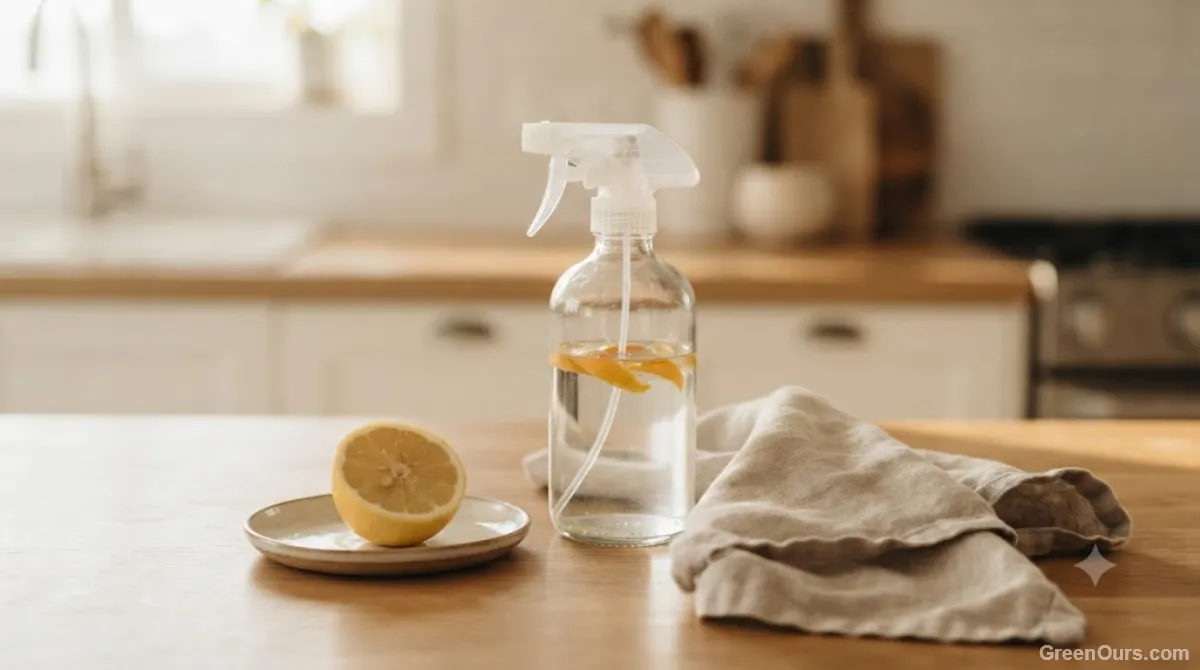
- Reusable glass or heavy-duty spray bottle refilled from low-waste cleaning concentrates.
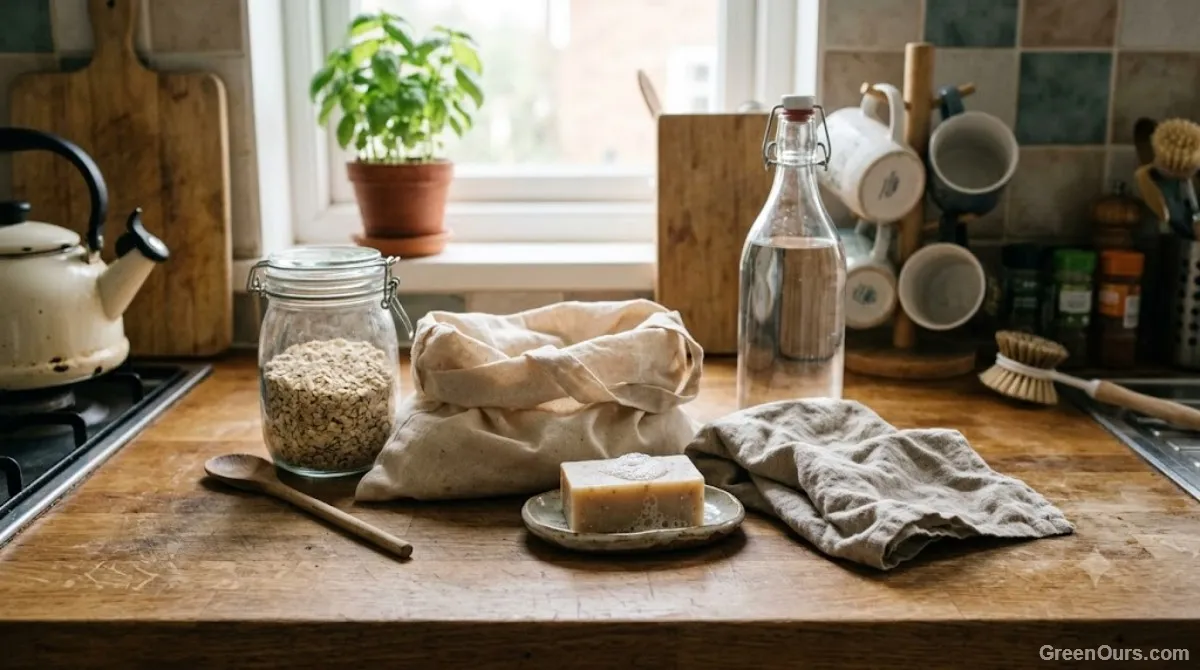
- Solid bar dish soap instead of bottled liquid soap.
- Old t-shirts or worn towels cut into rags instead of disposable paper cleaning rolls.
Laundry Swaps (36–40)
- Cold water washing cycles — lowers domestic water-heating energy usage significantly over a year.
- Concentrated detergent sheets or powder instead of heavy liquid detergent jugs filled mostly with water.
- Air-drying rack or clothesline to cut down machine dryer run-time and electricity bills.
- Mesh laundry bags to protect delicate fabrics and prevent premature garment wear.
- Wool dryer balls instead of single-use dryer sheets or liquid fabric softeners.
The Slower-Payback Swaps (41–50)
These options require a higher upfront investment, but yield consistent long-term payback over years of extended use.
- Reusable water filter pitcher instead of purchasing cases of single-use bottled water.
- Rechargeable AA/AAA batteries with charger instead of repeatedly buying single-use alkaline batteries.
- LED light bulbs — slightly higher cost per bulb upfront, but significantly lower long-term power draw and extended lifespan.
- Programmable or smart thermostat to optimize automatic heating and cooling schedules.
- Door draft stoppers and weatherstripping to prevent heat loss and lower utility demands.
- High-grade insulated stainless steel bottle built to last for years rather than disposable alternatives.
- Home compost bin — may lower municipal waste fees in areas with pay-per-bag trash collection.
- Walking, cycling, or transit for short errands to cut down on short-distance car fuel consumption.
- Repairing appliance components (such as vacuum belts or washer seals) rather than replacing entire units at the first fault.
- Low-flow showerhead — lowers hot water energy costs while maintaining effective water pressure.
How to Prioritize Without Trying to Do All 50 at Once
You don't need a plan for all fifty. You need one honest question: what am I already buying, again and again, without thinking about it? Start there. If you're refilling a soap bottle every month, that swap matters more than anything on the slow-payback list. If you barely use your dryer, dryer-related swaps aren't worth your energy yet.
Let things wear out naturally before replacing them. A swap made too early just adds cost and clutter — the opposite of what you're going for.
The Habit That Quietly Cancels Out the Savings
The biggest way people undo these savings is by buying too many "eco" versions of the same thing — three tote bags because each one was cute, a drawer of half-used bar soaps because a new scent looked nice. Reusable only saves money if you actually reuse it, over and over, for a long time. One good version of each thing, used until it's genuinely done, beats a collection every time.
More low-pressure ways to save and live lighter.
None of this requires a full lifestyle overhaul, and it definitely doesn't require guilt if you only get through a handful of these swaps this year. Pick the ones that match what you're already buying too often, let the rest wait, and let your bank account be the proof that this was worth doing.