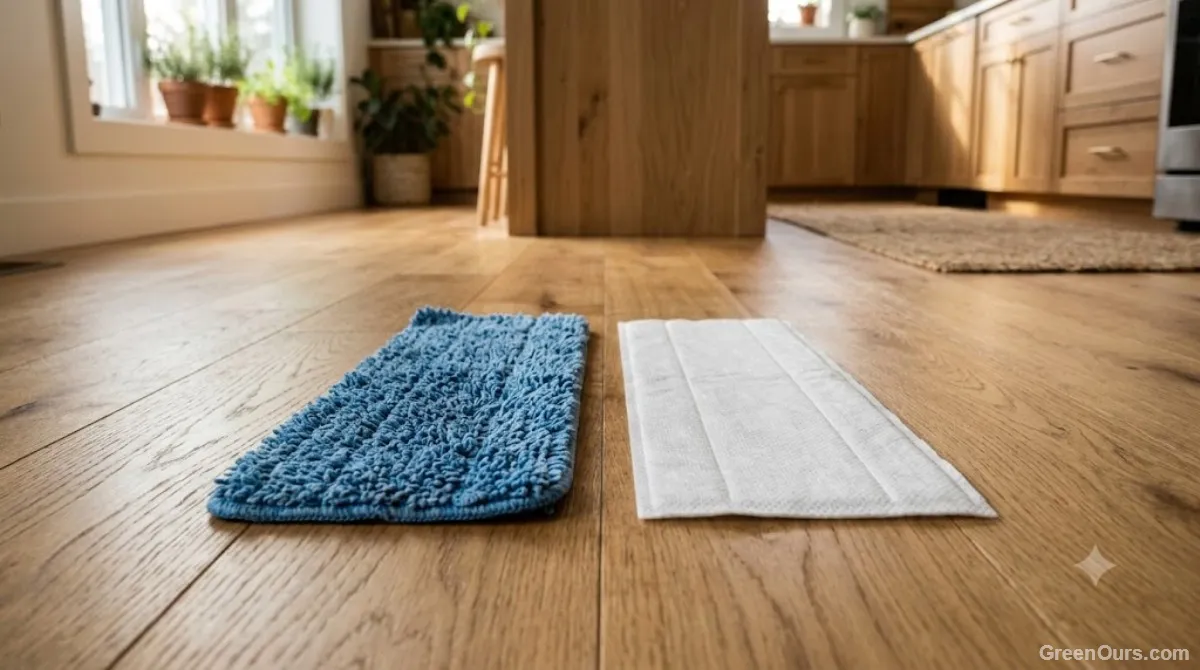

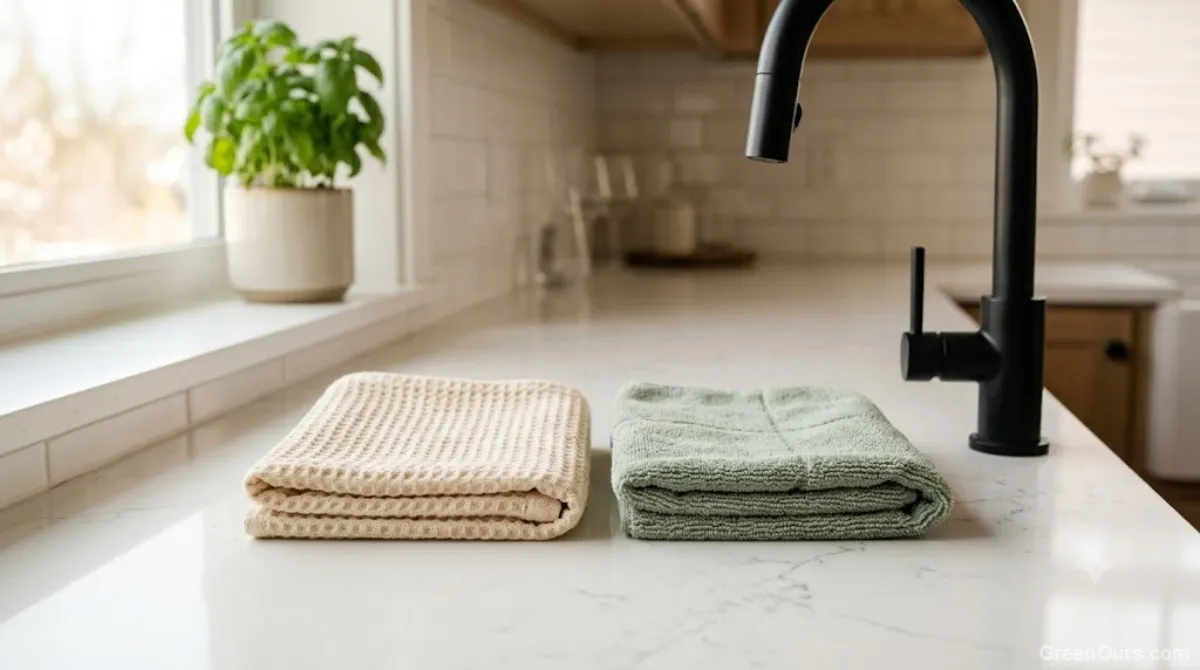
Before we get into which one wins, it helps to know what we're actually comparing — because "natural fiber" and "microfiber" aren't as opposite as they sound at first glance.
What "Natural Fiber" and "Microfiber" Actually Mean
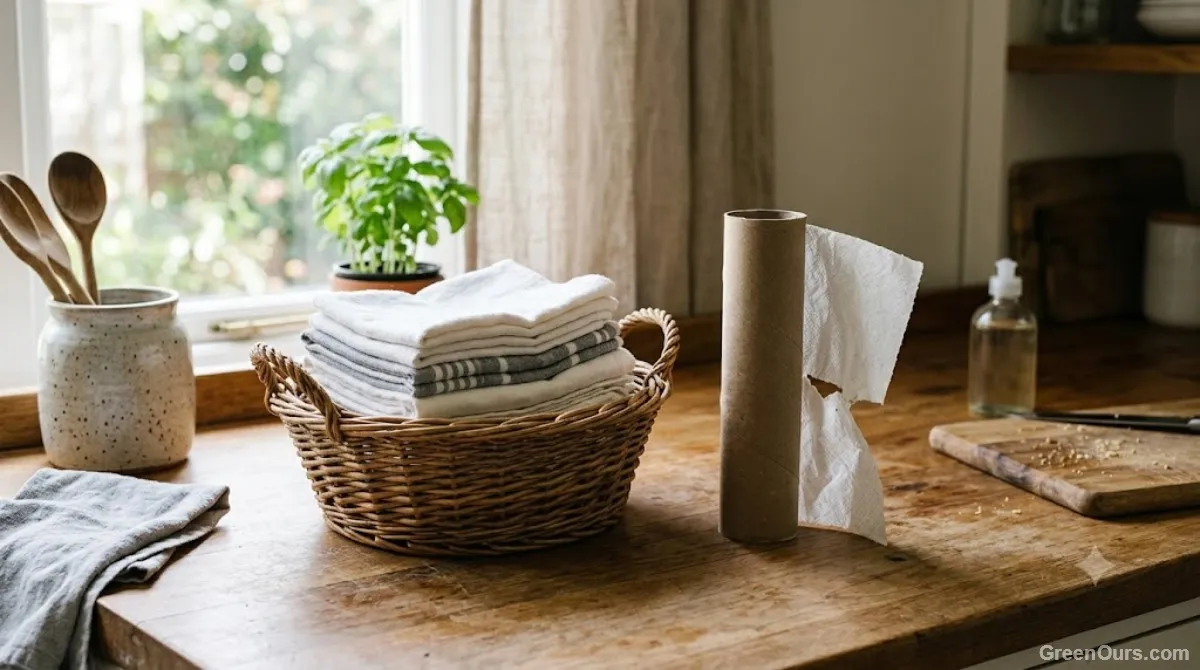
Natural fiber dish cloths are usually cotton, linen, or hemp, woven the way fabric has been woven for centuries. They're spun from plant material, and when they're finally too worn to use, they can go back into soil instead of sitting in a landfill for decades.
Microfiber is a different animal entirely. It's a synthetic weave, almost always polyester or a polyester-nylon blend, engineered so each strand splits into thousands of far tinier fibers. That's what gives microfiber its famous grip on grease and grime — it's not magic, it's just an enormous amount of surface area packed into one small cloth.
How They Perform at the Sink
Microfiber wins the head-to-head cleaning test, and I'll admit that without much hesitation. Those split fibers pick up oil and bacteria mechanically, which means you can often clean a greasy pan with just water and no soap at all. Cotton and linen need a bit of help — a squirt of dish soap does the work that microfiber pulls off on its own.
Where cotton pulls ahead is texture and feel. It's softer on nonstick pans and glassware, and it doesn't develop that faint synthetic smell microfiber tends to pick up after a few uses, even right after washing.
If a cloth smells sour within a day of washing, that's bacteria buildup talking — not a sign you need a new material entirely, just a hotter wash cycle and a fully dry storage spot.
The Durability Trade-Off Nobody Advertises
A cotton dish cloth has a lifespan measured in months, not years. It frays, thins out, and eventually turns into something you'd only use to wipe up a spill you're a little embarrassed about. A well-made microfiber cloth, on the other hand, can hold up for two or three years of regular use before it starts pilling and losing its grip.
That durability sounds like a clear win for microfiber's footprint, and in some ways it is — fewer cloths made, fewer replacements bought over time. But durability is only half the sustainability equation. What happens when the material finally does wear out matters just as much as how long it lasted in the first place.
Cost-per-use tells a similar story. Cotton cloths are cheaper up front but need replacing every few months, while microfiber costs more initially and then quietly earns its price back over a couple of years of daily scrubbing.
Where Microfiber's Plastic Problem Actually Comes From
Every time a microfiber cloth goes through the wash, it releases tiny plastic fibers into the water. Standard washing machines and most municipal water treatment plants aren't built to filter something that small, so a portion of it ends up in rivers, oceans, and eventually, the food chain. This is the part of the microfiber conversation that rarely makes it onto the packaging.
Cotton and linen shed fibers too, but those fibers are biodegradable — they break down the way any plant matter would, instead of persisting for decades the way synthetic fiber does. It's the difference between shedding something the environment can process and shedding something it simply can't.
Washing Habits That Change the Whole Equation
Neither material behaves the same in every laundry routine, and how you wash your cloths matters more than most people assume when they're weighing this decision.
For Microfiber
Wash it separately from cotton towels — lint from natural fibers clogs microfiber's fine weave and dulls its cleaning power over time. A mesh laundry bag or an in-line filter on your washing machine catches a meaningful share of shed microplastic before it ever reaches the drain.
For Natural Fiber
Hot water and full drying between uses keep cotton and linen cloths from souring, which is usually the real reason people give up on them early. Left damp in a heap by the sink, any cloth will start to smell — that's a storage problem, not a material flaw.
So Which One Should Live Under Your Sink?
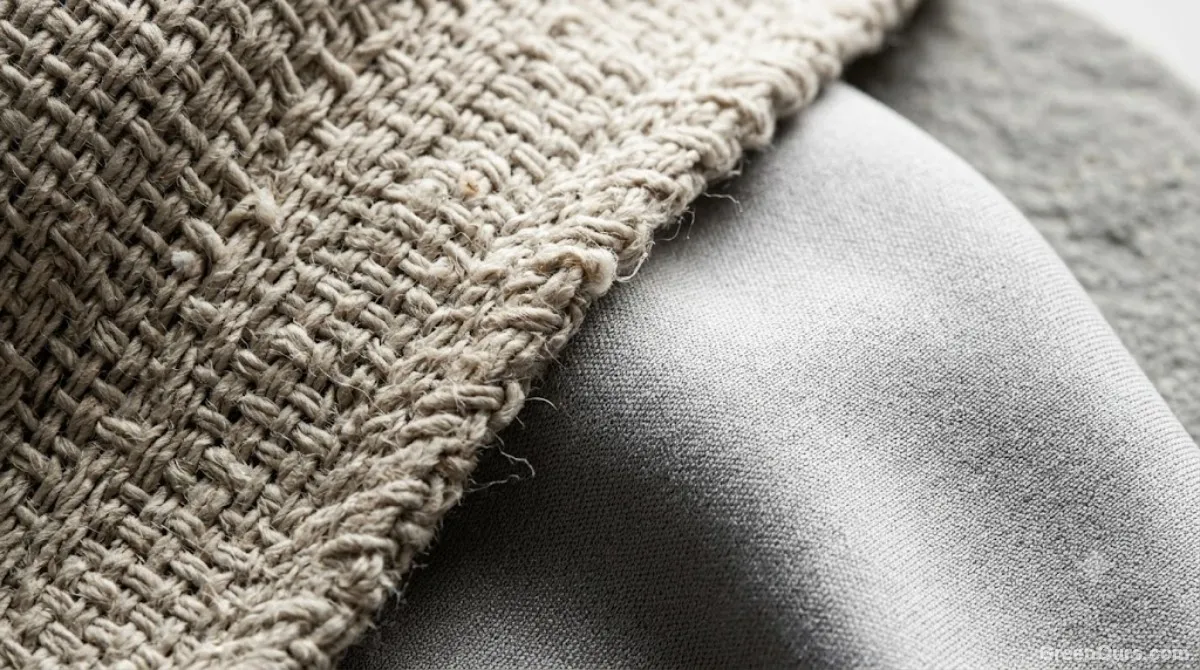
I don't think this is a competition with one correct winner, and I'd be lying if I told you I only use one type. My greasy pans get a microfiber cloth because I'm not about to scrub cast iron with a soap-dependent square of cotton. My counters and everyday wipe-downs get cotton, because it composts when it's done and I don't have to think about it again.
If you want the lowest-impact version of this choice, buy less of both — fewer cloths, used longer, washed properly — rather than chasing a single "correct" material. That's the swap that actually adds up over a year of dishes.
Buy less of both — that's the swap that actually adds up.
Whichever one you reach for tonight, it's probably already a better choice than you're giving yourself credit for.