
Why This Decision Feels Bigger Than It Is
Somewhere along the way, food storage containers stopped being a practical purchase and started being a moral one. That's a lot of pressure for a box that holds leftover soup. Here's the thing — the most sustainable choice usually isn't about which material wins a purity contest. It's about which container you'll actually use for the next ten years without it ending up in a landfill after eighteen months.
Both glass and plastic have a manufacturing footprint. Glass takes more energy to produce and ships heavier, which matters more than people admit. Plastic is lighter and cheaper to make, but it degrades in ways that quietly shorten its useful life. Neither fact alone settles the argument, which is honestly kind of annoying if you were hoping for a clean answer.
What Actually Happens to Plastic Over Time
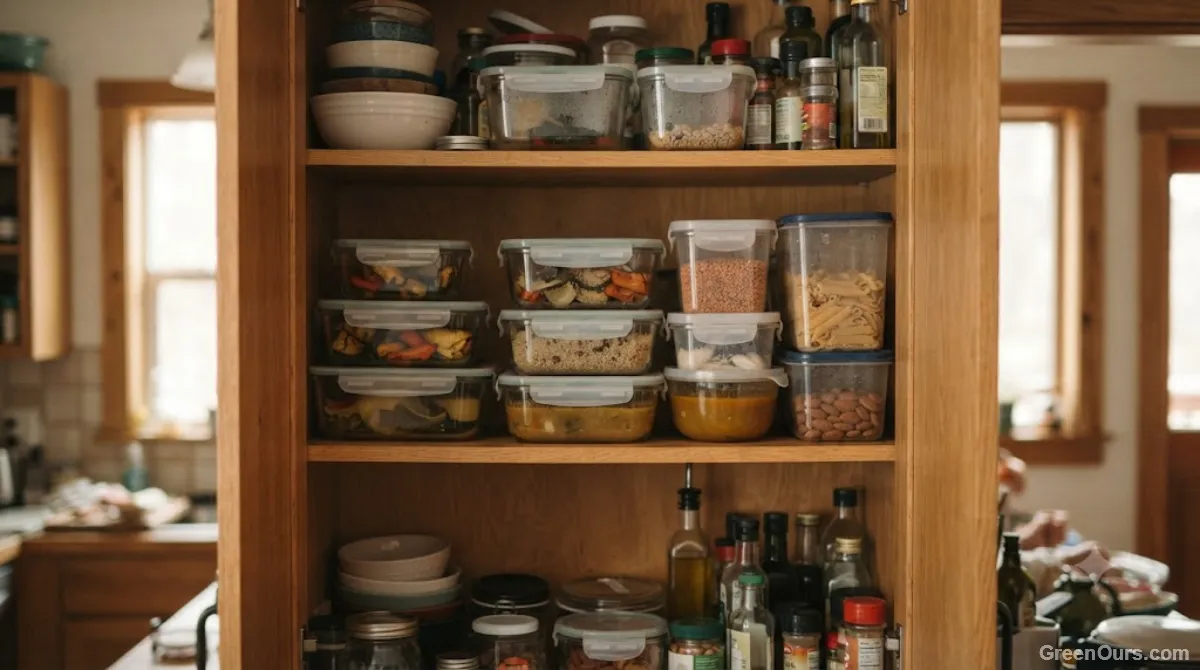
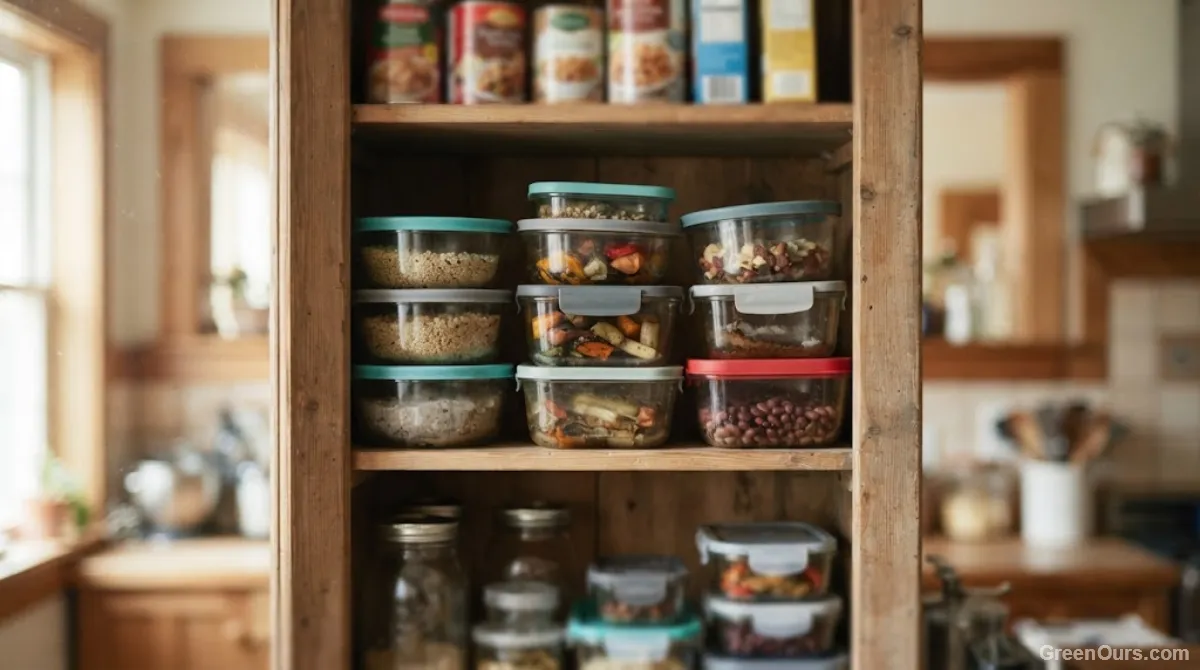
Plastic containers don't fail all at once. They fail slowly, in ways that are easy to ignore. Lids warp in the dishwasher. Bases go cloudy after a lot of cycles of tomato sauce and turmeric. Repeated heat and scratching can also wear plastic down, and researchers are still working out how much material from food-contact plastics ends up in our food.
None of that means your existing plastic containers are suddenly dangerous. It means they have a lifespan. How long it lasts varies a lot with the type of plastic, how often it goes through the dishwasher or microwave, and what the manufacturer recommends, but it's generally shorter than glass, which can last decades if you don't drop it.
The clearest sign a plastic container has reached the end of its useful life isn't a crack — it's persistent staining or a smell that survives a full wash. That's usually the material breaking down, not just needing more soap.
Where Glass Actually Pulls Ahead
Glass is generally chemically stable, so it doesn't absorb odors or stain, and it doesn't come with the same concerns about plastic migrating into your food when you reheat it. Just remember that lids and seals are often plastic or silicone, so those parts still wear out on their own schedule. Glass can genuinely last a lifetime if you're not tossing it around like a frisbee, which, if you have small children or a habit of overpacking cabinets, is a real variable worth being honest with yourself about.
Where It Falls Short
It's heavier, it breaks instead of cracking, and it's genuinely a worse choice for anyone packing lunches on foot, cycling to work, or handing containers to kids who are still working on their fine motor skills. A shattered glass container in a backpack is a much bigger problem than a warped plastic one.
The Cost Math Nobody Actually Runs
Here's where I'll admit something: I used to think glass was just the pricier, more virtuous option, and I never bothered to do the actual math. When I finally did, it changed how I thought about the whole decision.
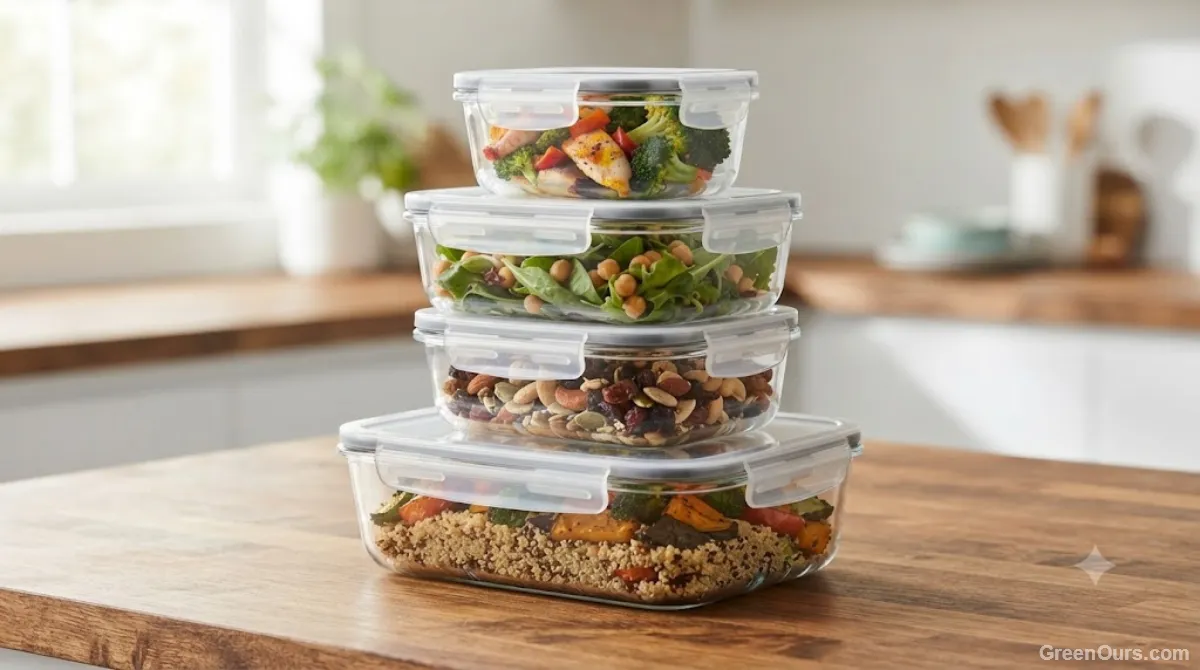
A decent set of plastic containers costs less upfront but needs replacing as pieces stain, crack, or lose lids. Over a decade, that adds up — both in dollars and in the steady trickle of containers heading to the bin. Glass often costs more at the point of purchase, but if it survives a decade of use, the cost per year can end up lower, and almost nothing from it enters the waste stream in the meantime.
What the Environmental Trade-Off Really Looks Like
Here's what surprised me: life cycle studies of reusable containers don't crown a single winning material. The results swing depending on how many times a container actually gets reused, how it's washed, and how far it travels. Glass starts with a bigger footprint because it takes more energy to make and is heavier to ship, so it has to stay in service longer to earn that back.
One life cycle comparison of everyday glass and plastic food containers landed on the same practical point this article keeps circling: if you already own containers that work, keep using them as long as you can, and buy secondhand when you need more. The greenest container really is the one that never has to be made.
A "microwave-safe" label mostly tells you a plastic container is designed not to melt or warp. It doesn't settle every question about what plastics release when heated, and that research is still developing. If you reheat leftovers daily, that's a fair reason to lean toward glass for those particular containers.
When Plastic Is Genuinely the Better Choice
I don't think plastic deserves the villain era it's having. There are situations where it's the more sensible option, not the compromise one.
Freezer Storage
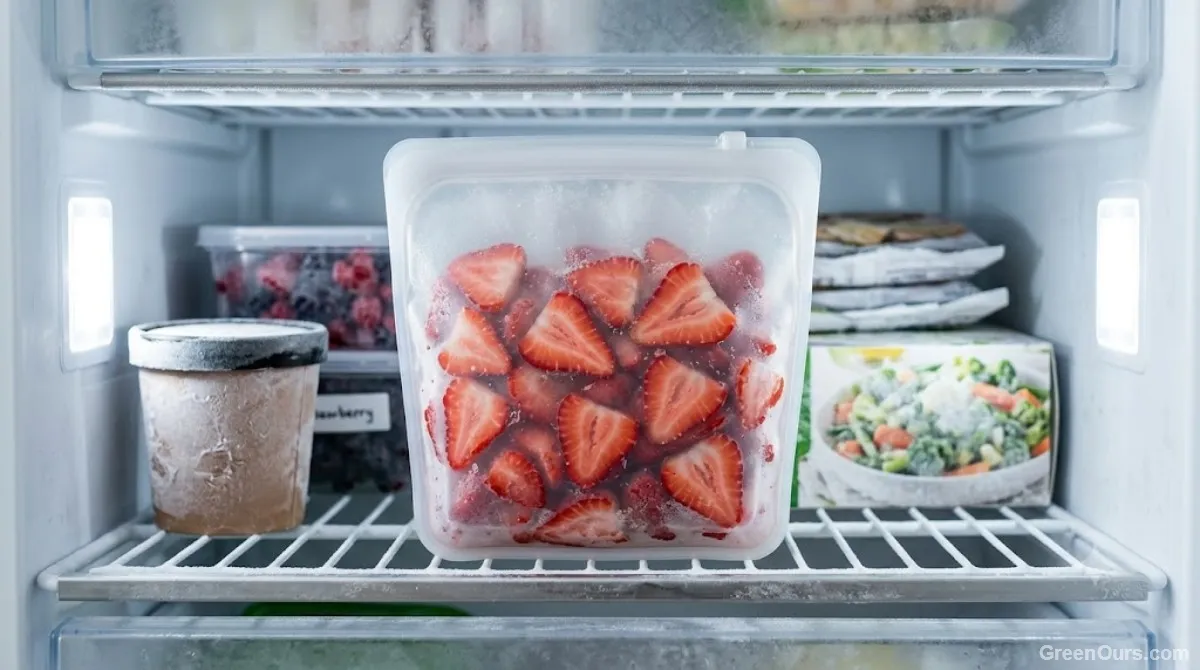
Glass can crack in the freezer if you fill it too full or go from freezer to microwave too fast. Plastic handles temperature swings without the same risk, which matters if you batch-cook and freeze regularly.
Kids, Backpacks, and Breakage Risk
If a container's daily job involves being tossed into a school bag or handed to a toddler, plastic's durability against drops outweighs glass's durability against everything else.
What Actually Reduces Waste
The most sustainable container isn't glass or plastic in the abstract — it's whichever one you'll keep using without replacing for as long as possible. Buying an entirely new glass set while your existing plastic containers still work fine doesn't reduce waste. It just moves the waste earlier in the timeline and adds manufacturing impact on top.
If you're building a kitchen from scratch, glass earns its higher upfront cost over time. If you already have working plastic containers, using them until they genuinely fail is the greener move, even if it's the less photogenic one.
If You're Only Going to Do One Thing
Stop replacing containers that still work. That's it. That's the whole tip. The greenest container in your kitchen is the one you already own and haven't thrown away yet — glass or plastic, it doesn't matter which.
Honestly, the container drawer is never going to be perfectly matched, and it doesn't need to be. Replace what's actually failing, keep what's still working, and let the rest of the guilt go — it was never the point anyway.
Want more honest, no-guilt sustainability tips?
More ways to shop smarter, not harder