
Why Recycled Toilet Paper Has a Reputation Problem
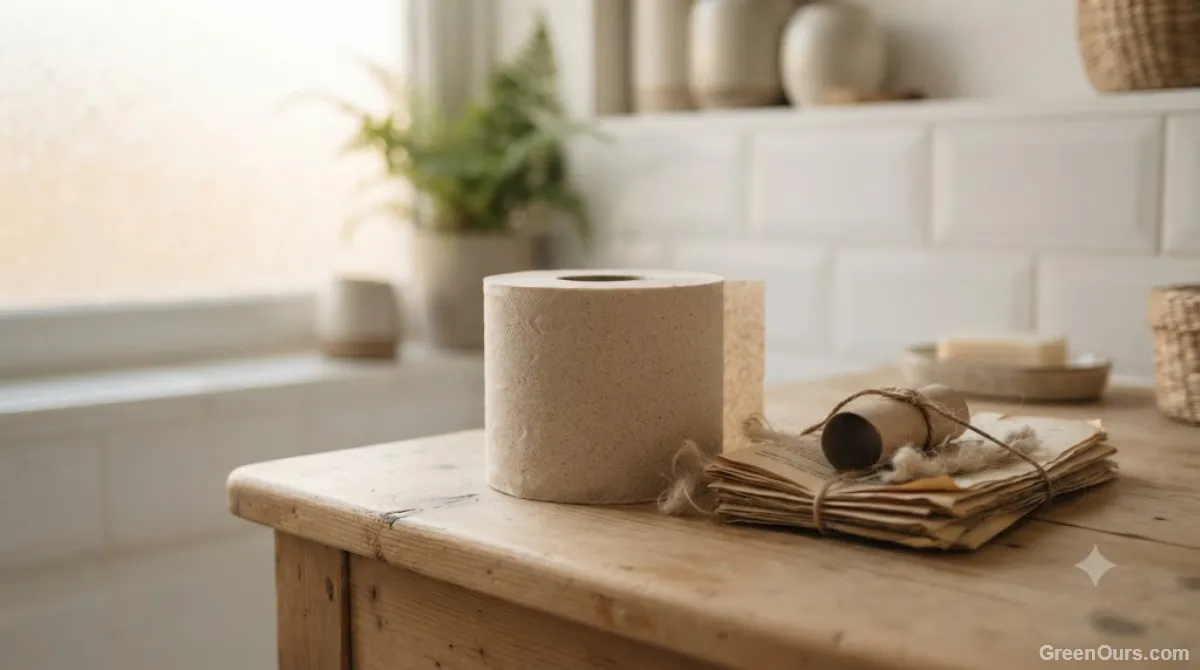
The scratchy stereotype isn't random. Early recycled paper products, going back a couple of decades, genuinely were rougher, largely because the recycling process at the time couldn't remove ink and short fibers as thoroughly as it can now. That reputation stuck around long after the manufacturing caught up, the way a restaurant's one bad meal from years ago can follow it forever even after the kitchen changes hands.
Modern pulping and de-inking methods have closed a lot of that gap. That doesn't mean every recycled roll on the shelf is soft. It means softness is no longer determined by whether the paper is recycled at all, it's determined by how that specific brand processes its fiber, and that varies a lot more than people expect.
If a recycled brand doesn't mention its ply count or fiber process anywhere on the packaging, that's usually a sign it's a budget line cutting corners, not a reflection of recycled paper in general.
What "Recycled" Actually Means on the Label
"Recycled" isn't one uniform thing. Most recycled toilet paper is made from post-consumer waste, meaning paper that already had a life as something else, like office documents or cardboard, before being pulped down again. Some brands blend that with post-industrial scraps left over from other manufacturing processes, which tend to be cleaner and easier to process into something soft.
The percentage matters more than the word "recycled" by itself. A roll made from 100 percent post-consumer content is doing more to divert existing paper waste than one blending in a smaller recycled percentage with fresh pulp. If reducing landfill and virgin tree use is your actual goal here, that percentage is the number worth reading, not the word on the front of the pack.
Softness: The Real Story
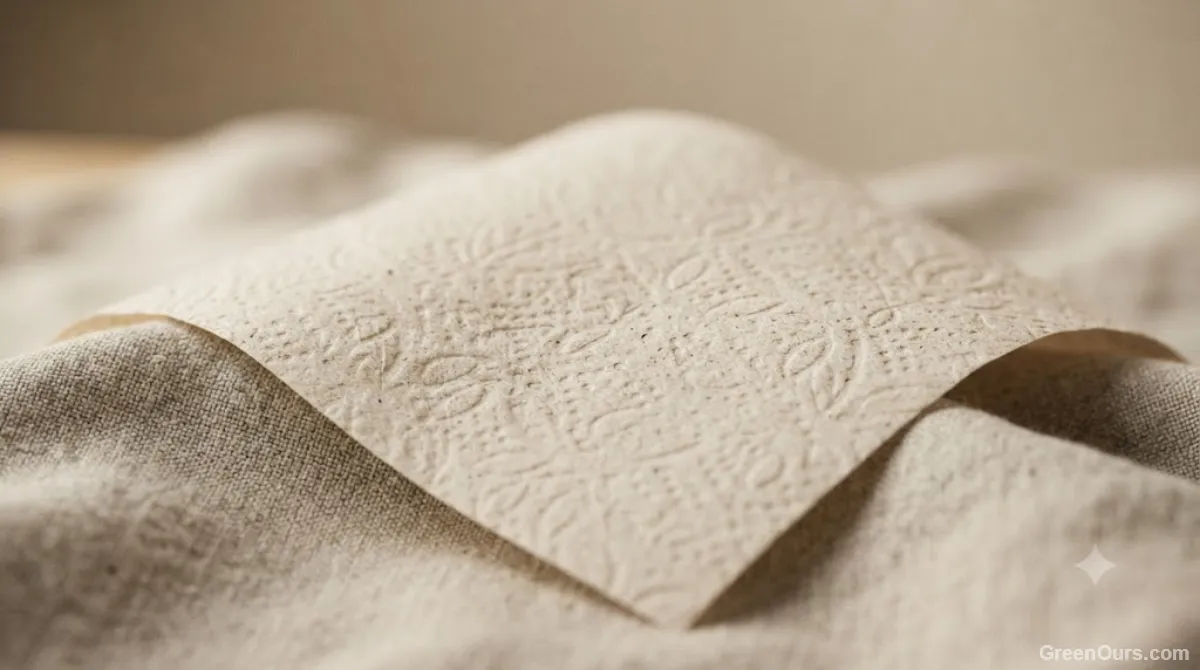
Softness comes down to two things: how finely the fibers are processed, and how many plies the paper has. Recycled fibers are naturally a bit shorter than virgin wood fibers, since they've already been broken down once. Shorter fibers can make paper feel slightly less plush if a brand doesn't compensate for it, which some premium recycled brands do by using more layers or finer processing.
What this means practically is that a two-ply recycled roll from a brand that invests in fiber quality can feel genuinely comparable to a standard non-recycled roll. A cheap one-ply recycled roll from a brand cutting costs everywhere it can will feel exactly like what you're picturing when you imagine "eco but rough." You're not choosing between recycled and soft. You're choosing between cheap and soft, and recycled happens to be a separate axis entirely.
Durability: Does It Hold Up in Real Use?
The bigger practical difference between recycled and virgin toilet paper usually isn't dry softness, it's wet strength. Shorter recycled fibers bond a little less tightly than long virgin fibers, so lower-quality recycled rolls can feel like they dissolve faster when wet. This is the thing that actually annoys people day to day, more than any texture complaint.
Better recycled brands address this directly, often through the same finer processing that helps with softness. If you've tried a recycled brand and found it fell apart too easily, that's useful information about that specific product, not proof that recycled paper can't hold up. It's worth trying more than one brand before deciding the category itself isn't for you.
The Environmental Case, Without the Overclaiming
Recycled toilet paper isn't a dramatic climate fix on its own, and I'm not going to pretend it is. What it does reliably do is reduce demand for virgin wood pulp and divert paper that would otherwise be heading toward a landfill or incinerator. Toilet paper production is also a genuinely large user of tree pulp globally, given how much of it gets used and discarded daily, so shifting even one household's habit isn't nothing, even if it's not everything.
Where the claims get shaky is around water and energy use. Some brands advertise their process as lower-impact across the board, but the actual numbers vary a lot by manufacturer and are hard for an average shopper to verify. Treat those specific comparative stats with some skepticism unless a brand is transparent about where the numbers come from.
How to Choose What Actually Matters to You
If softness is your top priority and you're not willing to compromise on it, look for recycled brands that specifically mention finer fiber processing or higher ply counts, and expect to pay a bit more for it. If cost is the deciding factor, know that budget recycled and budget non-recycled rolls will both disappoint you in similar ways, so recycled isn't the variable to blame.
If reducing paper waste and virgin pulp use is genuinely your main goal, prioritize the post-consumer percentage over the softness marketing on the front of the package. And if you're just not ready to give up your current brand, that's fine too. This doesn't have to be an all-or-nothing swap to count for something.
I still keep a backup roll of my old brand under the sink some months, and I'm not going to pretend otherwise. The point was never to be perfect about it. It was just to stop assuming recycled meant worse before I'd actually tried it.
More honest swaps, zero guilt attached:
50 Eco-Friendly Swaps That Actually Save Money