
The Word "Eco-Friendly" on the Label Doesn't Tell You Much
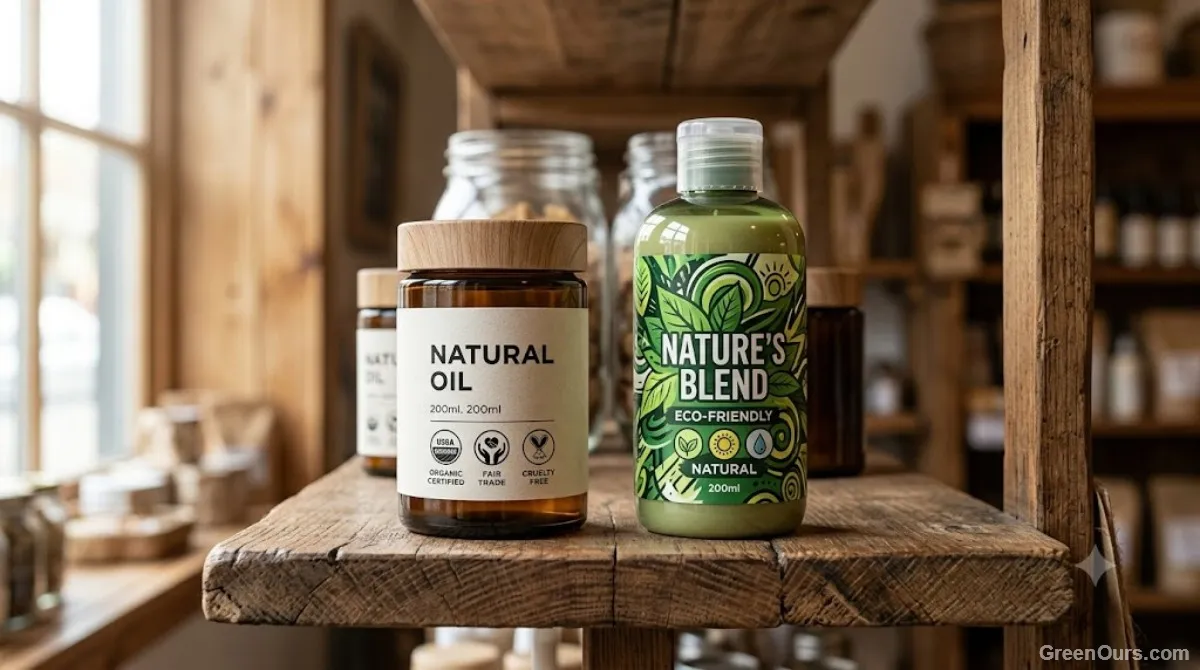
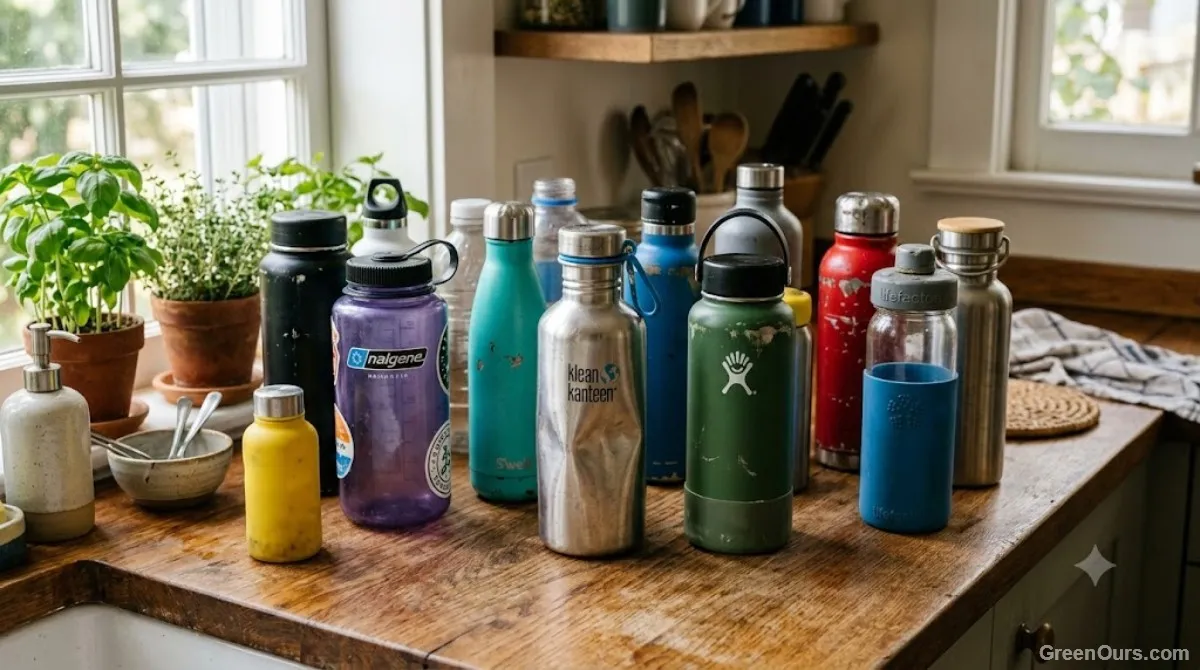
Almost every reusable bottle on the market calls itself eco-friendly now, regardless of what it's made from or how long it's built to last. It's become a marketing checkbox rather than a meaningful claim, which means the label alone can't help you make a good decision. What actually determines whether a bottle is a good environmental choice comes down to three unglamorous things: what it's made of, how long it survives daily use, and whether you can fix it when a part wears out.
None of those three things show up on the packaging. You have to go looking for them, which is honestly the whole reason this guide exists.
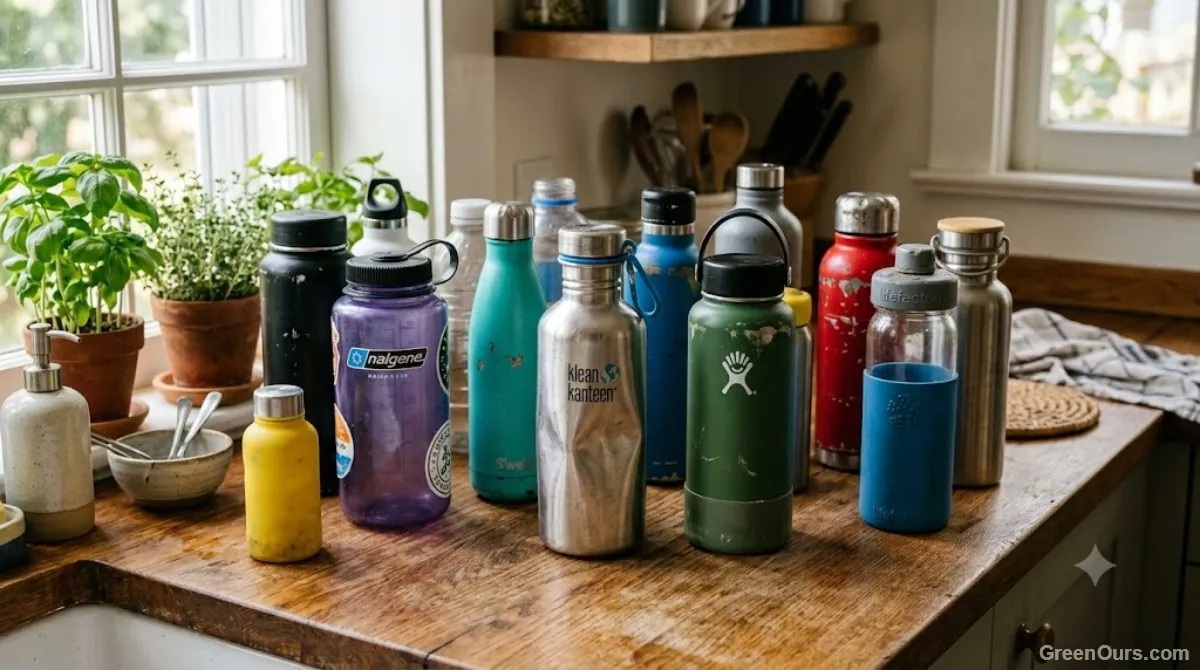
A bottle you'll actually keep using for years beats a "greener" bottle you'll replace in six months. Longevity is the single biggest factor in the whole equation — bigger than the material itself.
The Materials That Actually Hold Up Over Time
Not all reusable materials age the same way, and this is where most of the confusion starts.
Stainless Steel
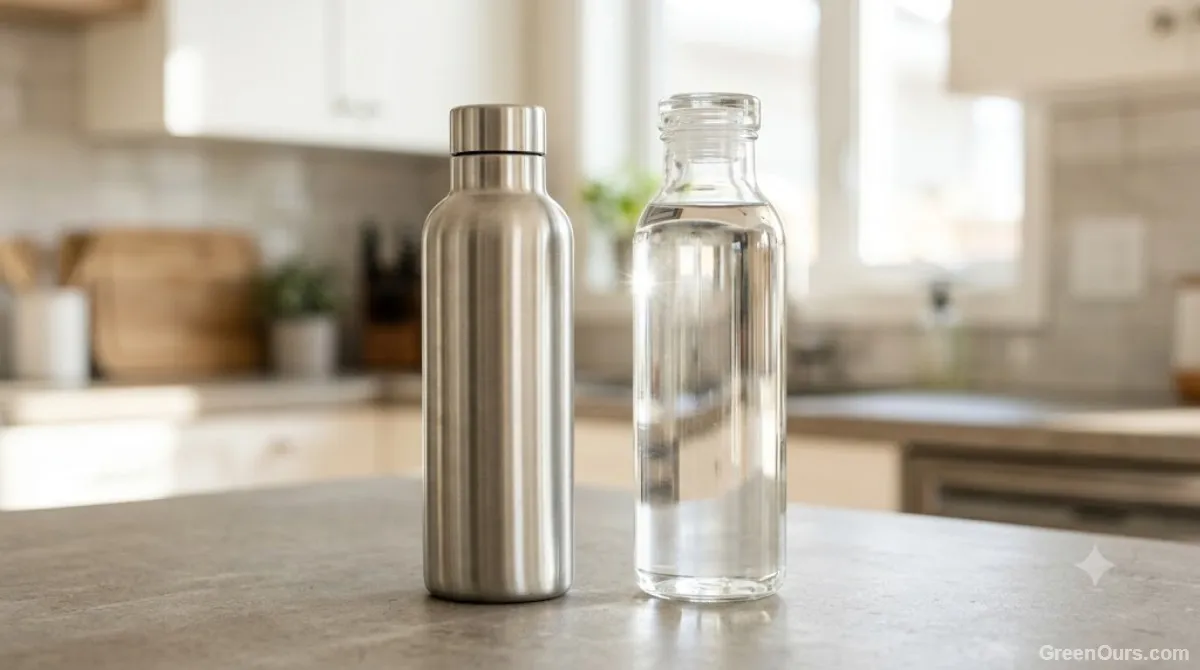
Double-walled stainless steel is the closest thing to a safe default. It doesn't hold onto flavors or odors, it survives being dropped, and a well-made one will genuinely outlast a decade of daily use. The tradeoff is weight — it's heavier than plastic — but that weight is doing real work, keeping drinks cold or hot for hours without a liner that degrades.
Glass
Glass is wonderful for flavor purity and genuinely recyclable at the end of its life, but it's also the one material here that can end its life in a single bad drop. If you're someone who tosses your bag around or hikes with your bottle clipped to a backpack, glass is probably not the realistic choice, no matter how much you like the idea of it.
Aluminum
Plain aluminum is lightweight and durable, but almost all aluminum bottles use an internal epoxy or plastic liner to keep the metal from reacting with acidic drinks. That liner is the weak point — it can degrade faster than the bottle itself, and once it does, the bottle is essentially done. Aluminum can be a great choice, but only if you're comfortable with a shorter realistic lifespan than steel.
Durability Matters More Than the Color
I'll admit it: I've bought a bottle because the color was pretty. We all have. But the honest measure of a good bottle isn't how it looks on day one — it's how it looks after two years of being tossed in a bag, dropped on tile, and left in a hot car more times than I'd like to admit.
Look for powder-coated exteriors over painted ones — paint chips, powder coating doesn't. Check whether the lid threads are metal-on-metal or plastic-on-metal, since plastic threads are usually the first thing to strip or crack. None of this is exciting to think about while shopping, but it's the difference between a bottle you'll still be using in five years and one you'll quietly replace next spring.
Can You Actually Fix It When Something Breaks?
This is the part almost nobody asks about before buying, and it's arguably the most important one. Lids wear out. Gaskets dry up and stop sealing. Straws crack. If none of those parts are sold separately by the manufacturer, a tiny failure means the entire bottle becomes trash — steel body and all.
Before buying the best sustainable reusable water bottle for your needs, it's worth checking whether the brand sells replacement lids, seals, and straws on their own. A bottle that can be kept alive with a five-dollar part is doing far more good than one that has to be replaced whole the moment something small goes wrong. This single detail rarely gets mentioned in reviews, but it's often the true dividing line between a bottle that lasts a decade and one that lasts a year.
While you're checking, look specifically for LFGB-certified silicone gaskets and seals. It's a German food-safety standard, but it's become the closest thing the industry has to a universal marker for silicone that won't leach anything into your drink, even after years of hot water and dishwasher cycles. A brand that can tell you their replacement seal is LFGB-certified is usually a brand that's thought this through.
Keeping It Clean Without Wrecking It
Here's the thing nobody tells you when you buy your first "forever" bottle: neglect kills bottles faster than bad materials ever will. I left mine with two inches of forgotten smoothie in the bottom of my gym bag for four days once. The smell alone should be studied in a lab.
The fix is almost embarrassingly simple. A capful of baking soda and warm water, left to sit overnight, breaks down most residue without any scrubbing. For genuinely funky smells, a diluted vinegar rinse works, though you'll want to rinse it out thoroughly afterward so your water doesn't taste like a salad dressing experiment for the next week.
Skip the bleach and anything abrasive, though — harsh chemicals and steel wool can wear down powder coating and degrade silicone seals faster than normal use ever would, which defeats the entire point of buying something built to last. And always dry it with the lid off. A closed, damp bottle is basically a mold incubator with a cute label.
If your bottle's straw or lid has a hard-to-reach corner, a bent pipe cleaner does a better job than any specialty brush I've ever bought.
What Actually Moves the Needle Here
Manufacturing any reusable bottle uses more resources upfront than manufacturing a single disposable one. The entire point only works if that bottle replaces hundreds or thousands of disposable bottles over its life. That means the most sustainable bottle in your house isn't necessarily the one with the greenest marketing — it's the one you'll actually keep using long enough to hit that break-even point.
Buying a new "better" bottle every time a trend shifts resets that math back to zero. The five unused bottles in my drawer didn't do the planet any favors just because each one, individually, was a good material choice.
What to Do Next
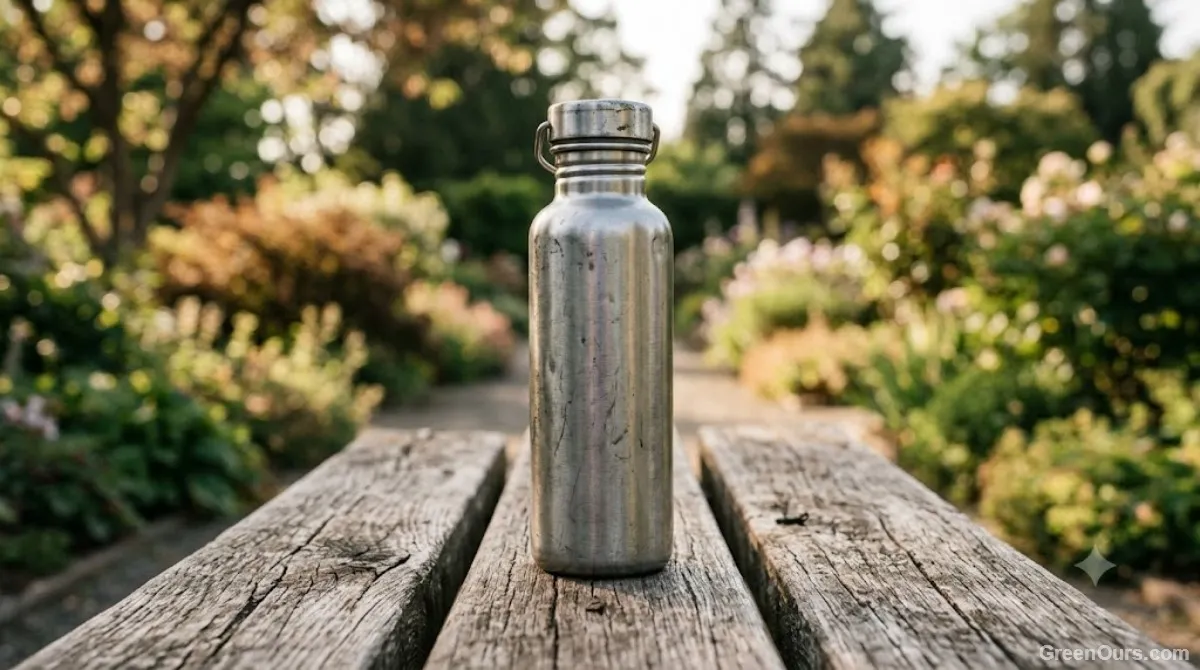
If you're standing in a store right now trying to decide, here's the honest advice: pick one bottle made from steel or glass depending on how careful you are with your things, check that replacement parts exist — LFGB-certified seals included — and then stop looking. Stick with it long enough that it starts picking up a few dents and losing its shine, because that's genuinely what "working" looks like.
What's sitting unused in your own cupboard drawer right now?
Want more honest, judgment-free guides to sustainable swaps?