
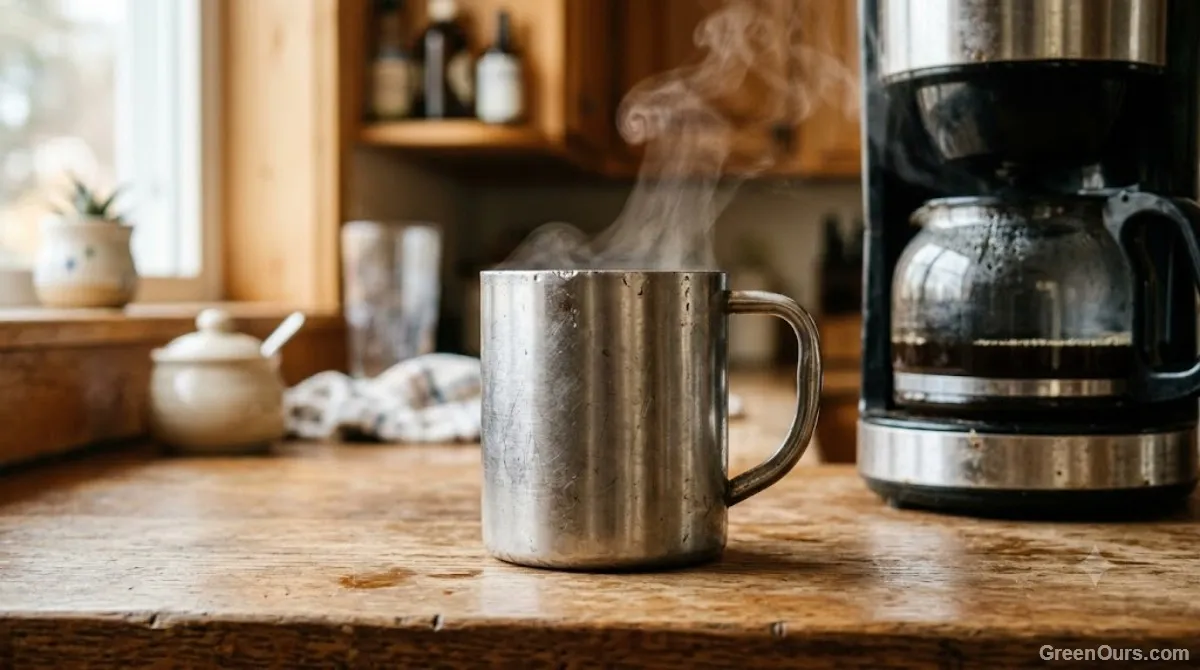
The Question Nobody Asks Before Buying a Reusable Cup
Most of the messaging around reusable cups stops at "single-use is bad, reusable is good." That's true in the broadest sense, but it skips a detail that actually matters: making a reusable cup takes significantly more energy, water, and raw material than making a single paper cup. A stainless steel tumbler isn't automatically better for the planet the moment you buy it. It becomes better for the planet once you've used it enough times to make up for that heavier upfront manufacturing footprint.
Single-use paper coffee cups are rarely just paper; they are typically coated with a thin polyethylene (PE) plastic lining to prevent leaking, making them difficult for standard municipal facilities to recycle. However, replacing that disposable cup with a heavy reusable container requires a real long-term usage commitment to deliver a net positive environmental impact.
What a Reusable Cup Actually Costs the Planet to Make
Producing a stainless steel cup involves ore mining, refining, and high-heat shaping, all of which demand far more energy than molding a paper cup. Glass cups require energy-intensive high-temperature melting furnaces. Even a basic polypropylene plastic reusable cup takes more raw material and processing than the single-use item it is designed to replace.
That upfront footprint varies heavily across materials. A simple plastic reusable cup requires less manufacturing energy than a double-walled stainless steel flask, but plastic degrades faster and absorbs coffee oils over time — creating a distinct tradeoff between initial manufacturing cost and long-term durability.
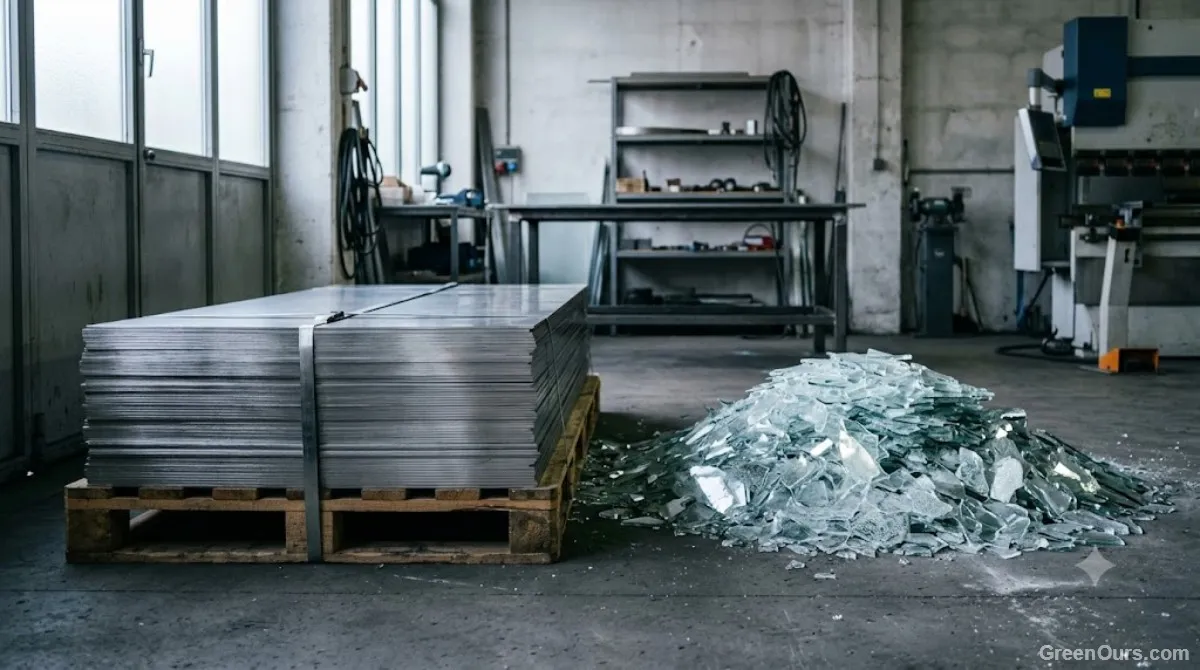
The purchase isn't the win; the 50th or 200th refill is. Buying a cup and using it infrequently can result in a higher overall environmental impact than simply using single-use paper cups and declining plastic sleeves or lids when possible.
The Break-Even Point: How Many Uses It Actually Takes
Environmental Life Cycle Assessments (LCAs)—research conducted by industrial ecology groups and sustainability organizations—evaluate embodied energy, water use, and carbon emissions to estimate how many times a cup must be reused to offset the environmental footprint of single-use paper cups. These estimates vary based on local electricity grid composition, manufacturing location, and washing practices, but research consistently shows that reusable cups do reach environmental payoff points:
- Lightweight Polypropylene Plastic: Research suggests approximately 10 to 30 uses to offset manufacturing impact, though this range is sensitive to production efficiency and grid energy sources.
- Ceramic & Glass: Generally requires 15 to 40 uses, depending on material weight and the carbon intensity of furnace energy sources in the manufacturing region.
- Vacuum-Insulated Stainless Steel: Requires roughly 100 to 250+ uses due to energy-intensive processing and double-walled construction, but offers the longest usable lifespan, which extends its value over years.
The practical lesson: if you buy an insulated steel tumbler and use it 3 times a week, you'll clear the environmental break-even point in under a year. If it sits in your tote bag and gets used twice a month before being misplaced, the calculation shifts dramatically.
The Hidden Variable: Washing Impact
LCAs also factor in daily maintenance. Washing a reusable cup in hot water adds an incremental environmental footprint over time. Running your cup through a fully loaded, energy-efficient dishwasher or hand-washing with warm water ensures the long-term net savings remain positive. This is one of the biggest variables that LCA research often highlights but rarely makes it to marketing materials.
The Financial Math: Does It Save You Money?
Beyond environmental metrics, reusable cups offer a direct financial incentive if your local coffee shop offers a bring-your-own-cup discount (typically $0.10 to $0.50 per drink). Here's how the math breaks down with common purchase prices and discount scenarios:
- $25 Stainless Steel Tumbler with $0.25 BYO Discount: Financial payoff occurs after approximately 100 coffee shop visits—roughly 20 weeks at twice-weekly purchases.
- $12 Glass or Plastic Cup with $0.20 BYO Discount: Financial payoff occurs after approximately 60 visits—about 12 weeks at the same frequency.
If you brew hot or iced coffee at home and bring it on your commute instead of purchasing drinks out, the financial savings are almost immediate—your cup pays for itself in a matter of weeks compared to standard café prices. The break-even point depends heavily on your baseline purchasing frequency, so adjust these estimates based on your actual coffee-buying habits.
Durability Is the Real Variable
Once a cup reaches its break-even point, longevity determines its ongoing value. Material choice directly impacts real-world lifespan:
Stainless Steel
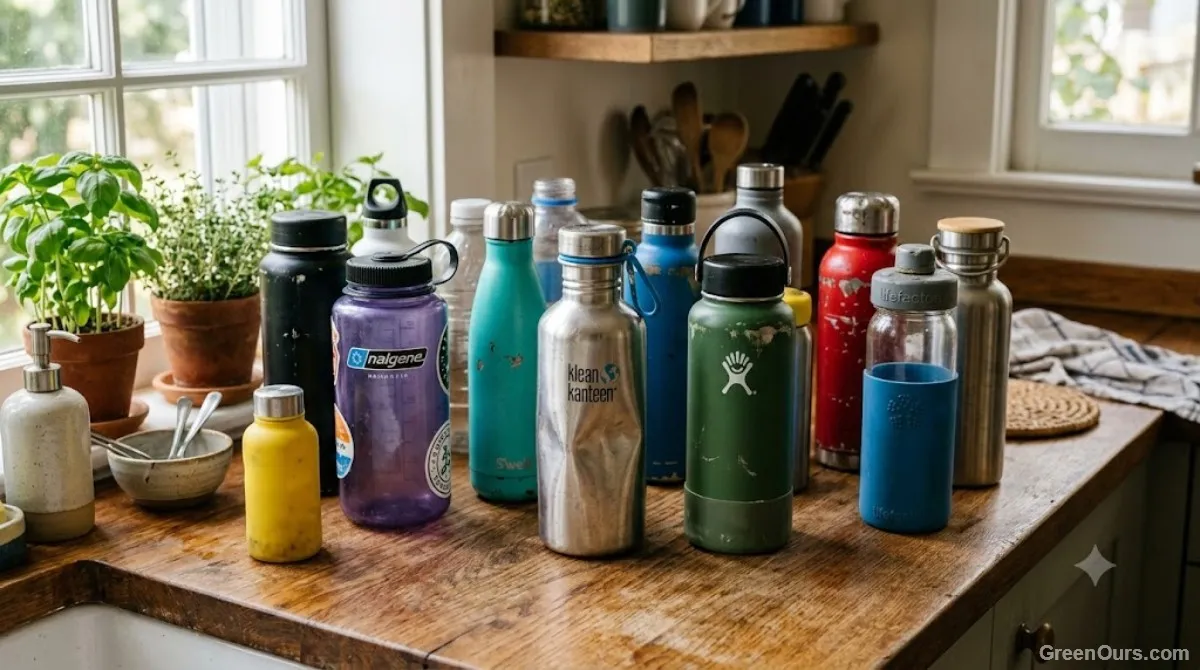
Stainless steel cups are highly durable workhorses. They resist impact damage, do not retain coffee oils or milk odors, and vacuum insulation maintains drink temperature for hours. They carry a higher initial price and carbon footprint, but easily survive years of daily commuting.
Glass
Glass offers a clean drinking taste and clear visibility for washing away dairy residue, but carries higher breakage risk during commutes or travel. If dropped on asphalt or tile, the lifecycle calculation resets instantly.
Plastic and Silicone
Lightweight and budget-friendly, plastic and collapsible silicone are convenient entry options. However, they tend to absorb coffee stain and odors over 1–2 years of heavy use, often prompting earlier replacement.
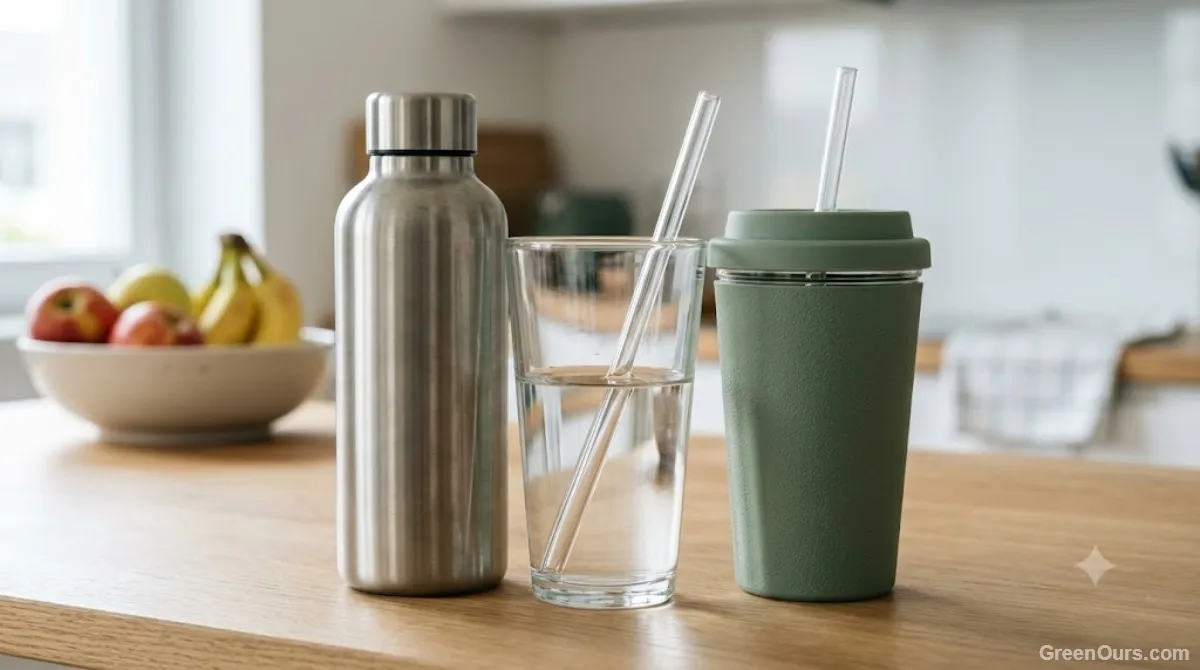
What to Look For Before Buying: A Practical Checklist
To avoid buying a cup that ends up trapped in the back of your cabinet, evaluate these practical, coffee-specific features before purchasing:
- Cupholder & Vehicle Fit: Measure the base diameter—if you commute by car, ensure it fits standard vehicle cup holders.
- Lid Seal & Splash Resistance: Decide whether you need a quick-sip lid for walking/desk use or a fully leak-proof screw lid to toss into a bag.
- Gasket & Hygiene Design: Look for removable silicone rings and dishwasher-safe lids. Lids with hidden crevices that trap dried espresso or milk lead to early retirement.
- Café Acceptance & Capacity: Match the fluid ounce capacity to your standard order (e.g., 12 oz for a traditional latte, 16 oz for iced brews) and check if your local shop accepts personal containers under their health policies.
So, Is It Worth It For You?
So, are reusable coffee cups worth it? The answer depends entirely on your daily routine rather than the product itself.
If you buy coffee out multiple times a week or bring homemade brew on your commute—and can establish the habit of keeping the cup by your door or in your bag—a durable, insulated reusable cup is likely to deliver real environmental and financial benefits. It clears its break-even footprint within months and delivers long-term economic savings that keep adding up.
If you purchase take-out coffee rarely, or know from experience that carrying extra items during your morning routine isn't realistic, it may be more practical to skip buying another item and focus on simple habits like declining paper sleeves or plastic lids when ordering.
Find more honest swaps that actually stick.
Read more honest kitchen swaps that actually stick
My daily cup of choice isn't the most expensive one on my shelf. It's simply the one with a dishwasher-safe lid that happens to fit seamlessly into my car's cup holder—the practical features that actually guarantee daily use.