
Why We All Assumed Hot Water Was Better
Somewhere along the way, most of us picked up the idea that hot water equals clean and cold water equals lazy. Part of that comes from how detergent used to be formulated — older bar soaps and early powders genuinely needed warm water to dissolve and activate properly. Part of it is just habit, passed down from whoever taught us to do laundry in the first place.
Modern detergent isn't the same product. Today's formulas are built with enzymes designed to work in cold water specifically, because manufacturers know most machines run cold or cool cycles by default now. The soap you're using has already caught up to this shift. Your laundry routine just hasn't gotten the memo yet.
The one thing to know: cold water cleans by loosening dirt and lifting it away with detergent and agitation, not by cooking stains out. For most everyday laundry, that's plenty.
What's Actually Happening Inside a Cold Water Wash
Cold water washing works because your machine isn't relying on heat to do the heavy lifting — it's relying on the combination of detergent chemistry, water movement, and time. Enzymes in the detergent break down protein-based stains like sweat and food. Surfactants surround oil and dirt particles and carry them off the fabric. The drum's spinning motion does the physical work heat used to get credit for.
Fabric also holds up better without the heat. Hot water is harder on elastic, harder on colors, and harder on natural fibers like wool and silk — it's part of why that favorite shirt seems to fade or shrink a little more with every wash. Cold water is genuinely gentler on the actual clothes, which means fewer trips to the store to replace things that wore out too soon.
The Energy Savings Add Up Faster Than You'd Think
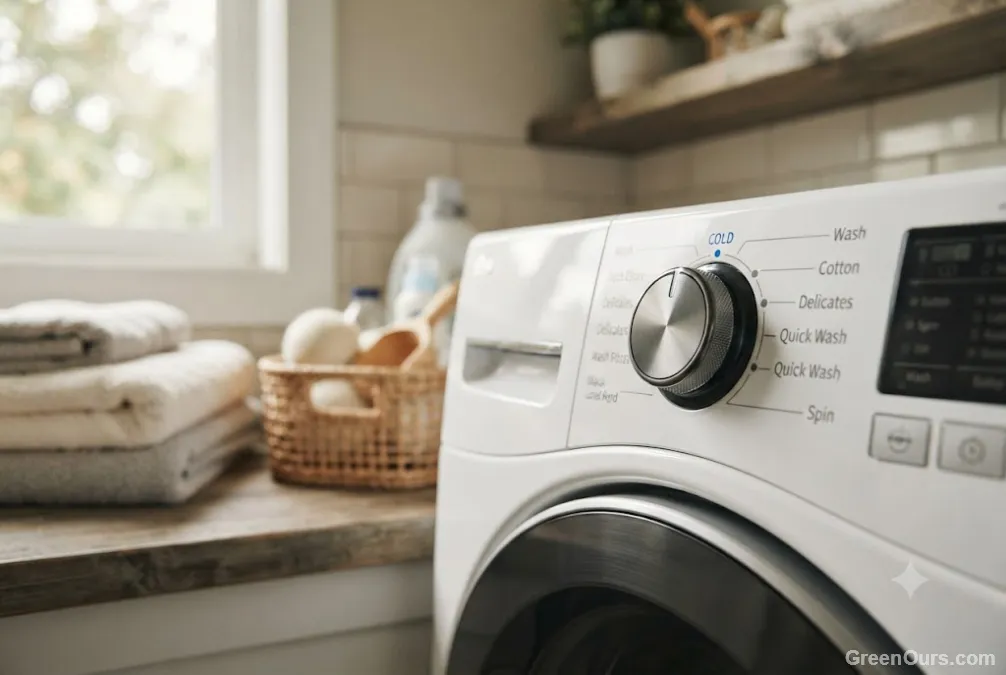
Here's where washing clothes in cold water actually earns its reputation as one of the easiest sustainability swaps out there — heating water is doing most of the energy work in a typical laundry cycle. The motor spinning the drum barely registers on your bill by comparison. Switch the temperature dial and you're cutting the biggest energy draw out of the whole process, without changing your detergent, your machine, or your routine in any other way.
It adds up over a year in a way that's easy to miss load by load. You're not sacrificing anything to get there — you're just skipping the part of the cycle that was never doing much for your clothes anyway.
When Hot Water Still Earns Its Place
I'm not going to tell you cold water is the answer for every single load, because it isn't, and I don't trust advice that pretends there's no nuance here.
Illness in the House
If someone in your home has been sick, bedding and towels benefit from a hot wash. Heat helps kill off bacteria and viruses more reliably than cold water can, and this is one case where the extra energy is worth spending.
Genuinely Greasy or Oily Stains
Cooking grease, heavy makeup, and certain automotive or garden stains respond better to warm or hot water, which helps break down oils that cold water alone struggles to lift.
Cloth Diapers and Similar Items
Anything that needs a higher standard of sanitizing — cloth diapers, pet bedding after an illness, gym gear that's been sitting damp for days — is a reasonable place to keep hot water in the rotation.
Getting Stains Out Without Turning Up the Heat
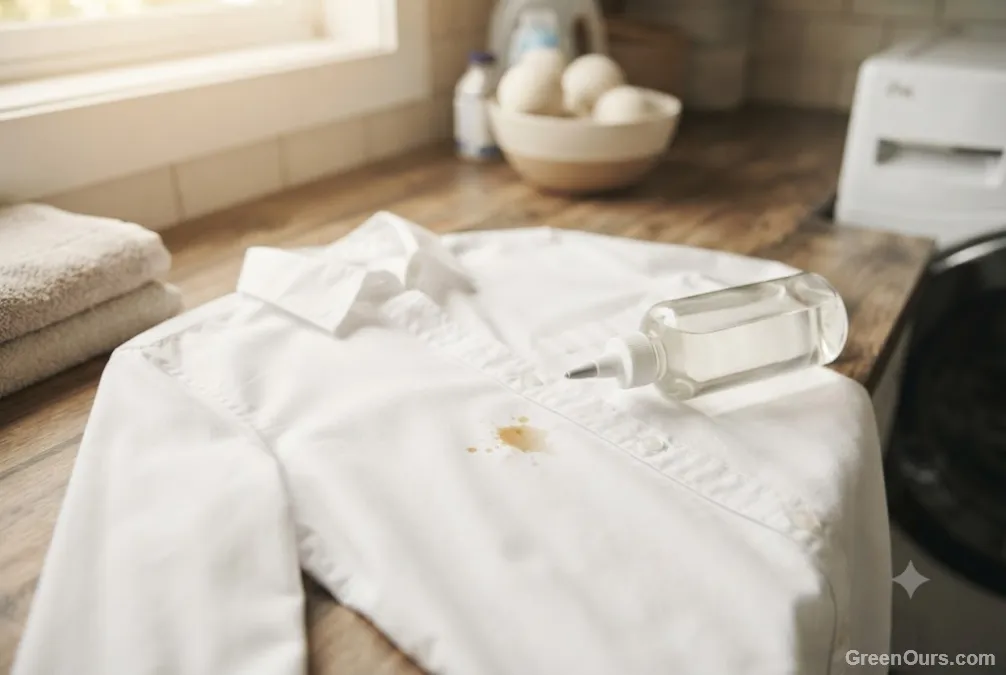
For everything else, the trick isn't hotter water — it's pretreatment. A stain that sits untreated will be stubborn no matter what temperature you wash it at, while a stain that's treated right away comes out in cold water almost every time.
Dab a little detergent or a stain remover directly onto the mark and let it sit for a few minutes before the load goes in. For protein stains like sweat or blood, cold water is actually the better choice regardless — hot water can set those stains permanently instead of lifting them.
If You Only Change One Laundry Habit
Here's the thing — you don't need to overhaul your entire laundry routine to make this count. Just switch your default setting to cold, keep hot water on standby for illness and grease, and let pretreatment handle the rest. That's genuinely the whole habit.
I still keep a bottle of stain remover by the machine and a hot cycle reserved for the days someone in the house is under the weather. Everything else runs cold now, and honestly, I don't think about it anymore — which is probably the best sign that a habit has actually stuck.
Ready for the next easy swap? More small changes like this one are worth a look.