
Think of It Like Seating Guests at a Dinner Party
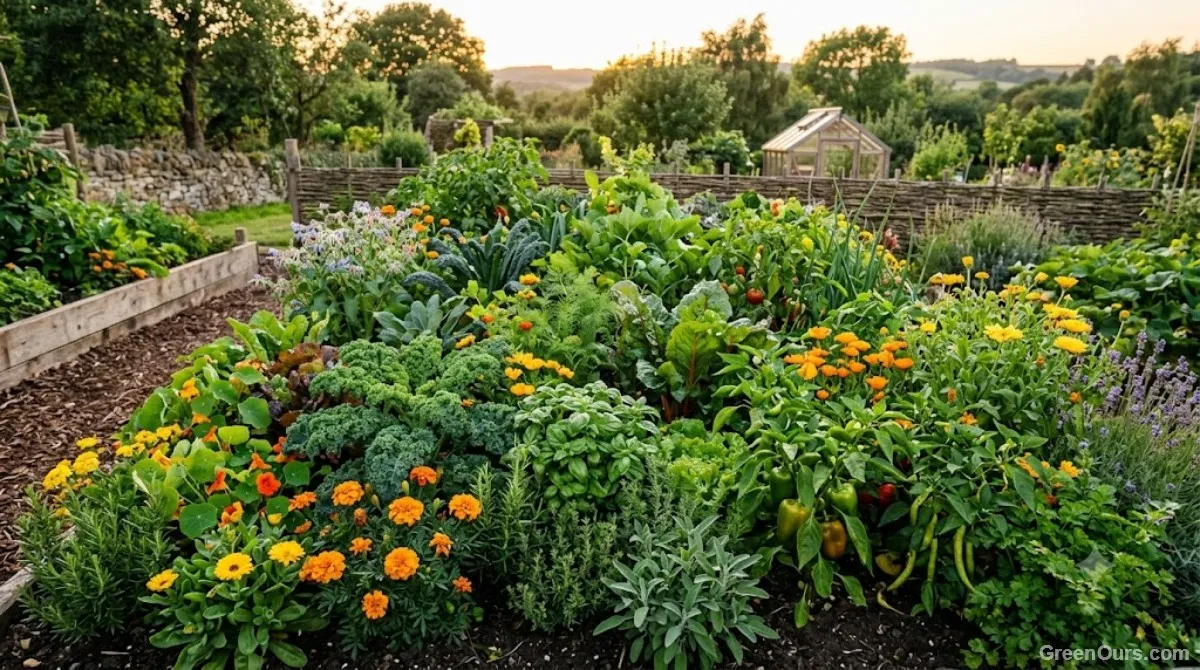
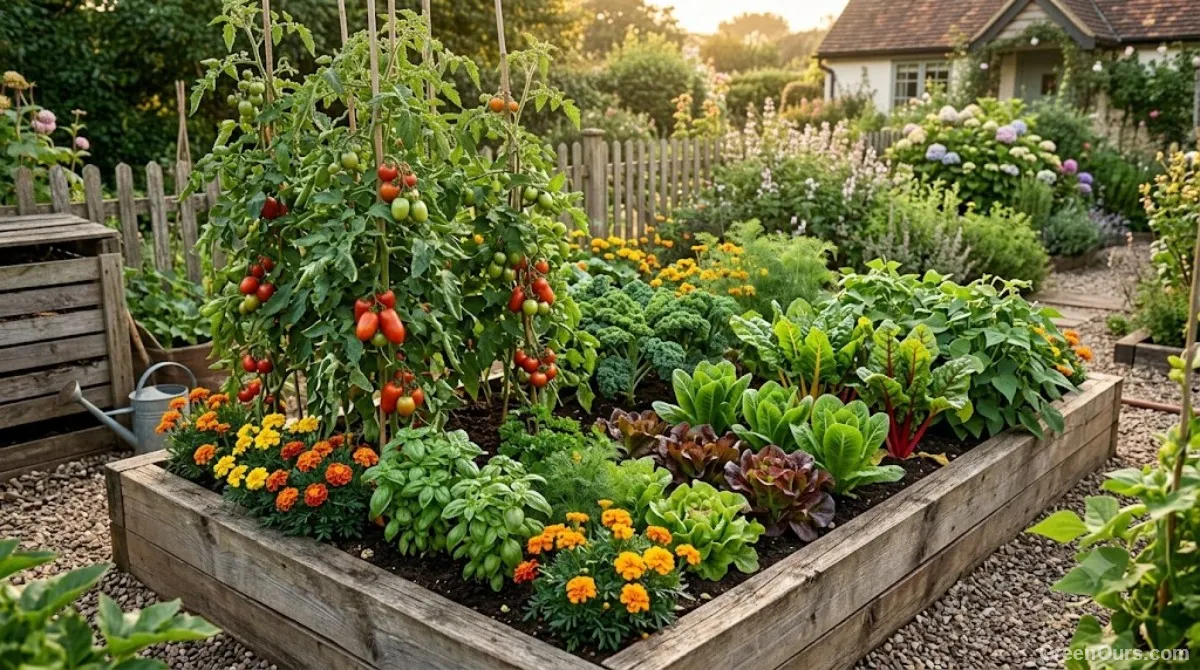
Some people naturally get along at a table, and some just don't, even if you can't always explain why. Vegetables aren't so different. Plant two crops that both want deep water and bright sun in the same square foot, and you've got competition. Plant a tall, sprawling tomato next to a low, fragrant herb that's happy in its shade, and you've got a pairing that actually works.
You don't need a botany degree to figure this out. Most companion planting comes down to three simple things: whether two plants compete for the same root space and nutrients, whether one plant's scent confuses or discourages a pest that bothers the other, and whether they simply enjoy similar light and water without crowding each other out.
Once you start thinking in these terms, the whole garden starts to look different. You're not memorizing a chart anymore, you're noticing which plants seem to lean on each other and which ones seem to be quietly competing for the same patch of soil. That's really all companion planting is at its core: paying attention to relationships, not applying a formula.
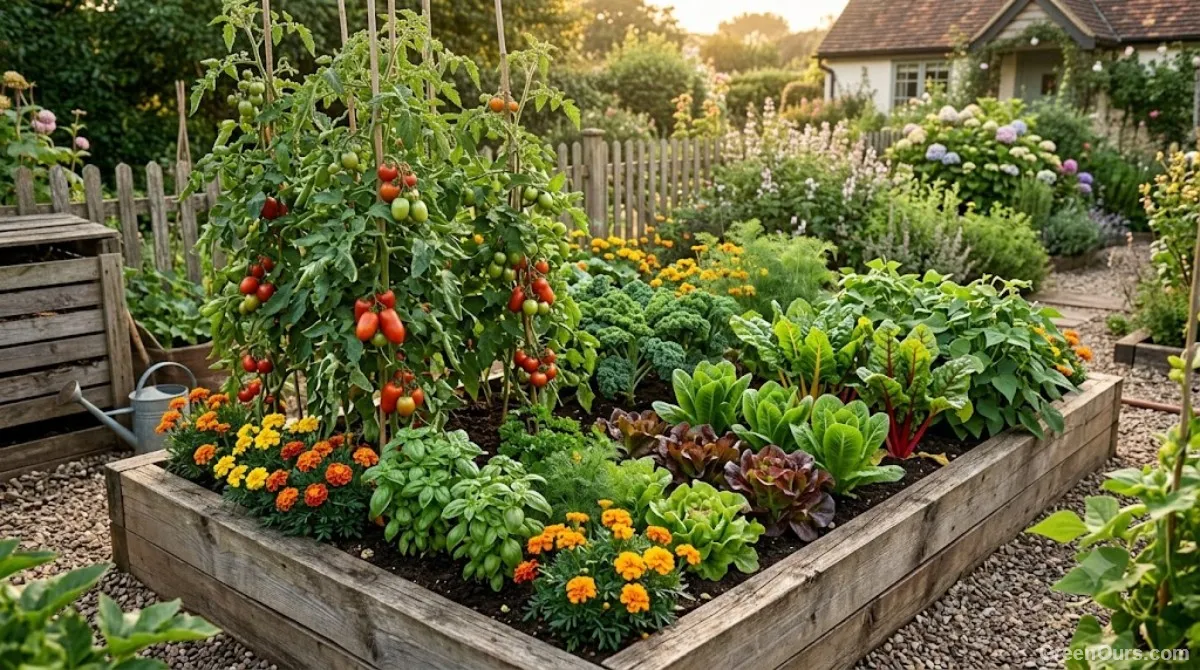
You don't need a full companion planting chart memorized. Learn five or six pairings well, and you'll have covered most of what a beginner vegetable garden actually needs.
5 Companion Planting Pairs Worth Trying This Season
Tomatoes and Basil
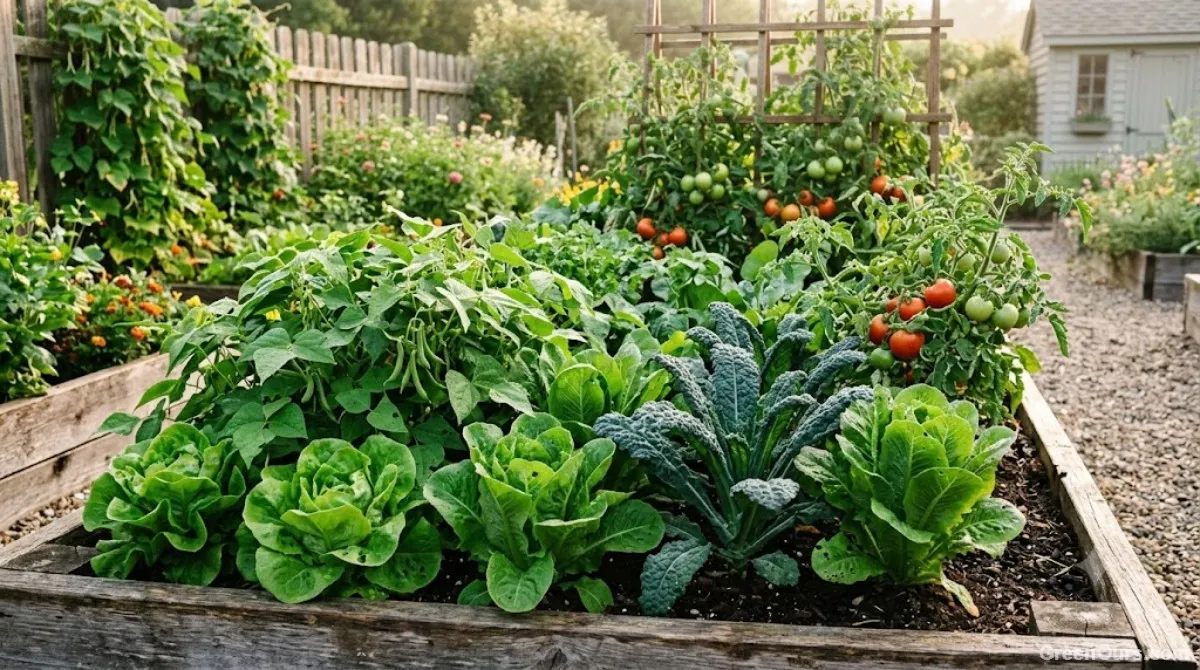
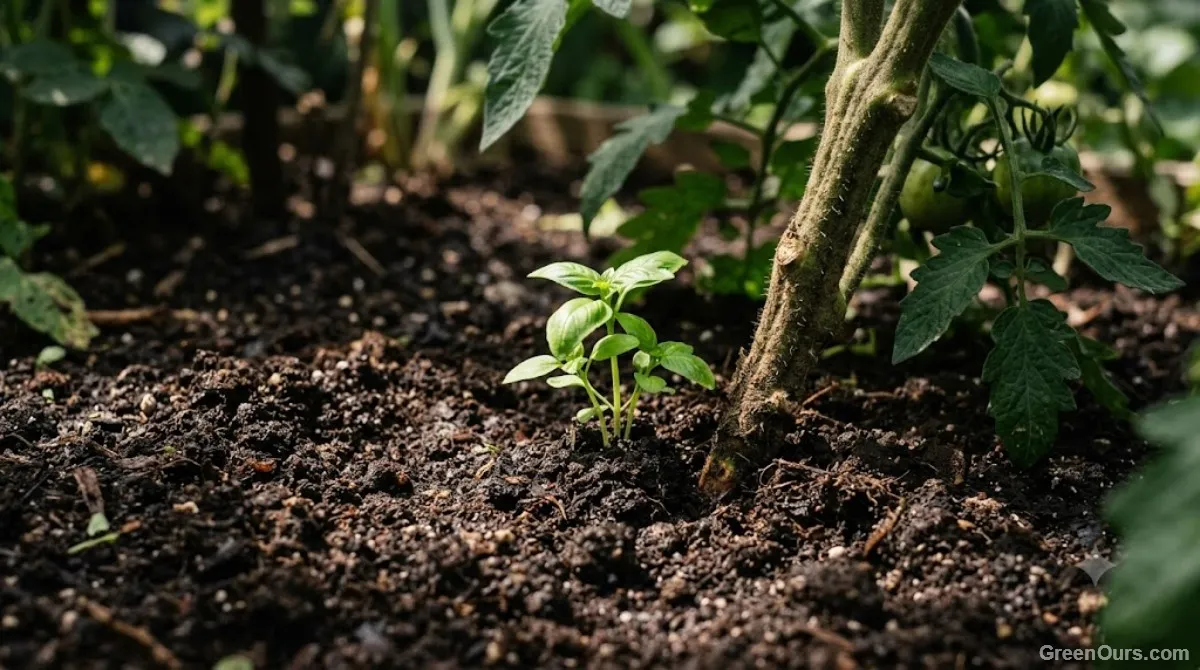
This is the pairing that started it all for me, and it's still the one I recommend to almost every new gardener. Basil is compact, it likes the same warm, sunny conditions tomatoes do, and many gardeners swear the two seem to taste better for having grown side by side, though that part is more kitchen folklore than proven science. Basil can interfere with how some pests locate tomatoes, particularly thrips and the moths behind tomato hornworms, though it shouldn't be treated as pest control on its own. Its low, bushy growth also doesn't compete for the light a tomato plant needs overhead.
Tuck a few basil plants around the base of each tomato, leaving enough room that neither is starved for airflow. You'll notice the basil doing just fine in the tomato's dappled shade during the hottest part of the day.
Carrots and Onions
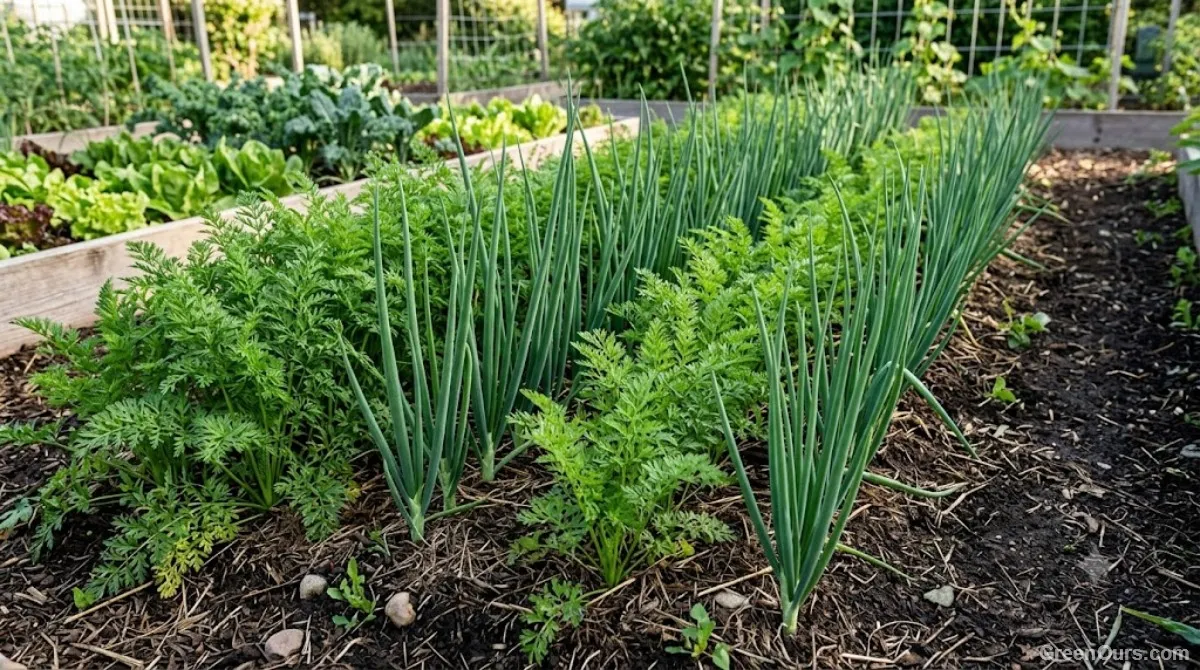
This one surprises a lot of new gardeners, because onions and carrots don't look like they'd have much in common. The trick is in what's happening underground and in the air just above it. The scent of onion-family plants may interfere with how carrot flies locate their host plants, although results can vary by garden and pest pressure. Carrots grow long and narrow rather than wide, so they're not competing hard with an onion's shallow bulb for root space.
Alternate a row of onions with a row of carrots, and you'll get two crops sharing a bed without either one crowding the other out. It's one of the easiest pairings to try if this is your first season experimenting with companion planting at all.
Carrots and Lettuce
Carrots and lettuce make efficient use of the same bed because they grow at different depths and different speeds. Lettuce has shallow roots and a quick life cycle, so it's usually ready to harvest well before the carrots below it need the extra room. Planting a row of lettuce between young carrot rows also gives the carrots some light shade while they establish, which can help in a warm early-season bed. Once the lettuce comes out, the carrots have the whole row to themselves for the rest of the season.
Beans and Carrots
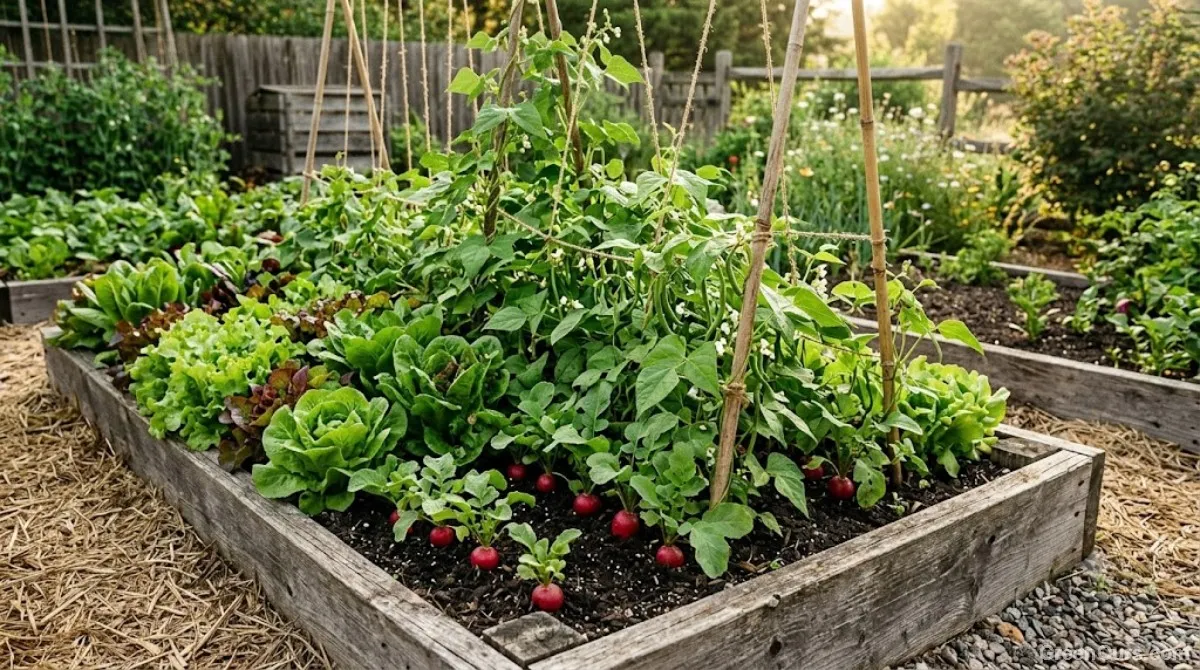
Beans and carrots can share a bed efficiently because their roots occupy different spaces. Beans fix nitrogen through their relationship with soil bacteria, but that doesn't mean nearby carrots automatically receive a nitrogen boost. The more dependable advantage here is space sharing: carrots grow downward while beans make use of vertical space.
Cucumbers and Radishes
Radishes are one of the fastest vegetables you can grow, often ready in three to four weeks, which makes them a low-risk companion to slower, sprawling cucumbers. Some gardeners plant radishes near cucumbers because the radishes may help distract or slow down cucumber beetles, though the evidence for this is mixed and shouldn't replace regular pest monitoring. What's more reliable is the practical benefit: radishes take up space early in the season before the cucumber vines need it, so you get two harvests out of one patch of ground.
| Pair | Why Pair Them | Beginner Note |
|---|---|---|
| Tomatoes + Basil | Similar growing conditions; may affect pest behavior | Leave room for airflow |
| Carrots + Onions | Different root depths; onion scent may confuse carrot flies | Alternate rows |
| Carrots + Lettuce | Different depths and harvest speeds | Harvest lettuce first |
| Beans + Carrots | Different root depths; beans mainly feed themselves | Watch bean spacing |
| Cucumbers + Radishes | Fast radish harvest frees space for vines | Don't overcrowd |
Why These Pairings Actually Help
None of this is about a plant "protecting" its neighbor the way we might think of a guard dog. It's quieter than that. A strongly scented plant can mask the smell a pest is hunting for. A shallow-rooted plant and a deep-rooted one can share the same patch of soil without competing for the same nutrients. A tall plant can offer just enough shade to keep a heat-sensitive neighbor from wilting in the afternoon sun.
The good news is you don't have to take any of this on faith. Once you start growing a few of these pairings, you may notice differences yourself: perhaps fewer pest problems around your tomatoes, or steadier growth in a mixed carrot-and-onion bed. Keep notes rather than assuming every pairing will behave the same way in your garden. Gardening rewards attention more than memorization.
It also helps to remember that companion planting is a nudge, not a guarantee. You'll still need to water consistently and keep an eye out for pests. Think of these pairings as stacking small advantages in your favor, not as a substitute for the basics.
What Companion Planting Can (and Can't) Do
Companion planting charts online often blur two very different things: relationships backed by university extension research, and traditional pairings passed down more as garden lore than tested science. Both have a place in a home garden, but it helps to know which is which before you build your whole layout around a single claim.
- Some combinations simply make efficient use of space and timing.
- Some may influence pest behavior, though rarely as reliably as a dedicated treatment.
- Some pairings work mainly because the plants share compatible light, water, or root-space needs.
- Results vary with climate, garden layout, and how much pest pressure you're already dealing with.
- None of these pairings replace regular watering, soil care, crop rotation, or pest monitoring.
The classic "three sisters" planting of corn, beans, and squash is a good example of this blend. The corn gives the beans something to climb, the beans feed the soil, and the squash's broad leaves shade out weeds and hold in moisture. It's one of the oldest documented companion planting systems, and it works because of real structural and soil relationships, not just tradition.
A Few Pairings to Skip
Companion planting works in both directions, and a few combinations are worth avoiding, at least while you're still getting comfortable. Beans and onions tend to struggle together, since alliums can slow bean growth when planted too close. Tomatoes and potatoes belong to the same plant family and share several important diseases, so separating them can reduce the chance that problems spread easily between closely planted crops. And fennel is best grown on its own altogether. It tends to inhibit the growth of many other vegetables nearby, so give it its own container or corner of the garden.
As a general rule, watch for plants that compete hard for the same nutrients or that tend to share the same pests and diseases. When two crops in the same bed start showing identical problems at the same time, that's often a sign they'd do better apart next season.
Planning Your Own Combinations This Season
Before you plant anything, it helps to sketch your bed on paper, even roughly. Group vegetables by how much water and sun they need first, since that alone solves a lot of potential conflicts. Then layer in one or two intentional pairings, like tomatoes and basil, rather than trying to companion-plant your entire garden at once.
If you haven't worked on the bed itself yet, it's worth handling that before you get attached to a specific pairing plan.
Keep a simple note of what you tried and how it went. Next season, you'll have your own record of what actually worked in your soil and your light, which will end up being more useful than any chart you could find online.
Find more beginner vegetable garden guides
What to Do Next
Pick one pairing from this list, tomatoes and basil is the easiest place to start, and try it in a single bed or container this season. Don't try to companion-plant everything at once; a single successful pairing will teach you more than a whole chart ever could.
Companion planting isn't a rulebook you need to follow exactly. It's more like getting to know your garden's personality, one season at a time, and figuring out which plants genuinely seem happier growing side by side. What's the first pairing you'll try?