
Partial Shade Isn't the Same as Full Shade — And That Distinction Changes Everything
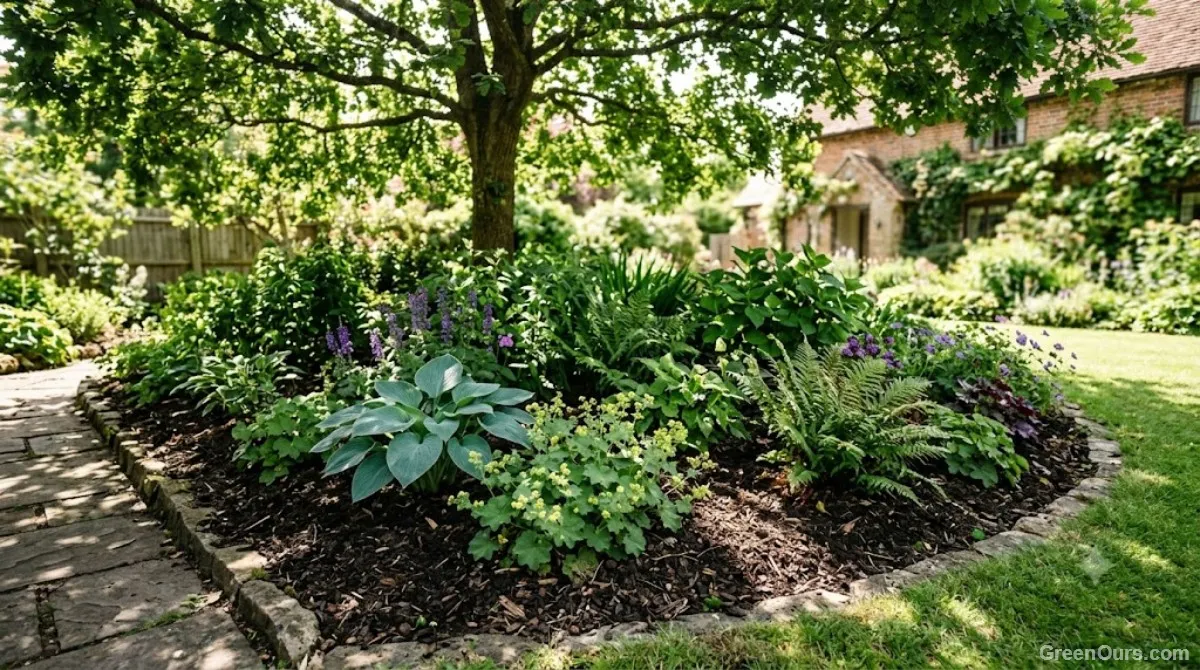
Before you write off a spot in your yard, it's worth figuring out exactly what kind of shade you're dealing with. Partial shade usually means three to six hours of direct sun, often in the morning or late afternoon rather than the harsh midday stretch. Full shade means less than three hours, or only dappled light filtering through trees all day long.
Most of the vegetables in this guide are built for partial shade. True full shade is tougher territory — you're not going to get a fruiting tomato back there, but leafy crops can still surprise you. As a rough guide to what's realistic:
- 0–2 hours of direct sun: very limited vegetable production
- 2–4 hours: shade-tolerant leafy crops
- 4–6 hours: many partial-shade vegetables
- 6+ hours: suitable for most sun-loving vegetables
One caveat worth remembering: bright, dappled, or indirect light isn't the same as direct sun, even when a spot looks fairly bright to the eye. Plants respond to direct exposure, not general brightness.
Watch your space for a full day before choosing what to plant. A spot that looks shady in April can shift completely once deciduous trees leaf out in June — track the light in the season you'll actually be growing in.
Leafy Greens That Barely Notice the Missing Sun
Leafy greens are your strongest bet in a low-light vegetable garden, and for good reason: you're harvesting the leaves themselves, not waiting on a flower to set fruit. That means less total energy the plant needs to collect from the sun.
Lettuce and Mesclun Mixes
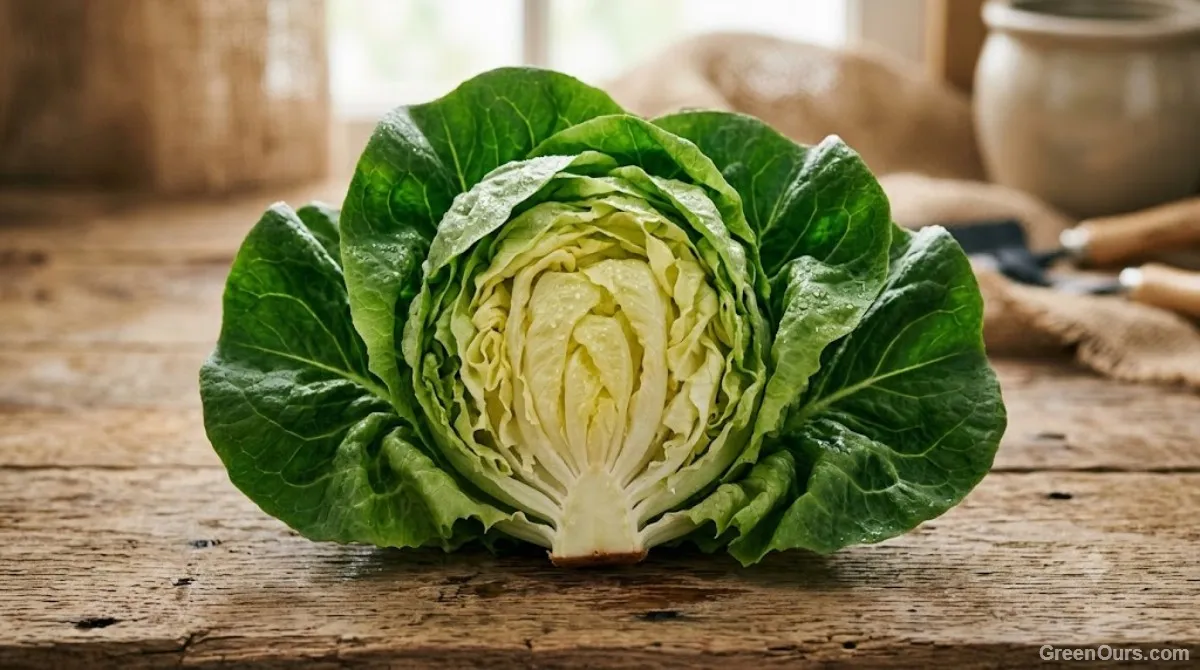
Lettuce actually prefers some afternoon shade in warm climates — too much sun makes it bolt and turn bitter fast. In a partial shade bed, you'll often get a longer harvest window than gardeners growing in full sun.
Spinach
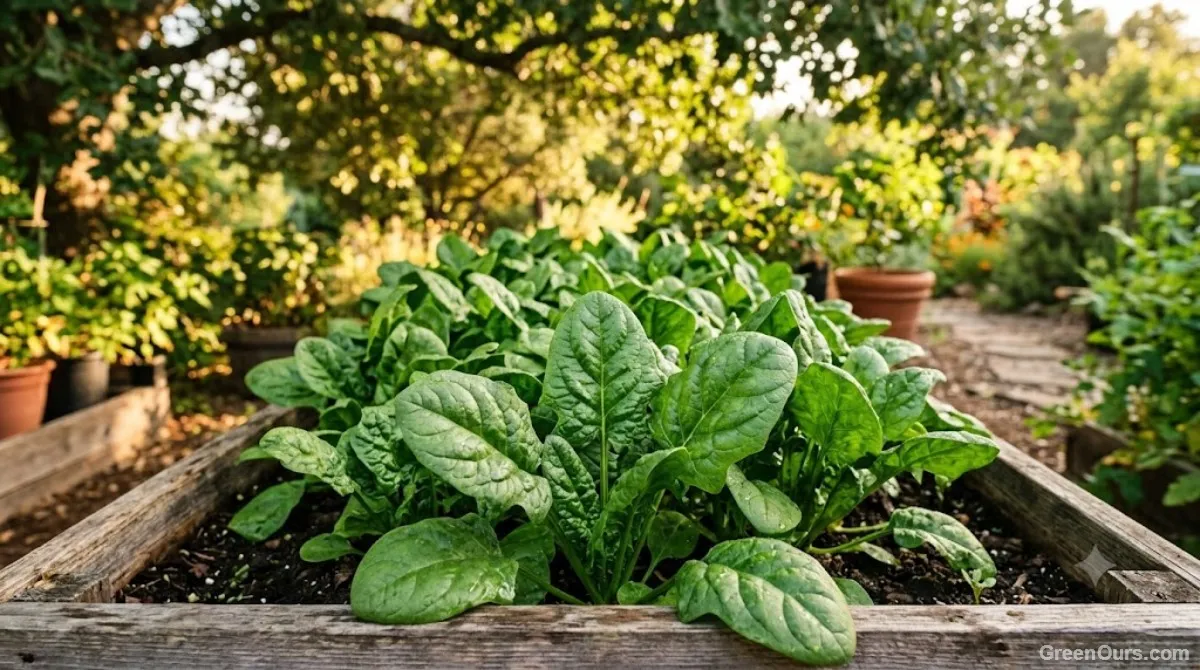
Spinach tolerates partial shade especially well, and in hot climates, afternoon shade can genuinely help — it reduces heat stress and delays bolting. Three to four hours of direct light is usually enough to keep it productive for weeks longer than a spinach patch baking in full sun.
Swiss Chard
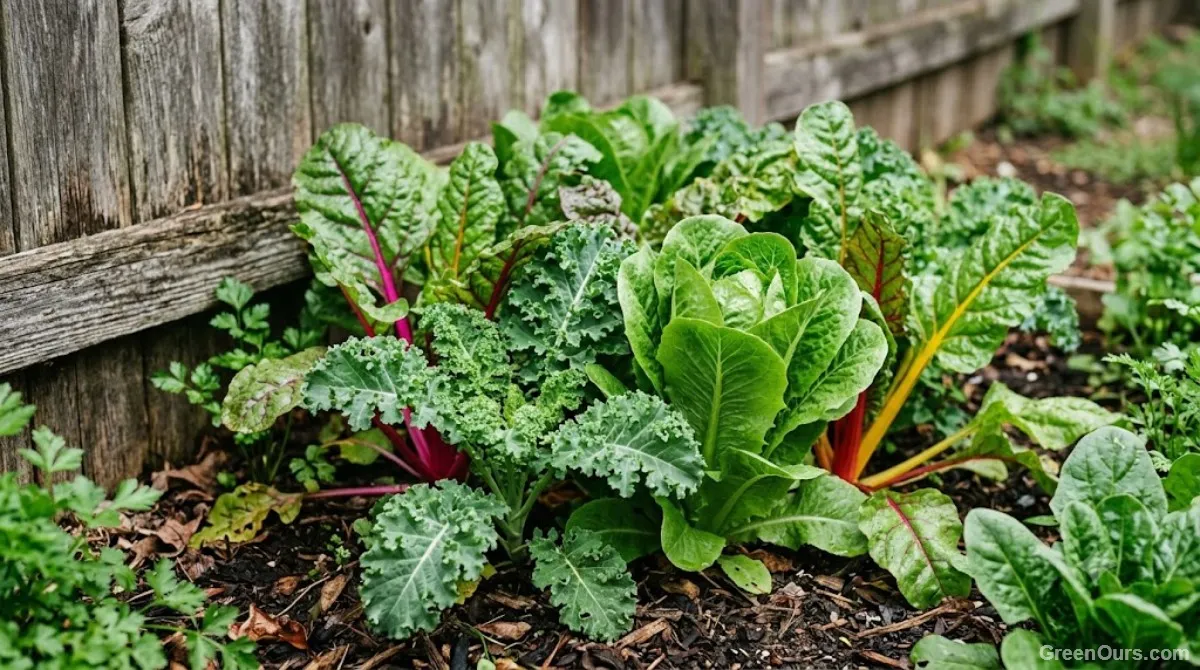
Chard tolerates shade about as well as any vegetable can. It'll grow more slowly than in full sun, but it keeps producing new leaves for months rather than bolting early like some of its leafy cousins.
Root Vegetables Worth Growing Underground, Out of the Light
Root crops split the difference — they need a bit more light than leafy greens to build up the energy for that underground storage, but several varieties still handle partial shade well.
Beets
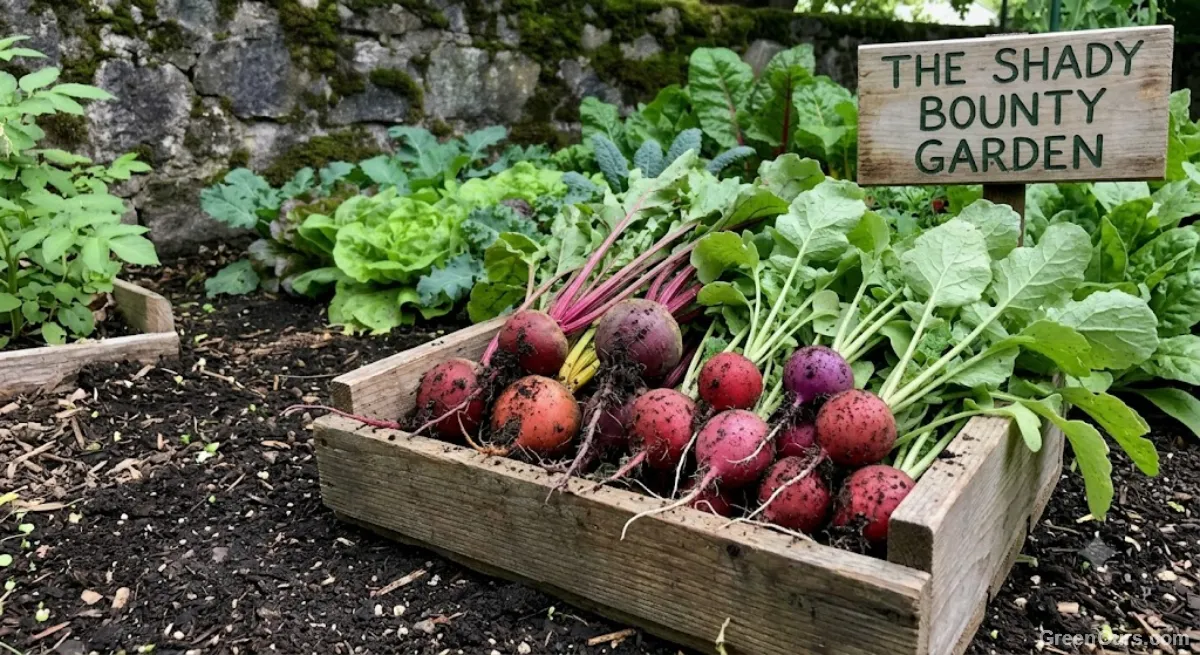
Beets will grow in as little as four hours of direct sun a day. You'll get smaller roots than a full-sun crop, but the greens are just as edible and the flavor holds up well.
Radishes
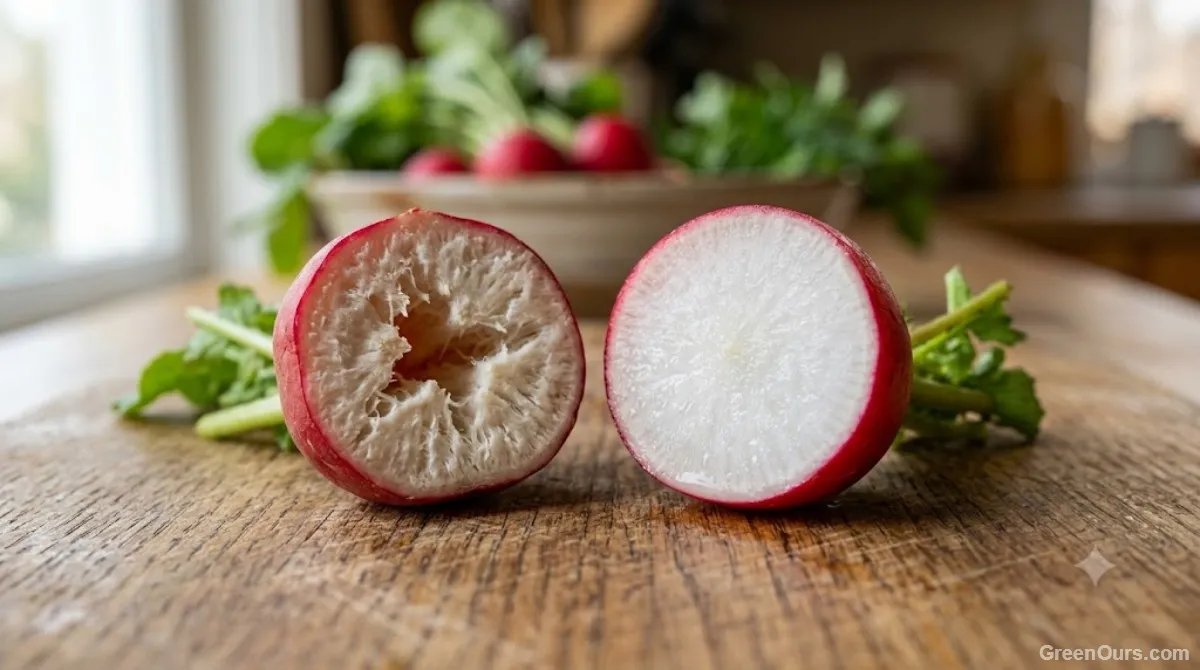
Radishes tolerate partial shade well and can still produce usable roots with just a few hours of direct light a day, though growth will be slower and the roots may come out smaller. Their fast growth cycle means they need less total light exposure than most root crops before they're ready to pull.
Carrots
Carrots are pickier, but many gardeners have decent luck with them in partial shade if the soil stays loose and the bed gets at least four hours of sun. Expect thinner roots than a full-sun harvest, though the taste doesn't suffer much.
The Brassicas That Don't Sulk Without Full Sun
Brassicas have a reputation for needing cool weather more than intense sun, which works in your favor when you're growing vegetables in shade.
Kale
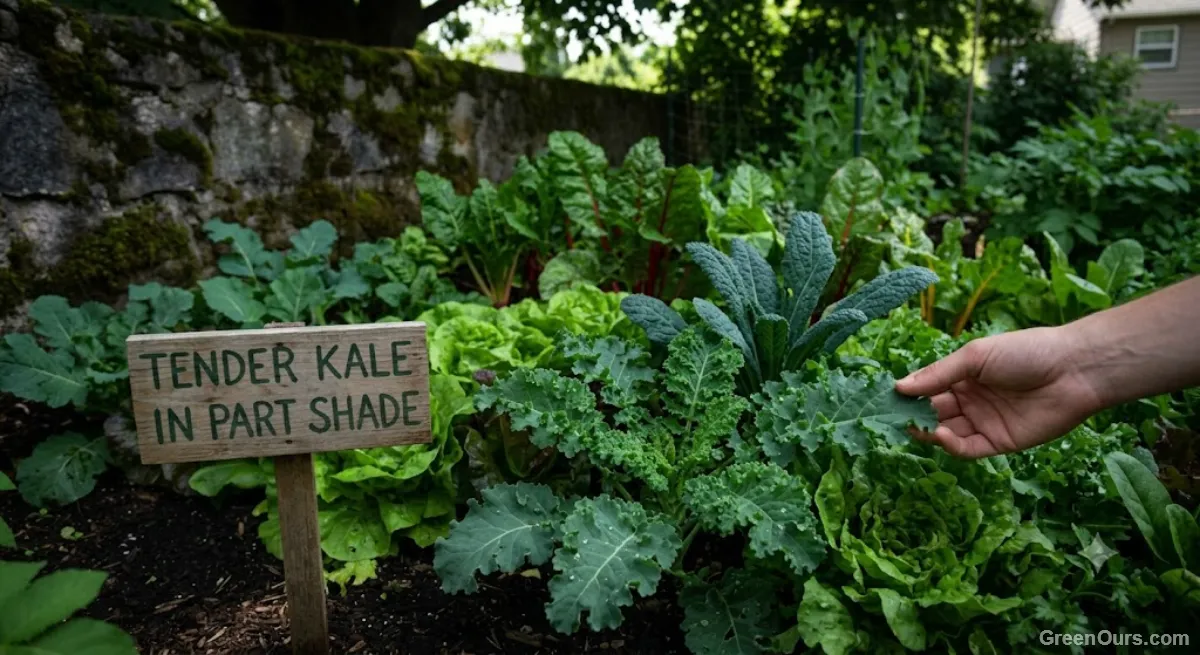
Kale handles partial shade about as well as any vegetable on this list — the leaves stay tender rather than turning tough, which is actually an upside in a shadier spot.
Broccoli and Cauliflower
Both need a bit more light to form solid heads, so give them the sunnier end of your partial shade range. In deeper shade, expect smaller, looser heads — still worth eating, just less photogenic than a farmers-market display.
Shade Vegetable Quick Reference
Here's a quick side-by-side look at how the vegetables that grow in shade covered above compare, so you can scan for the right fit before you plant.
| Vegetable | Recommended Light | What to Expect |
|---|---|---|
| Lettuce | Partial shade | Good leaf production; slower growth in deeper shade |
| Spinach | Partial shade | Especially useful in hot conditions; delays bolting |
| Swiss chard | Partial shade | Slower than full sun, but keeps producing for months |
| Radish | Partial shade | Smaller, slightly slower roots are likely |
| Beet | Partial shade | Smaller roots; greens stay fully usable |
| Carrot | Partial shade | Thinner roots; taste holds up well |
| Kale | Partial shade | Reliable leaf crop; often more tender |
| Broccoli | Partial shade (sunnier end) | Smaller heads possible |
| Cauliflower | Partial shade (sunnier end) | Needs more light for solid head formation |
Setting Up a Shady Bed So It Actually Performs
Feed Based on Soil and Crop Needs
Because growth is often slower in lower light, avoid assuming that extra fertilizer will make up for the missing sunlight. Rather than feeding on autopilot, test your soil if you can, or follow the fertilizer label's guidance for the specific crop — a general-purpose organic fertilizer applied too often can push leafy growth at the expense of everything else.
Give Roots Loose, Well-Drained Soil
Loosen the soil deeper than you might in a full-sun bed, and give plants a bit more space than the seed packet suggests. Loose, well-drained, uncompacted soil is especially worth getting right in a shadier bed, where growth is already slower and you want to avoid adding root stress on top of it.
Watering Needs Change Too
Shaded soil holds moisture longer since there's less direct sun pulling water out of it. Check the soil before watering on your usual schedule — a shady bed may need watering less often than a comparable full-sun bed, and overdoing it invites root rot.
Adjust Your Harvest Timeline
Expect slower growth overall, and for many crops, a longer stretch before harvest than you'd see in full sun — the exact difference depends on the crop, the variety, and just how much light your bed actually gets. Build some slack into your planning rather than getting discouraged when a lettuce bed looks behind schedule.
What Not to Bother Planting Back There
Save yourself the disappointment: tomatoes, peppers, eggplant, squash, and many beans generally perform best with at least six hours of direct sun. Fruiting crops spend most of their energy converting sunlight into the sugars that ripen fruit, and there's simply no substitute for that light. You can try, but you'll mostly end up with healthy-looking plants and little to show for it at harvest time. Put your fruiting crops wherever you've got the strongest sun, and let the shade handle the leafy and root crops instead.
A shady yard was never a dead end for growing vegetables — it just needed a different plant list. Once you match your crops to the light you actually have, that "problem" corner might end up being the most productive bed you've got.
Explore more beginner-friendly growing guides