
Why a Small Space Might Be Your Best Garden Yet
Here's something most people don't expect: containers can be easier to manage than a ground bed for a first-time grower because you control the soil, drainage, and growing space completely. You aren't fighting whatever native soil or hidden rocks exist in a yard. And because everything is within arm's reach, you'll notice problems—a wilting leaf, a hungry aphid—long before they get out of hand. A patio or balcony garden rewards daily attention, and attention is exactly what a beginner has plenty of.
The single biggest predictor of container gardening success isn't sunlight or soil—it's container size. Undersized pots dry out and stunt roots faster than almost any other mistake. When in doubt, size up.
Choosing Containers That Actually Work
Not every pretty pot is a good growing pot. What matters is depth, drainage, and material.
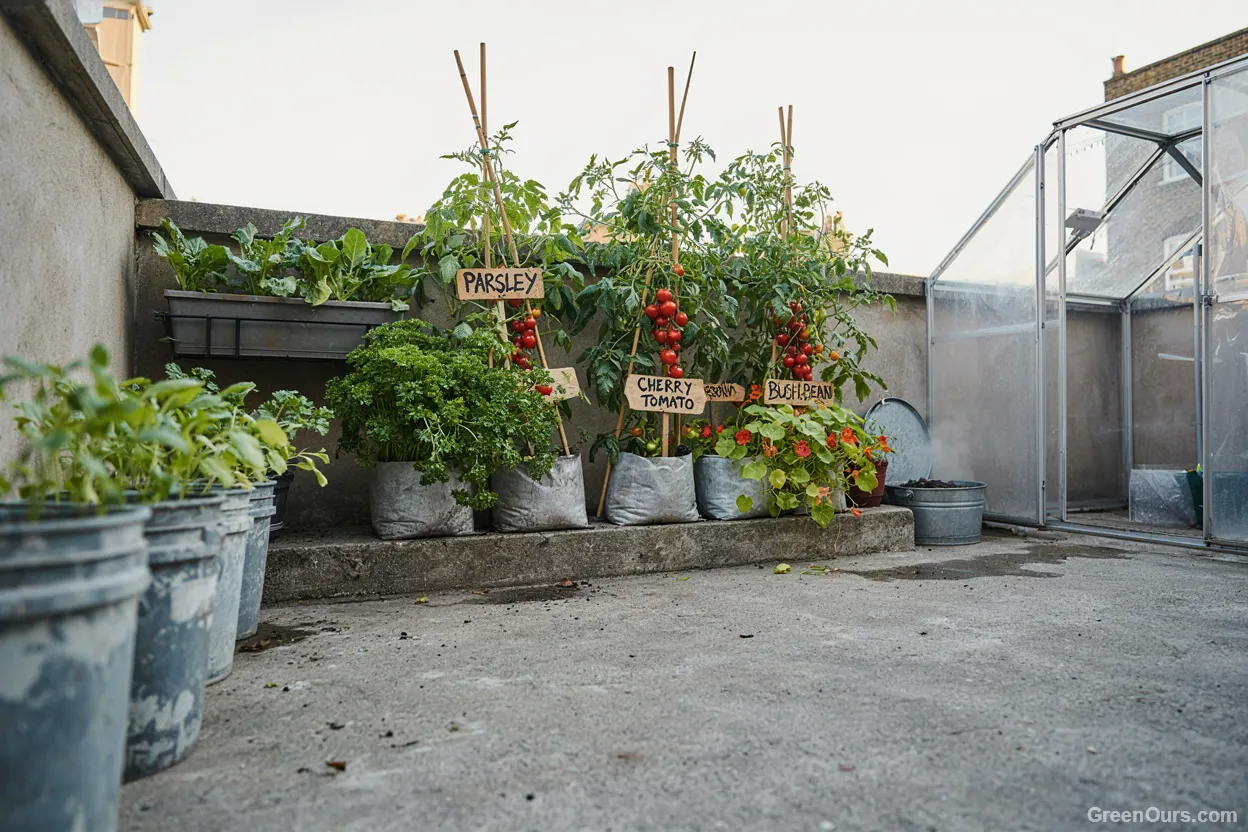
For anything beyond shallow herbs, look for at least 12 inches of depth. Shallow decorative planters might look right in a garden center, but roots need room to stretch, and shallow soil heats up and dries out fast in direct sun. Five-gallon buckets, fabric grow bags, and half whiskey barrels all clear this bar easily and cost very little.
Drainage holes are non-negotiable. If a container you love doesn't have any, drill three or four half-inch holes in the bottom before you fill it. Standing water suffocates roots faster than almost any pest or disease will.
Material matters more on a hot patio than people expect. Dark plastic and metal containers absorb heat and can warm the root zone significantly on a scorching afternoon. Fabric grow bags breathe and stay cooler, while glazed ceramic holds moisture longer than unglazed terracotta—a handy feature if you tend to forget to water.
Getting the Soil Right From the Start
Whatever you do, don't scoop soil from your yard into a container. Garden soil compacts hard in a confined space, drains poorly, and often carries weed seeds or pests you don't want indoors or on a balcony.
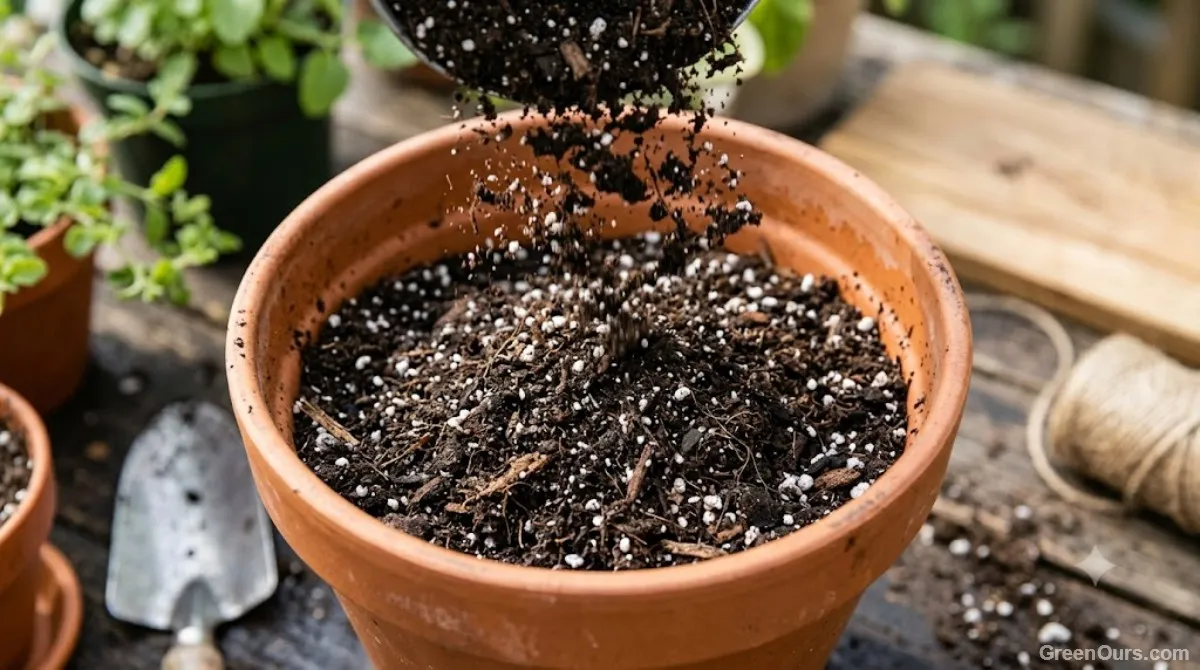
Instead, use a bagged potting mix labeled for containers, not garden soil or topsoil. A good mix feels light and fluffy in your hands, with visible bits of perlite, bark, or coco coir that keep it from packing down. If you want to give your plants a head start, blend in a couple of handfuls of compost per container—it adds nutrients without weighing the mix down.
One thing worth planning for: container soil loses nutrients faster than ground soil because frequent watering flushes them out through the drainage holes. A slow-release organic fertilizer mixed in at planting time, followed by a light liquid feed every few weeks once plants are established, keeps things growing steadily without much guesswork.
Five Easy Crops for Small-Space Growing
Not every vegetable is suited to a pot. These five are forgiving, compact, and genuinely productive in a small footprint.
Loose-Leaf Lettuce
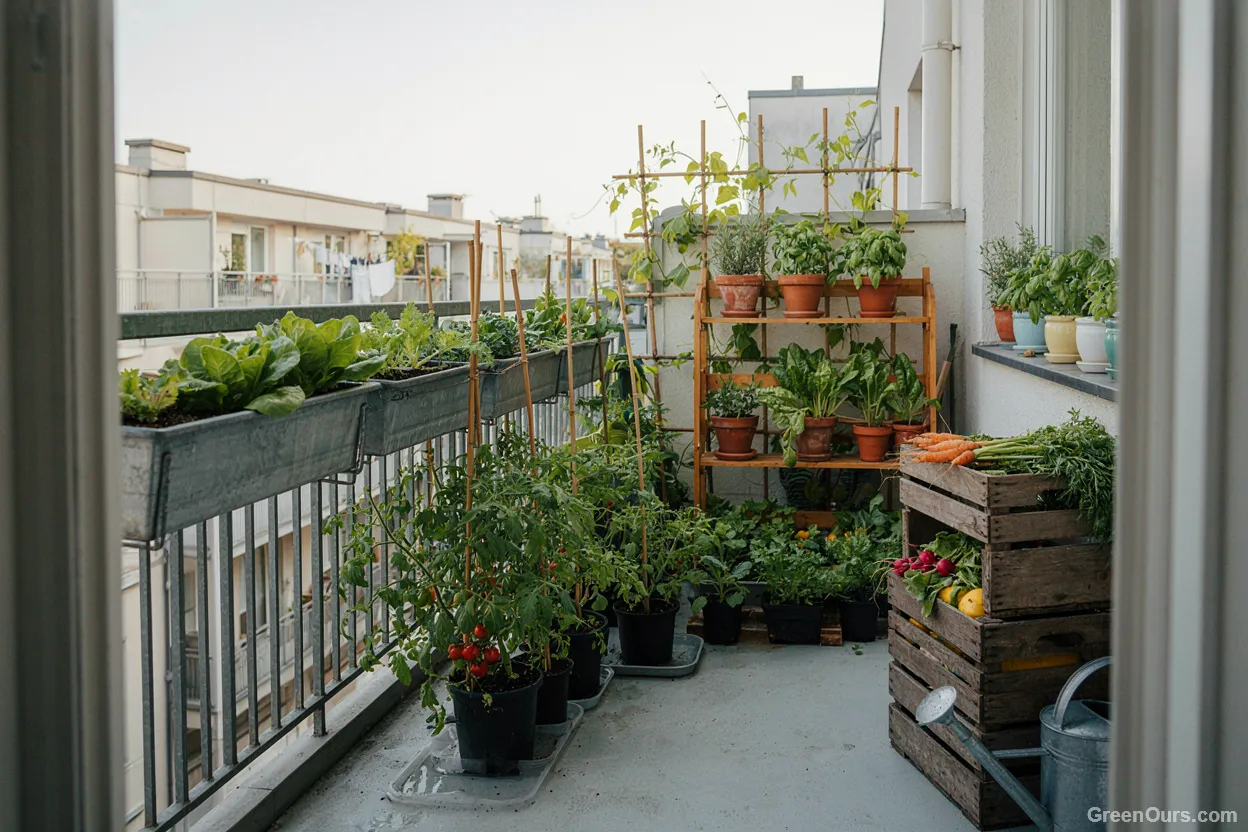
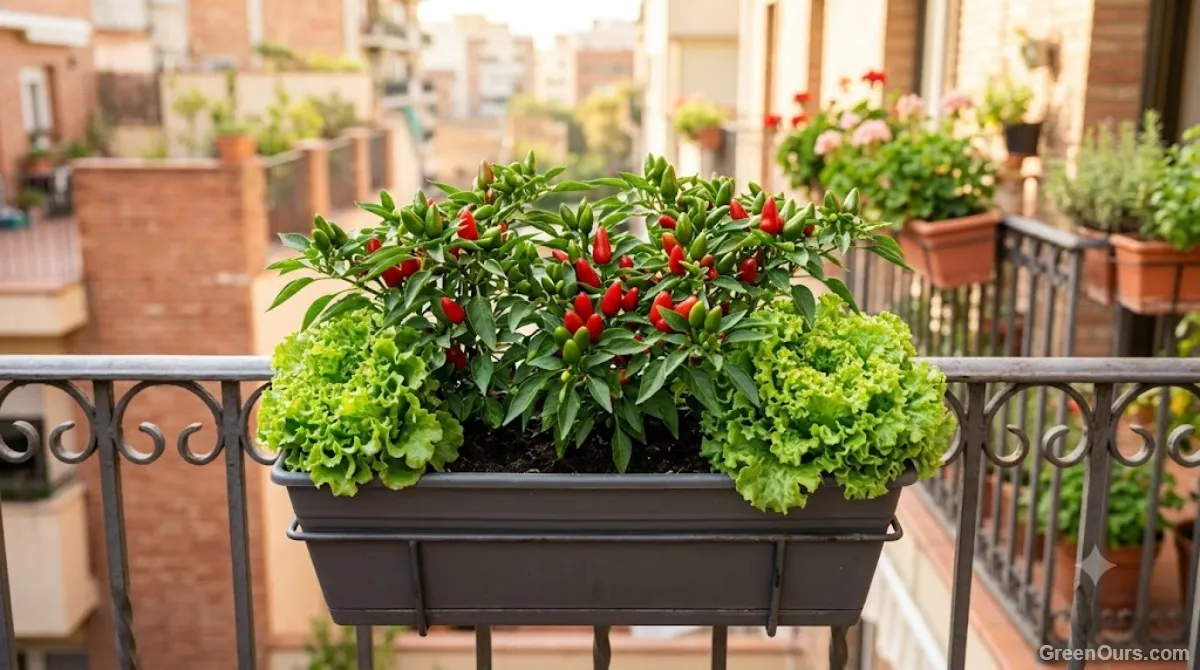
Lettuce is about as beginner-proof as vegetables get. It grows shallow, tolerates partial shade better than most crops, and you can harvest outer leaves continuously without pulling the whole plant. A window box or shallow railing planter is plenty of room.
Compact Peppers
Skip the sprawling heirloom varieties and look for compact or patio-bred pepper cultivars. They stay under two feet tall, handle a five-gallon bucket comfortably, and reward full sun with a steady trickle of fruit through the season rather than one big harvest.
Bush Beans
Unlike pole beans, bush varieties don't need a trellis or a lot of vertical space. A single 12-inch container can hold several plants, and they're quick enough that a beginner sees results within a couple of months.
Herbs — Basil, Chives, and Parsley
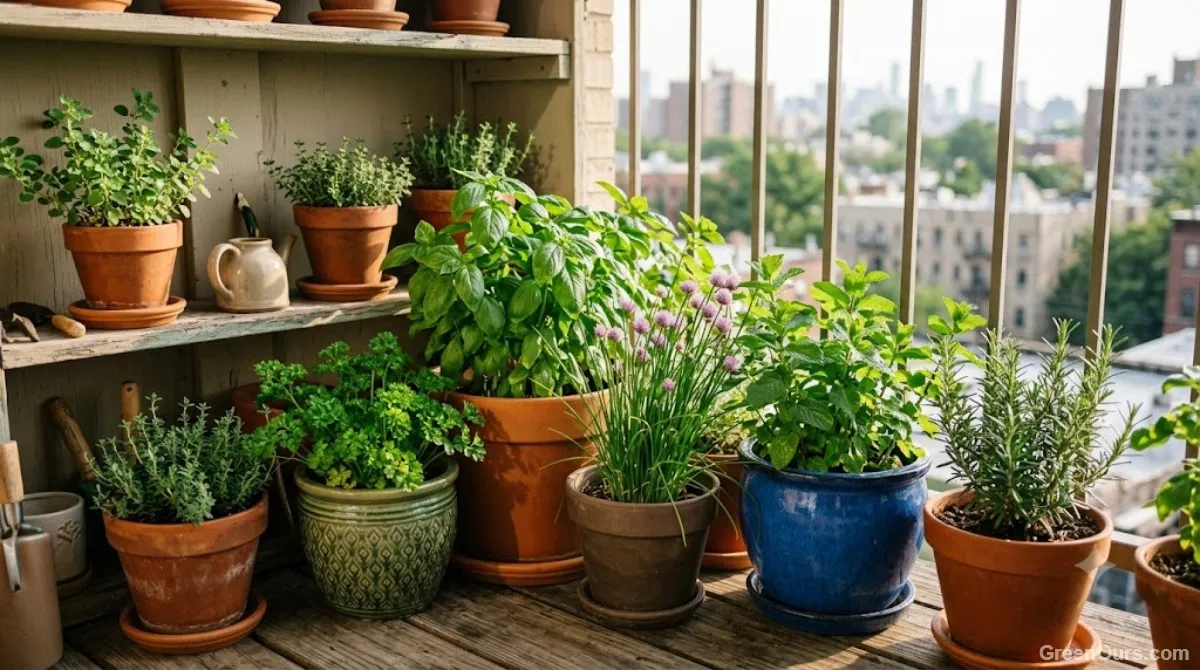
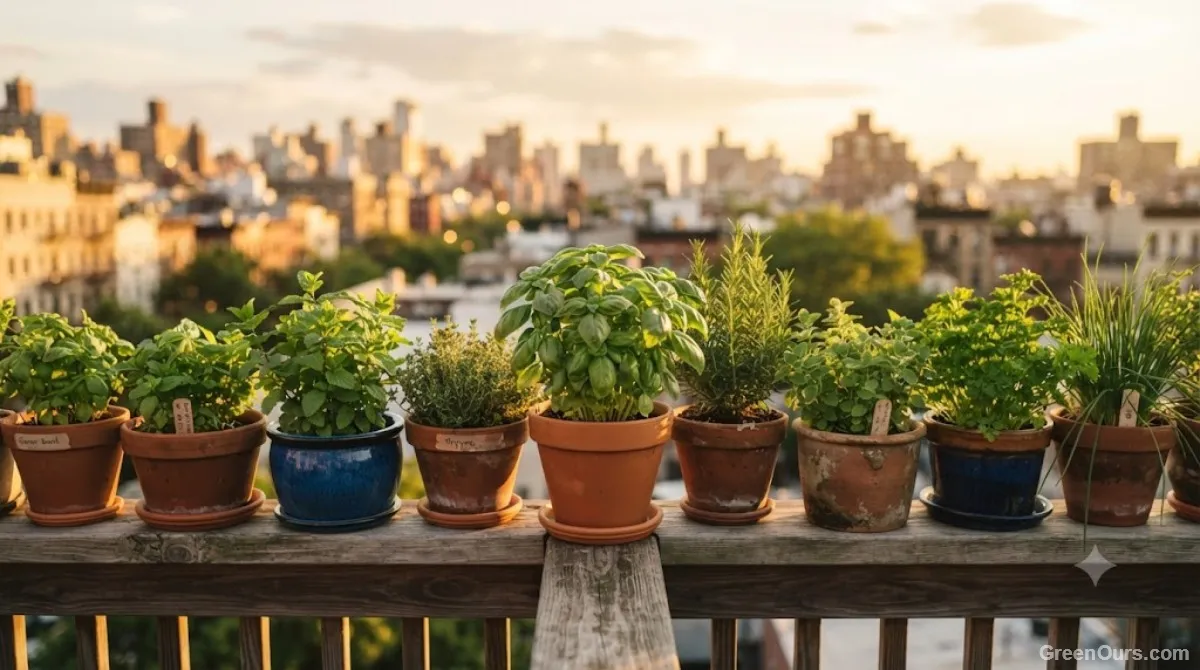
Herbs are the easiest possible win for a small space, and they make every other vegetable you grow taste better. A single railing planter can hold three or four different herbs, and most tolerate the slightly irregular watering that happens when life gets busy.
Cherry Tomatoes (Determinate Varieties)
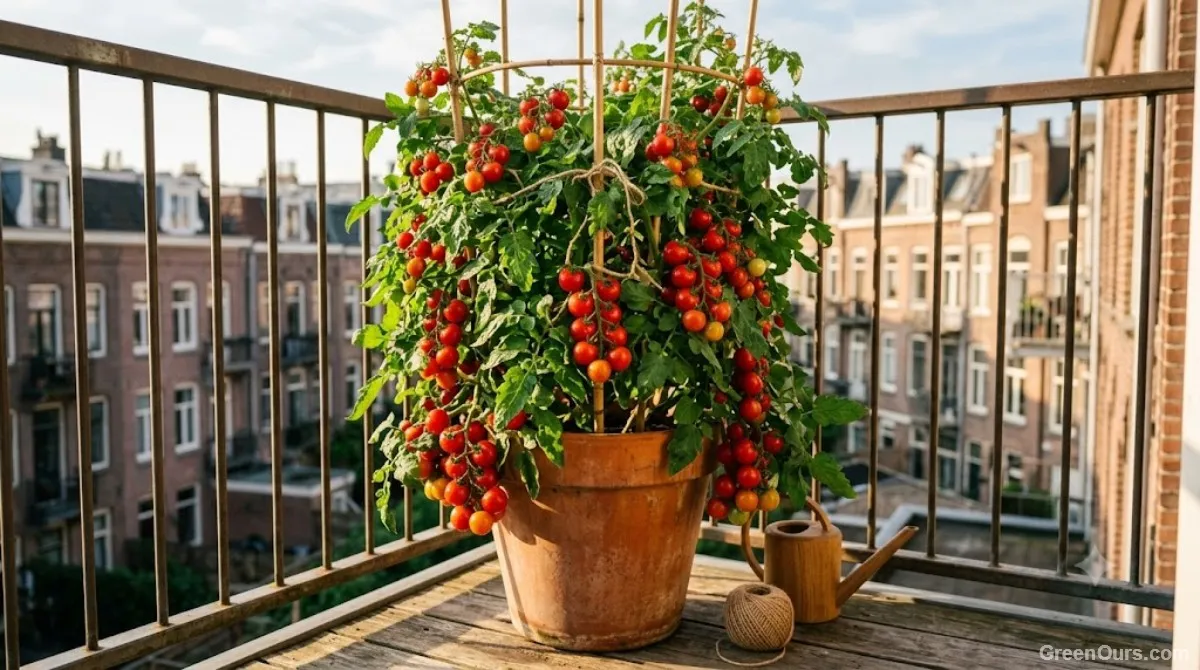
Full-size indeterminate tomatoes need too much root space for most standard pots, but determinate or dwarf cherry varieties stay compact and still produce heavily. A 15-gallon container with a small cage gives you a genuinely productive tomato plant on a patio.
What to Expect in Your First Season
Container plants are thirstier than you'd think—on a hot day, some may need water once or even twice. Stick a finger an inch into the soil before watering; if it's dry at that depth, it's time. Don't be discouraged if your first lettuce bolts a little early or your first pepper plant looks smaller than the garden-center photo promised. Containers are a learning curve, and most of that learning happens by watching what your specific spot does with sun and heat over a season.
Troubleshooting the Basics
If leaves are yellowing from the bottom up, it's usually overwatering or a nutrient shortage—check drainage first, then feed. If growth stalls despite regular watering, the container is likely too small or the roots have become crowded; sizing up often solves it within a couple of weeks. And if plants lean hard toward one side, simply rotate the container every few days so all sides get even light.
Explore more small-space growing guides