
Why Chili Plants Flower So Freely
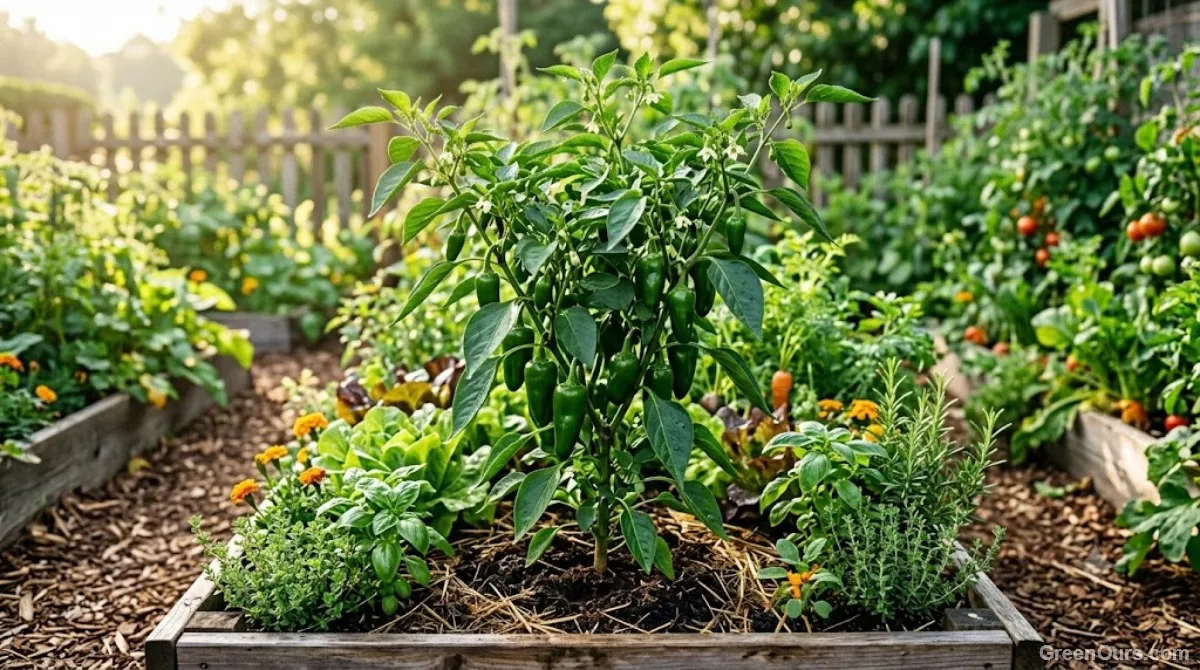
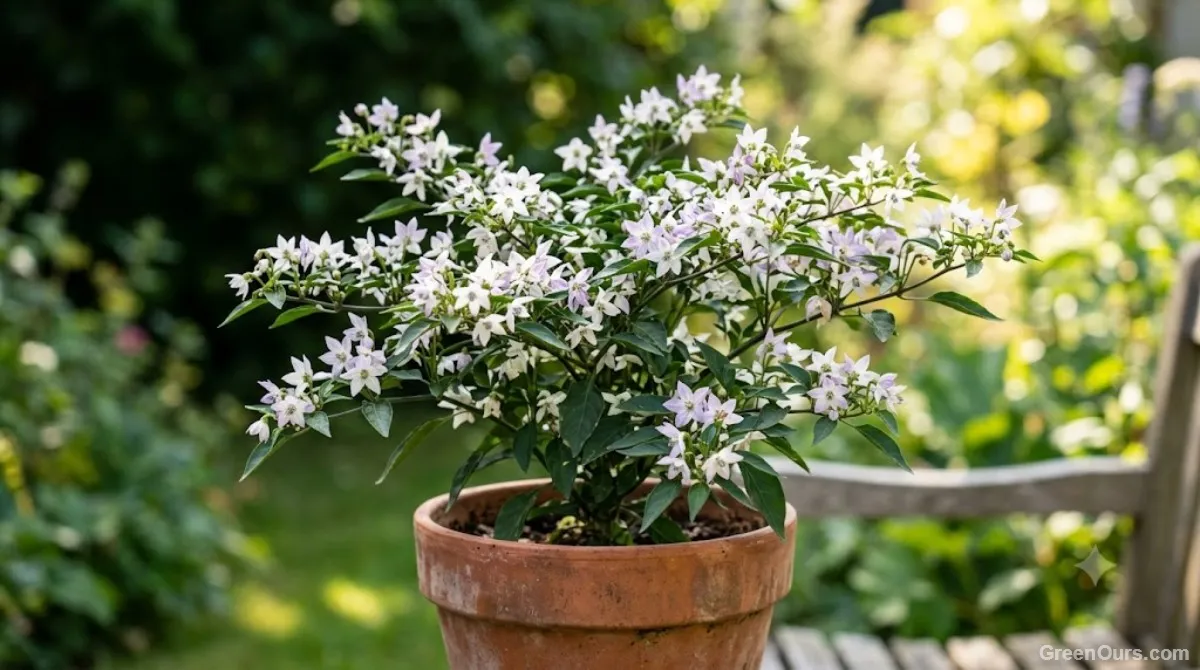
Unlike some vegetables that pace themselves, chili peppers tend to throw out flowers in waves, sometimes dozens within a single week. The plant can keep producing them even when conditions aren't ideal for carrying those flowers through to fruit.
That's worth sitting with for a moment, because it reframes the whole problem. A flower-covered plant isn't automatically a healthy, well-supported plant. It just means the plant is blooming, and turning those blossoms into peppers is a separate step that gets interrupted most often.
What Fruit Set Actually Looks Like
Knowing what success looks like makes everything else easier to diagnose. A pollinated flower loses its petals, and a tiny green swelling begins to form where the flower was attached. That swelling is the baby pepper, and over the following weeks it gradually enlarges.
If instead the whole flower, stalk and all, turns yellow and drops off without any swelling left behind, fruit probably didn't set. Petals falling by themselves are normal; it's the swelling that tells you what happened.
The Temperature Window Peppers Prefer
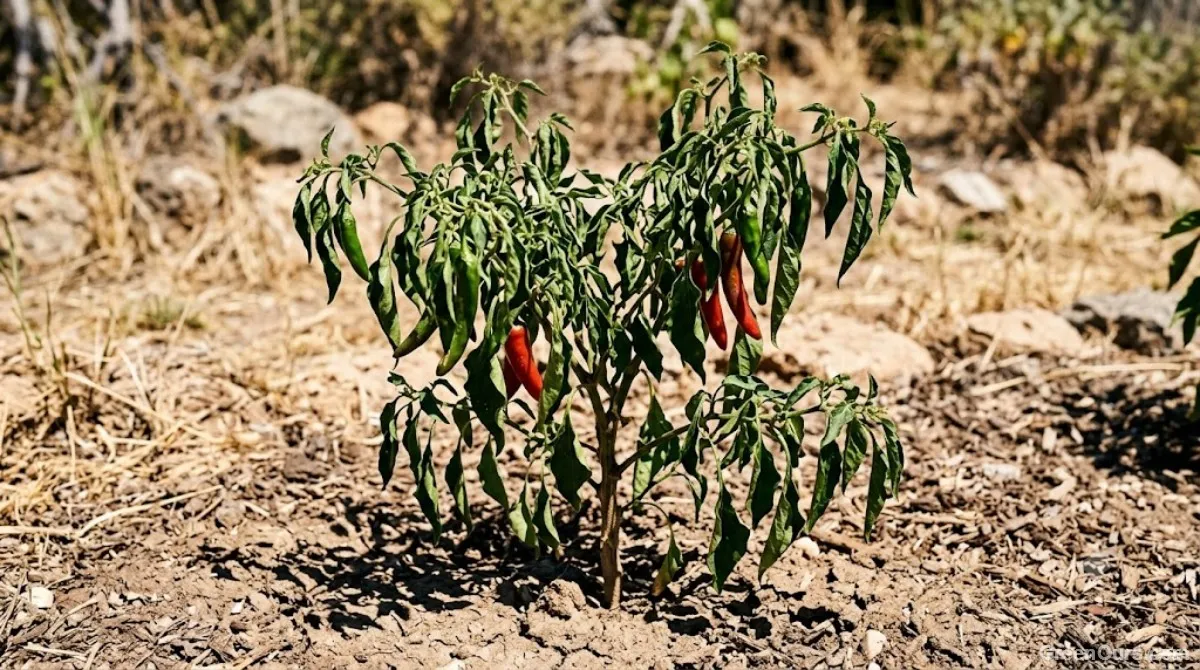
This is the piece that trips up the most beginner growers, myself included. As a general fruit-set range, many chili peppers do well when daytime temperatures sit roughly between 70°F and 85°F (21°C to 29°C) and nights don't dip much below 60°F (15°C).
Outside that range, pollen can lose viability and flowers may drop without setting fruit. A long heat wave, very warm nights, or a cold snap can all do it, though the effect varies with the variety, the humidity, and how long the stretch lasts. The flower opens, looks perfectly normal, and then falls off a few days later with nothing behind it.
Signs the Weather Is the Culprit
Flower drop that lines up with a heat wave or cold snap, healthy green foliage with no pest damage, and a plant that resumes setting fruit once temperatures settle are all strong clues. During a hot stretch, afternoon shade and evenly moist soil can help.
Getting Pollen Where It Needs to Go
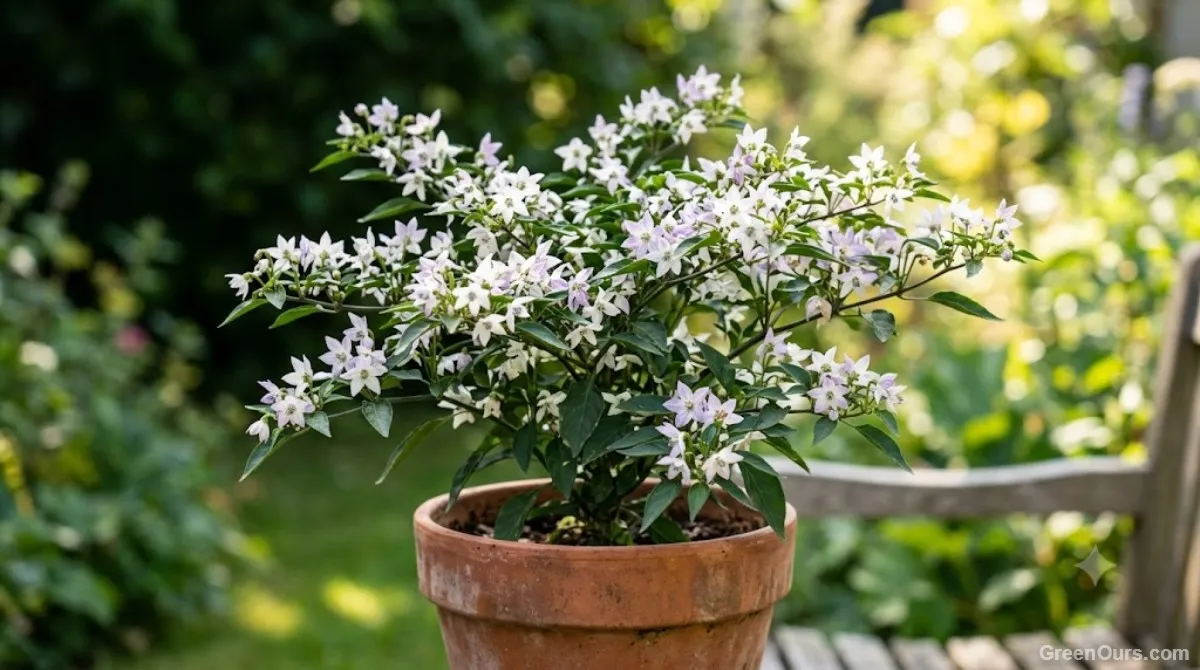
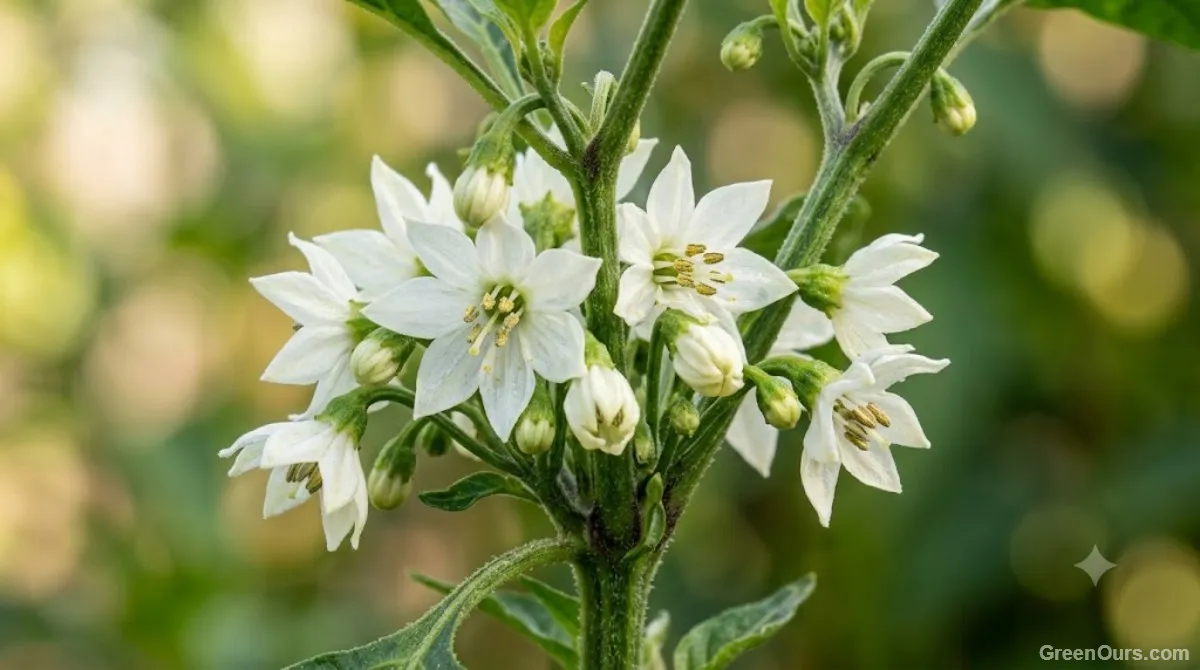
Chili flowers are self-fertile, meaning each one carries both the pollen and the part that receives it. Outdoors, wind and visiting bees usually handle the transfer without any help from you. Indoors, on an enclosed balcony, or during a still stretch of weather, that transfer may not happen often enough.
You can help by gently flicking or tapping flowering stems every day or two, ideally around midday when pollen tends to release most easily. A small, soft paintbrush works too, brushed lightly across the center of each open flower. It only takes a few seconds per plant, and it can improve fruit set on chilies grown in sheltered spots.
Other Causes Worth Ruling Out
If temperature and pollination check out, one of these quieter causes may be at work.
Too Little Light
Chilies generally do best with around 6 to 8 hours of strong sunlight where practical. In lower light, a plant may flower but lack the energy to carry fruit, and growth tends to look stretched.
Root Stress and Small Containers
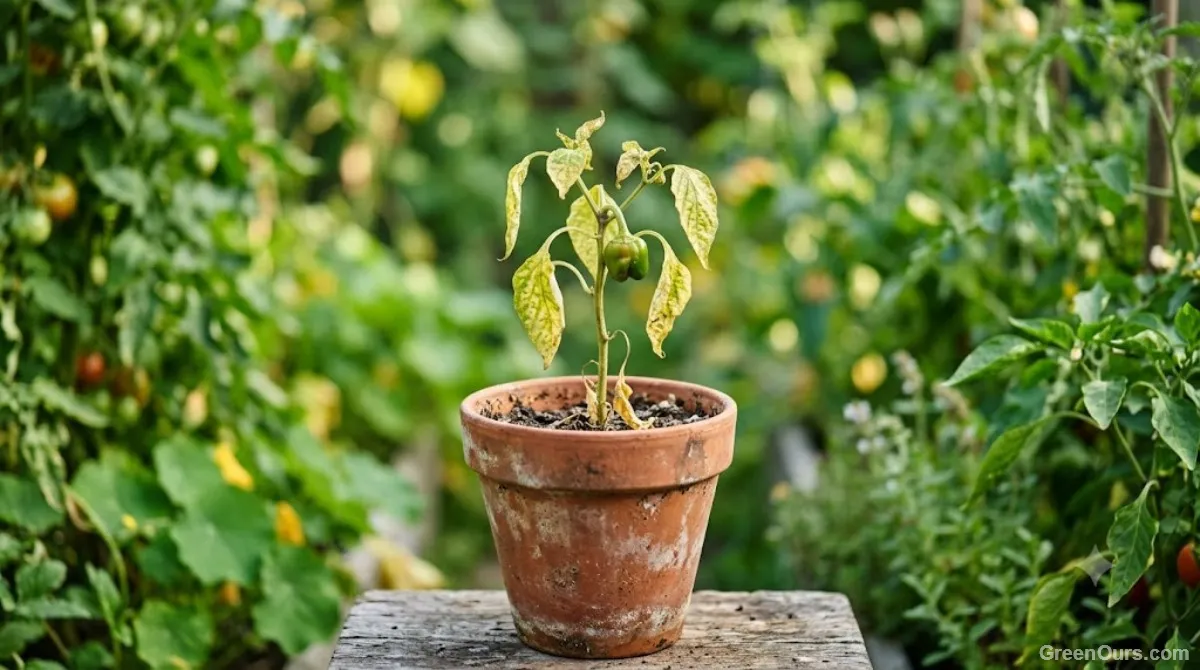
Recently transplanted plants, and plants cramped in pots that are too small, can drop flowers while they sort out their roots. A pot that dries out in a day or two adds to the stress.
Uneven Watering
Letting the soil swing between bone dry and soaking wet adds stress that can contribute to flower drop right alongside temperature swings. Aim for evenly moist, never soggy.
Young Plants and Slow Varieties
Very young plants often flower early and drop their first blossoms while they're still building size. Some varieties, especially very hot types, are also simply slower to set fruit, so check what your variety normally does. Crowded plants get less airflow, which makes hand pollination more useful too.
Pests and Disease
If flowers or tiny fruit look distorted or scarred, or you can see insects on the buds and leaves, inspect for pests before changing your watering or feeding. Weather and pollination are the more usual suspects, but a quick look under the leaves and around the buds takes only a minute.
When Feeding Backfires
It feels intuitive to reach for fertilizer when a plant looks like it's struggling to produce. With chilies, that instinct can work against you. Fertilizer that's heavy in nitrogen encourages leafy growth, which can come at the expense of flowers turning into fruit.
You'll often see this as a lush, dark green plant with plenty of new blossoms and very few pods. Rather than chasing a particular formula, avoid heavy nitrogen once flowering starts and follow the label on a balanced fertilizer. If you're growing in the ground, a soil test can show what your soil actually needs.
Match What You See to the Likely Cause
Use this table as a quick starting point. It shows common triggers rather than guaranteed causes, since several can overlap.
| What you see | Likely cause | What to try |
|---|---|---|
| Flowers fall during a heat wave | Heat stress | Add afternoon protection and keep roots evenly moist |
| Flowers drop after a cold snap | Cool temperatures | Protect plants on cold nights and wait for warmer weather |
| Healthy-looking flowers but no fruit, indoors or in a sheltered spot | Poor pollen movement | Gently tap flowering stems every day or two |
| Lots of leaves and flowers, little fruit | Excess nitrogen | Ease off high-nitrogen feeding and use a balanced fertilizer per the label |
| Flowers drop after dry-then-soaked swings | Water stress | Keep moisture more even |
| Fruit starts to form, then drops | Environmental or root stress | Check temperature, moisture, and pot size |
| Stretched growth with few flowers or fruit | Too little light | Move to a sunnier spot |
| Distorted or scarred flowers or tiny fruit, or visible insects | Pests | Inspect buds and leaf undersides before changing water or feeding |
How Long Should You Wait?
Peppers set fruit in flushes, so patience is part of the diagnosis. Here's a rough way to think about it:
- Freshly opened flowers: don't judge them yet.
- A few days after flowering: look for the tiny swelling behind the flower.
- One flush that didn't set: give the plant another week or two, since it may just be between flushes.
- Some fruit setting: probably normal, even if many flowers drop.
- Several flowering cycles with almost no fruit: it's time to work through the causes above methodically.
Change one thing at a time so you can tell what helped. A plant that seems to be doing nothing for a couple of weeks is often just between flushes, quietly building toward the next round of flowers.
Count the swellings, not the flowers. A plant with dozens of blossoms and a handful of tiny pods is doing better than it looks.
Where to Start
If you only do one thing this week, check the weather and your pollination. Tap the flowering stems on a still day, add some afternoon shade if it's been hot, and hold off on heavy nitrogen. Then look for that tiny swelling behind the flowers over the next several days.
Most chili plants that flower without fruiting aren't sick or struggling, they're just waiting on one or two conditions to line up. Watch the weather, lend a hand with pollination when the air is still, and go easy on the nitrogen once flowering starts, and you'll likely see those blossoms finally start turning into something you can actually pick.
Notice whether your flowers hold on better on cooler mornings or shadier days. That pattern is often your biggest clue.
Ready to give it another go? Check your plant this weekend for that tiny swelling behind a flower.