
Two Very Different Flowers Are Doing Two Very Different Jobs
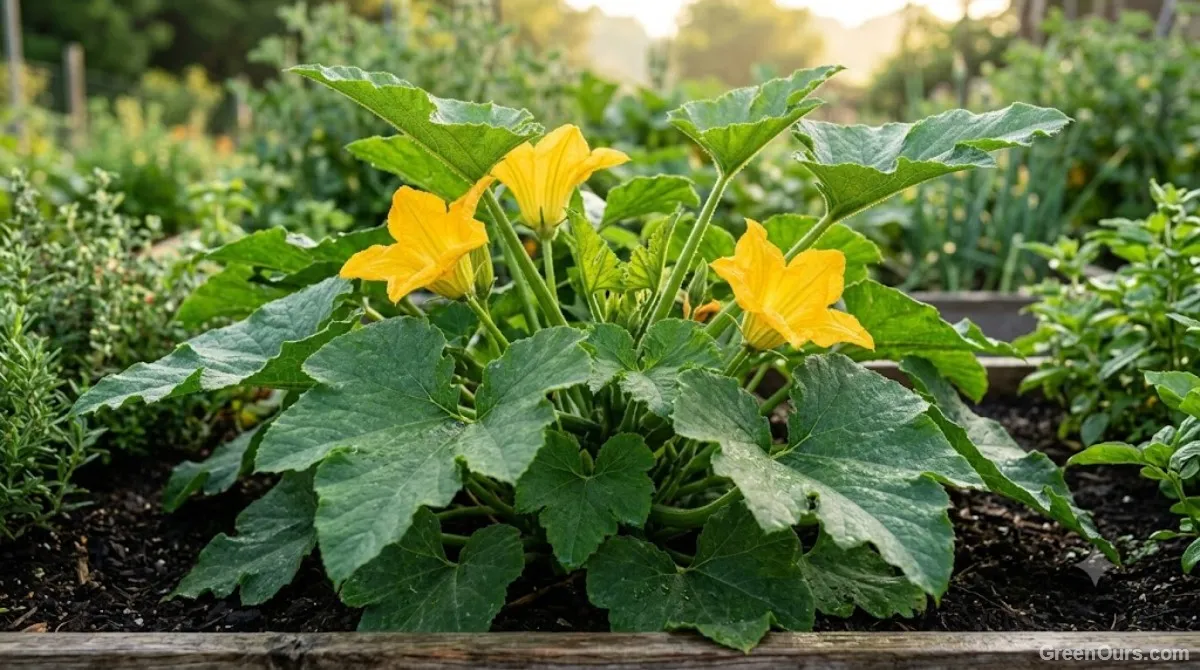
Here's the piece of the puzzle most beginners never get told: a single zucchini plant grows two distinct kinds of flowers, and only one of them can ever turn into squash.
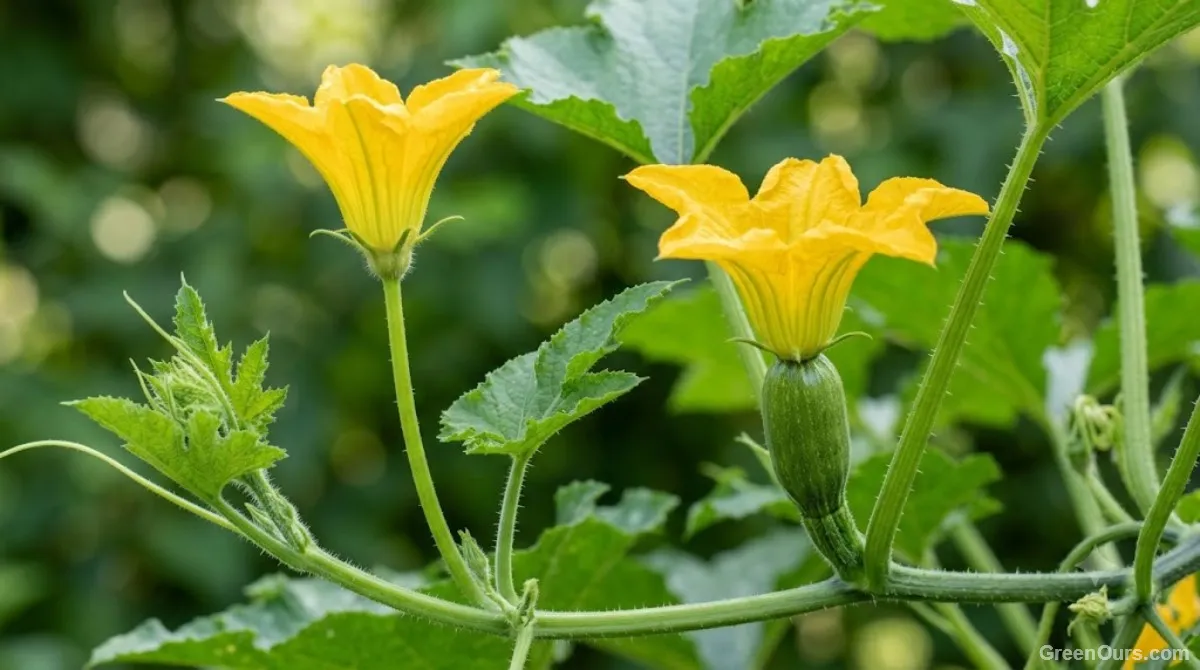
Male flowers usually show up first, often a week or two before any female ones appear, and they tend to arrive in a rush. They sit on long, slender stems and their only job is to offer up pollen. Female flowers look a little different if you know what to check for. Right behind the petals, where the flower meets the stem, you'll spot a tiny bulge shaped like a miniature zucchini. That bulge is the ovary, and it swells into squash, but only once pollen has reached it.
So when people say their plant is "all flowers, no fruit," they're often seeing mostly male flowers, or female flowers that opened and closed without ever getting pollinated. The tiny squash on an unpollinated female flower will typically yellow, shrink, and drop within a few days. That's usually not disease. It's simply nature saying "no pollen made it here in time."
Look for the swelling right behind the flower petals. If it's there, you're looking at a female bloom, and its success depends on pollen arriving while it's open.
Why Pollination Is the Real Bottleneck
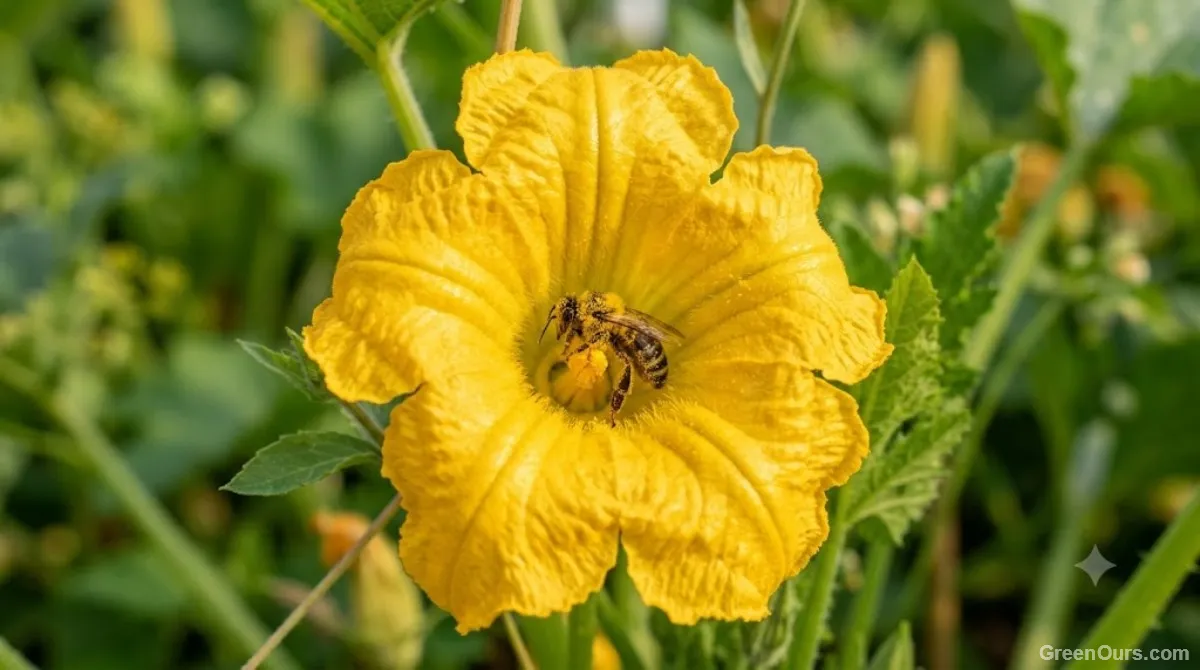
Zucchini relies mostly on bees and other insects to move pollen from male flowers to female ones. Each flower typically stays open for just one day, usually closing by early afternoon, which gives pollinators a surprisingly narrow window to get the job done.
A few things commonly throw that timing off. Cool, damp mornings keep bees inactive right when the flowers need them most. Pesticide use nearby, even from a neighbor's yard, can thin out the local pollinator population. And in some gardens, especially smaller urban plots or balcony setups, there may simply not be enough bees passing through on a given day to visit every open bloom.
Very hot spells can play a part too, from the opposite direction. When daytime temperatures climb into the mid-90s °F (around 35°C) for several days in a row, zucchini plants can produce fewer female flowers, and the pollen can become less viable. That's a stress response rather than a failure on your part, and it usually eases once conditions settle back down.
Hand-Pollinating: A Five-Minute Backup Plan
If you suspect pollinator activity is the issue, you can take over the job yourself, and it's easier than it sounds.
Find Your Flowers Early
Head out first thing in the morning while both male and female flowers are open. Male flowers sit on thin stems with no swelling behind them. Female flowers have that small bulge you learned to spot earlier.
Transfer the Pollen
Pick a male flower, gently pull back or remove its petals, and you'll find the pollen-covered center exposed. Dab that center into the middle of an open female flower. If you'd rather not pick the male bloom, a small, soft paintbrush can move the pollen from one flower to the other.
Do It Fresh Each Morning
Check your plants each morning and hand-pollinate every newly opened female flower while it's fresh. A female flower is receptive for only a short window, so a second visit the next day won't help the same blossom. New females will keep opening, though, and a few minutes each morning while the problem lasts is usually enough to get fruit set moving again.
When Pollination Isn't the Problem
Not every flowers-but-no-fruit situation comes down to pollination, and it helps to know which one you're looking at before you start dabbing pollen around. This quick guide covers the most common patterns:
| What you see | What it usually means |
|---|---|
| Only male flowers so far | Normal early in the season. Female flowers often follow a week or two later. |
| Female flowers form tiny squash that yellow and drop | Likely poor pollination. Hand-pollinating can help. |
| Tiny squash starts swelling and keeps growing | Pollination probably succeeded. |
| Few female flowers during a very hot spell | Heat stress. It often eases as temperatures drop. |
| Weak, wilting, or pest-damaged plant | General stress can affect flowering and fruit development. Fix the underlying problem first. |
If the plant itself looks stressed, sort that out before anything else. Consistent watering is a good place to start, because a struggling plant can flower and fruit poorly no matter how many bees visit.
Small Habits That Can Get in the Way
Impatience is the most common one. Male flowers arrive first, so the earliest female blooms may open when few males are around. If the plant is otherwise healthy, this often sorts itself out within a week or two as more of both open. Growing just one plant can also mean fewer male and female flowers open on the same morning, so two or three plants give pollinators (and you) more to work with.
Tidying up can backfire, too. Pulling off what looks like a "wasted" male flower removes pollen you might need, so leave a few on the plant, especially in the morning.
Finally, be careful with sprays. Insecticides used while flowers are open can harm visiting bees, so follow the label directions and avoid spraying open blooms.
Where to Start
Tomorrow morning, take a slow walk along your plants and work out which flowers are male and which are female. Give it a week of paying closer attention to those blossoms, and you'll likely start seeing tiny squash holding their shape instead of shriveling away. Once the first one makes it past those first few days, the rest of the season tends to fall into a steady, satisfying rhythm.
Explore more beginner vegetable garden guides.