
The Real Reason Eggplant Flowers Drop Before They Set Fruit
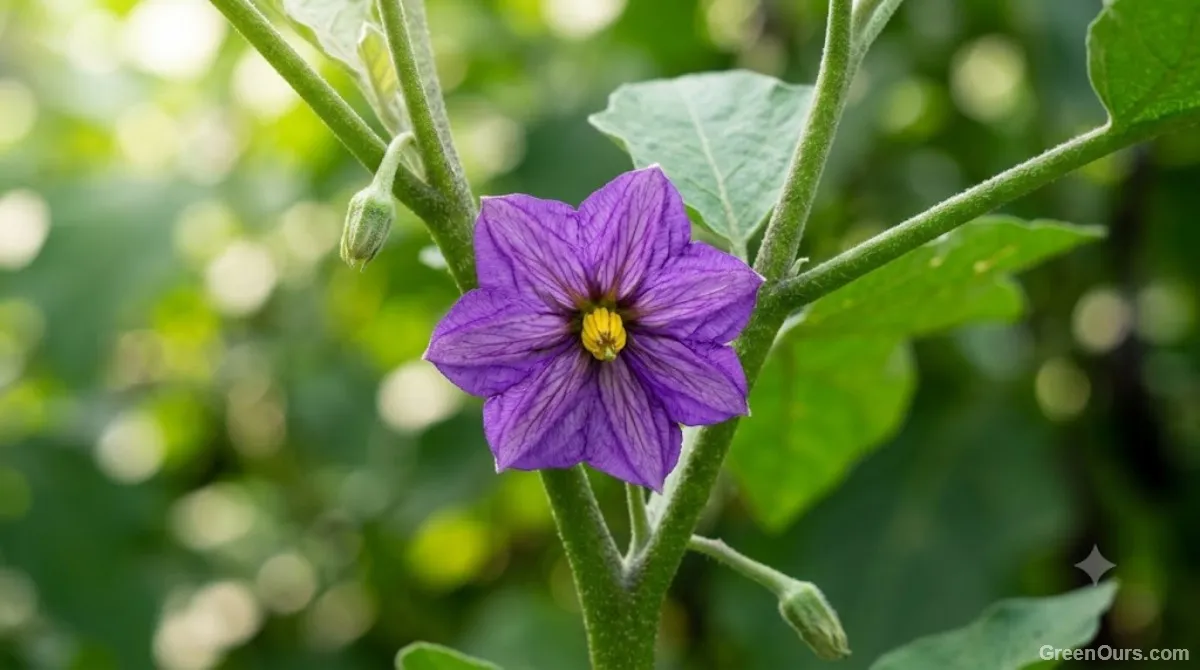
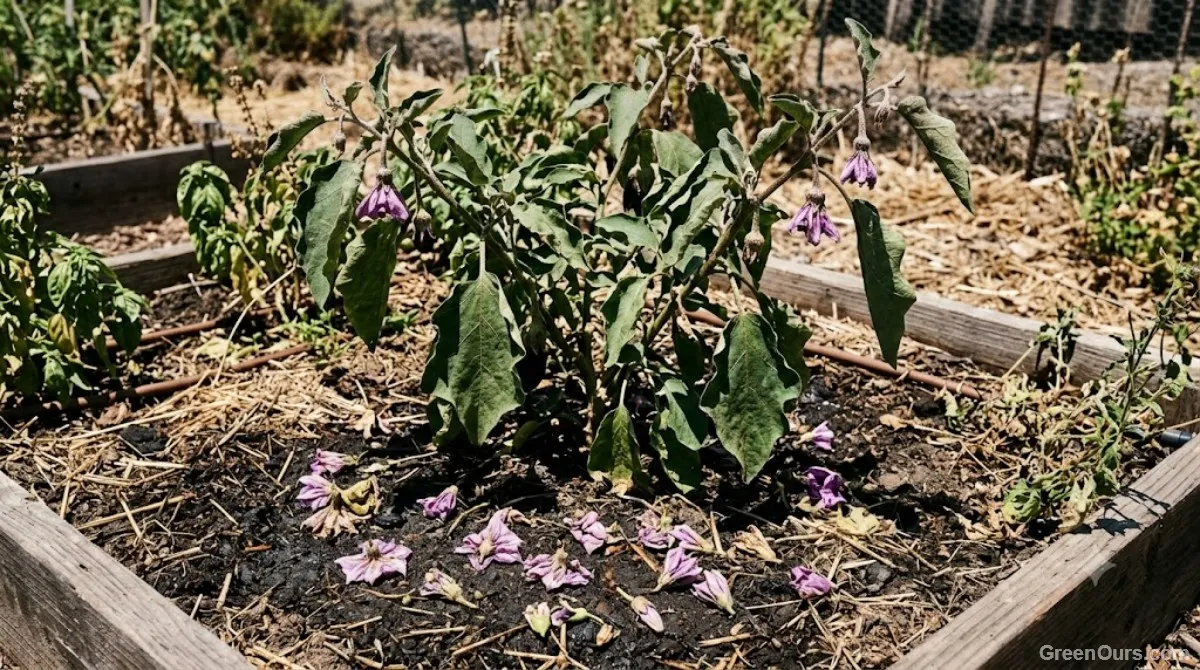
Every flower on your eggplant plant is doing one job: getting pollinated so it can swell into fruit. Eggplant flowers are receptive for only a few days, so poor pollination during that window can prevent fruit from developing. When successful fertilization doesn't occur, the flower may wither and drop instead of developing into fruit. This is the mechanical reality behind eggplant flowers falling off — normal plant behavior, not a sign of disease or neglect.
What determines whether pollination succeeds comes down to a handful of conditions: temperature, humidity, water availability, and nutrient balance. Eggplants are more sensitive to these than many other vegetables, which is part of why blossom drop shows up so often with this particular crop.
Eggplant sets fruit best when temperatures are comfortably warm. Extended cold nights and very hot days can interfere with pollination and fruit set, even on a plant that otherwise looks perfectly healthy.
Temperature Swings Are Usually the First Suspect
If your flowers are dropping and you can't find an obvious pest or watering issue, check the weather first. Eggplants are far more temperature-sensitive than tomatoes, and both cold snaps and heat waves will cause blossom drop on their own.
Cold Nights
Cold nights can interfere with pollen viability well before frost is a concern. The pollen doesn't release properly, fertilization doesn't happen, and the flower falls a day or two later. This is especially common with plants set out too early in spring, or during an unseasonably cool stretch.
Heat Stress
On the other end, extended heat above about 90–95°F can interfere with pollination and fruit set, particularly when paired with warm nights. You'll often see this in mid-summer, when the plant is otherwise thriving but the flowers just won't hold.
During an unusually hot spell, temporary afternoon shade can reduce heat stress, particularly in exposed containers or very hot garden beds. Gardeners in consistently hot regions also do well to look for heat-tolerant eggplant varieties bred to keep flowering through summer stretches that would stall out a more sensitive plant.
Not Enough Sun
Eggplants perform best in a sunny location, and this is one of the easiest causes to overlook because the plant can still look green and healthy in partial shade — it just won't flower reliably. Limited direct sun can reduce flowering and fruit production even when temperature, water, and nutrients are all in good shape.
Before you adjust your fertilizer routine or start hand-pollinating every flower, it's worth checking how much direct light the spot actually gets — especially if a nearby tree, fence, or new construction has grown or gone up since you first chose the location.
When Pollination Just Isn't Happening
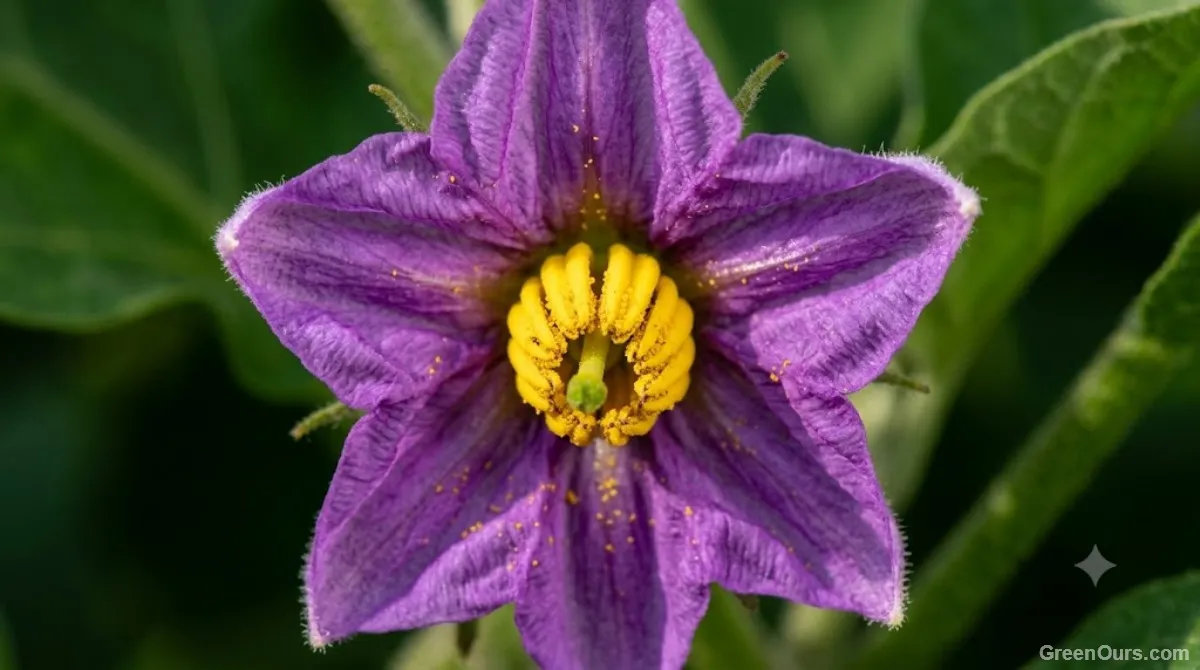
Eggplants are self-pollinating, meaning each flower has what it needs to fertilize itself. But their anthers release pollen through small pores at the tip rather than splitting open freely, so the flower still relies on movement, wind, or a visiting bee's wingbeat to shake enough pollen loose onto the stigma. In a still backyard corner or on a balcony with little airflow, that mechanical jostling sometimes just doesn't happen often enough.
Very still, unfavorable weather can also reduce effective pollen transfer, especially when there is little insect activity. Neither extreme is common everywhere, but it's worth noticing if your garden sits in a particularly still or sheltered spot.
If your eggplant lives on a balcony or in a sheltered corner with almost no breeze, you don't need to wait around for a lucky gust. Gently flick or tap the flower cluster with your finger for a few seconds each morning, right around the time the flowers are fully open. It mimics the vibration insects would normally provide and is often enough to release pollen that would otherwise just sit there.
Watering Inconsistency Can Trigger Blossom Drop
Eggplants don't tolerate big swings between bone-dry and soaking-wet soil. A plant under water stress, in either direction, will often abort its flowers rather than risk putting resources into fruit it may not be able to support.
Underwatering
When soil dries out too far between waterings, the plant prioritizes survival over reproduction. You'll usually notice slightly drooping leaves alongside the dropped blooms, which is a helpful clue that water is the issue.
Overwatering
Soil that stays waterlogged suffocates the roots and limits nutrient uptake, which has a similar effect. Keep the root zone consistently moist — around an inch of water a week can be a useful starting point, but containers, sandy soil, rainfall, and hot weather may all call for more frequent watering.
Nutrient Imbalances Worth Checking
If your eggplant looks lush, dark green, and full of leaves but light on flowers that stick around, too much nitrogen is a likely culprit. Nitrogen encourages leafy growth, and in excess it can delay flowering and fruit maturity — the real fix isn't switching to a high-phosphorus "bloom fertilizer," it's easing back on nitrogen and feeding according to your soil's actual needs and the fertilizer label.
Timing your feeding matters almost as much as the fertilizer itself. A heavy nitrogen application right as the plant starts setting buds can push it back into leaf-growth mode at exactly the wrong moment. If you're feeding on a schedule, consider easing off nitrogen once flowering begins.
Which Cause Fits What You're Seeing
If you're not sure which of the above is behind your own plant's dropped flowers, this quick comparison can help narrow it down before you change anything.
| What You're Seeing | Likely Cause |
|---|---|
| Flowers drop a day or two after a cold night | Cold-night pollen failure |
| Flowers drop during a heat wave; plant otherwise looks fine | Heat stress |
| Few flowers form at all, though the plant looks healthy | Not enough direct sun |
| Flowers open but seem to just wither on still, calm days | Poor pollination / low airflow |
| Lush, dark green growth with few flowers | Excess nitrogen |
| Drooping leaves alongside dropped flowers | Underwatering |
| New flowering slows after a large fruit has sat on the plant a while | Mature fruit left too long |
A Simple Weekly Habit That Protects Your Harvest
You don't need to overhaul your whole routine to fix blossom drop. A quick check several times a week during hot or dry weather tends to catch most of the causes above before they cost you another round of flowers: feel the soil for consistent moisture, glance at the forecast for extreme highs or lows, and give the plant a gentle shake in the morning to help pollen along on still days.
One easy habit worth adding: harvest fruit as soon as it's a usable size rather than letting it sit and mature further on the plant. A large, ripening fruit left in place can slow new flowering, so picking promptly actually helps keep the next round of blooms coming.
It's also worth keeping a rough note — even just a line in a garden journal — of which week the drop started and what the weather was doing at the time. Patterns tend to repeat season to season, and knowing your own garden's particular weak spot, whether that's a shady corner with poor airflow or a bed that bakes by early afternoon, makes next year's crop easier to plan around.
None of this means you've done something wrong. Eggplants are simply a little more particular about their conditions than most vegetable garden regulars, and once you've matched their preferences, the flowers that stay put will start turning into fruit right on schedule.
Want more troubleshooting guides like this one? See why chili plants sometimes flower without setting fruit.