
Yellowing Leaves Lower on the Plant
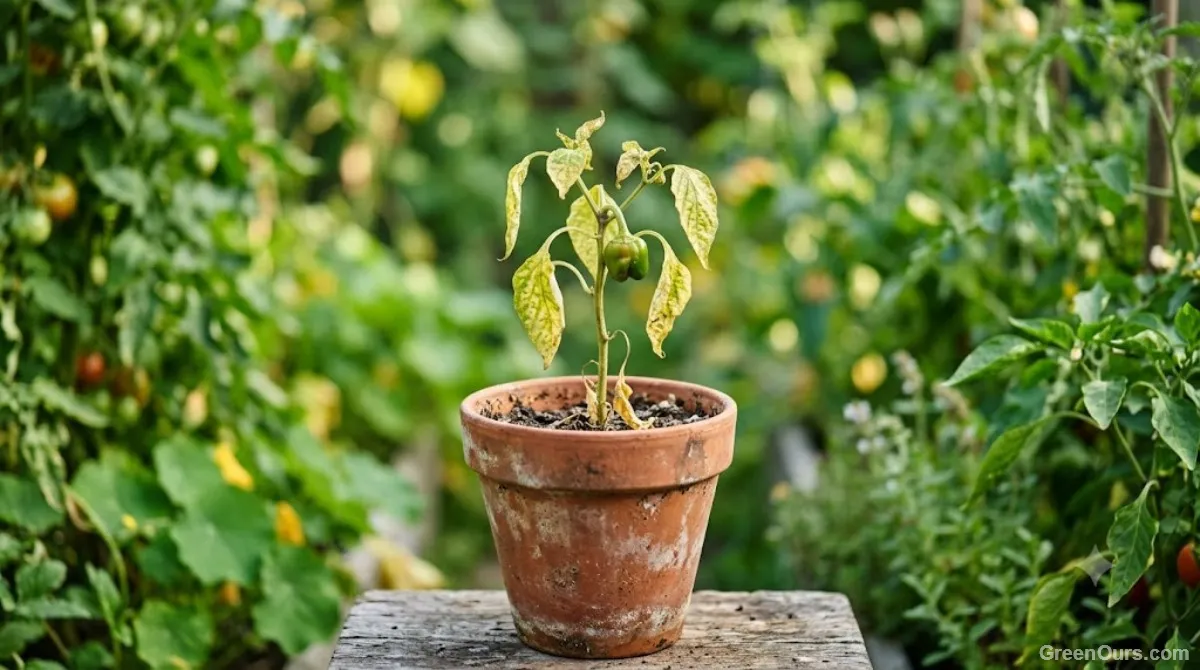
This is usually the first thing people notice, and it's also the sign that causes the most unnecessary panic. Yellowing on older, lower leaves while the top of the plant still looks green and active can have several causes, including natural leaf aging, watering problems, and a genuine nitrogen shortage — so it's worth ruling out the first two before assuming the plant needs feeding.
Check the soil first. Yellowing lower leaves combined with soil that stays wet for days at a time usually points to overwatering rather than a nutrient gap — the roots can't take up nitrogen properly when they're sitting in soggy soil. Some lower-leaf yellowing as the plant redirects energy into fruit is also just normal aging, not a deficiency at all. If the soil dries out normally and the yellowing is spreading beyond just the oldest leaves, consider whether the plant has had enough nutrients recently. If feeding fits the variety and your growing setup, follow the fertilizer's label directions rather than increasing the dose simply because the leaves are yellow.
If the yellowing shows up on new growth at the top of the plant instead of the bottom, that's a different story — it often points to an iron or magnesium deficiency rather than nitrogen, especially in container-grown peppers where nutrients get used up faster.
Flowers That Drop Before Setting Fruit
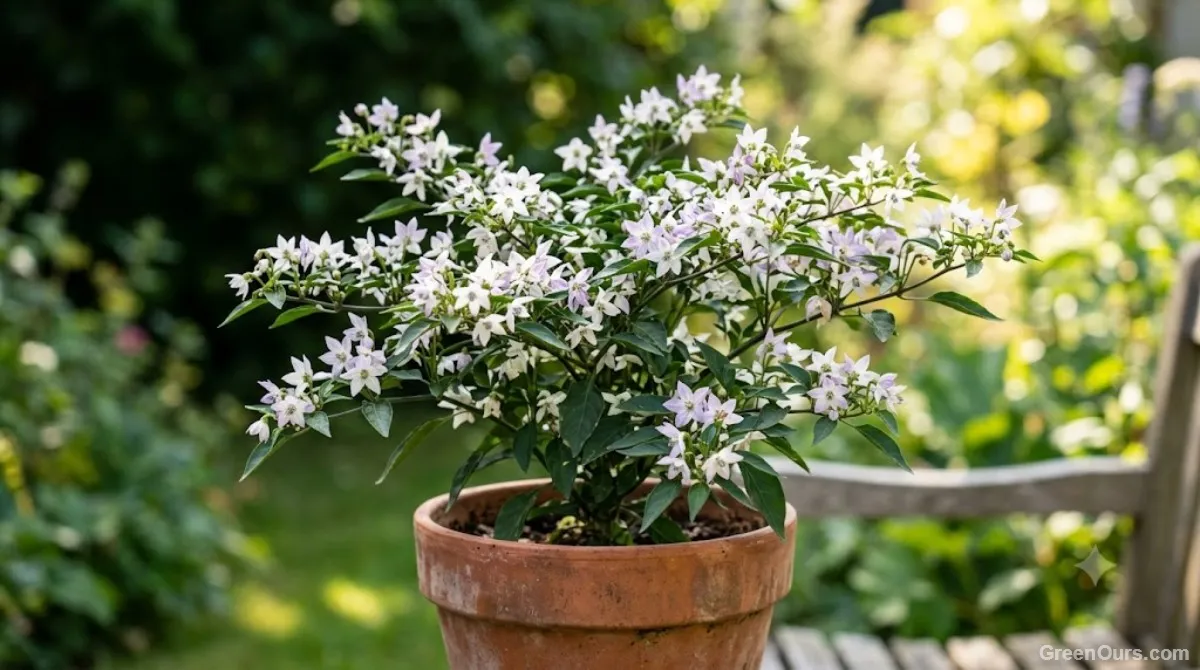
You'll notice this one when you spot a scattering of small yellow or white flowers on the soil under the plant. It feels alarming, but blossom drop is one of the most common and least serious issues pepper growers deal with, especially during a stretch of hot days.
What's Usually Happening
Extended periods of very hot weather, especially when nighttime temperatures stay unusually warm, can interfere with flowering and fruit set. The exact point at which this becomes a problem varies by variety and growing conditions, but as a general guide, prolonged daytime temperatures in the mid-80s°F (around 29–30°C) and above can make fruit set more difficult for some peppers, particularly when nights don't cool down much either. During prolonged heat, the plant may produce fewer viable flowers or have more difficulty setting fruit until conditions become more favorable. Inconsistent watering and a sudden nitrogen excess (often from over-fertilizing) can trigger the same response.
What to Do
In most cases, the fix is patience rather than intervention. Once temperatures moderate, flowering picks back up on its own. If you're gardening somewhere with a long hot stretch, a light shade cloth over the plants during the hottest part of the day can reduce blossom drop noticeably.
If your plants keep flowering but the flowers rarely turn into peppers rather than dropping outright, that's a related but slightly different pattern.
Slow or Stalled Growth
One common reason peppers stall early in the season is cool soil. Peppers are slow to get going when soil temperatures sit below 65°F, and they'll stay stalled even if the air feels plenty warm.
A root-bound container plant can show the same symptom for a different reason — there's simply no more room to grow. Container volume alone isn't a reliable signal, since needs vary by variety and plant size. Look for more direct evidence instead: roots circling densely around the root ball when you check, water running through the container unusually fast, or a plant that wilts again soon after a thorough watering. Timing helps separate the two causes as well — a stall early in the season that resolves as the soil warms up points to temperature, while a stall that continues well into warm weather, especially in a plant that hasn't been repotted in over a year, points more toward the roots simply running out of room.
If the plant has warmed up, isn't root-bound, and is still noticeably smaller than expected for its age, that's worth a closer look on its own.
Sunscald on Developing Fruit
Sunscald shows up as a pale, slightly sunken, papery patch on the side of a pepper facing direct sun, usually after a stretch of intense heat or after pruning removed too much of the plant's leaf cover. It's cosmetic damage rather than a disease, though badly scalded fruit can develop soft spots afterward if left in the sun too long.
The fix going forward is mostly preventative: avoid heavy pruning during peak summer heat, and if your plant is looking a little sparse after an early prune, a loose shade cloth for a week or two gives the foliage time to fill back in and protect the fruit underneath.
Wilting Even When the Soil Feels Moist
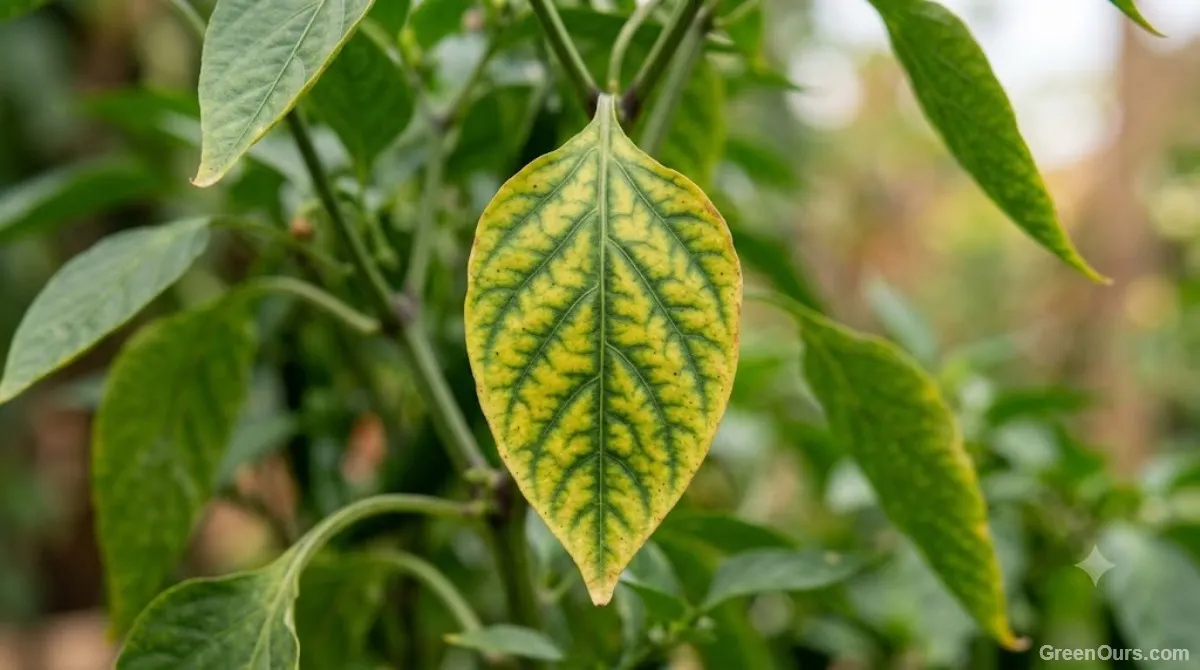
This one throws people off because the instinct is to water more. If the soil is already damp and the plant is still drooping, especially during the hottest part of the afternoon, you're likely watching a normal heat-stress response rather than a watering problem.
The pattern that matters is timing, not just the wilting itself. Afternoon wilting that consistently recovers by evening is often a heat-response pattern rather than a sign that the plant needs more water. If the plant otherwise looks healthy, focus first on reducing heat stress and maintaining consistent soil moisture. Wilting that doesn't recover overnight, especially paired with soft or dark discoloration at the base of the stem, is a different situation — that combination points toward root rot from soil that's staying too wet at the root zone rather than too dry, and it's worth checking the stem directly rather than assuming another watering will help.
Purple or Dark-Tinged Leaves
A purplish tint along the veins or undersides of pepper leaves, particularly in young plants, can have several causes, so it isn't enough on its own to diagnose a phosphorus deficiency. Cool soil temperatures can reduce how well a plant absorbs phosphorus it technically already has access to, and some pepper varieties naturally develop darker pigmentation regardless of nutrient levels. Check the plant's growing conditions and recent temperatures before reaching for a phosphorus fertilizer.
If the plant is otherwise growing normally and the coloring is consistent with the variety, fertilizing may not be necessary at all. If cool soil appears to be contributing, give the plant warmer growing conditions and avoid rushing young seedlings outdoors while nights are still consistently cold.
Curling or Cupping Leaves
Leaves that curl upward or cup slightly are one of the more confusing signs because they look a lot like pest damage from a distance. Before assuming aphids or mites, flip a few leaves over and check closely — if there's nothing visible clinging to the underside, heat and moisture stress are the more likely explanation.
Peppers curl their leaves as a way of reducing water loss during hot, dry stretches, similar to how a plant conserves moisture during a drought. Consistent watering and a bit of afternoon shade during heat waves usually resolves this within a few days.
What to Do Next
None of this means your pepper plants are struggling more than anyone else's. Peppers are simply plants that show their discomfort in small, specific ways rather than dramatic ones, and once you've learned to check a few of those signals against what's actually happening — soil moisture, recent temperatures, root space — the guesswork mostly disappears. Give your plants consistent water, a little patience during heat waves, and a check-in every few days, and most of these seven signs resolve themselves before they ever become a real problem.
Want more confidence-building plant diagnostics?