
When Slow Becomes Actually Stalled
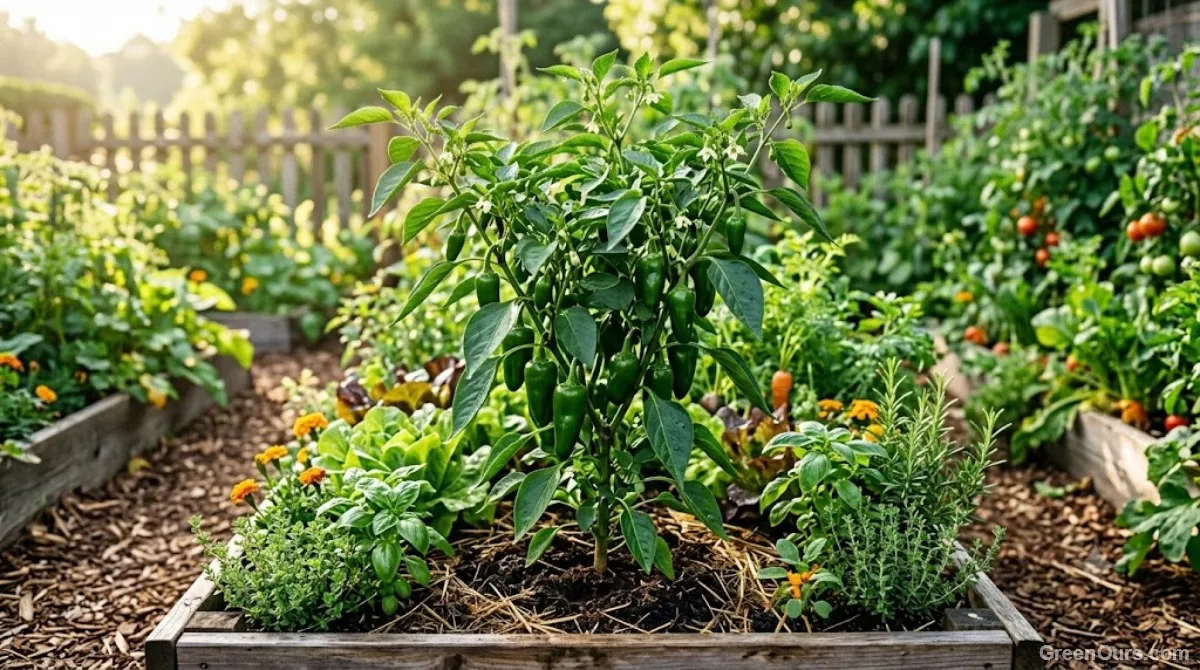
Peppers are not fast plants. Even in ideal conditions, they often spend their first several weeks in the ground looking like they're barely doing anything while they build out a root system underground. That's normal, and it trips up a lot of new gardeners who expect the same quick vertical growth they see from squash or cucumbers.
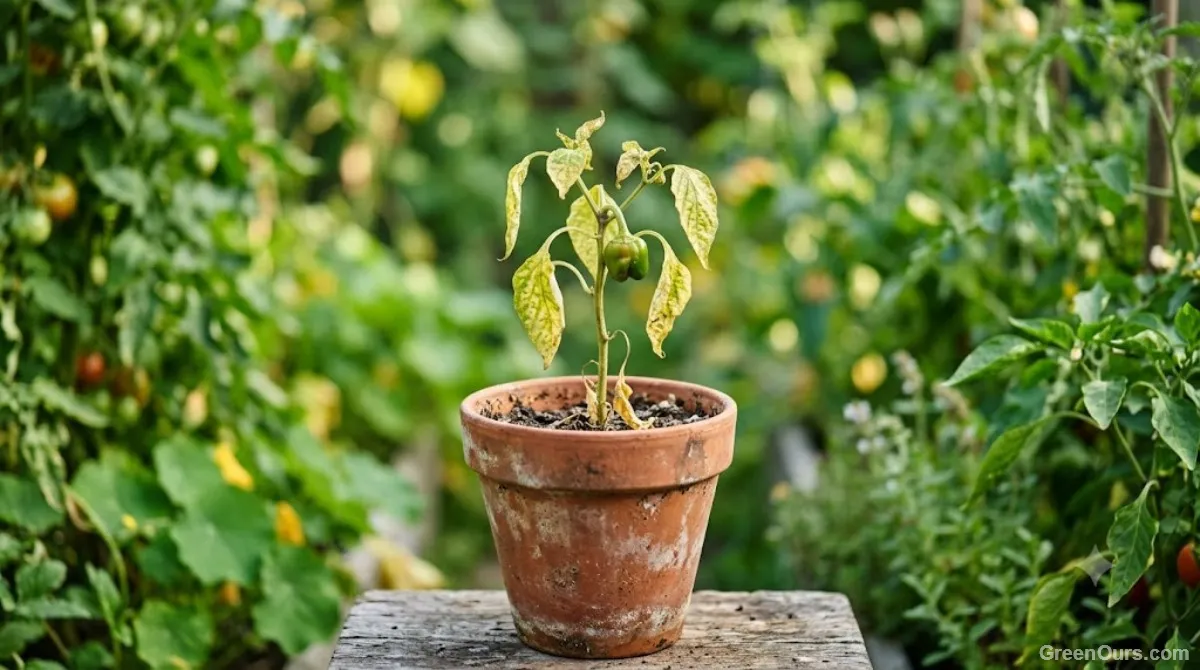
Here's a useful line to draw: if your plant has put out even one or two new leaves in the past two to three weeks, it's probably just moving at pepper speed. But if you're seeing no new leaf growth at all, leaves that stay a dull, slightly purplish green, or a main stem that's still pencil-thin months after transplanting, something is actively holding it back — and that's worth investigating.
Start With the Roots
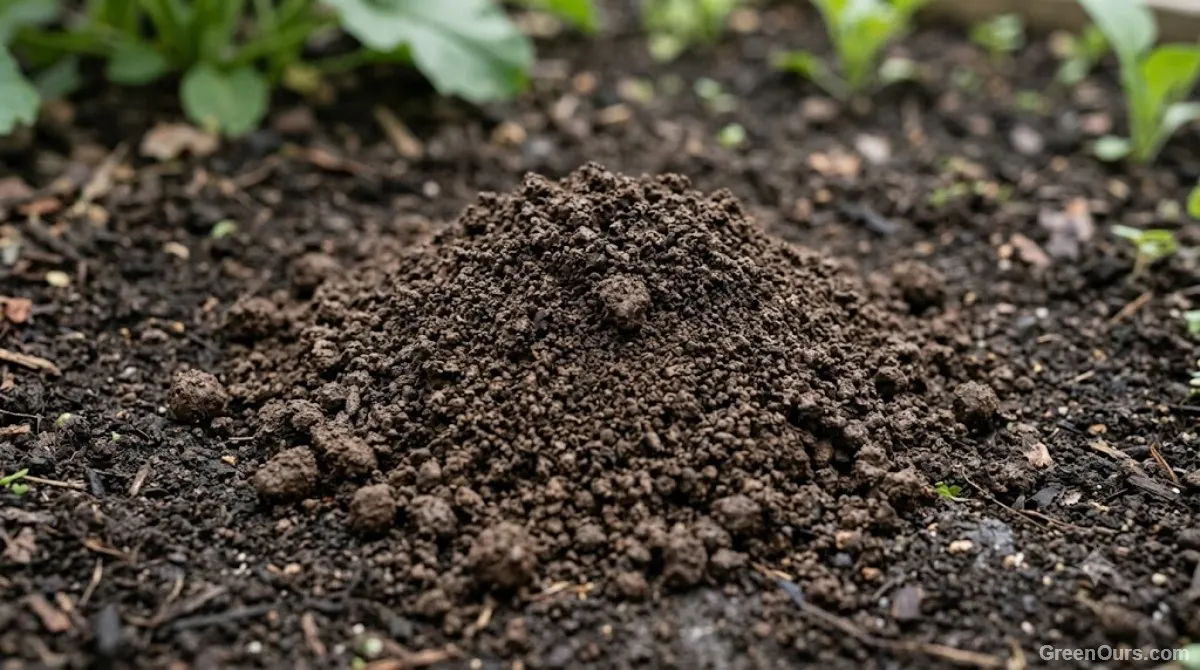
If a pepper's roots don't have room to spread, everything above the soil line tends to stay small too. This is especially common in containers that looked plenty big at the garden center but turn out to be tight once the plant matures. Many full-sized pepper varieties do better in containers of around five gallons (about 19 liters) or larger, while compact and patio varieties can produce well in somewhat smaller pots. Check the plant tag for your variety's mature size.
Root-bound plants show a specific pattern: growth that was fine early on and then flattened out several weeks after planting. If you gently slide the plant out of its pot and see roots circling tightly around the outside of the root ball, you've found your answer. In the ground, cramped roots often mean compacted or clay-heavy soil that roots can't push through easily.
You don't have to fully uproot a plant to check this. Loosen the soil around the base with your fingers and gently lift — if the plant comes up easily with a tight, circling mass of roots, it's outgrown its space.
Check How Much Sun It's Getting
Peppers generally do best with six to eight hours of direct sun a day. A spot that gets four hours of dappled morning light might be enough to keep a plant alive, but it's rarely enough to fuel real growth. This is a common issue for balcony and patio growers, where a plant looks perfectly placed until you actually track the sun's path across the day and realize a fence or a neighboring building is stealing two or three of those hours.
Track your plant's light for one full day before changing anything else. If your pepper is getting substantially less than a full day of strong direct light, moving it to a brighter location may be one of the most effective ways to encourage stronger growth.
Feeding Without Overfeeding
It's tempting to reach for fertilizer the moment a plant looks small, but the wrong kind can make the problem worse.
Too Much Nitrogen
A high-nitrogen fertilizer can push leafy growth at the expense of the sturdy stem and root development peppers need before they can size up. If your plant has lush, dark green foliage but the stem still feels thin and floppy, back off nitrogen-heavy feeds and use a balanced fertilizer at the recommended rate.
Follow the Label
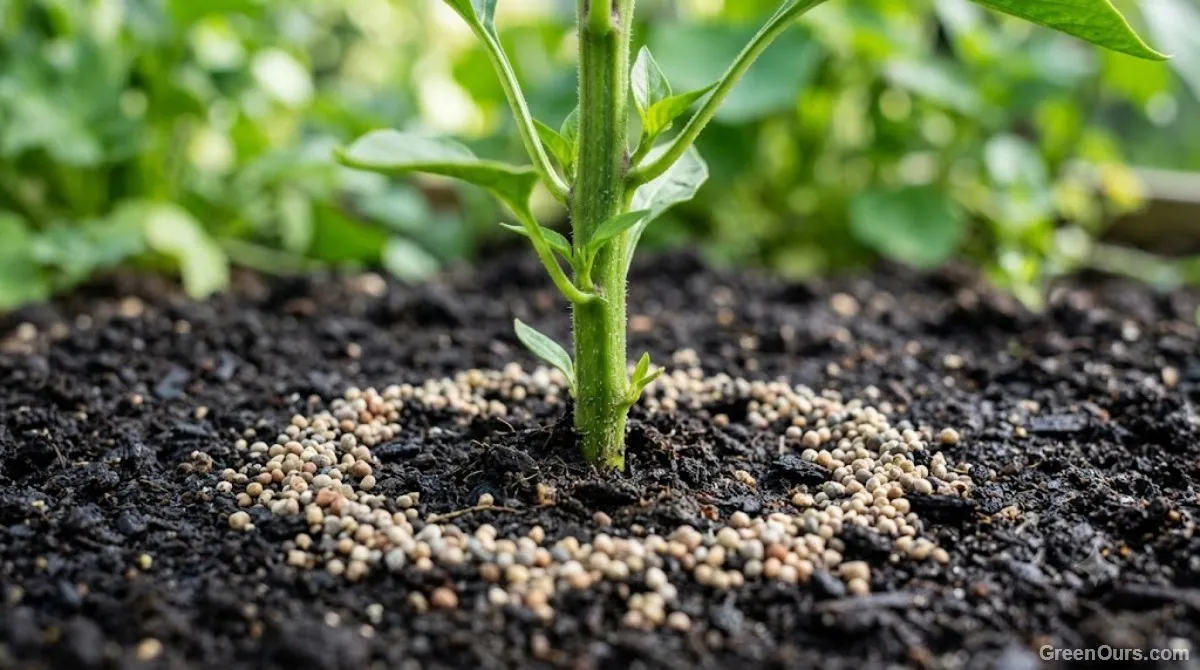
Once peppers are established, follow the label on a balanced fertilizer rather than guessing. Feeding more often or more heavily than the label suggests can stall a plant just as easily as underfeeding, only for the opposite reason. If you're growing in the ground, a soil test can show whether anything is really missing.
Temperature Swings Peppers Don't Forgive
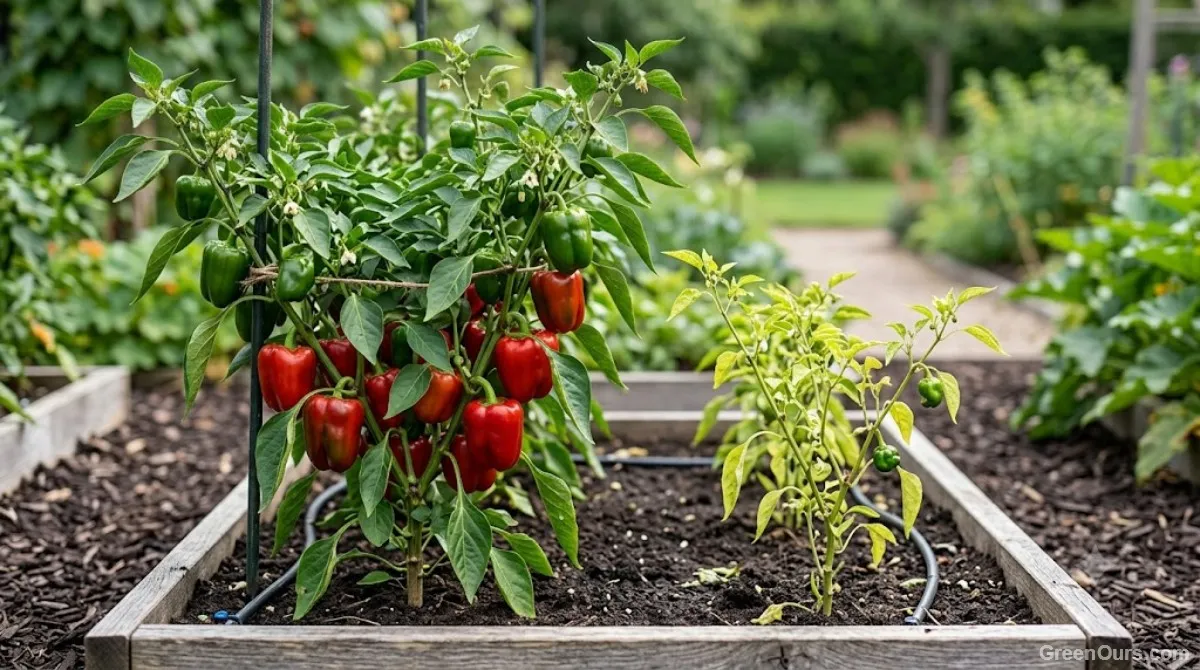
Peppers are tropical plants at heart, and they tend to slow down or stall outside their comfort zone. Soil temperatures under roughly 60°F (15°C) can keep roots from doing much of anything, which is why peppers set out too early in spring often sit still for weeks even after the air warms up — the soil hasn't caught up yet. On the other end, sustained heat above roughly 90°F (32°C) can push a plant into survival mode, where it holds onto what it has rather than putting energy into new growth.
If your plant went in the ground during a cool snap or you're in the middle of a heat wave, the size problem may resolve itself once temperatures settle into the mid-70s to mid-80s °F (roughly 24 to 29°C) that peppers tend to enjoy.
Watering Consistency Matters More Than Amount
Peppers generally respond best to consistent moisture rather than repeated cycles of severe drying followed by heavy watering. Stressed roots don't support new growth, and those swings are a common source of stress.
Water deeply when the soil is beginning to dry, adjusting for temperature, rainfall, soil type, and container size. A pot on a hot balcony may need water far more often than a raised bed in a cool week, so let the soil guide you instead of a fixed routine.
If you've been watering on a strict schedule regardless of weather, switch to checking the soil first. A finger pushed two inches (about 5 cm) down tells you more than any calendar ever will.
Match the Symptom to the Likely Cause
Use this table as a starting point. It shows common triggers rather than guaranteed causes, and more than one can overlap.
| What you see | Likely cause | First thing to check |
|---|---|---|
| Thin, stretched plant | Too little light | Hours of direct sun |
| Stopped growing after transplanting | Cool soil or transplant stress | Soil temperature and recent weather |
| Small plant, roots circling the pot | Root restriction | The root ball and pot size |
| Dark green leaves but a weak, thin stem | Too much nitrogen | Fertilizer type and how often you feed |
| Growth stalls again and again | Water stress | How consistent soil moisture has been |
| Dull, slightly purplish leaves and no new growth | Cool nights or cold soil | Night and soil temperatures |
How Long Should Recovery Take?
Once you've fixed the limiting factor, look for new leaves rather than a sudden growth spurt. Many plants start putting out fresh growth within a few weeks, though cool weather, a badly root-bound pot, or a late start can stretch that out.
If you've corrected one issue and still see nothing after several weeks, move to the next item on the list. Change one thing at a time so you can tell what actually helped.
Measure progress in new leaves, not inches. A pepper can look the same height for a while and still be rebuilding underneath.
Where to Start
If you only have time for one check this week, start with the two quickest: how many hours of direct sun the plant gets, and what the roots look like. Those two explain a lot of small pepper plants, and neither costs anything to check.
None of this requires you to overhaul your whole garden. Most pepper plants that seem stuck are responding to just one or two of these conditions being slightly off, and once you match the fix to the actual cause, you'll notice the difference in how the plant carries itself — sturdier stems, new leaves unfurling, and eventually, the flowers that tell you it's finally ready to get to work.
Ready to take a closer look? Check your plant's sun and roots this weekend, and change one thing at a time.