
What Your Soil Is Already Telling You
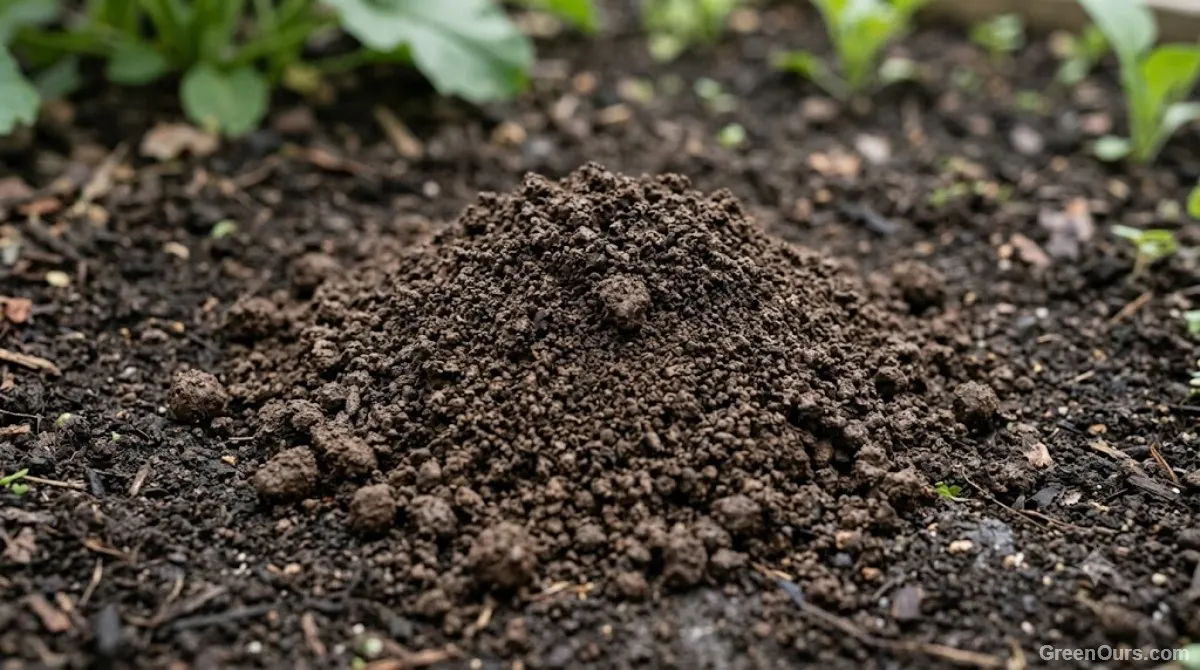
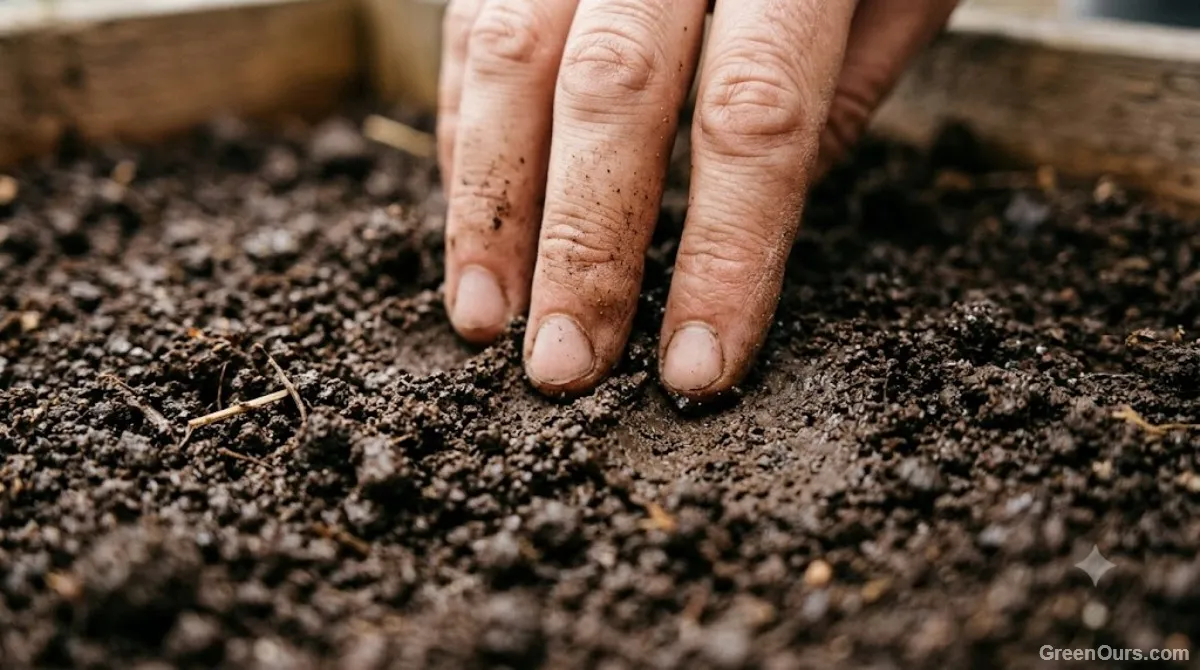
Before you check any app or stick a gauge in the dirt, your own hands are the best tool you have. Push a finger about two inches into the soil near your plants' roots. If it feels cool and slightly damp, you're in good shape. If it's dry and crumbly at that depth, it's time to water. This one habit will do more for your garden than any fixed schedule ever could, because it responds to what's actually happening right now, not what happened last Tuesday.
Soil type matters here too. Sandy soil drains fast and dries out within a day or two after a good soak. Denser, clay-heavy soil holds onto moisture much longer, sometimes staying damp for the better part of a week. If you're not sure which you have, that finger test will teach you your garden's particular rhythm faster than any guide can.
If the top inch of soil is dry but it's still cool and moist just below, hold off. Vegetable roots grow deeper than most beginners assume, and watering too soon trains roots to stay shallow and needy.
How Much Water Does a Vegetable Garden Need?
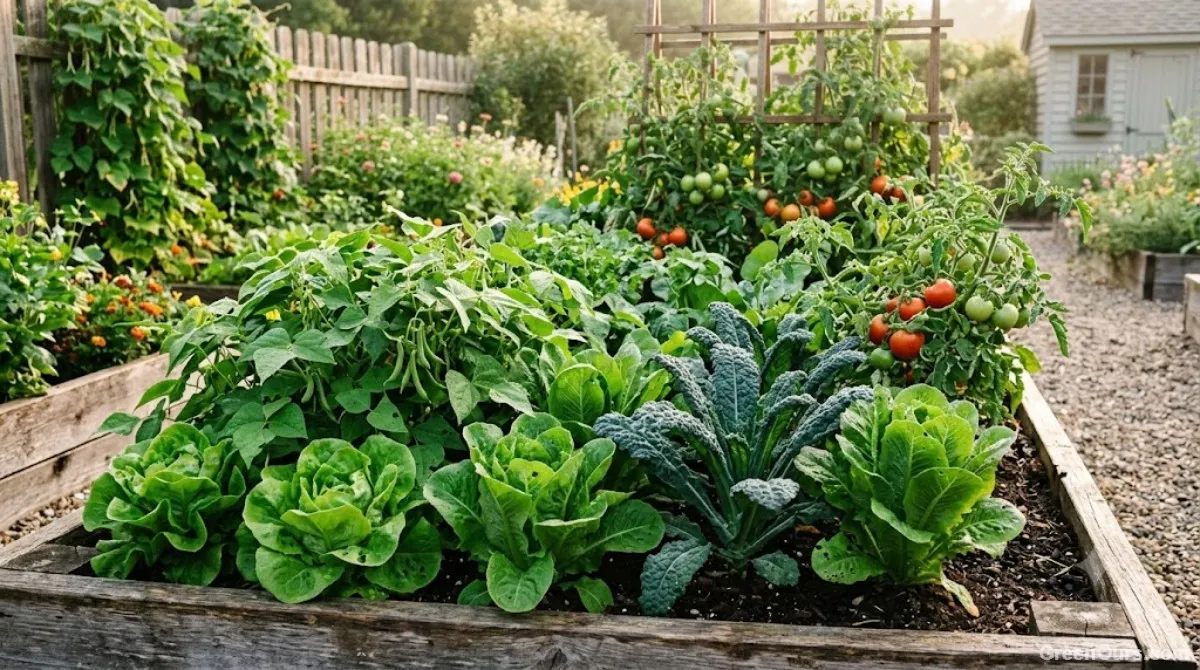
A schedule tells you when to check — it's the depth and consistency of watering that actually keeps a vegetable garden healthy. Aim to water deeply enough to soak the root zone, not just dampen the surface; for most vegetable beds that means checking moisture a few inches down, not just at the surface where it dries first.
Rainfall counts too. A soaking rain can buy your garden several days off, so it's worth checking soil moisture after a downpour before assuming you need to water on schedule. A two- to three-inch layer of mulch — straw, shredded leaves, or untreated wood chips — slows evaporation and helps keep moisture more even between waterings, which is especially useful during a hot stretch.
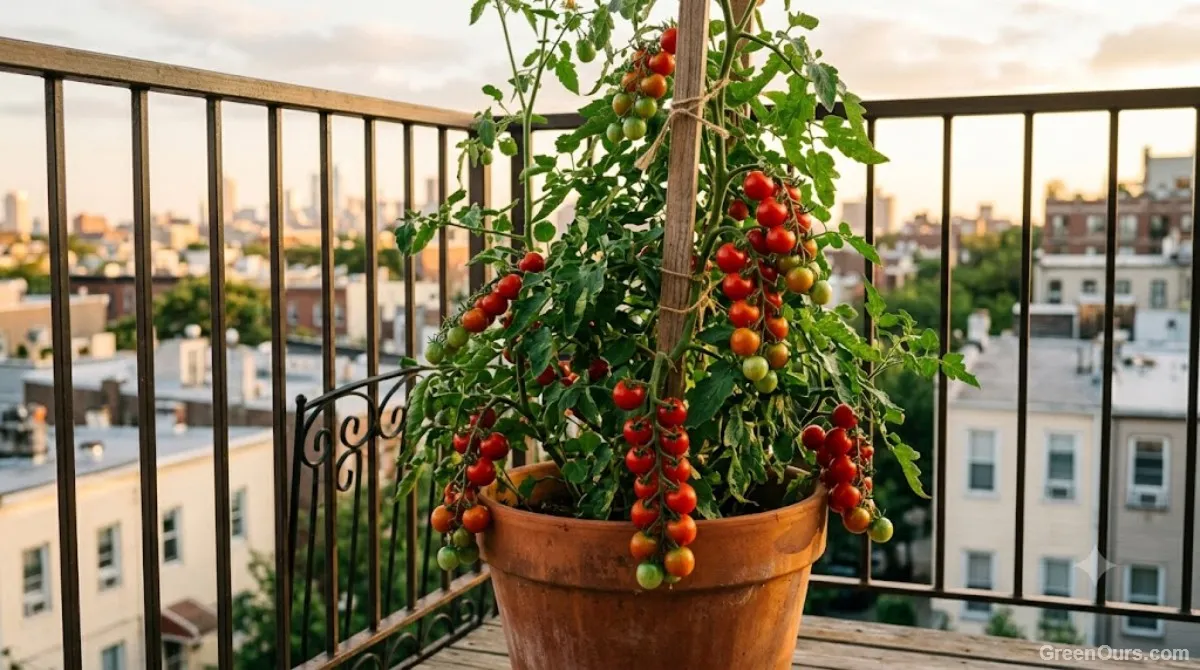
Newly transplanted seedlings have shallow, fragile roots and dry out much faster than an established plant, so they typically need lighter, more frequent watering while they settle in. Containers dry out faster still, since there's so much less soil around the roots to hold moisture — often needing daily attention during a summer heat wave, compared to every few days for an in-ground bed.
The Real Variables: Weather, Growth Stage, and Where Your Plants Are Growing
Three things shift how thirsty your garden is from week to week, and none of them are the day of the week.
Weather
Hot, dry, windy days pull moisture out of soil fast, sometimes within hours of watering. Cool, humid, or overcast stretches let that same water linger far longer. Rain changes the math entirely, and a soaking downpour can buy your garden several days off, even in peak summer.
Growth Stage
Newly transplanted seedlings have shallow, fragile roots and need frequent, gentle watering to get established. Once a plant is mature and setting fruit, its root system runs deeper and it can handle less frequent but deeper watering. Flowering and fruiting stages, though, are when consistency matters most. That's when a stressed plant is most likely to drop blossoms or produce misshapen vegetables.
Ground Beds vs. Containers
Container-grown vegetables dry out considerably faster than anything planted in the ground, sometimes needing water daily during a summer heat wave, simply because there's so much less soil around the roots to hold moisture. Pot size and material both change how often you'll need to check — a smaller pot, or a material that breathes, will dry out faster than a larger, sealed one.
A Starting-Point Watering Table
If you want a place to start while you're building that intuition, think of this as a starting point for your vegetable garden watering schedule rather than a fixed rule — check your soil at each interval and adjust based on what you actually find.
| Situation | Starting Point | What to Check |
|---|---|---|
| New seedlings | Frequent, light watering | Top few inches of soil |
| Established garden beds | Water deeply when the root zone begins drying | Soil moisture a few inches down |
| Hot, dry weather | Check daily | Soil moisture and signs of plant stress |
| Containers | Often daily, sometimes more | Container soil moisture |
| After substantial rain | Hold off and recheck before watering | Soil moisture several inches down |
| Flowering or fruiting | Keep moisture consistent | Soil moisture and overall plant condition |
Watering Needs by Vegetable Type
General guidance gets you most of the way there, but a few crops have their own quirks worth knowing.
| Vegetable | Watering Note |
|---|---|
| Tomatoes | Consistent moisture matters most once fruit sets — big swings between dry and soaked are a common contributor to cracked skins. |
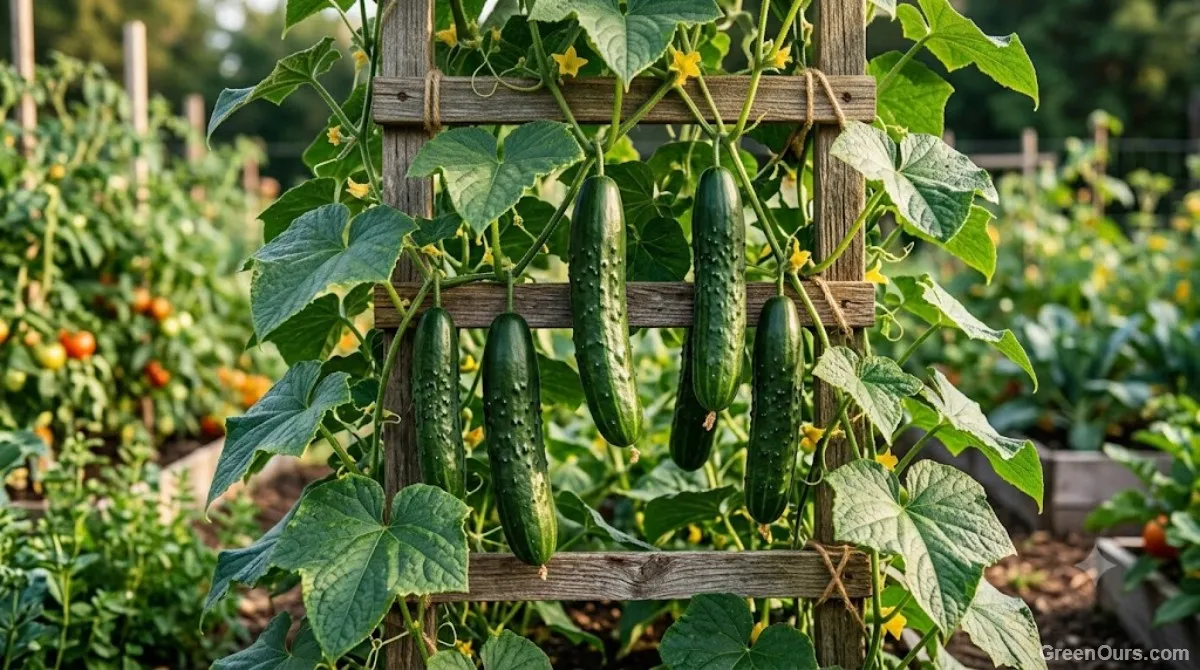
| Cucumbers | Keep soil evenly moist; letting it dry out between waterings can make fruit taste bitter. |
| Peppers | More drought-tolerant than tomatoes once established; let the top inch or two dry before watering again. |
| Beans | Even moisture during flowering helps pods set; avoid overhead watering once plants are flowering to reduce disease risk. |
| Leafy greens | Shallow roots dry out fast, so frequent, lighter watering suits them better than deep, infrequent soaks. |
| Root vegetables (carrots, beets) | Steady moisture supports even root development; inconsistent watering can contribute to split or misshapen roots. |
| Squash | Deep, less frequent watering suits established plants; large leaves lose a lot of water on hot days. |
| Seedlings (any type) | Light, frequent watering until roots establish, regardless of what the mature plant will need later. |
A Gentle Rhythm Through the Seasons
Rather than a fixed number of days, think of watering as following the season's general mood, then adjusting from there.
Spring
Soil is often still holding winter moisture, and cooler temperatures mean evaporation is slow. Young seedlings need light, frequent watering to keep their shallow roots from drying out, but established beds usually need less than you'd expect this time of year.
Summer
This is when your garden asks the most of you. Deep, less frequent watering, aimed at soaking the root zone rather than just wetting the surface, encourages roots to grow downward and makes plants more resilient during hot spells.
Fall
As temperatures drop and days shorten, plants slow down and need less water overall. This is also when overwatering mistakes creep in most easily, since gardeners often keep watering out of habit long after the garden's actual needs have eased off.
Overwatering and Inconsistent Watering: The Two Most Common Slip-Ups
Overwatering is the mistake most beginners make, usually out of care rather than carelessness. Signs to watch for include yellowing lower leaves, soil that stays soggy days after watering, and a faint sour smell coming from the bed. Roots need oxygen as much as they need water, and soil that never gets a chance to dry out slightly between waterings can suffocate them.
Large swings in soil moisture can contribute to problems such as tomato cracking, cucumber bitterness, and stress-related bolting, although each problem can have other causes too. Vegetables generally handle steady moisture better than they handle extremes, even if the total amount of water ends up being similar.
Building Your Own Watering Intuition
Give yourself permission to get this wrong a few times while you're learning. Check your soil before you water rather than after, notice how your particular garden responds to a hot week versus a mild one, and let those observations replace the calendar entirely. Within a season or two, you'll find yourself reaching for the hose because you actually know your garden needs it, not because a schedule told you to.
There's no perfect formula waiting to be discovered here, just a garden that's constantly telling you what it needs, if you take a moment to notice. That noticing is really the whole skill, and it's one you'll carry with you long after this season's tomatoes are gone.
Ready to build more confidence in the garden? Explore more beginner vegetable garden guides.