
What's Actually Happening When Okra Blooms but Won't Set
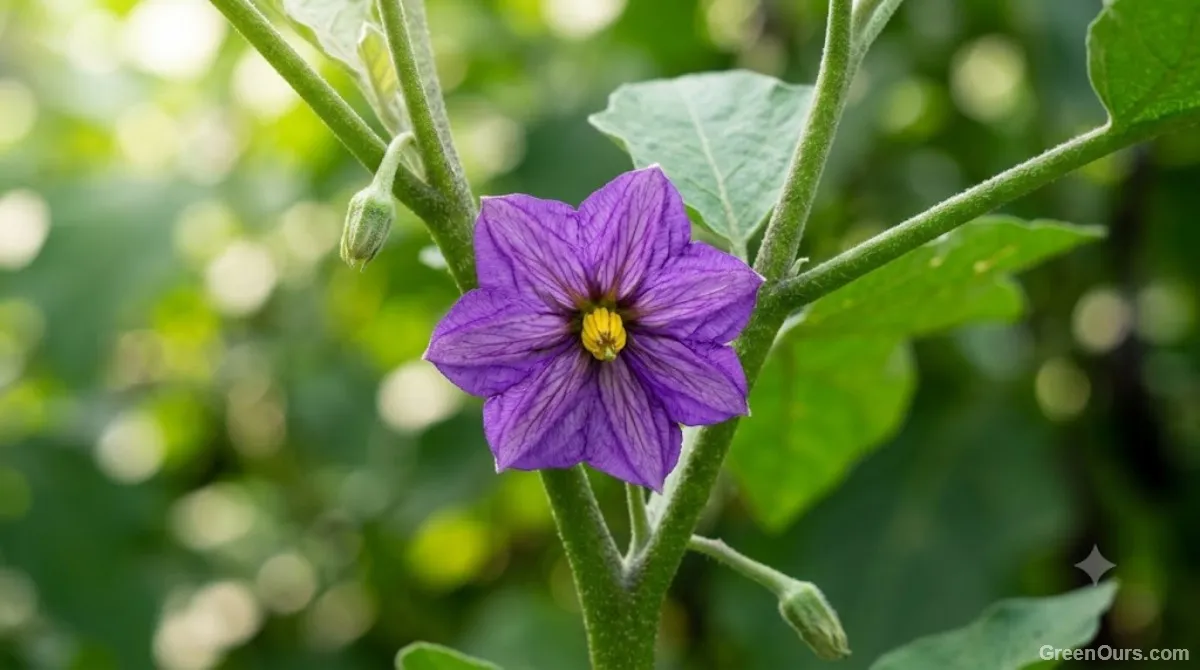
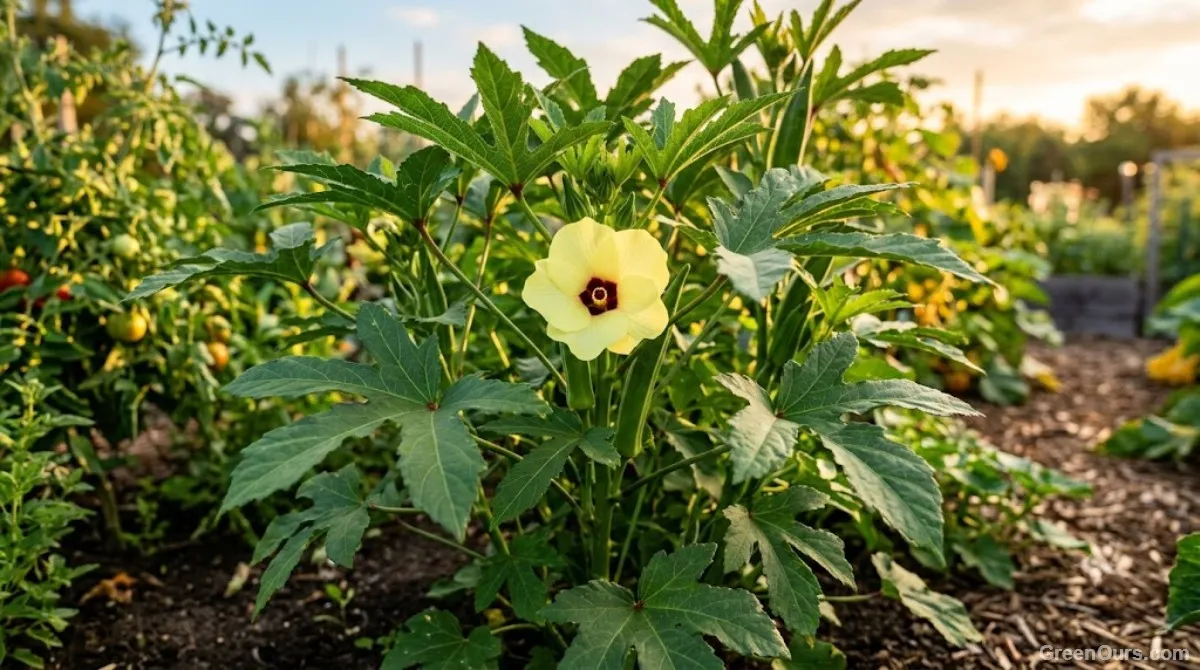
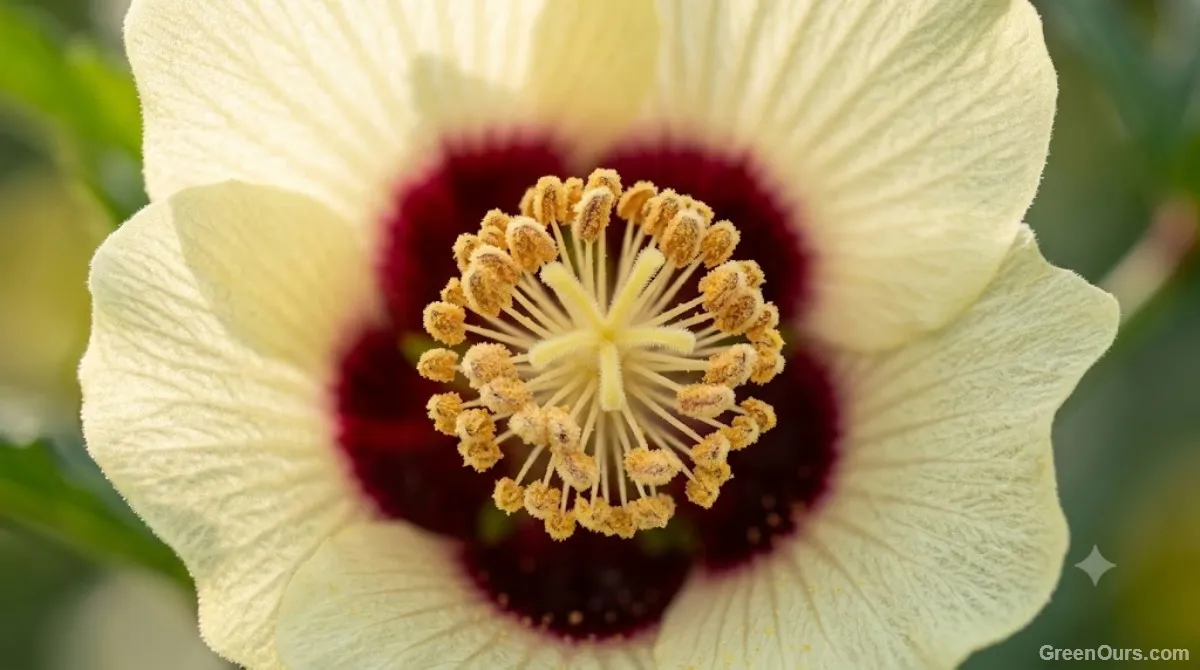
Each okra flower only stays open for about a day, and inside that short window pollen has to move from the flower's own anthers to its stigma. Okra is largely self-pollinating, so a lack of bees or other visitors usually isn't the first thing to suspect — most flowers can fertilize themselves without outside help.
When flowers drop instead of setting pods, weather stress, plant stress, and flower abortion are usually more useful places to look than pollination itself. A flower that's fully open and otherwise healthy may still drop if the plant is experiencing heat, drought, or other stress.
That narrow, roughly one-day window is exactly why relatively small environmental hiccups have an outsized effect on pod set — there's just no room for a slow start.
This is almost always fixable. It's rarely a sign of disease or a doomed plant — it's usually one or two environmental factors quietly working against that narrow pollination window.
Quick Check: What to Look At First
If your okra is flowering but not making pods, run through this list before you change anything — it'll usually point you toward the right section below.
- Extreme or prolonged heat, especially paired with dry soil
- Soil that's repeatedly drying out between waterings
- Lush, dark green foliage with relatively few flowers
- Aphids or stink bugs clustering on buds
- Mature pods left on the plant too long
- Flowers being knocked loose by wind or rough handling
- Plants that are overcrowded for their variety or growing setup
Heat and Humidity Can Stall Pollen at the Worst Time
Okra genuinely loves heat, but there's a difference between warm and scorching. During prolonged periods of extreme heat, especially when the plant is also short of water, pollen can lose viability or fail to transfer properly, and flowers drop instead of setting. Very humid conditions may also make pollination less reliable, particularly when combined with heat or other plant stress.
Temporary light shade during the hottest afternoon hours can reduce heat stress when a severe heat wave hits. Watering early in the morning rather than midday also helps keep the root zone cooler heading into peak heat, which indirectly supports better pollen viability.
If you notice a run of flowers dropping right after a heat wave, that's rarely a coincidence. Okra often rebounds within a week or two once temperatures ease, so a slow patch during the hottest stretch of summer isn't something to panic about.
Watering Rhythms That Support Pod Formation
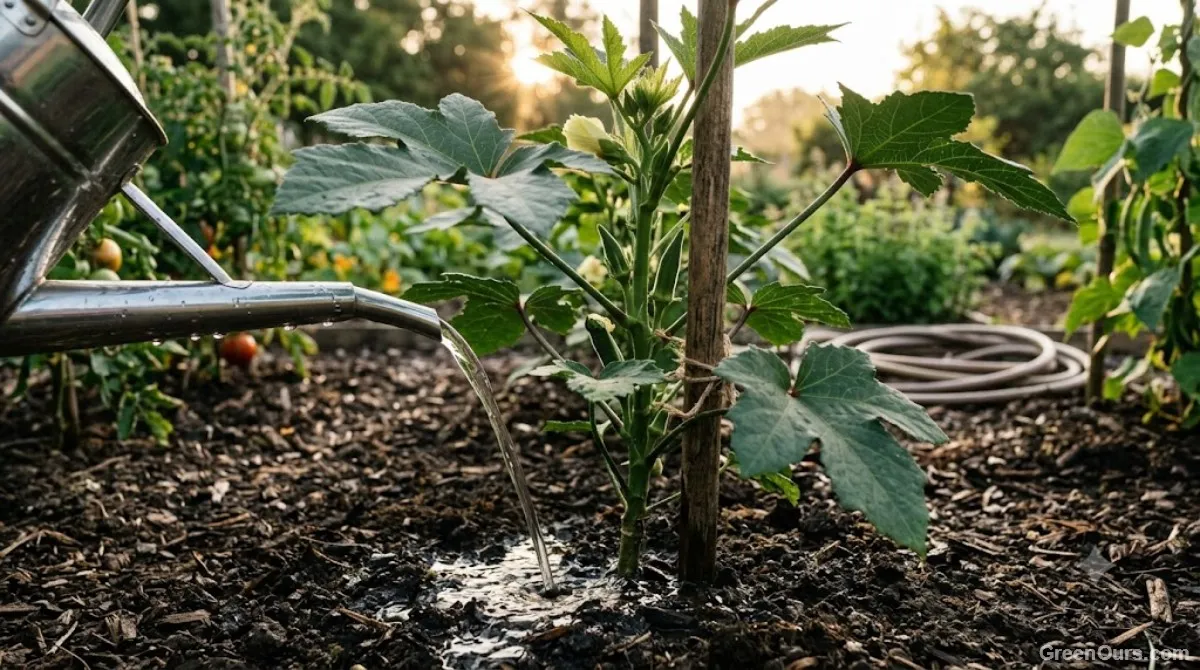
Okra is drought-tolerant once established, which sometimes leads gardeners to water less than the plant actually wants during flowering and pod set. Stress from dry soil at exactly the wrong moment can cause flowers to abort even when pollination succeeded. The fix isn't watering more often — it's watering more consistently. Deep, even soakings that reach the root zone, roughly once or twice a week depending on your soil and rainfall, do far more good than light daily sprinkles that only wet the surface.
A two- to three-inch layer of mulch — straw, shredded leaves, or untreated wood chips all work — helps even out soil moisture between those deep waterings, so roots aren't swinging between soggy and bone-dry. That kind of steady moisture is often what separates a plant that holds onto its flowers from one that sheds them under stress.
Are You Accidentally Feeding Leaves Instead of Pods?
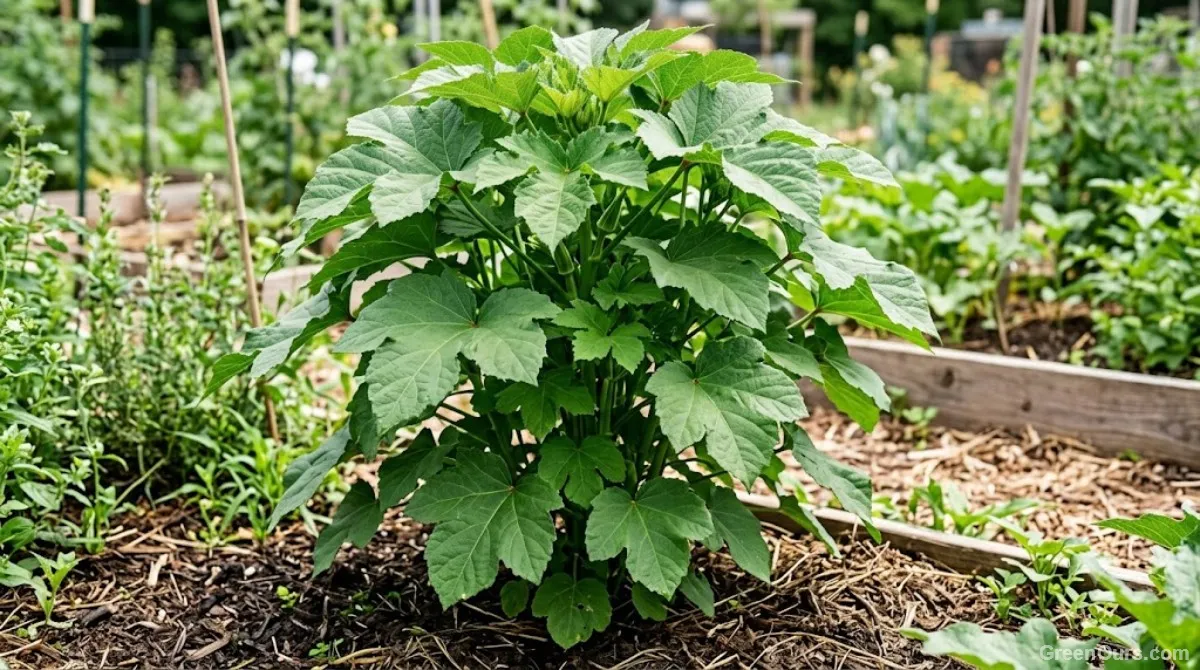
This one catches a lot of beginner gardeners off guard. Okra planted in rich soil or fed with a high-nitrogen fertilizer often responds by putting on gorgeous, dense foliage — and very little else. The plant has everything it needs to grow leaves and stems, so that's exactly what it does, at the expense of pod development.
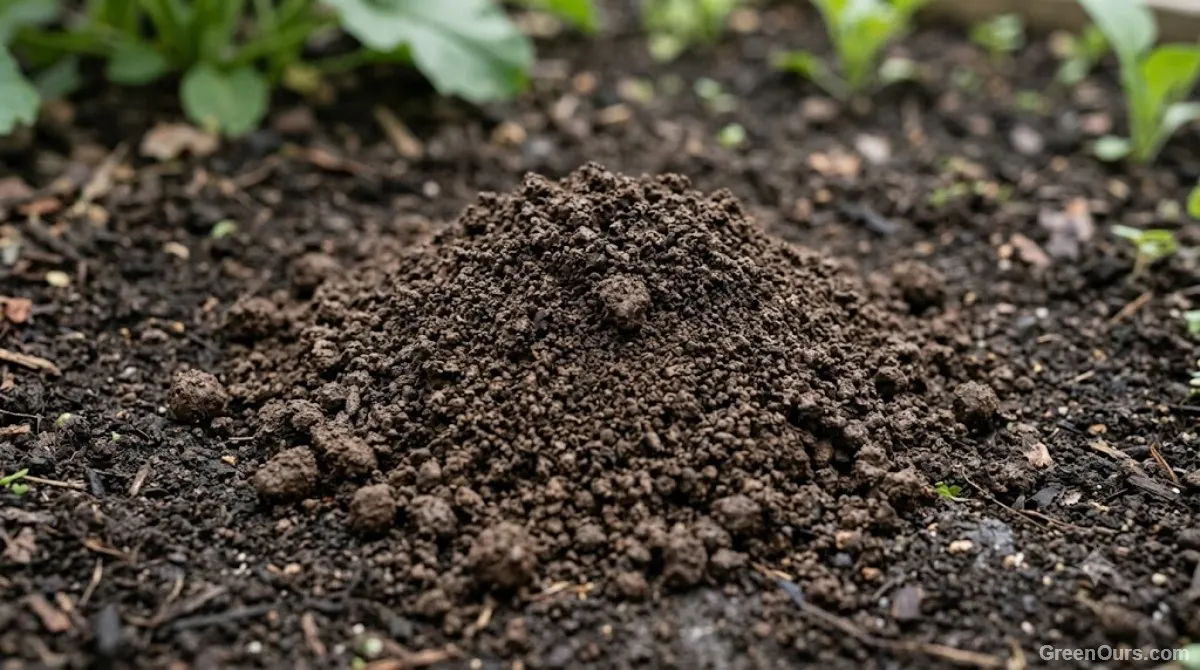
Reading Your Soil
If your okra looks unusually bushy and dark green but the flower-to-pod conversion rate is low, nitrogen is worth a closer look. You don't need a lab test to notice this pattern — it's usually visible in how the plant is growing. Established plants that are more than waist-high with only a scattering of flowers, despite otherwise healthy-looking growth, fit this description particularly often.
A Simple Feeding Adjustment
If your soil is already fertile, or you've already been feeding regularly this season, the safest move is to hold off on adding more nitrogen rather than guessing from a fertilizer's N-P-K label. A soil test is the most reliable way to know whether your plants actually need more of anything — it takes the guesswork out of feeding and avoids the common assumption that more phosphorus or potassium automatically means more flowers and fruit. Excess nitrogen is the clearer problem here: it pushes the plant toward leafy growth at the expense of flowering, so easing off on it is usually the first and most useful change you can make.
The Harvest Habit That Keeps Okra Producing
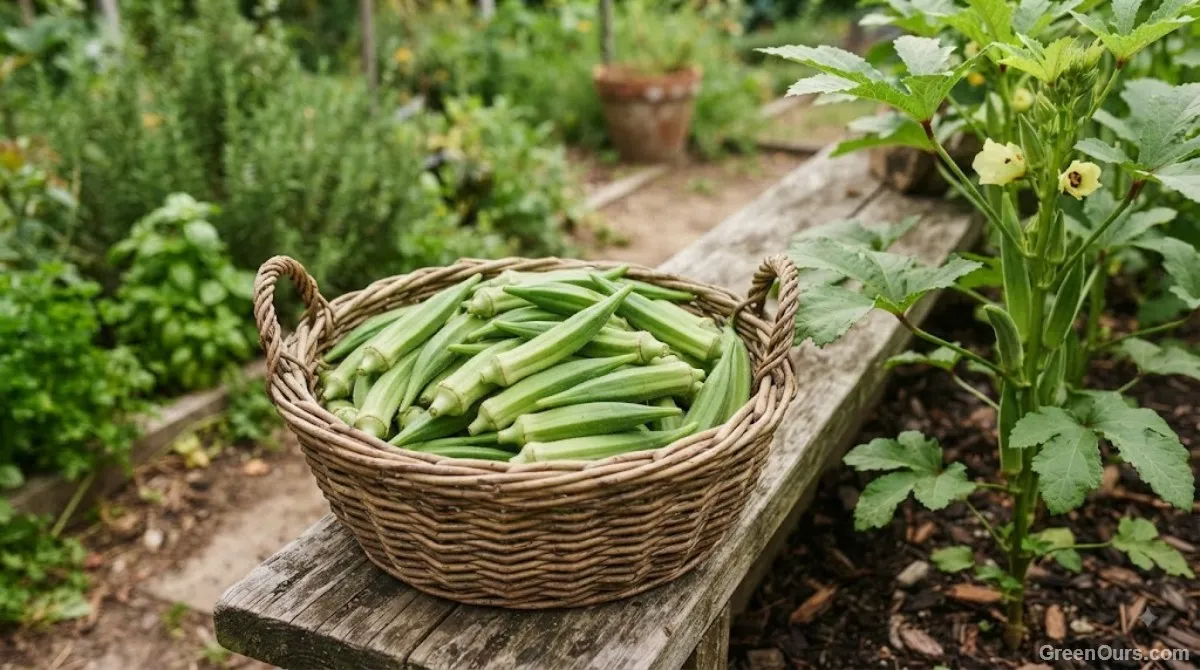
Here's a detail that surprises a lot of new okra growers: leaving mature pods on the plant can reduce continued flowering and pod production, so regular harvesting helps keep the plant productive. Once a pod is left to grow past its ideal picking size, the plant redirects energy toward maturing the seeds inside it rather than setting new flowers. Picking pods young — usually when they're about two to four inches long, depending on the variety — helps keep the flowering cycle going.
During peak season, that can mean checking your plants every day or two. It feels like a lot at first, but it's the single easiest way to keep a steady flow of new blooms turning into pods instead of the plant slowing down for a while.
It helps to pick with a light touch too — okra pods snap or cut away easily when they're still young and tender, and forcing a stubborn pod usually means it's already past its prime anyway. Keeping a small basket by the door during peak season makes it easy to do a quick pass every evening without turning it into a chore.
A Few Other Culprits Worth Ruling Out
If heat, watering, and nitrogen all check out and pod set is still lagging, a couple of other things are worth a quick look. Crowded plants with poor airflow can struggle with pollination simply because conditions inside the canopy stay too humid. Giving okra room to breathe — spacing that suits your variety and growing setup, often somewhere in the 12 to 18 inch range as a starting point — helps air move freely around the flowers. It's also worth checking for pests like aphids or stink bugs clustering on buds, since heavy feeding can cause flowers to drop before they ever get the chance to pollinate.
Wind and rough handling can also knock loose a flower that was otherwise on track, especially right after it opens and before pollination has finished. If your okra patch sits in a particularly exposed spot, a temporary windbreak — even stakes and burlap — can reduce that kind of physical flower loss during a stormy stretch.
What to Do This Week
Once you've ruled out the big culprits, here's a simple order of operations to help the next flush of flowers actually turn into pods.
- Check soil moisture and water deeply if it's been drying out between waterings.
- Hold off on additional nitrogen if foliage is already lush and dark green.
- Protect plants from the worst afternoon heat with temporary light shade if a heat wave is forecast.
- Inspect flowers and buds for aphids or stink bugs.
- Harvest any pods that are ready, and keep picking young pods every day or two going forward.
- Give the plant one to two weeks to respond before making another change.
Okra rewards patience more than almost anything else in the summer garden. A slow week of flowers dropping isn't a verdict on your growing skills — it's usually just the plant waiting out a stretch of weather or catching up on what it needs. Make a small adjustment, keep picking those young pods, and give it a couple of weeks. More often than not, the harvest picks right back up.
Explore more beginner vegetable garden guides