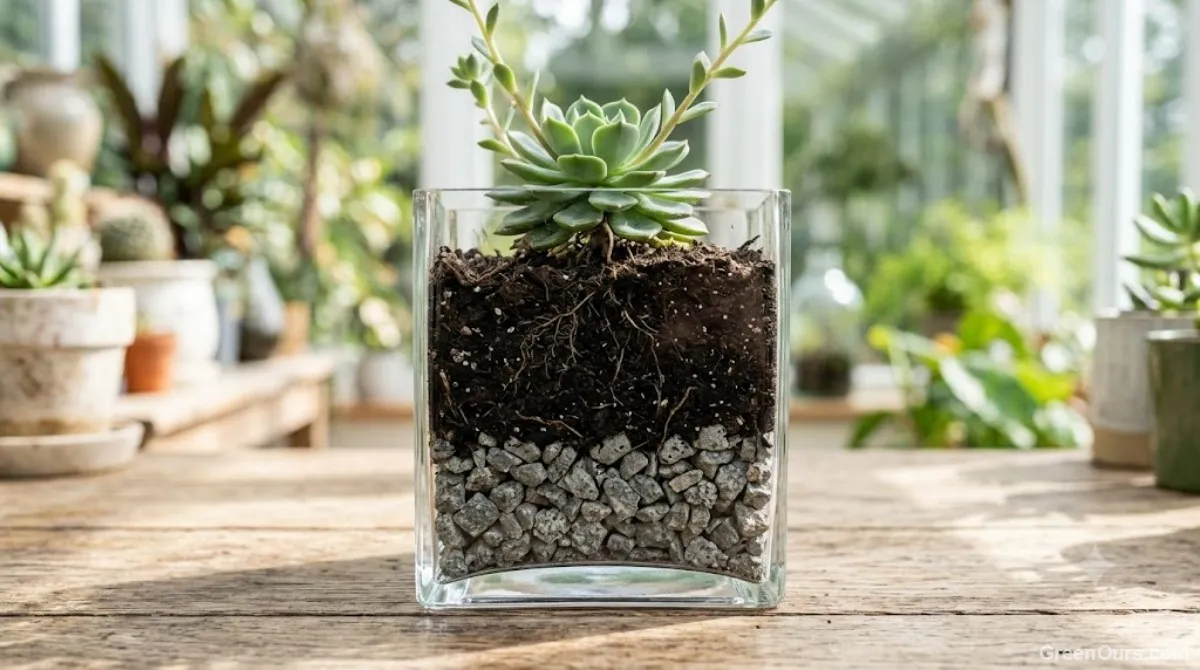

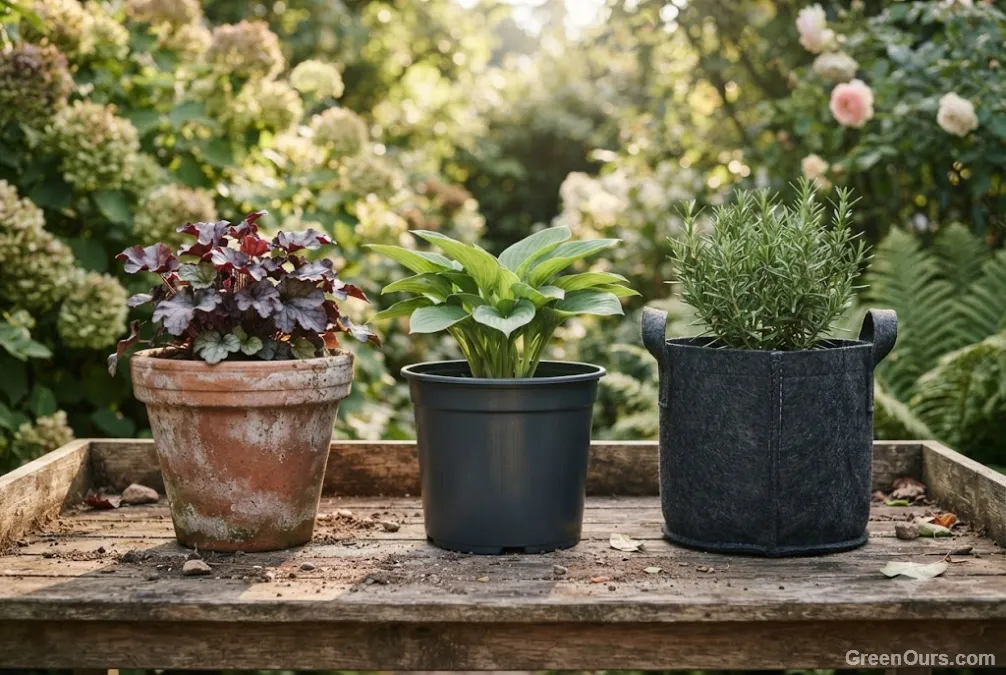
How Clay vs Plastic Pots Change Water Loss
Water leaves a potted plant two ways: through the leaves via transpiration, and through the pot itself via evaporation. Most watering guides ignore the second pathway. That's a mistake. In porous containers, wall evaporation can account for 20-30% of total water loss on a hot day.
Three properties determine how much water a pot loses through its walls: porosity, color, and wall thickness. Porous, unglazed materials wick water outward. Dark colors absorb more solar heat and speed up evaporation. Thin walls transfer heat and moisture faster than thick ones.
If two pots look identical in size but one is noticeably lighter, check the wall thickness before assuming they'll dry at the same rate. Thin-walled plastic and thick-walled terracotta behave nothing alike.
Terracotta and Clay: Fast Evaporation, Stable Roots
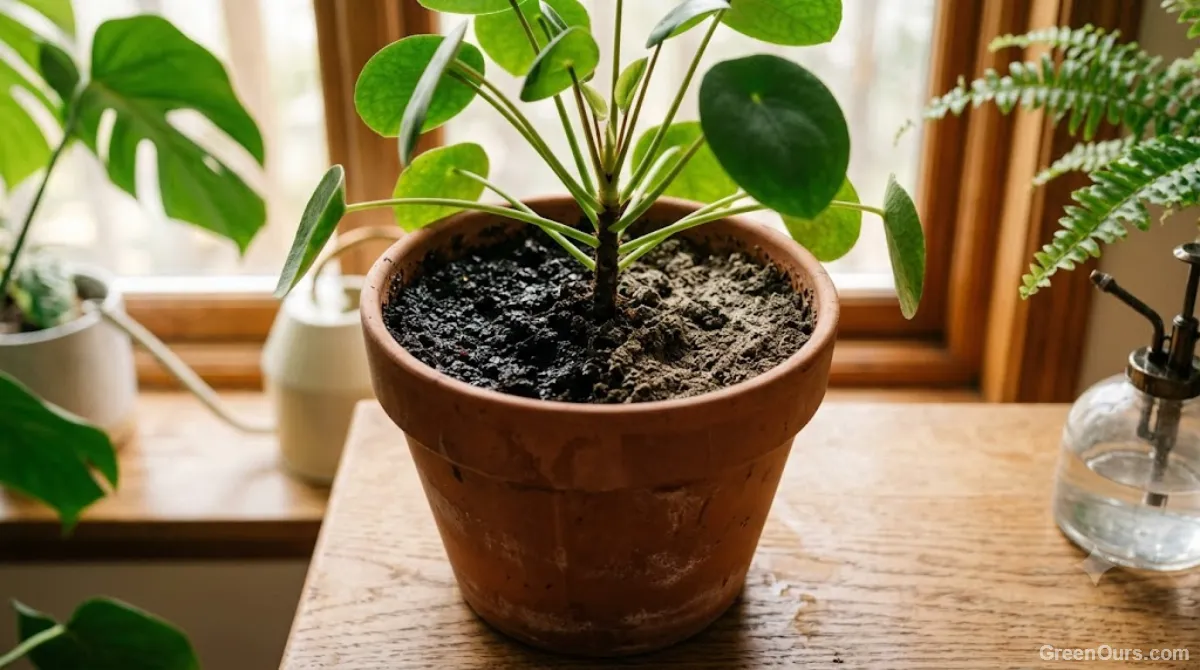
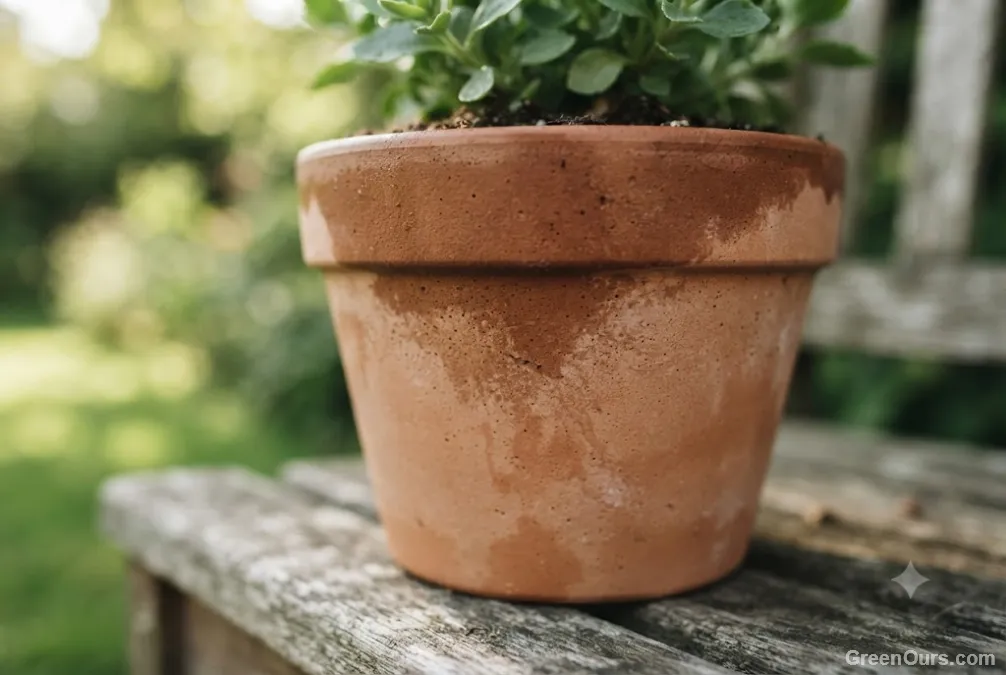
Unglazed terracotta is porous. Water migrates through the clay wall and evaporates from the outer surface, not just the soil surface. That's why terracotta soil dries noticeably faster than soil in a sealed container of the same size.
Expect terracotta to need watering roughly 30-40% more often than glazed ceramic or plastic under the same conditions. For plants prone to root rot — succulents, cacti, sansevieria — that extra drying speed is protective, not a downside.
Terracotta also buffers root-zone temperature better than plastic. The clay's mass and evaporative cooling keep roots several degrees cooler in direct sun, even though the soil dries faster. Cooler roots paired with drier soil makes terracotta the safer default for drought-tolerant species and for gardeners who tend to overwater.
Where Terracotta Falls Short
Moisture-loving plants — ferns, calatheas, peace lilies — struggle in terracotta unless you're prepared to water on a tighter schedule. In low humidity or direct sun, terracotta pots under 6 inches in diameter can dry out completely within 24-48 hours.
Plastic and Glazed Ceramic: Moisture Retention, Heat Risk
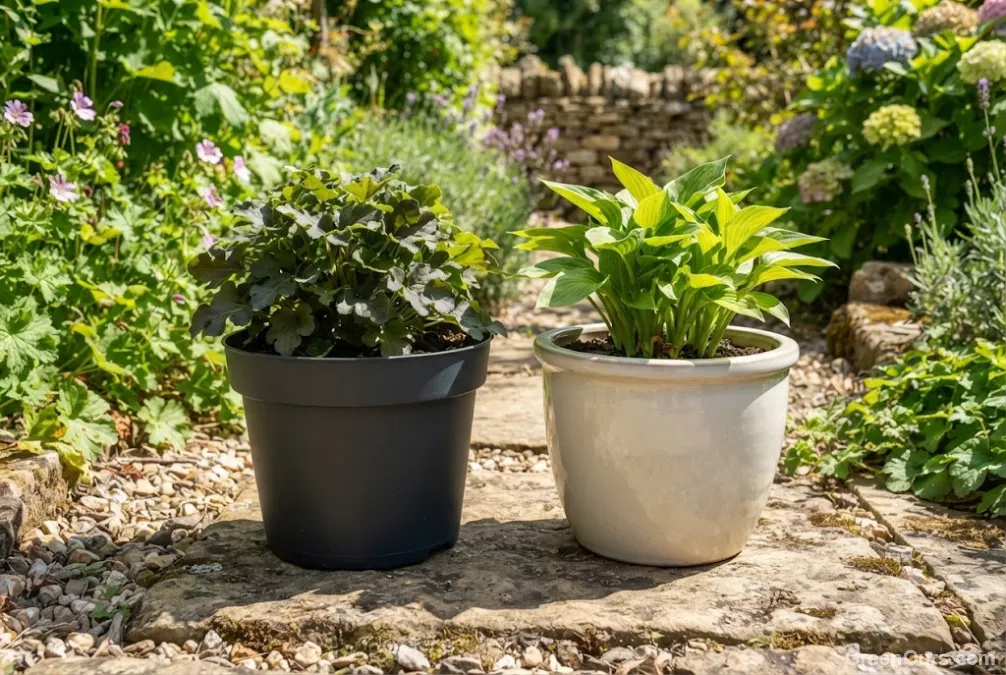
Plastic and glazed ceramic are non-porous. Water leaves only through the soil surface and drainage holes, not through the walls. Soil in these containers stays moist 40-60% longer than terracotta under identical conditions.
That retention is useful for moisture-loving plants and for gardeners watering on a fixed schedule. It's a liability for anything prone to root rot, since the extra moisture has nowhere to go except down and out the drainage hole.
Root-zone heat is the other factor. Dark plastic pots left in direct sun can reach surface temperatures 15-20°F above ambient air temperature. Roots near the pot wall sit in that heat directly, since plastic has almost no thermal buffering. Light-colored or double-walled plastic pots reduce this effect significantly.
Fabric Grow Bags: The Fastest-Drying Option
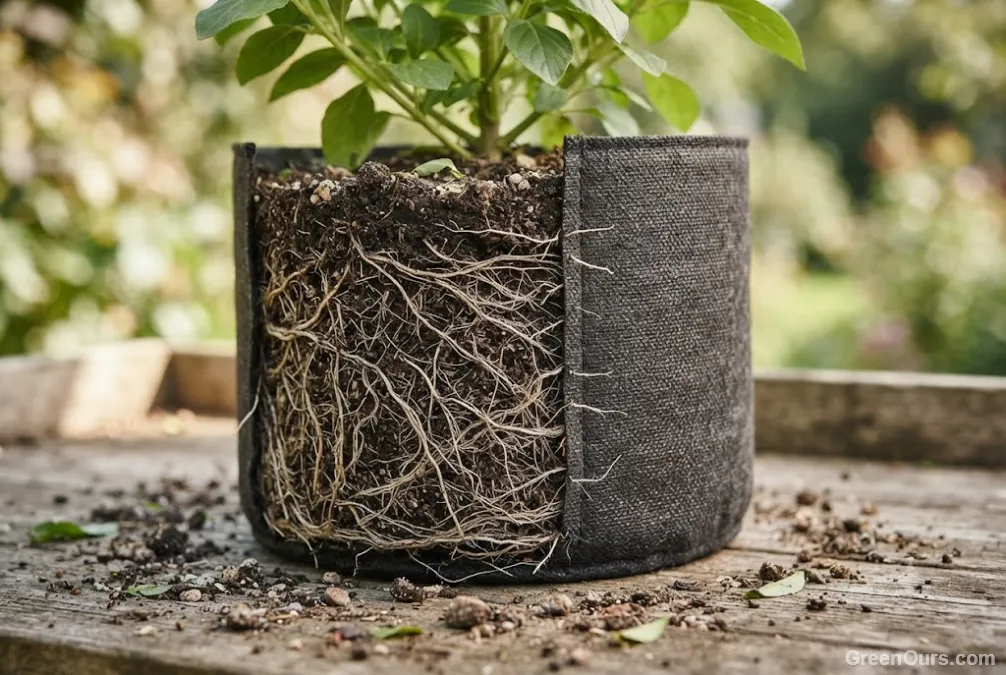
Fabric pots are porous like terracotta, but the mechanism differs. Instead of wicking water through solid clay, woven or non-woven fabric allows both moisture and air to pass freely through the entire wall surface.
This produces two effects. First, soil in fabric pots dries fastest of the three materials, often needing water daily in warm weather compared to every 3-5 days for plastic. Second, constant air exposure at the pot's edge triggers air pruning: roots that reach the fabric wall dry out and stop growing forward instead of circling the container.
Air pruning produces a denser, more branched root system than plastic or clay typically allow. That's a real advantage for vegetables and larger container plants, but it comes at the cost of a watering schedule that's harder to skip.
Fabric Pots and Climate
In hot, dry, or windy climates, fabric bags can require watering twice a day for smaller sizes. In humid or cooler climates, the difference from plastic narrows considerably, since ambient humidity slows evaporation from the fabric surface too.
Matching Material to Plant and Climate
Use this as a starting point, then adjust based on your specific conditions:
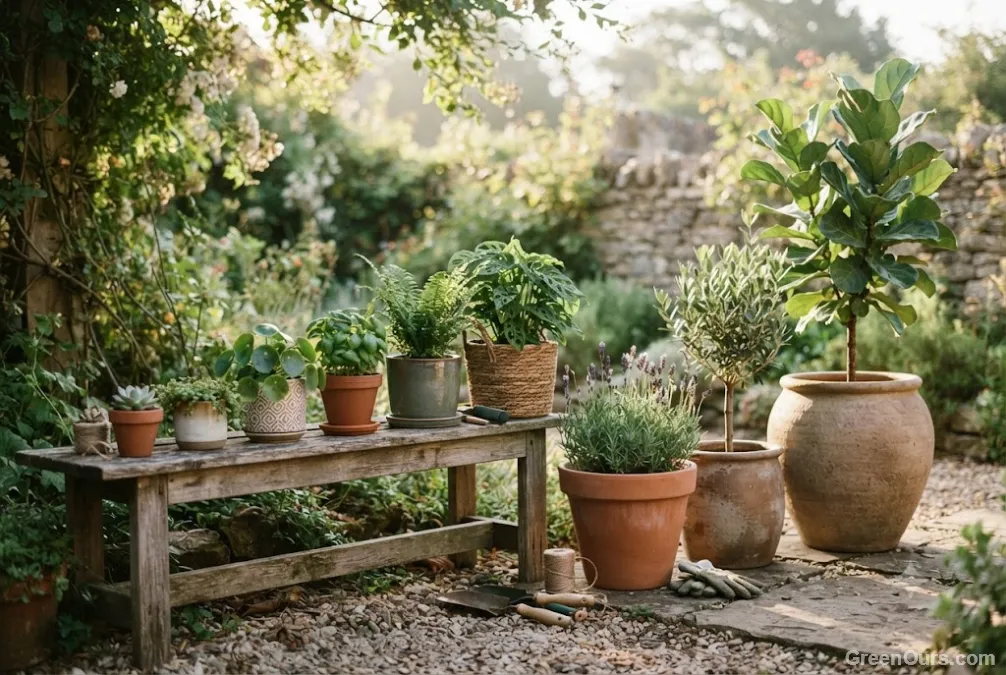
- Succulents and cacti: terracotta or unglazed clay — fast drying prevents root rot
- Ferns, calatheas, moisture lovers: plastic or glazed ceramic — retains humidity at the root zone
- Vegetables and larger edibles: fabric grow bags — air pruning supports a healthier, more productive root system
- Hot, dry climates: favor plastic or glazed ceramic to reduce watering frequency; avoid dark, thin-walled pots in direct sun
- Humid or shaded conditions: terracotta helps offset naturally slower evaporation
Adjusting Your Watering Schedule After a Switch
Don't carry over your old watering schedule when you change pot material. Check soil moisture directly for the first two weeks instead of watering on a fixed day.
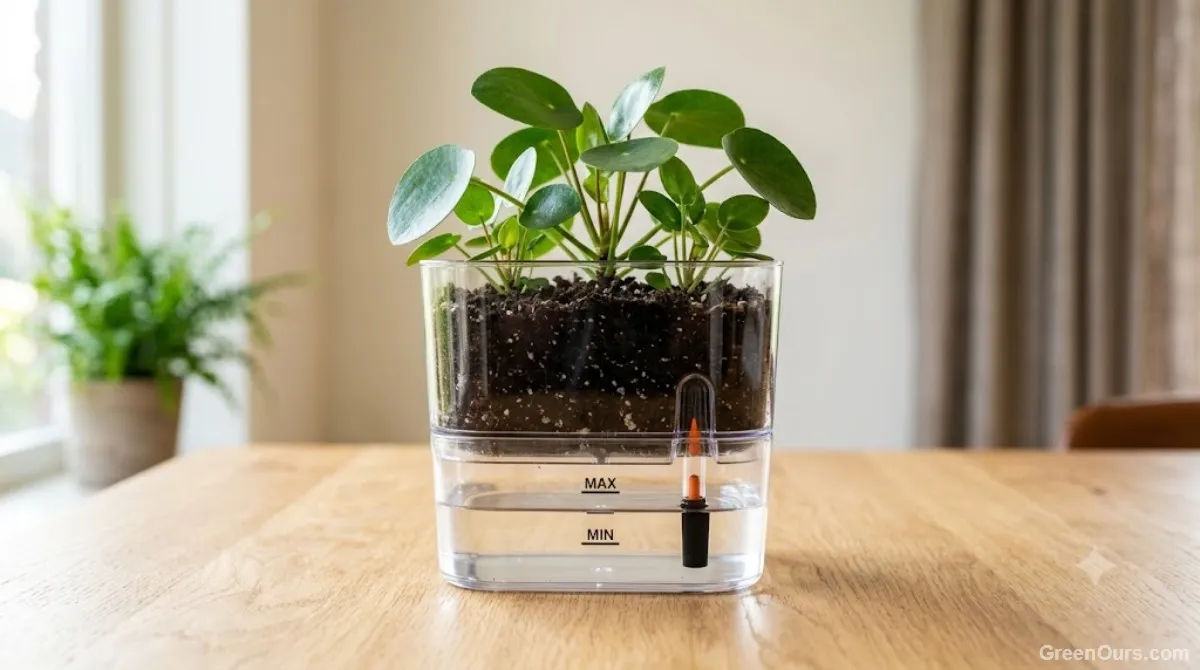
- Insert a finger or moisture meter 2 inches into the soil before every planned watering
- Track how many days it takes to reach dry at that depth in the new pot
- Adjust your schedule to that interval, not the interval from the old container
- Re-check after any major season change — evaporation rates shift with temperature and humidity
Switching from plastic to terracotta usually means watering 30-40% more often. Switching from terracotta to fabric can mean watering daily instead of every three or four days. Skipping this recalibration is the most common reason plants decline after a pot change that had nothing wrong with it otherwise.
What to Do Next
Pot material isn't a finishing touch. It's a variable that changes how often you need to show up with a watering can, and it deserves the same attention as soil mix or light placement. Check the material before you diagnose the plant.
Check the pot before you troubleshoot the plant.