
How the Reservoir System Actually Works
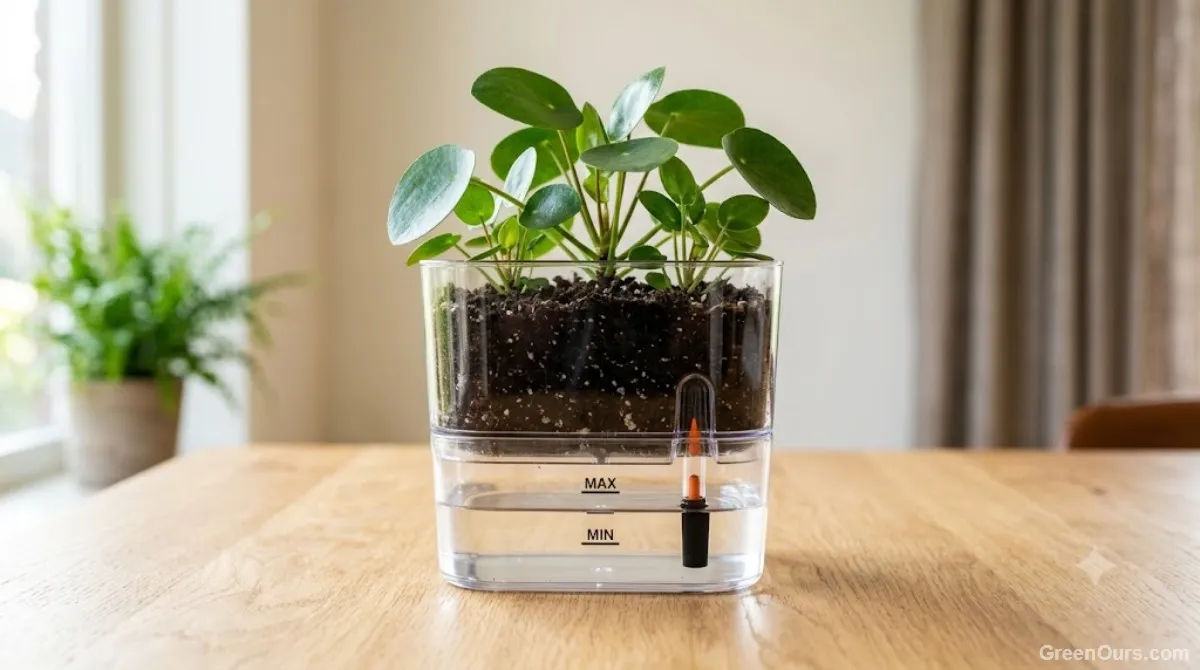
Every functional self-watering pot operates on a single physical principle: capillary action. A wicking mechanism — typically a fabric strip, a synthetic rope, or a column of moisture-wicking potting soil — sits partially submerged in a water basin at the base of the pot while its upper end sits in the root zone. Water travels upward through this channel as the surrounding soil dries out, driven by surface tension, the same way a paper towel draws up a spill.
The reservoir sits below a false bottom, separated from the root zone by a wicking layer and an aeration gap. Roots never sit directly in standing water — a common misconception. As long as the wick stays saturated and the soil above stays porous enough to let water travel upward, the system holds consistent moisture without daily surface watering.
Capillary action depends on micropores in the potting substrate. As soil dries through evaporation and plant uptake, those micropores create a negative pressure gradient that pulls water up through the wick. If the distance between the water surface and the root zone is too great, gravity overrides that pull and water movement stops — which is why commercial planters keep reservoir depth within that effective threshold.
Reservoir Capacity and Refill Intervals
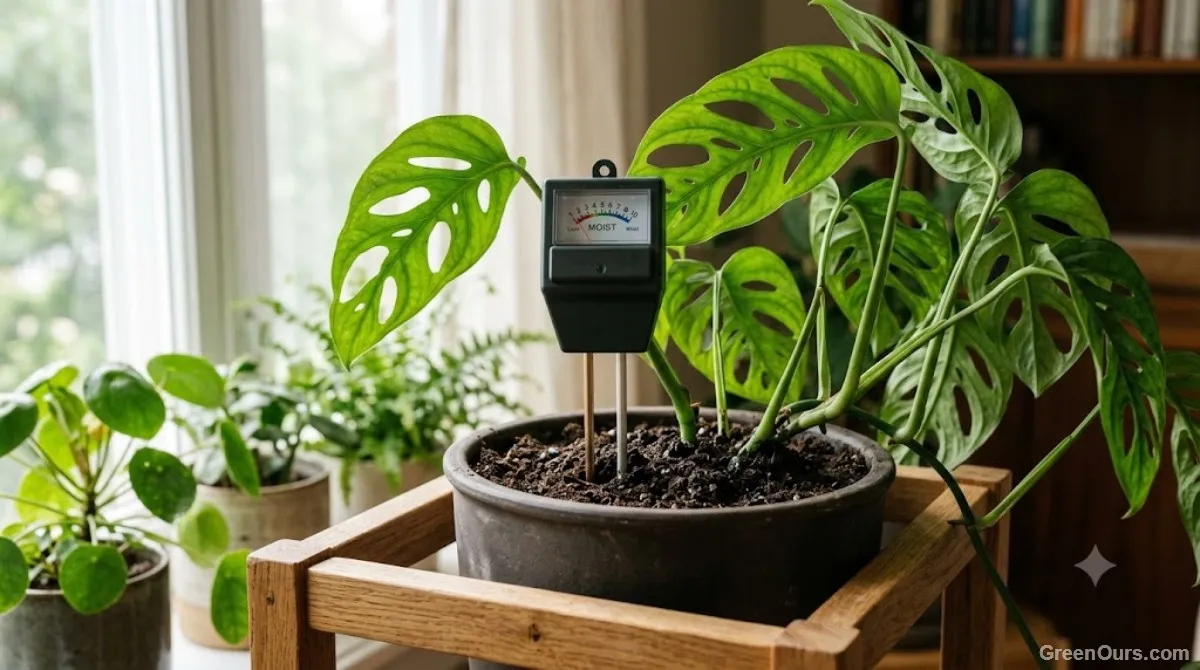
Reservoir size determines refill frequency. Most consumer models hold 500ml to 2 liters, translating to a 5–14 day interval depending on plant size, pot diameter, and ambient humidity. Check the water level window weekly during the first month with any new plant to calibrate the actual drawdown rate before trusting a fixed schedule.
Environmental variables shift drawdown rates significantly. During active spring and summer growth, a large leafy plant might drain a two-liter reservoir in under five days. During winter dormancy, that same plant's slower metabolism can stretch the refill interval to three weeks or more.
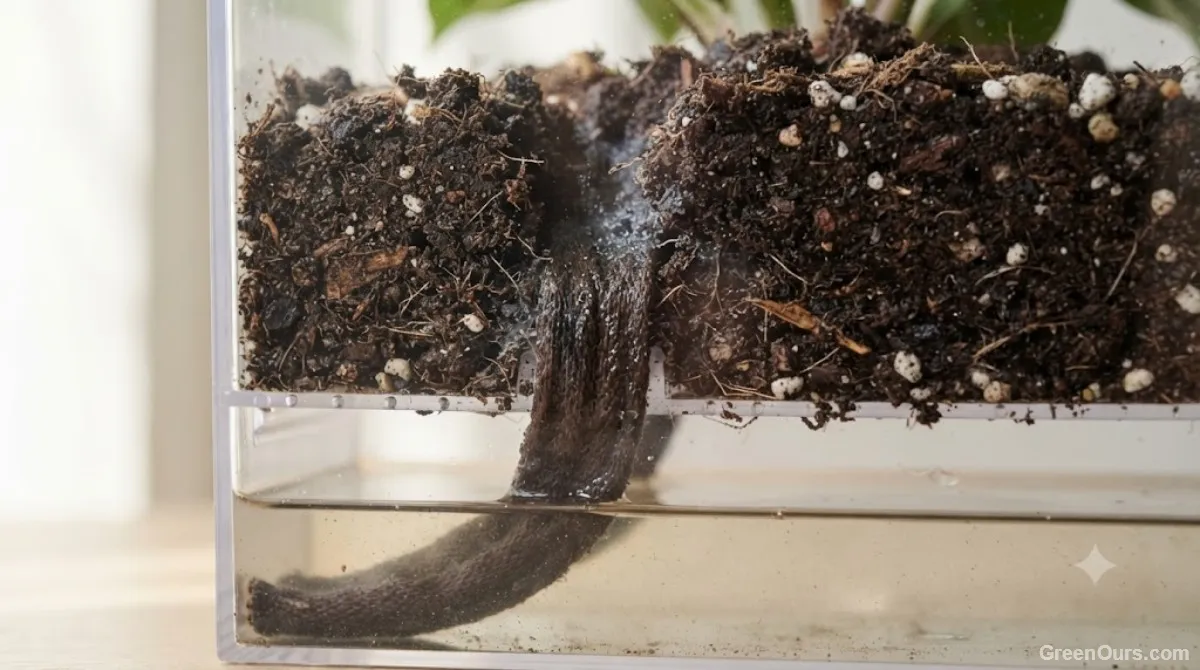
A dry wick after refilling almost always means the wick has lost physical contact with the soil mix, not that the plant is using water unusually fast. Always reseat or fluff the wick interface before assuming a deep-seated drainage failure.
Which Plants Actually Benefit
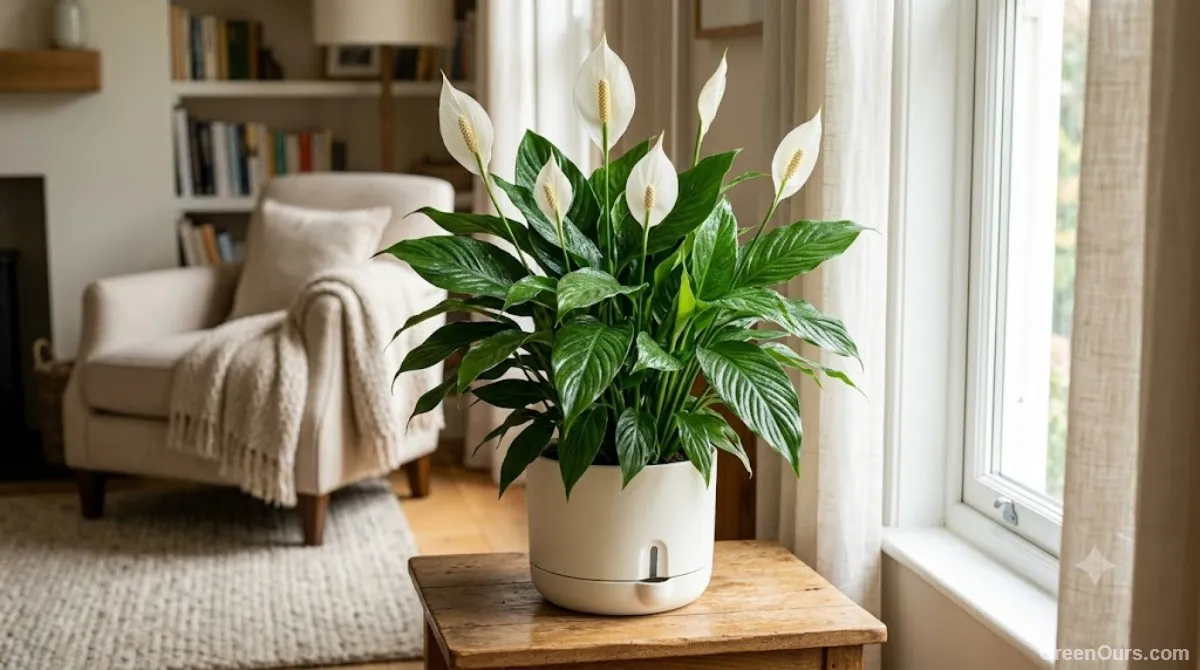
Self-watering pots perform best with plants that prefer consistently moist — not wet — soil and that tolerate limited airflow around the root zone. Peace lilies, ferns, calatheas, and many tropical foliage plants fall into this category. These species show visible stress (leaf drooping, browning tips) within a day or two of drying out, making a stable moisture source genuinely useful rather than just convenient.
Herbs like basil and mint also do well, since both wilt fast under inconsistent watering and recover quickly once moisture returns. Vegetable starts in early growth stages benefit similarly — seedling roots are shallow and dry out faster than a mature root system can compensate for.
Tropical understory plants like marantas, fittonias, and alocasias are especially well-suited, since their native habitats are constantly damp, leaf-litter-rich forest floors. In a standard container, these plants cycle between soaking and drying out, which often triggers crisping leaf margins or premature leaf drop. A sub-irrigated setup flattens that cycle.
Sub-irrigation also shines for fast-growing culinary herbs like parsley, cilantro, and chives, which fill containers with dense roots and can dry out in hours under direct sun. Reservoir planters shield them from drought stress and reduce premature bolting brought on by moisture swings.
Where the Design Falls Short
Succulents, cacti, and other drought-adapted plants are the clearest mismatch. These species evolved root systems that need a dry-down period between waterings — oxygen exchange at the root zone depends on it. A reservoir that keeps soil perpetually moist removes that cycle entirely, and root rot typically shows up within 3–6 weeks.
Orchids, epiphytes, and Sansevierias also struggle. Epiphytic species absorb moisture from air and rain runoff in nature, not soil moisture, and their fleshy or thick roots need real aeration and full drying phases. A sub-irrigated environment suffocates root tissue and invites pathogenic fungi.
Soil Mix Compatibility
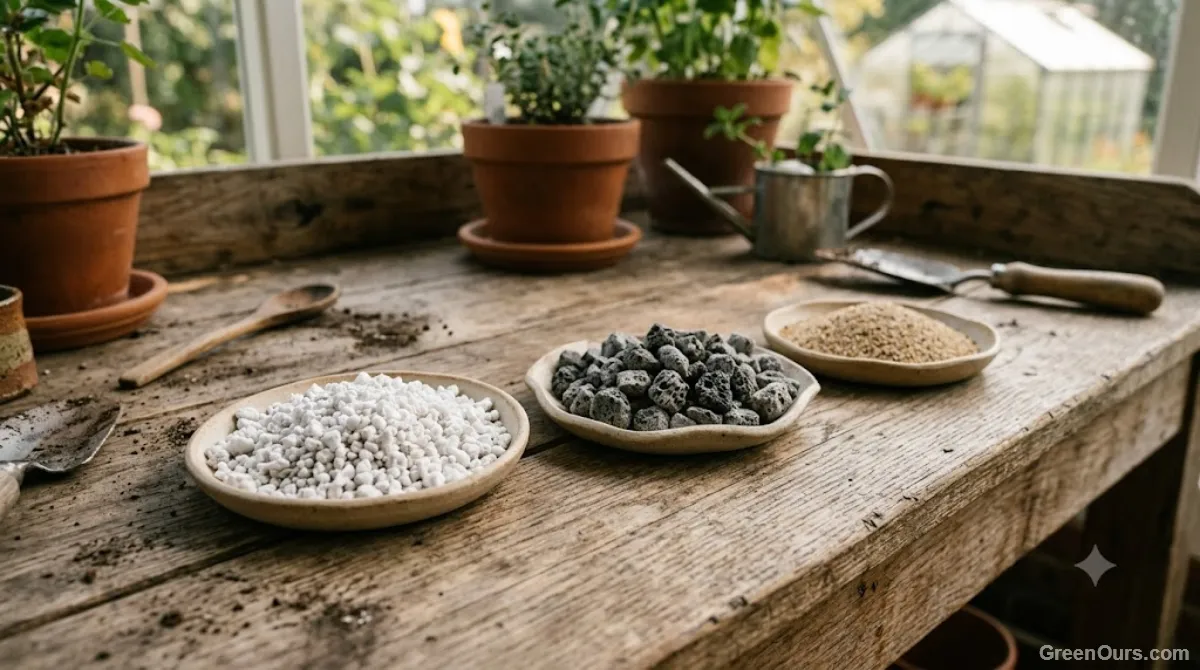
Standard potting soil compacts over time and stops wicking efficiently, which breaks the system even for plants that would otherwise benefit. Self-watering pots need a mix with sustained porosity — added perlite or coco coir keeps capillary channels open. Dense, moisture-retentive soil defeats the wick and creates soggy pockets near the base instead of even distribution.
A working ratio: 40% coarse perlite or pumice, 40% coco coir or peat moss, and 20% compost or aged bark. Perlite creates permanent macropores for oxygen even when the surrounding mix is saturated, while coco coir provides the fine micro-capillaries that lift water upward from the reservoir.
Salt and Mineral Buildup
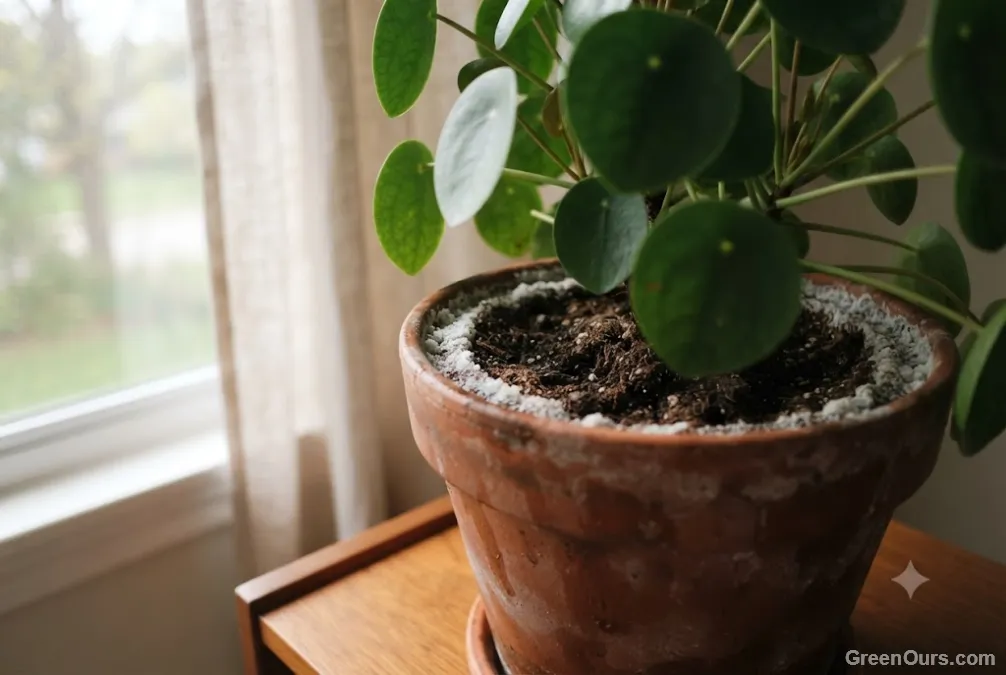
Because water evaporates from the soil surface but dissolved minerals don't, self-watering pots concentrate salts faster than top-watered pots. Expect a visible white crust on the soil surface within 2–3 months using tap water. Flush the pot from the top with plain water every 4–6 weeks to clear accumulated salts before they damage root tips.
Accumulated surface salts create an osmotic pull that draws water back out of delicate surface roots, showing up as stunted growth or yellowing leaf tips. Filtered or rainwater slows how fast these crusts form in the first place.
Maintenance Mistakes That Undo the Benefit
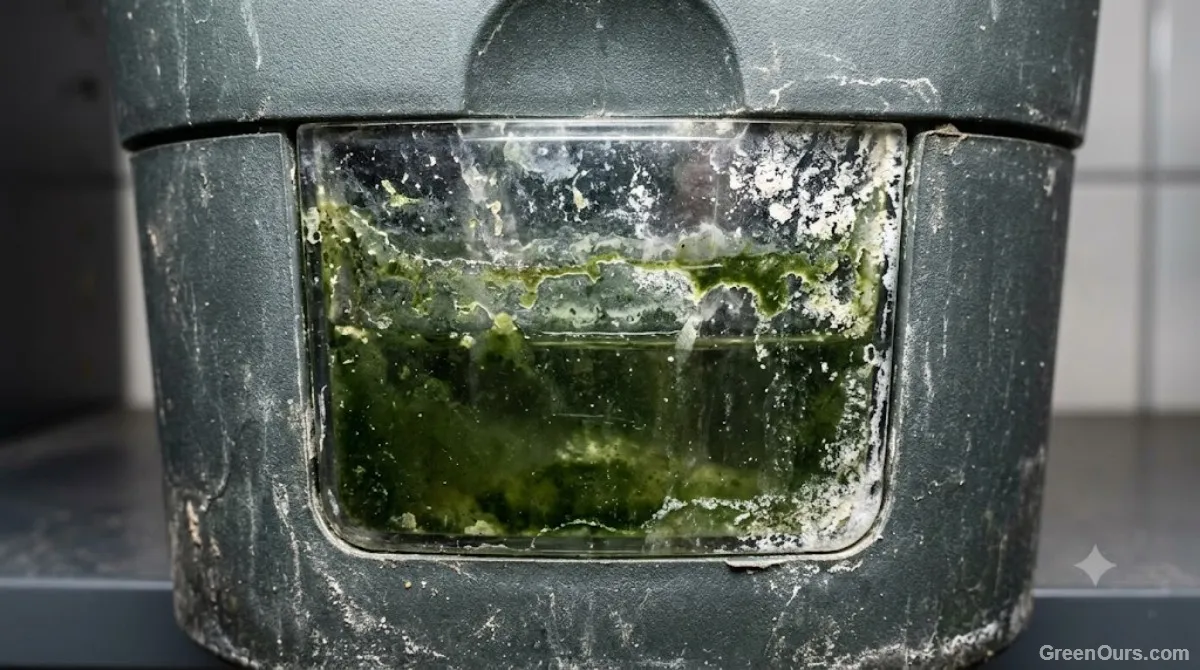
The most common failure isn't the pot itself — it's neglecting the reservoir. Standing water left unchanged for weeks develops algae and bacterial growth, especially in pots exposed to bright light through a clear water window. That buildup can clog the wick and, in enclosed indoor spaces, produce a faint but persistent odor.
Empty and rinse the reservoir fully every 6–8 weeks, even if it hasn't run dry. Replace the wick material annually — fabric wicks lose capillary efficiency as fibers break down and mineral residue accumulates inside them.
Another frequent error is topping off the reservoir continuously without ever letting the soil aerate. Even moisture-loving plants benefit from short stretches where the reservoir sits dry for a day or two — it encourages roots to expand and lets fresh air reach the lower soil profile. Watch leaf turgor as your cue: firm leaves mean you can wait; the first sign of softening means it's time to refill.
When a Traditional Pot Is the Better Choice
If you're growing anything drought-tolerant, or if you tend to check on your plants daily anyway, a standard pot with drainage gives you more control and fewer failure points. Self-watering systems solve a specific problem — inconsistent watering access for moisture-loving plants — and add complexity everywhere else.
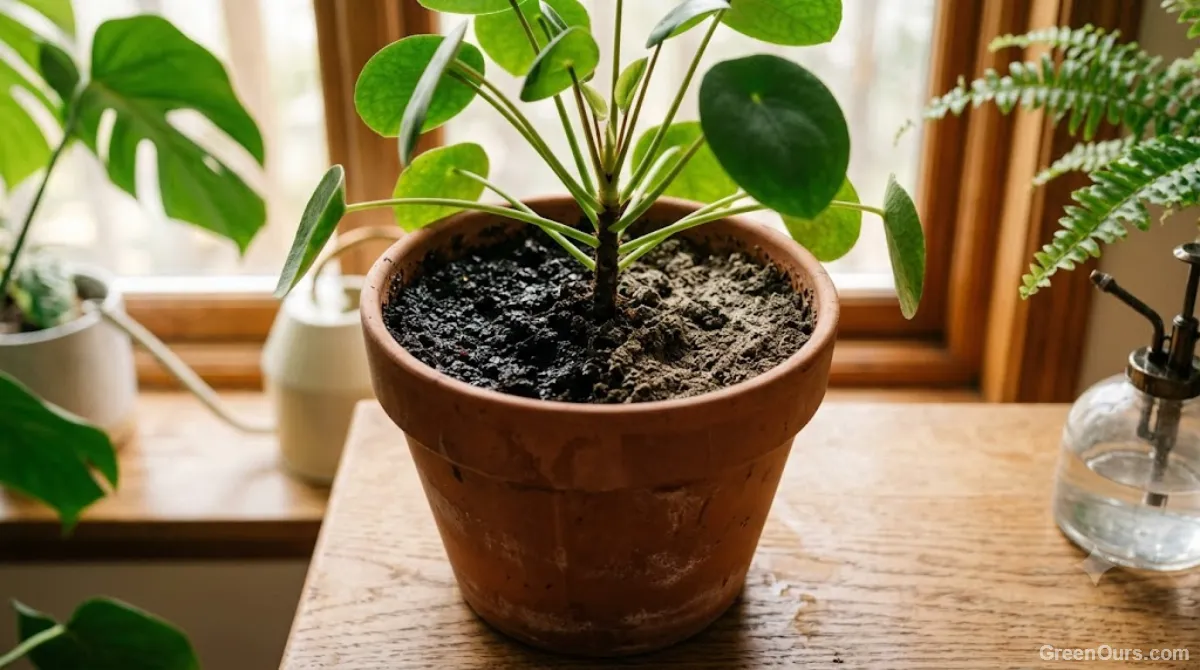
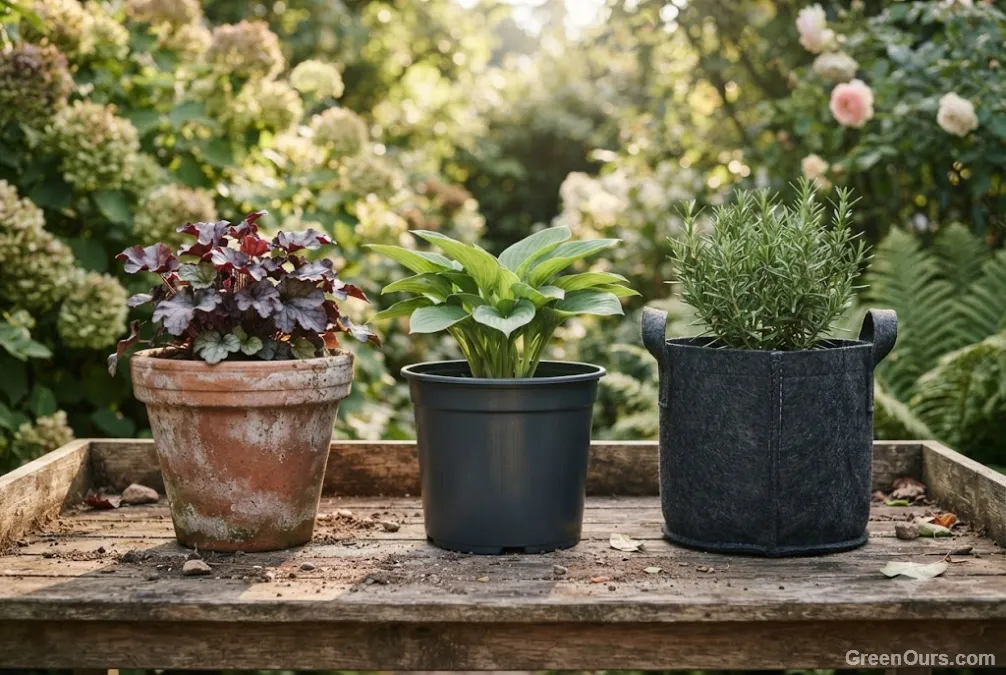
Traditional terracotta and unglazed ceramic offer breathability synthetic sub-irrigation planters can't replicate. Moisture evaporates through the porous walls, naturally cooling the root system. For growers who like the tactile routine of checking soil by hand, standard pots remain an effective choice with zero mechanical components.
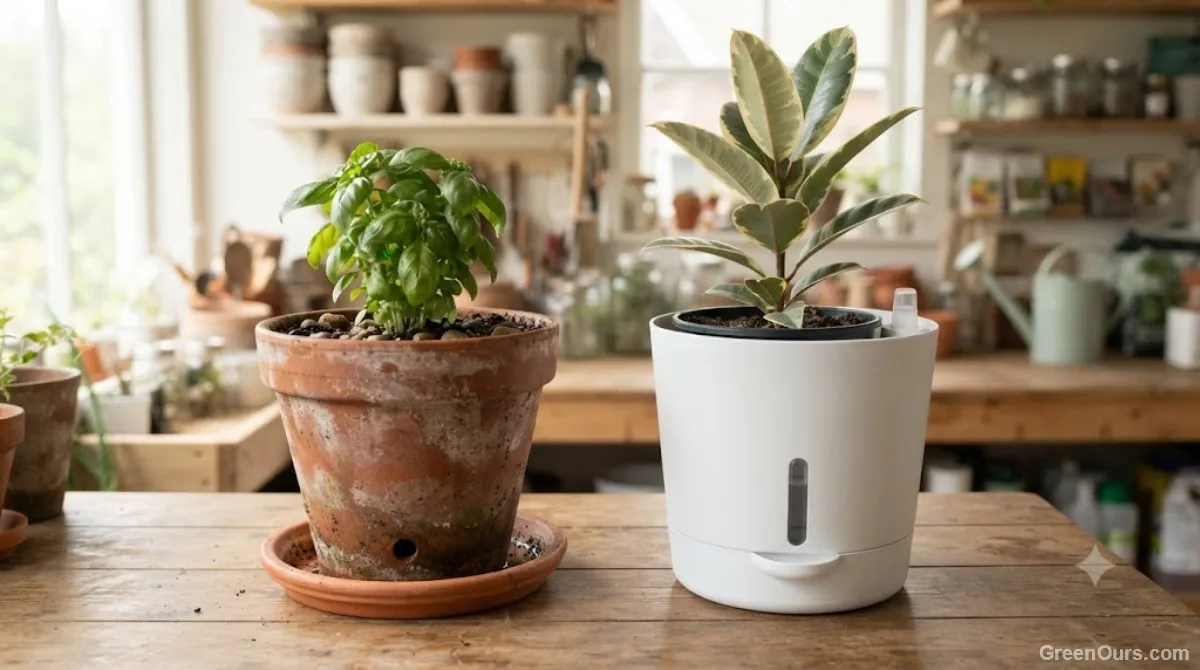
Test one reservoir pot with a single moisture-loving plant before converting a full shelf.
Match the tool to the plant, not the other way around. A reservoir planter under a fern earns its shelf space. Under a jade plant, it's just a slower path to root rot.