
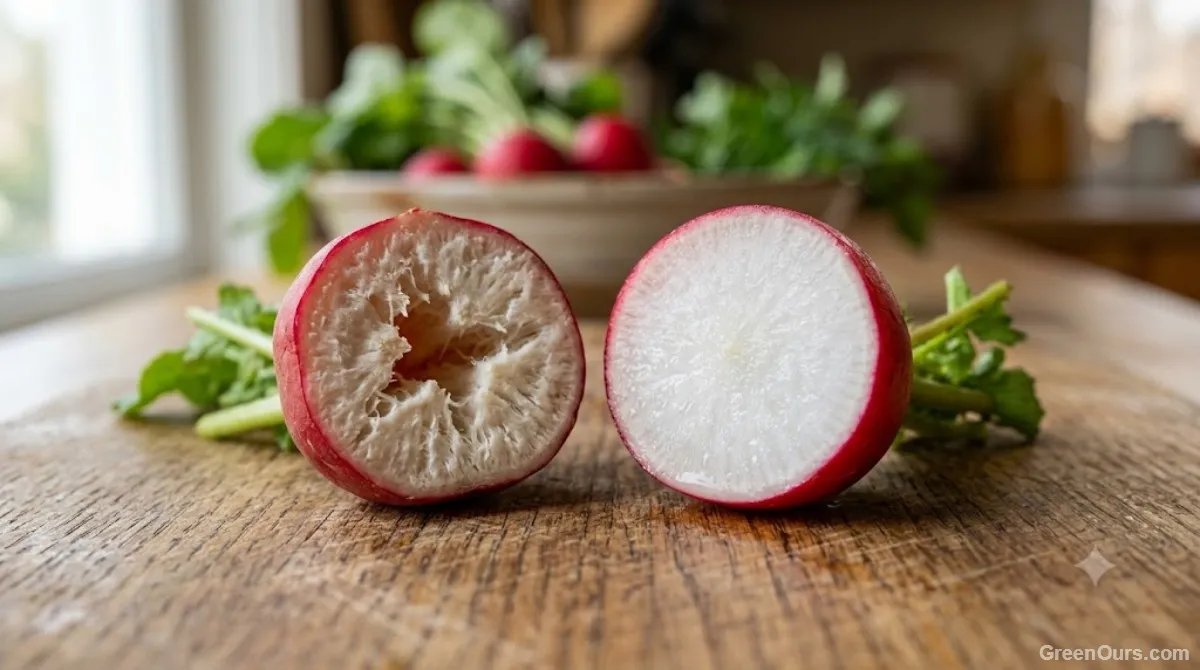
Why Radishes Turn Woody in the First Place
If you're wondering why are my radishes woody, the answer usually isn't disease or a failed variety. Woody radishes are usually related to maturity, heat, growing conditions, or moisture stress rather than a single soil problem. What you're tasting is a root that grew under stress, from one of a few common causes: it sat in the ground too long past maturity, it grew too close to its neighbors and had to fight for space, it went through uneven watering that made growth start and stop repeatedly, or it matured during a stretch of hot weather. Those conditions can slow or disrupt normal root development, leaving the radish tougher, more fibrous, pithy, or hotter in flavor than it should be.
Radishes mature fast — often in three to five weeks for standard varieties — and that speed is a double-edged sword. A vegetable that goes from seed to harvest in under a month gives you very little room for delay. Miss the window by even five or six days in warm weather, and the roots that were perfect can turn fibrous seemingly overnight.
If you're not sure whether a radish is past its prime, the most reliable test is also the simplest: pull one and check it. Compare its size to what the variety promises, then taste a slice — that tells you far more than guessing from the outside.
Timing: How Long a Radish Should Actually Take
Different radish types mature at different speeds, and matching your expectations to the variety matters more than most seed packets let on. Many spring radishes — standard round reds, French breakfast types, and similar quick varieties — mature in roughly three to five weeks, though the exact number shifts with cultivar and growing conditions. Daikon and other winter radishes take considerably longer and are bred to hold their texture in the ground well past that window — so don't judge a daikon by a cherry-belle timeline.
Mark your calendar the day you sow, not the day you remember to check. It sounds unnecessary until you're three weeks in and can't recall whether you planted on a Tuesday or a Thursday. That handful of days is often the exact margin between crisp and woody.
Spacing That Keeps Roots Growing Outward, Not Stressed
Crowding is the quiet cause of more woody radishes than people realize. Radish seed is small and easy to oversow, and a thick row looks productive right up until harvest, when you discover a cluster of skinny, tough roots that never had room to fill out.
Thinning Seedlings
Once seedlings have their first true leaves, thin them so roots stand about an inch apart for small varieties and two to three inches apart for larger daikon types. This feels wasteful the first time you do it — you're pulling out perfectly healthy little seedlings — but the roots left behind will size up properly instead of competing for the same patch of soil.
Row Spacing for Different Varieties
Rows themselves need less room than most root vegetables, generally four to six inches apart, but resist the urge to squeeze extra rows in for a bigger harvest. A tightly packed bed changes the soil moisture and airflow around each root, which circles back to the same stress response that produces woodiness.
Watering Rhythm That Keeps Roots Tender
Radishes want steady, even moisture more than they want a lot of water. What causes trouble isn't dry soil on its own — it's the swing between dry and soaked. Repeated swings between very dry and very wet soil can stress the plants and contribute to uneven root development and poorer texture.
Aim for about an inch of water a week, adjusted for rainfall, delivered in smaller, consistent amounts rather than one big soak. In hot weather, check the soil with a finger a couple of inches down every other day. If it's dry at that depth, it's time to water — waiting for the surface to look dusty usually means you've already waited too long.
Heat Can Make Radishes Woody and Pithy, Too
Radishes are a cool-season crop, and that matters more than most beginner guides mention. Spring and fall growing conditions generally produce the crispest, most tender roots. In hot weather, radishes are already under greater stress, so quality can decline quickly — roots can turn pithy, woody, or noticeably more pungent even when spacing and watering were handled correctly.
If you're growing through a warm stretch, look for heat-tolerant varieties where your seed supplier offers them, and don't let mature roots sit in the ground waiting for a cooler day. Harvest promptly once they've reached size — leaving them in hot soil "just a little longer" is exactly the situation that turns a good radish woody.
Knowing Exactly When to Pull Them
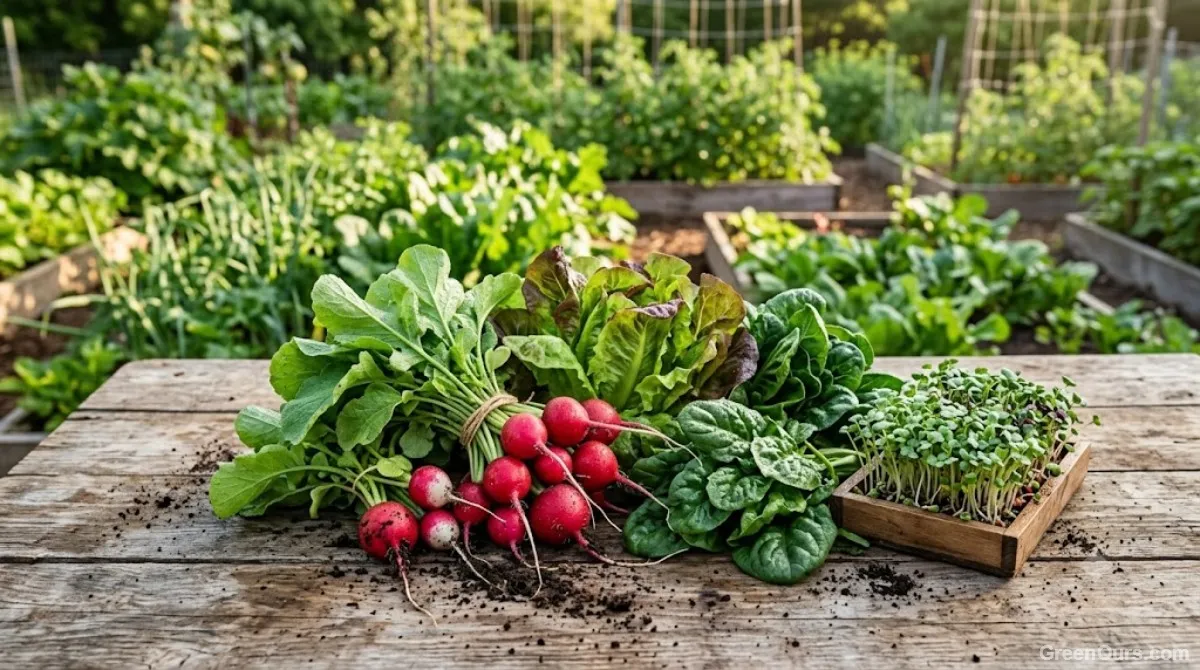
Most radish problems trace back to this step, because the visual cues are easy to miss. The shoulders of the root — the part just at or slightly above the soil line — are your best indicator. Once they reach roughly three-quarters to one inch across for standard round varieties, it's time to harvest, not wait for them to get bigger.
This is where beginners often go wrong: bigger doesn't mean better with radishes. Past peak size, radishes can become tougher, more fibrous, pithy, or hotter rather than becoming more pleasantly crisp. If you're ever unsure, pull one test radish a few days before you think the rest are ready. It costs you one root and tells you exactly where the whole row stands.
Small Mistakes That Make a Big Difference
A few habits quietly undo otherwise good radish care. Sowing too early into cold, wet soil can stall germination and throw off your timing calculations from day one. Letting weeds crowd the row does the same job as overcrowded seedlings, competing for the same narrow band of moisture. And during hot weather, radishes are already under greater stress, so quality can decline quickly — harvest promptly rather than leaving mature roots in the ground.
None of these fixes require special tools or a soil overhaul. They're mostly about paying attention at the right moments — thinning early, watering evenly, and pulling roots when they're ready rather than when it's convenient.
Once you've grown one crop of radishes with proper spacing and steady watering, the difference is obvious enough that you won't need to second-guess it again. Crisp radishes depend on choosing a suitable variety and giving a fast-growing crop the spacing, moisture, temperature and timely harvest it needs.
Explore more beginner vegetable guides