
Why Heat Sends Spinach Into Bolt Mode
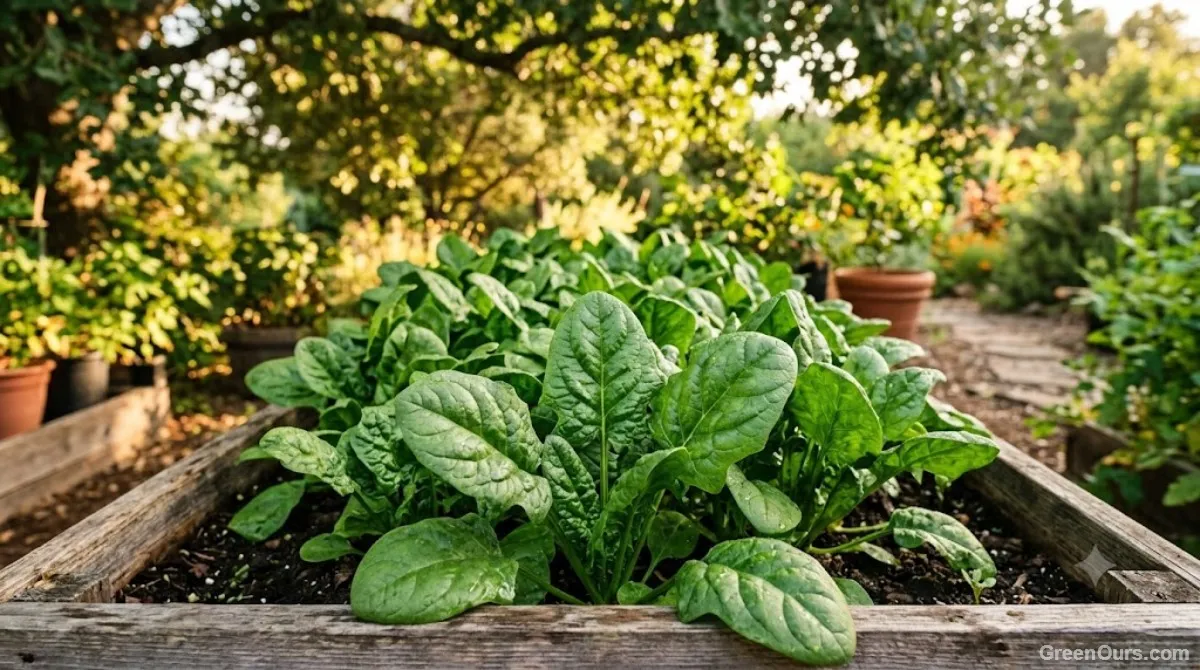
Spinach reads long days and rising temperatures as a signal to switch from making leaves to making seed. Once that switch flips, the plant channels its energy into a central flower stalk, and the remaining leaves often turn bitter and tough.
In tropical and subtropical climates, this can happen fast — sometimes within a month of germination if you've planted at the wrong time or given the roots too much heat to sit in. Understanding that bolting is a stress response, not a disease, changes how you approach growing it. Your job isn't to stop the plant from ever feeling warmth. It's to buy it enough cool, shaded, well-watered time to bulk up before that response kicks in.
Watch the plant itself for early warning signs. Leaves that narrow and point upward, or a center that stretches taller instead of filling out, are often the first clue that a plant is gearing up to bolt, sometimes days before a flower stalk appears. Step up your harvesting right away, add a fresh layer of mulch, or move a container into deeper shade. None of that will stop bolting once it's underway, but it can buy you another week or two of usable leaves.
Bolting depends on a mix of temperature, day length, variety, and plant stress rather than one fixed number, but soil heat matters as much as air heat. Once soil and air stay warm, spinach becomes increasingly prone to stress, especially as days lengthen. Mulching to keep roots cool often buys you more time than shading the leaves alone.
Choosing Varieties Built for Warmth
Not all spinach behaves the same way once the heat arrives, and picking the right variety does a lot of the work for you.
Slow-to-Bolt True Spinach
Look for varieties sold as slow-bolting or heat-tolerant, such as 'Tyee' or 'Renegade'. These have been selected for a longer window before flowering, which can mean extra weeks of harvestable leaves compared with faster-bolting types. Exact gains vary with your climate and sowing date, so check the seed packet.
Heat-Loving Spinach Substitutes
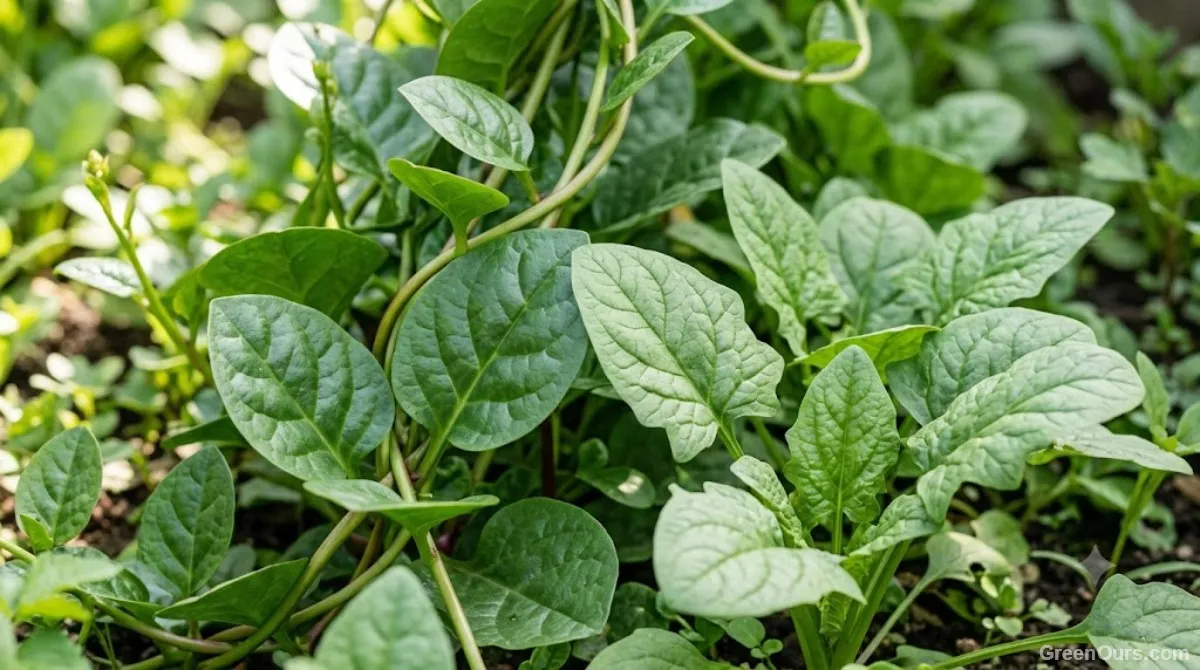
If you're gardening somewhere that stays warm most of the year, it's worth growing true spinach in cooler months and switching to a heat-loving substitute the rest of the time. Malabar spinach is a different plant altogether: a vining, heat-and-humidity lover with thick, glossy leaves that cook down much like true spinach. New Zealand spinach is another option — sprawling, heat-tolerant, and happy in poor soil where regular spinach would sulk.
Both substitutes need slightly different handling. Malabar spinach wants something to climb — a trellis, a fence, or even an old tomato cage — and usually keeps producing through the muggiest weeks of summer. New Zealand spinach sprawls instead, so give it room, and go easy on the watering can once it's established; it tolerates drought far better than true spinach and can sulk if the soil stays too wet for too long.
Matching Spinach to Your Climate
If you're not sure which to grow, this is a quick starting point:
| Situation | What to grow |
|---|---|
| Mild spring or fall | True spinach |
| Short hot spell | Slow-bolting spinach with afternoon shade |
| Long hot summer | Malabar spinach |
| Hot weather with limited water | New Zealand spinach |
| Tropical climate, no real cool season | True spinach only in the coolest window; Malabar or New Zealand spinach the rest of the year |
Timing Your Planting Around the Heat
In warm climates, timing does more to prevent bolting than almost anything else. The goal is to get spinach through its main growth phase before peak heat arrives, rather than trying to grow it through the hottest stretch of the year.
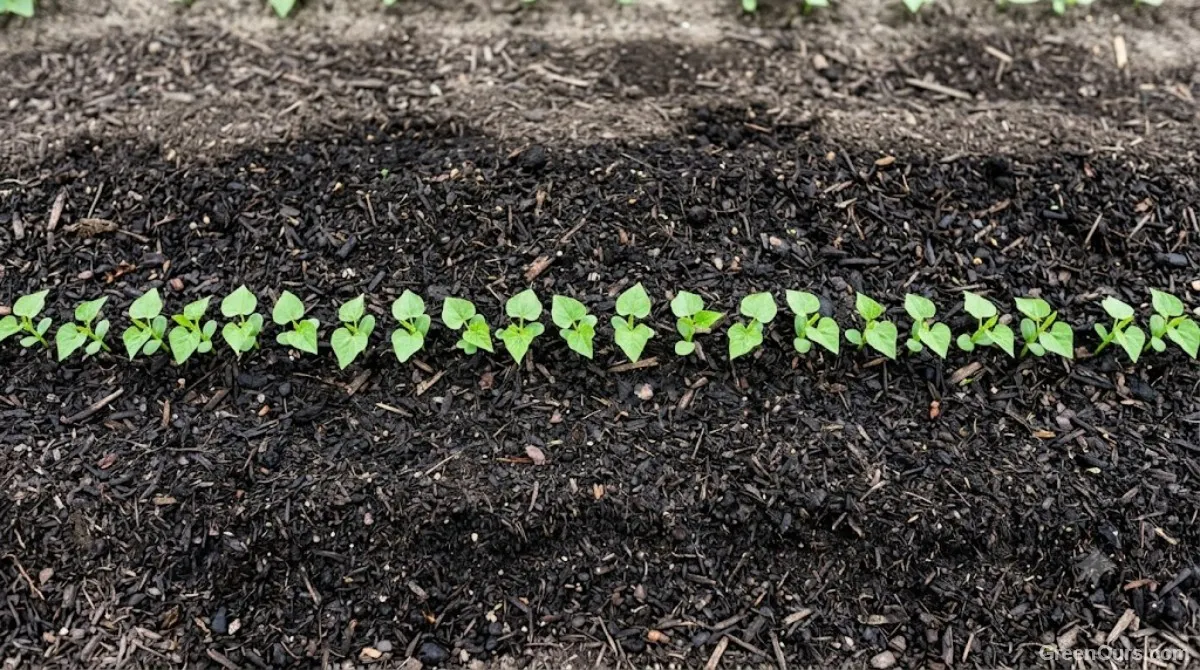
Sow true spinach in early spring as soon as the soil is workable, or in early fall once temperatures start easing — both windows give the plant several cool weeks to establish. In genuinely tropical regions with no real cool season, treat spinach as a short, intensive crop: sow it, harvest it hard and early, and don't expect it to carry you through the year. Save the long haul for Malabar or New Zealand spinach.
Succession sowing helps stretch that harvest window further. Rather than planting your whole crop at once, put in a small batch every 10 to 14 days while temperatures are still cool. The earliest sowings will bolt first as things heat up, but later ones will still be young and productive, so you're never left with nothing to pick.
Creating Shade Without Starving the Plant of Light
Spinach still needs a reasonable amount of light to grow well, so the goal with shading isn't to block the sun entirely — it's to soften the harshest, hottest part of the day.
Shade Cloth
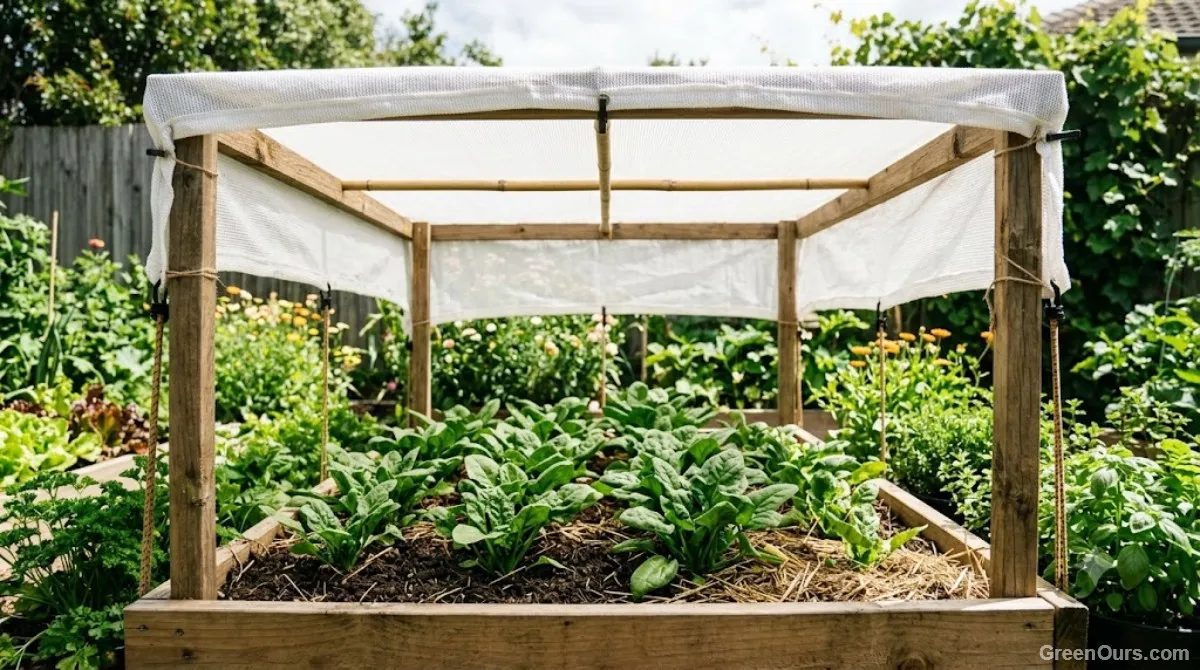
A 30 to 50 percent shade cloth stretched over hoops or a simple frame does a lot of good. Position it so plants get full morning light and shelter from the intense afternoon sun, which is usually when soil and air temperatures peak.
Companion Shade
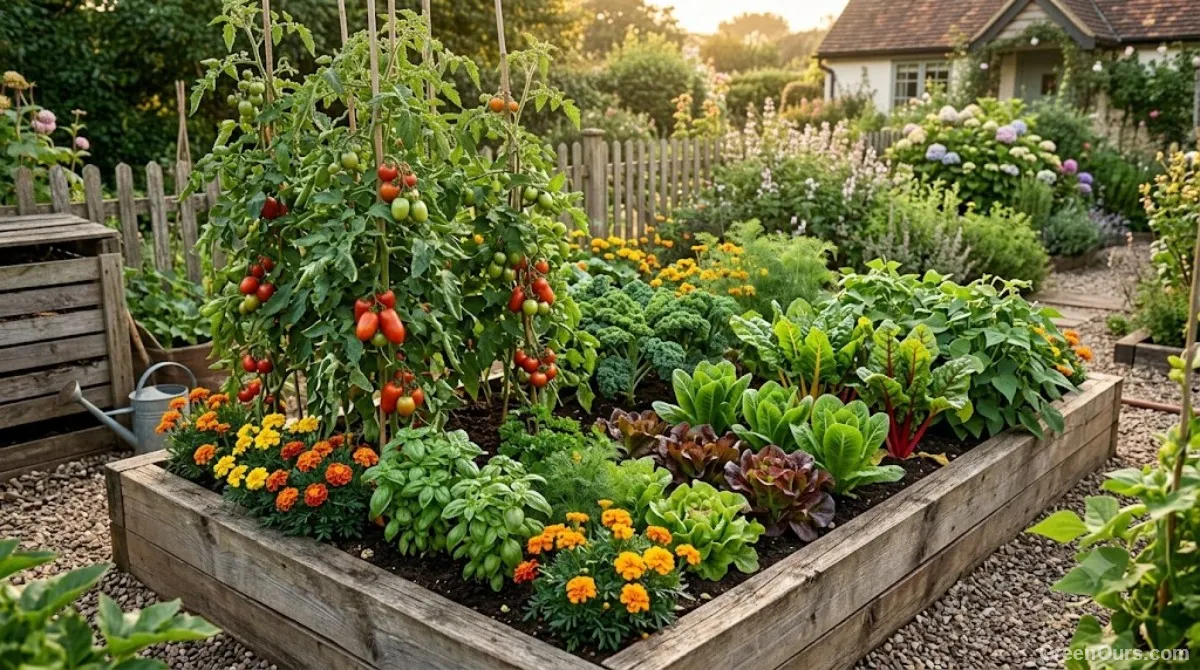
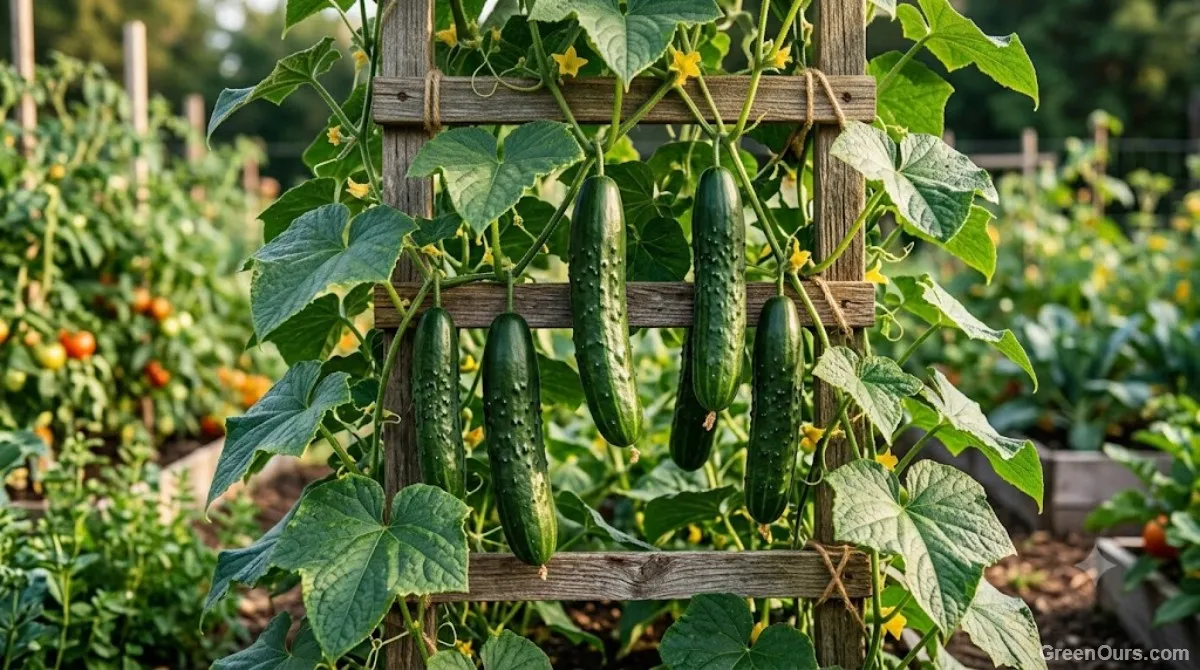
Taller crops like corn, pole beans, or trellised cucumbers can cast natural afternoon shade over a spinach bed if you plan your layout with that in mind. It's a low-effort way to get shade without adding equipment, and it makes better use of limited garden space.
Watering to Keep Roots Cool, Not Just Wet
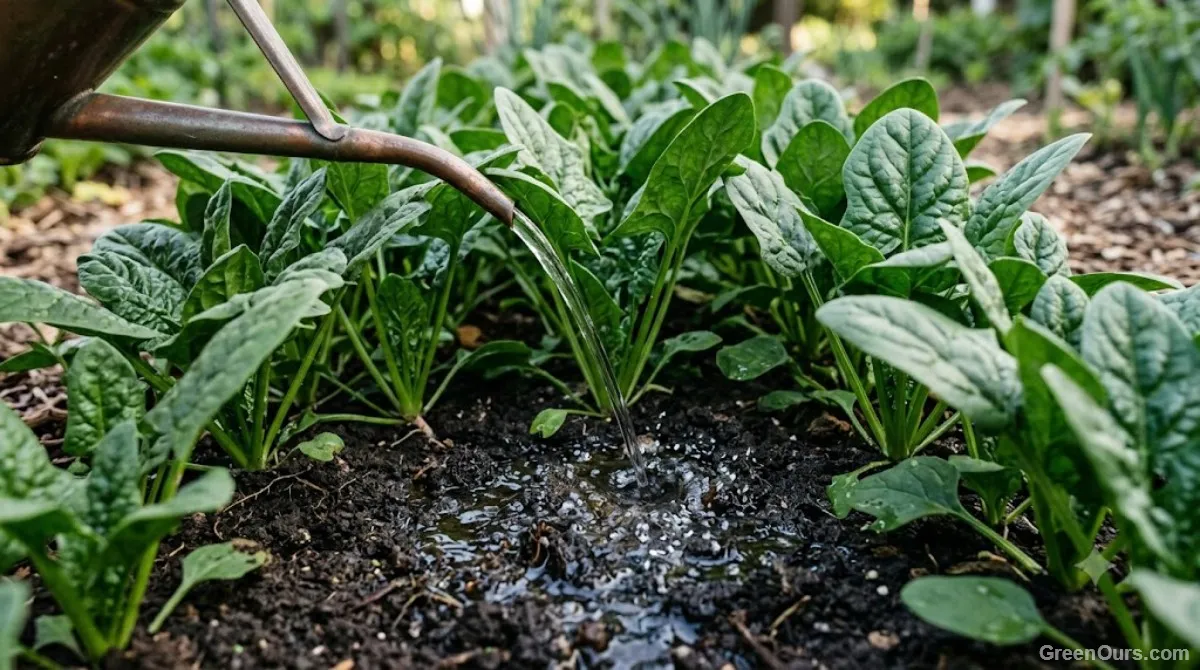
Consistent moisture matters more than volume when spinach is dealing with heat. Water in the early morning, when less is lost to evaporation and the soil has time to absorb it before the hottest part of the day. Aim the water at the base of the plant rather than overhead: it reaches the roots more efficiently and keeps foliage from staying damp, which can favor fungal problems in humid weather.
A 2 to 3 inch (5 to 8 cm) layer of mulch — straw, shredded leaves, or compost — helps hold moisture and tends to keep soil noticeably cooler than bare, exposed dirt. In hot climates, that mulch layer does a big share of the work alongside shade cloth.
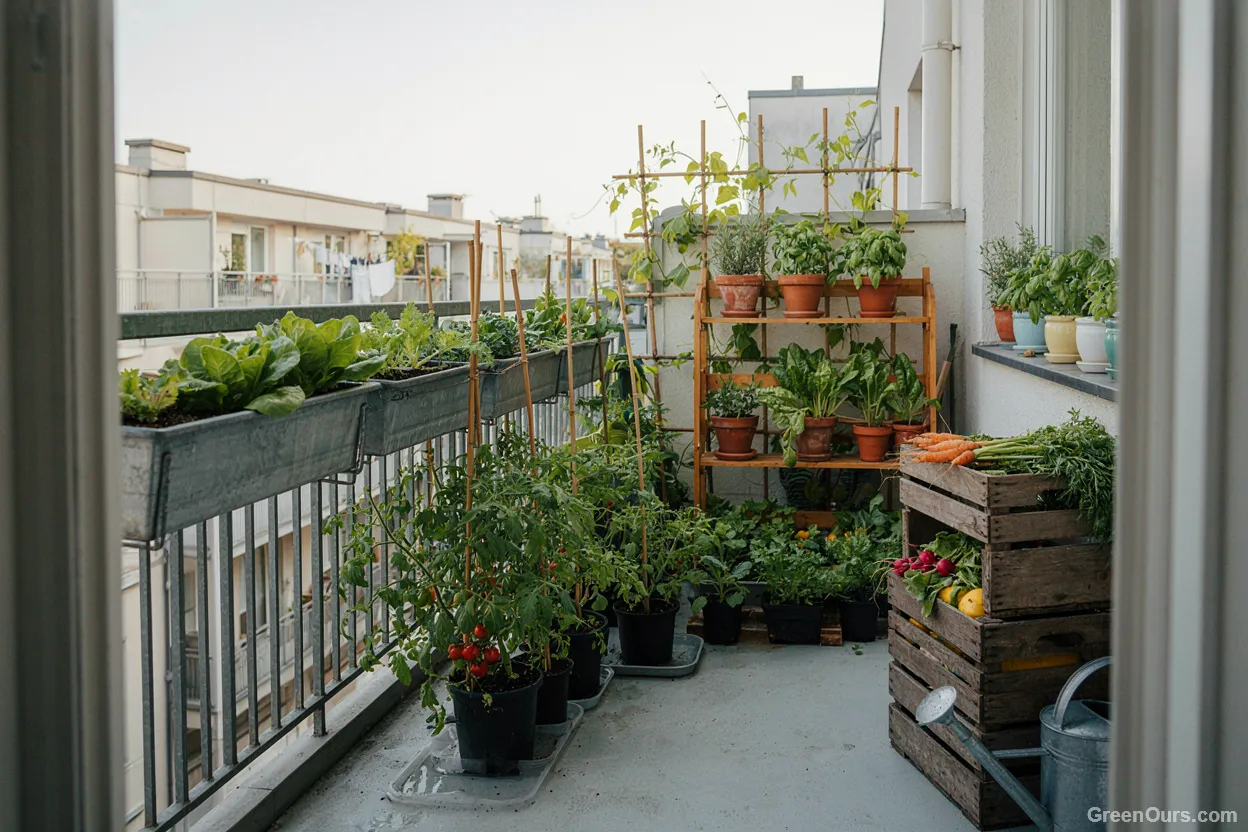
If you're growing in containers, heat management gets trickier, since pots warm up faster than garden soil. Dark plastic containers are usually the worst offenders and can push root-zone temperatures well above what the surrounding air feels like. Switch to a lighter-colored pot if you can, group containers together so they shade each other's sides, or try double-potting: set your growing pot inside a slightly larger one with an inch (2.5 cm) of mulch or straw packed into the gap. It's a small trick, but it can keep roots cooler through the hottest part of the day.
Harvesting Before the Heat Wins
Harvest outer leaves regularly rather than waiting for the whole plant to fill out. Regular picking lets you make the most of the plant while it's still producing tender leaves, and it gives you usable spinach even if the plant eventually does bolt.
The moment you notice a central stalk starting to elongate, harvest everything you can. The leaves are still edible right up until they turn bitter, and there's no reason to let a good crop go to waste while you wait for it to be "ready."
Where to Start
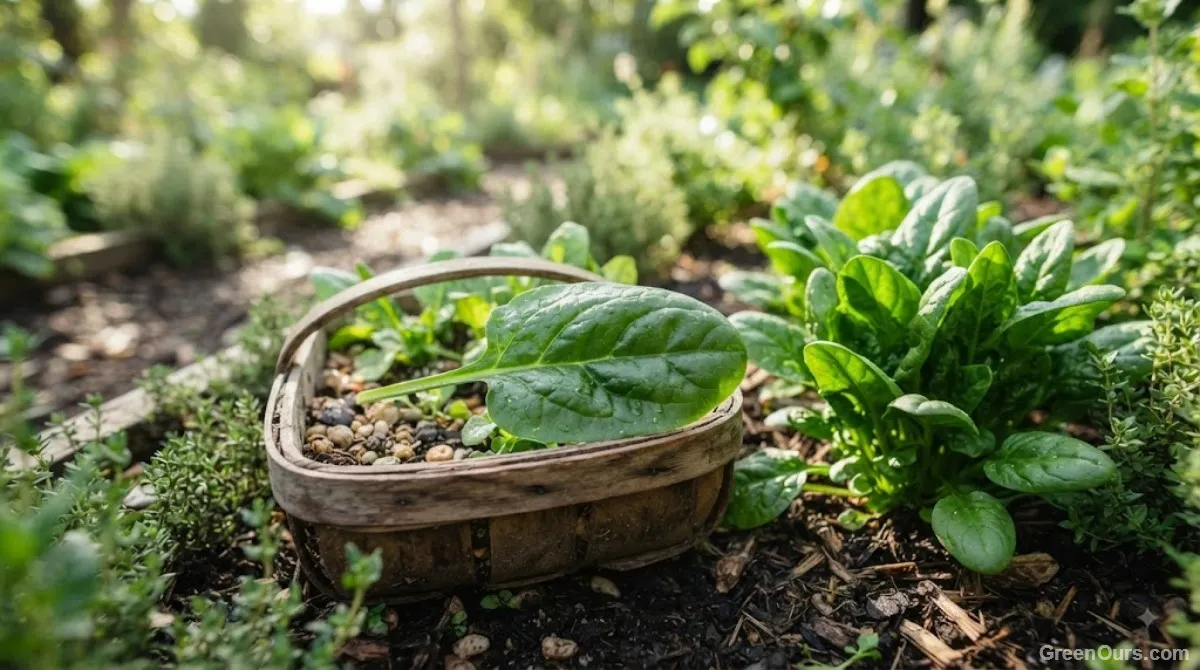
Growing spinach in a hot climate will probably always mean working within a shorter, more deliberate window than gardeners in cooler regions get. That's alright. A few pounds of tender, homegrown spinach from a well-timed spring or fall planting, backed up by Malabar or New Zealand spinach through the hottest months, can keep fresh greens on your table for far longer than you'd expect.
Explore more beginner vegetable growing guides.