
The Sponge Nobody Thinks About Until It Smells
Here's the thing — sponges are one of those products we buy on autopilot. Nobody stands in the cleaning aisle having a moral crisis over dish sponges. But they're also one of the most frequently replaced items in the average kitchen, which means whatever they're made of, you're buying a lot of it, over and over, for years.
Most conventional cellulose sponges are made from wood pulp, sometimes blended with cotton fibers, and they're technically plant-based. That surprises people. The problem isn't always the raw material — it's what gets added to it, and what happens to it once it's too gross to keep using.
The mindset shift that actually helps here: stop asking "which sponge is greener" and start asking "which sponge do I actually replace less often, and where does it go when I'm done." That's the real comparison.
What You're Actually Choosing Between
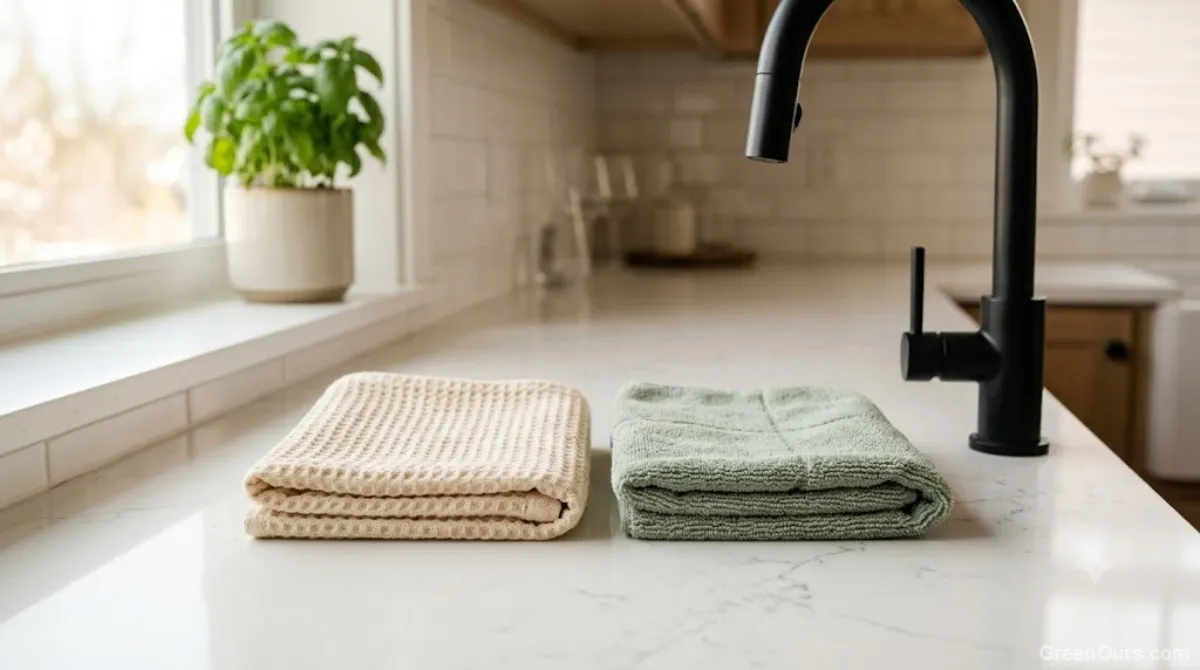
A standard cellulose sponge is usually pure wood pulp cellulose, sometimes with a thin abrasive scouring layer glued on top. It's soft, absorbent, and cheap — but many versions include dyes, fragrances, or synthetic scouring layers that keep them from breaking down cleanly, even though the base material is plant-derived.
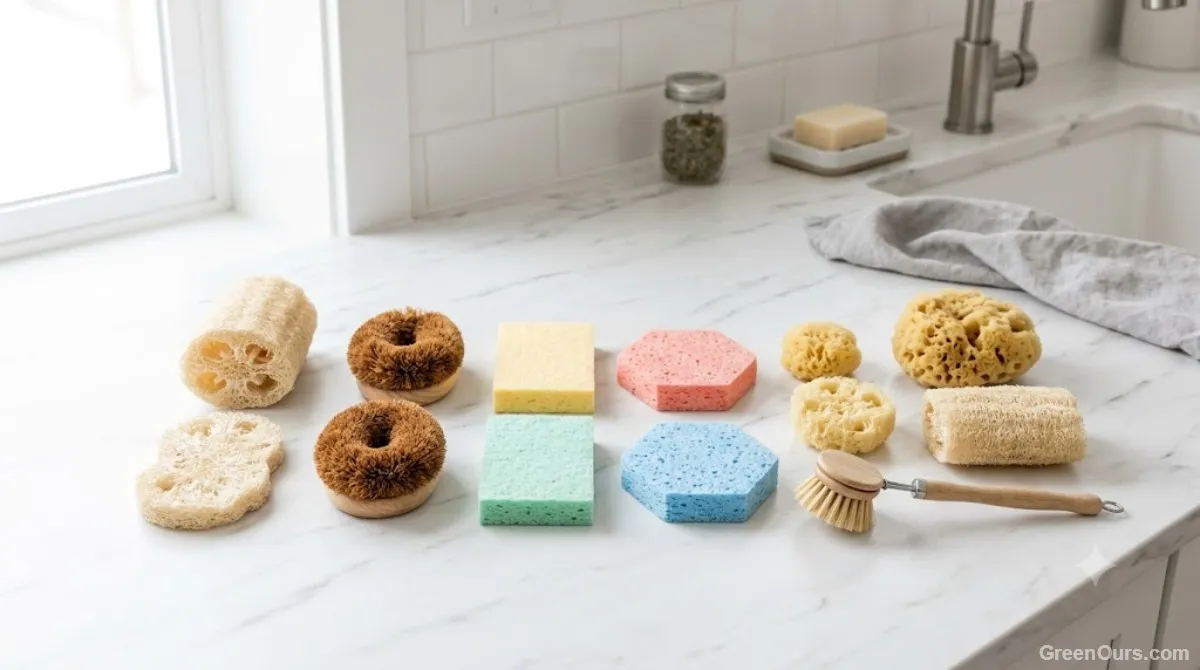
A compostable sponge is a broader category. It might be loofah-based, walnut-shell scrubbed, or made from cellulose and natural cotton with no synthetic backing at all. The key difference isn't the word on the label — it's whether every layer of the sponge, including the scrubby part, is free of plastic and synthetic dye.
How They Hold Up at the Sink
Cleaning power
Cellulose sponges often have an edge on raw scrubbing power right out of the pack, particularly models with a synthetic green scouring pad attached — though this varies by brand and construction. Compostable sponges made from natural fibers tend to be gentler, which can work well for glassware and nonstick pans but less well for scraping burnt rice off a pot.
Durability
This is where it gets interesting, though the honest answer is "it depends." How long any sponge lasts varies with the brand, how often you use it, and how well it dries between uses. In a compostable sponge vs cellulose sponge comparison, cellulose sponges generally soften and start to break down sooner under daily use, while compostable sponges made from denser natural fibers, like coconut coir or loofah, often hold their shape longer because the fiber structure doesn't collapse as readily when it gets wet repeatedly.
Treat any lifespan as a rough guide rather than a promise, and check the manufacturer's guidance for the specific sponge you're buying.
Quick Comparison
| Factor | Cellulose Sponge | Compostable Sponge |
|---|---|---|
| Material | Wood pulp, often with a synthetic scouring layer | Cellulose, cotton, loofah, or coconut coir with no synthetic backing |
| Cleaning strength | Often stronger scrubbing, especially with an attached scouring pad | Generally gentler; better suited to glass and nonstick surfaces |
| Durability | Softens and breaks down sooner under daily use | Often holds shape longer with denser natural fibers |
| Drying and smell | Holds moisture, develops odor faster | Often dries faster, slower to develop odor |
| Plastic content | Varies; many include a synthetic scouring layer | None, when genuinely compostable |
| Compostability | Base material only; scouring layer must be removed first | Depends on certification — home vs. commercial only |
| Typical disposal | Trash, unless the scouring layer is separated first | Home or municipal compost, only where the specific certification matches what's accepted locally |
The Smell Test (and Other Honest Differences)
I'll admit it — smell is the real reason most of us replace sponges in the first place, not sustainability. Cellulose sponges hold moisture in their dense pulp structure, which means bacteria move in fast. Natural fiber compostable sponges often dry out faster between uses, depending on the fiber and how densely it's woven, which can slow down the smell timeline considerably. That alone changed how long I kept using each one.
Cost and Lifespan: The Real Math
Cellulose sponges are cheaper per unit, no argument there. But if a compostable sponge genuinely lasts longer in your kitchen, it can end up costing about the same per month of use, sometimes less, once you stop buying replacements so often.
Prices and lifespans swing a lot from brand to brand, so the most reliable math is your own: note when you start a sponge and when you retire it.
What Happens When You're Done With Them
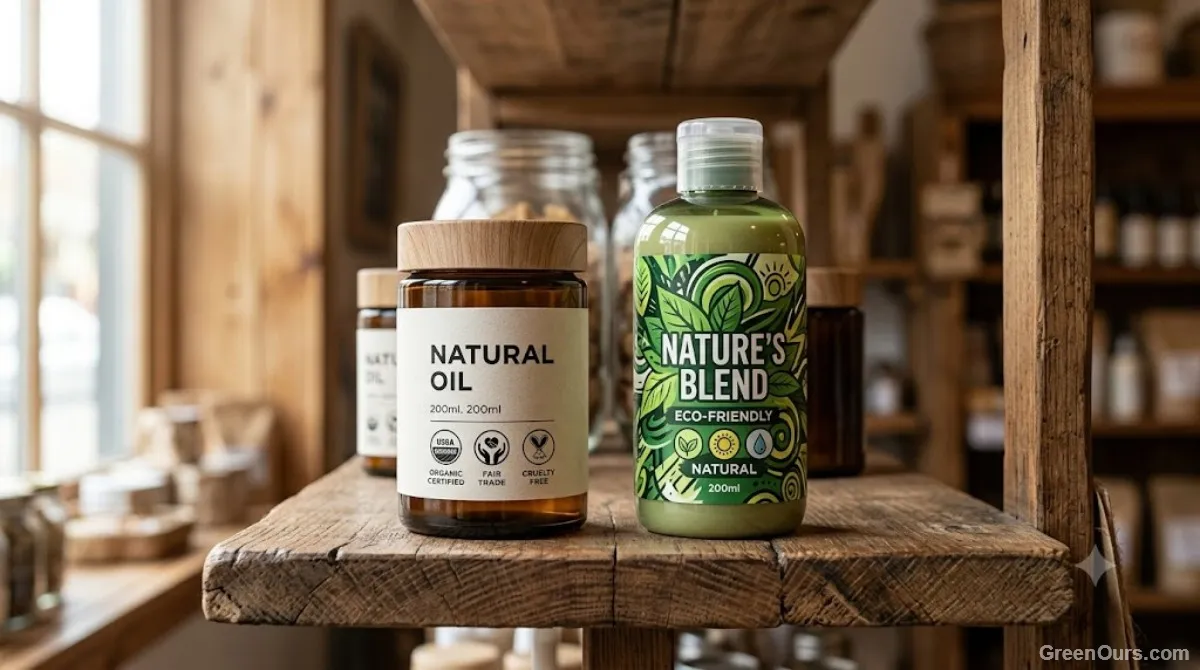
This is the part that actually decides which one wins for me, and it's also where the label can be misleading. "Compostable" isn't one single claim — the FTC's Green Guides require marketers to specify whether an item is compostable in a home pile, an industrial facility, or both, because the two environments break materials down very differently. A sponge certified through a program like the Biodegradable Products Institute's home-compostable certification is built to break down at the lower, less consistent temperatures of a backyard bin. A sponge that's only certified for commercial or industrial composting needs the sustained high heat of a municipal facility and won't fully break down in an ordinary backyard pile, no matter how long you wait.
Even with a legitimate certification, how long it takes to break down still depends on the specific product and your compost conditions, and many municipal programs don't accept sponges at all — so it's worth checking with your local facility before assuming yours does.
A cellulose sponge with a plastic-backed scouring pad is a different story. That layer has to be peeled off and trashed separately, and most people never bother. Whichever sponge you choose, check the label for which certification it actually carries, and check your local composting rules, before it goes in the bin.
This is really the heart of the compostable sponge vs cellulose sponge question: a conventional cellulose sponge with a synthetic scouring layer isn't the same waste story as a genuinely compostable one, even though the two can look nearly identical on the shelf. The wood pulp base can technically compost, but a synthetic layer glued to it can't, so the sponge as a whole behaves like a partly disposable, partly compostable product. A sponge marketed as compostable is only as trustworthy as its weakest layer and its actual certification — it's worth confirming the claim covers the whole sponge, and covers the kind of composting you actually have access to.
More honest product swaps, no greenwashing.
Neither sponge is going to fix your household's waste problem on its own, and I'm not going to pretend it will. But if you're choosing between two nearly identical-looking products anyway, it's worth picking the one that actually disappears when you're finished with it — instead of the one that just looks like it does.