
The Grocery Habits That Actually Save Money
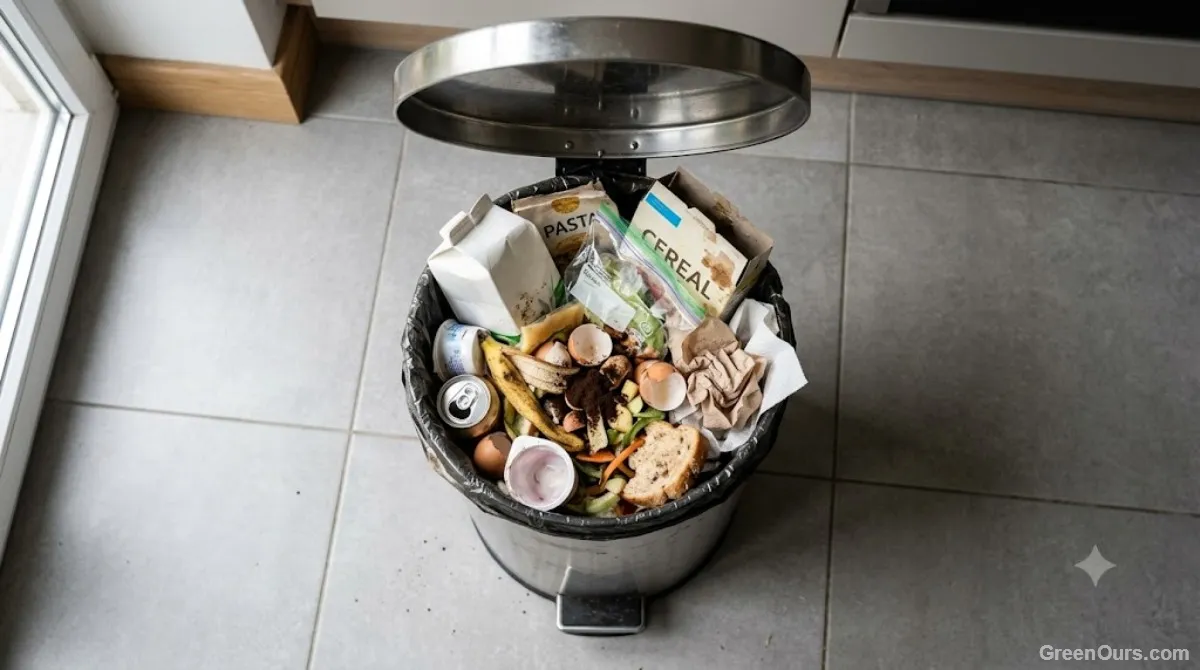
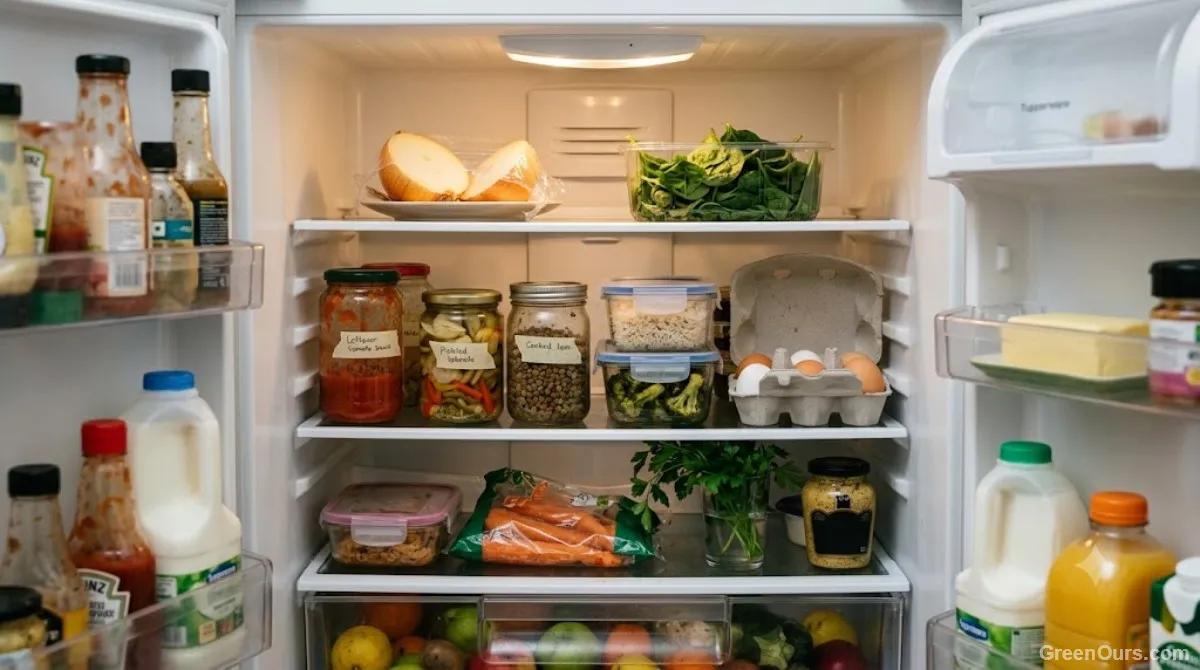
Food waste is where most households leak both money and good intentions, and it's also the easiest place to fix without spending a cent. Before you plan a single sustainable swap, look at what's dying in your fridge right now. That soft bell pepper, that half-used yogurt, that bag of spinach going slimy at the bottom — every one of those is a small, repeated loss that adds up faster than any single purchase would.
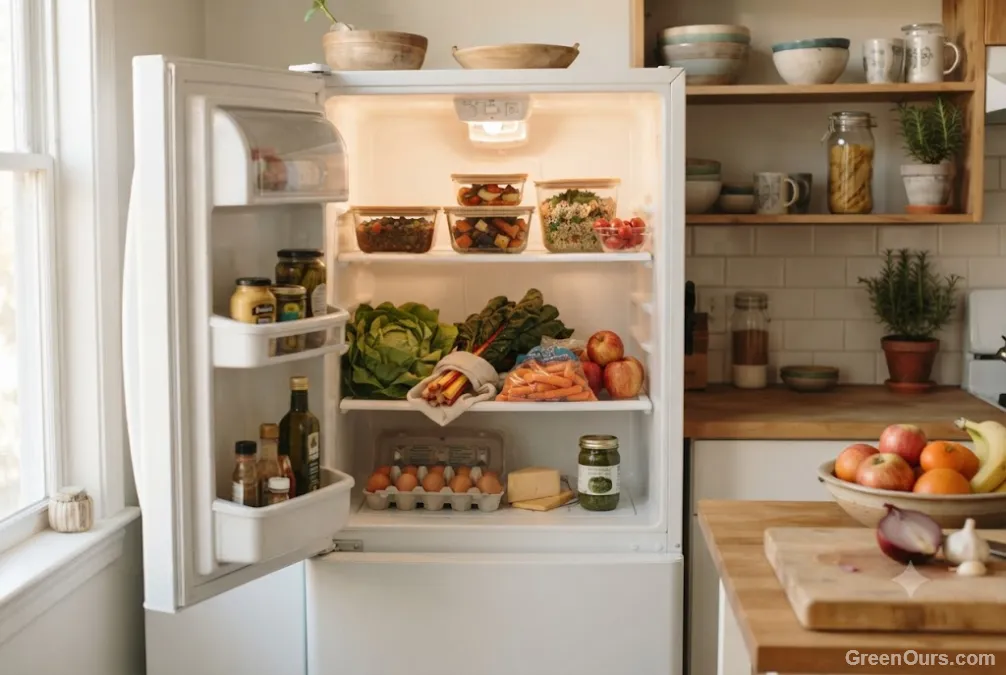
I started doing what I half-jokingly call a fridge triage every few days: pulling out anything close to its edge and building a meal around it first, before touching anything newer. It's not glamorous. It's usually a strange soup or a stir-fry with ingredients that have no business being in the same pan. But it means almost nothing goes in the bin, and my grocery bill dropped noticeably within a month.
Buying less at once helps too, even if it means more frequent small trips. It's counterintuitive when you're trying to save money — bulk feels efficient — but bulk only saves you anything if you actually eat it before it spoils. A smaller, more frequent grocery habit keeps both your fridge and your spending closer to what you'll realistically use.
Before You Buy Anything Green
Here's the pattern I fell into, and I suspect a lot of people do too: deciding to live more sustainably, then immediately opening a shopping tab. New produce bags, a new water bottle, a new set of matching containers — as if the first step toward less waste is generating a small pile of new purchases.
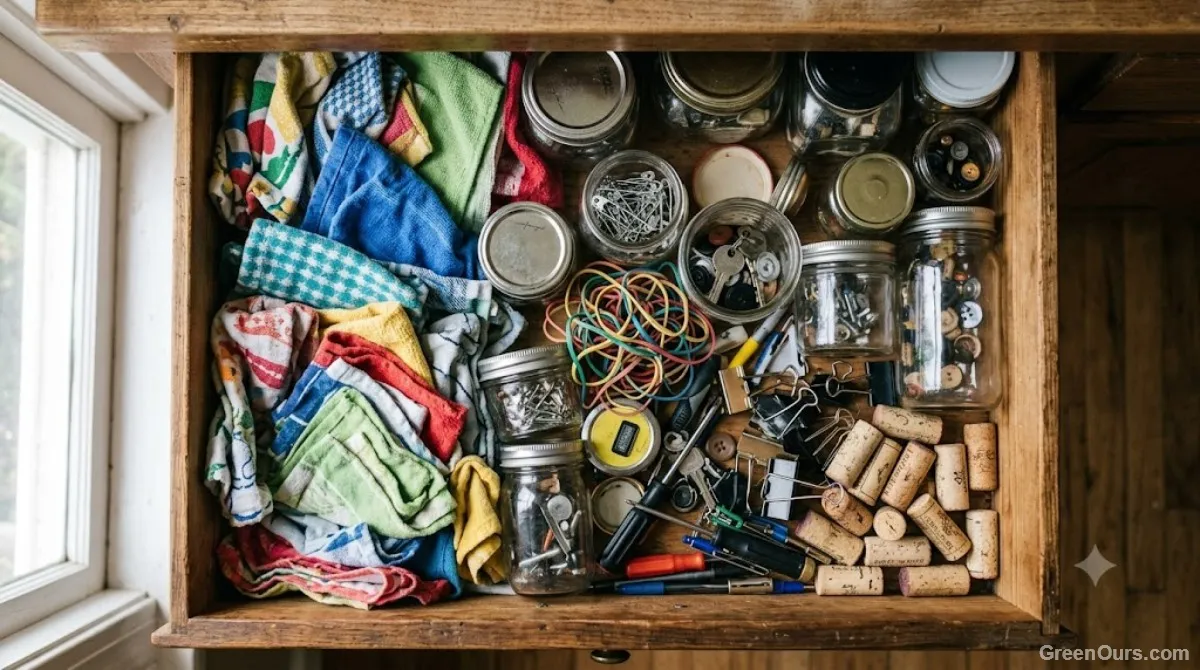
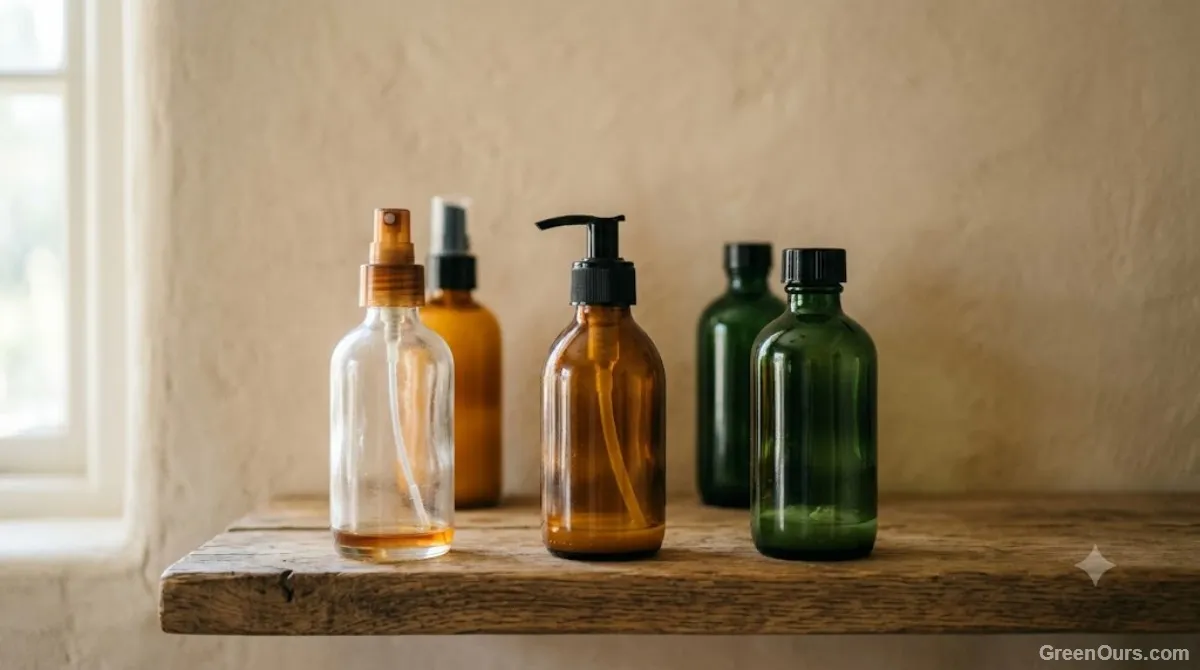
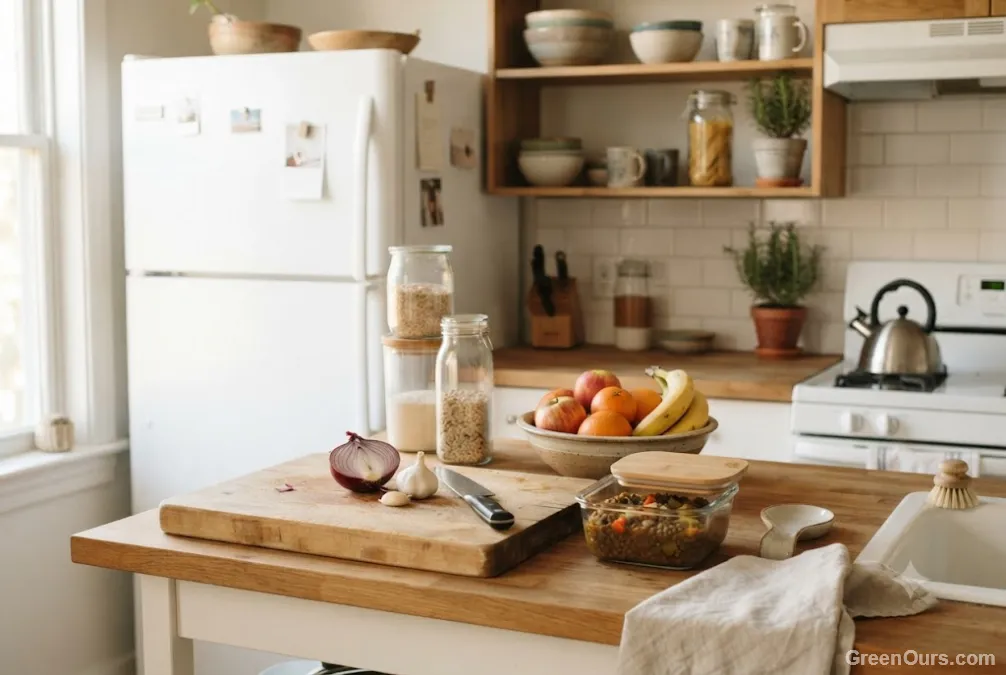
The actual first step is inventory. Walk through your kitchen, your bathroom, your cleaning cupboard, and ask what you already own that could do the job. An old jam jar holds leftovers as well as a $12 glass container. A worn-out t-shirt cut into squares works fine as a cleaning rag. A tote bag you already have does exactly what a new "eco tote" does.
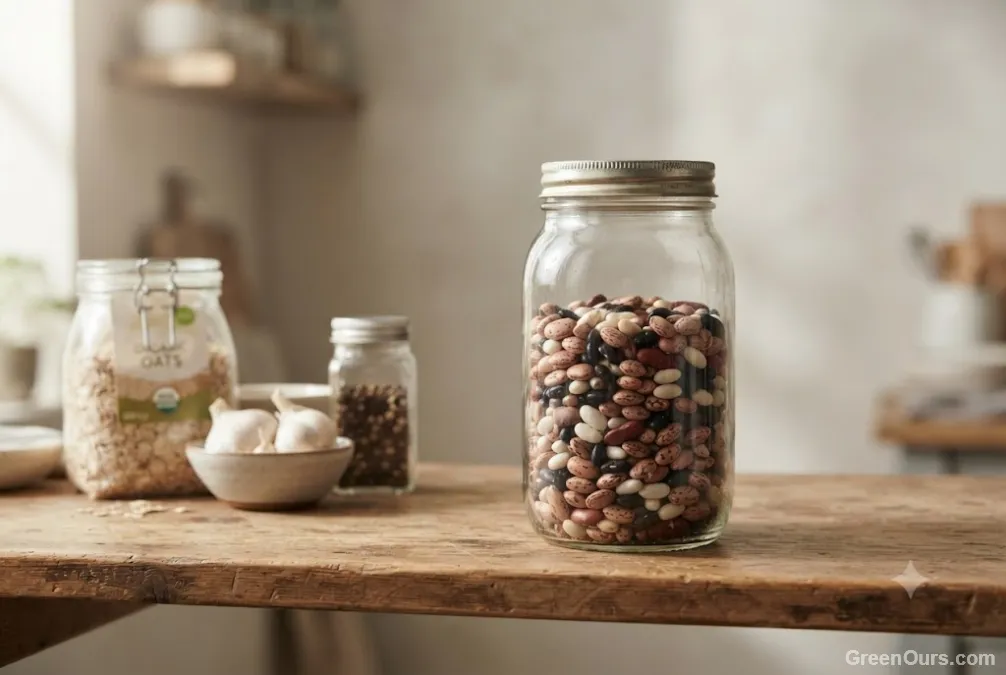
The most sustainable version of almost any product is the one already sitting in your house. Replace it only when it actually wears out — not when a nicer-looking version shows up in your feed.
The Free and Almost-Free Swaps That Add Up
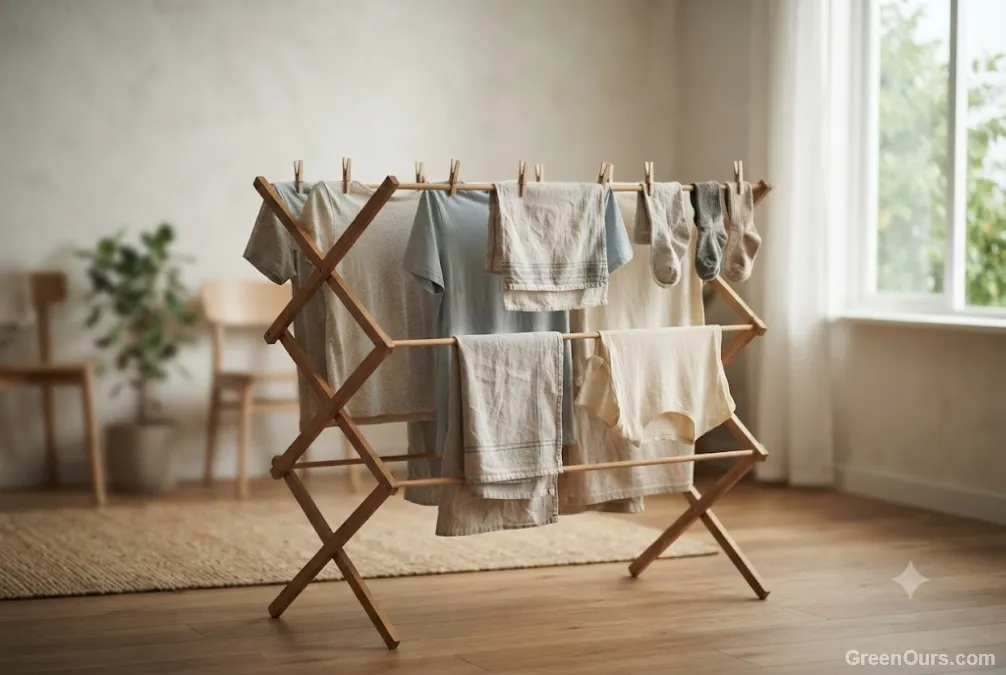
Once you stop buying your way into sustainability, a lot of the highest-impact habits turn out to cost nothing at all. Line-drying laundry instead of running a dryer cycle saves on your electric bill every single week, not just once. Cooking a bigger batch of rice or beans and portioning it out saves both money and packaging compared to buying pre-made single servings.
In the Kitchen
Vegetable scraps become the base of a stock instead of the bin. Stale bread becomes croutons or breadcrumbs instead of waste. None of this requires a gadget — it requires about ten minutes of thinking ahead.
Around the House
Turning off standby power on devices you're not using, sealing drafts under doors with a rolled towel, washing clothes in cold water instead of hot — these aren't sustainability influencer tips, they're the same advice your grandparents gave for stretching a paycheck. It turns out saving the planet and saving money have been using the same playbook the whole time.
The Green Premium Trap
Honestly, this is the part that took me the longest to accept: a lot of products marketed as sustainable are just regular products with a higher price tag and better branding. A "reusable" version of something you'd throw away is only better for the planet — and your wallet — if you actually use it enough times to offset making it in the first place. A drawer full of unused reusable bags because you bought a new one every time you forgot the old one is worse than just using plastic ones sparingly.
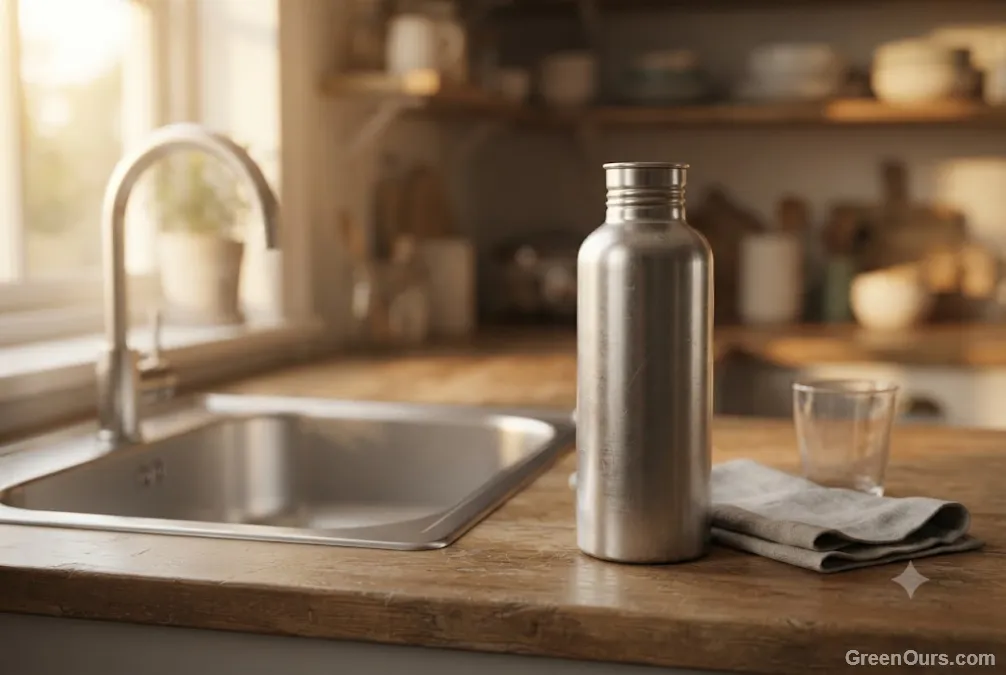
Before buying anything with a leaf on the label, ask what it's actually replacing and whether the thing it's replacing was really a problem. Tap water in an ordinary bottle you already own beats a bottled water habit — and it also beats a brand-new "eco" bottle bought to replace a perfectly good one you already had.
What This Actually Adds Up To
None of this is dramatic, and that's sort of the point. Sustainable living on a tight budget isn't a lifestyle overhaul with a shopping cart at the end of it. It's paying closer attention to what you already have, using it fully, and being genuinely skeptical of anything that asks you to spend money to prove you care.
Money being tight isn't the obstacle to this kind of life — it's often the reason people land there naturally, long before anyone hands them a guide about it.
Start with the fridge triage — it's free, and it works fast.
If you take nothing else from this, take the fridge triage. It costs nothing, it takes ten minutes, and it's probably the single habit that will save you the most this month.