
The Meal-Prep Guilt Trip I Finally Let Go Of
Somewhere along the way, "reducing lunch waste" got tangled up with "having your life together enough to meal prep every Sunday." Those are two different things, and conflating them is why so many people give up on the reusable containers within a month. You don't fail at zero-waste lunches because you're lazy. You fail because the system you copied from someone with a different schedule, different kids, or no kids, was never going to survive contact with your actual week.
The honest fix isn't more prep. It's fewer decisions. Once I stopped trying to plan five distinct lunches in advance and started just packing a slightly bigger portion of dinner, the whole thing got dramatically easier — and, not coincidentally, the disposable bags stopped creeping back into the cupboard.
You don't need a lunch plan. You need a lunch default — one container combination you reach for without thinking, so waste-free packing stops competing for decision-making energy you don't have at 7am.
The Three Containers That Actually Earn Their Keep
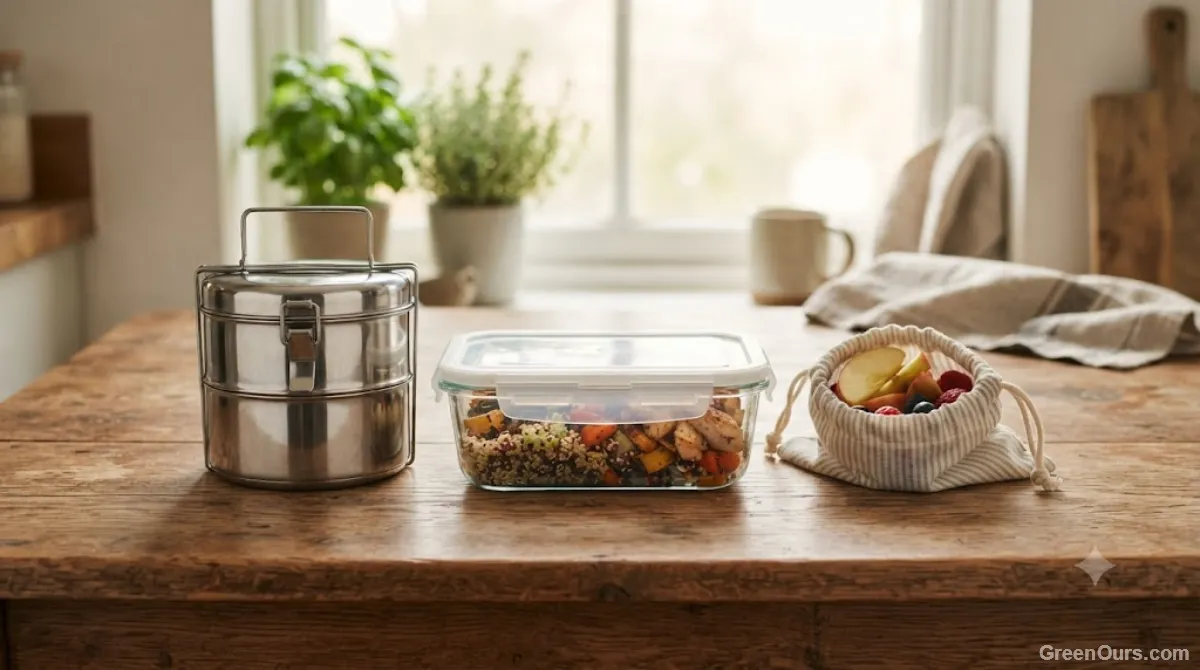
Most zero-waste kitchen advice hands you a shopping list of eight specialty items. You need three. A medium container with a snap-tight lid for anything solid — grain bowls, stir-fry, roasted vegetables. An insulated jar for soups, stews, or anything that needs to stay warm or cold until noon. And a flat, flexible pouch or wrap for sandwiches and anything that gets squashed in a bag anyway.
That's it. Buying more than that just gives you more lids to lose and more guilt when half your collection sits unused in the back of a cupboard — which is its own kind of waste, honestly.
Building Lunches From What's Already in the Fridge
Dinner, But Smaller
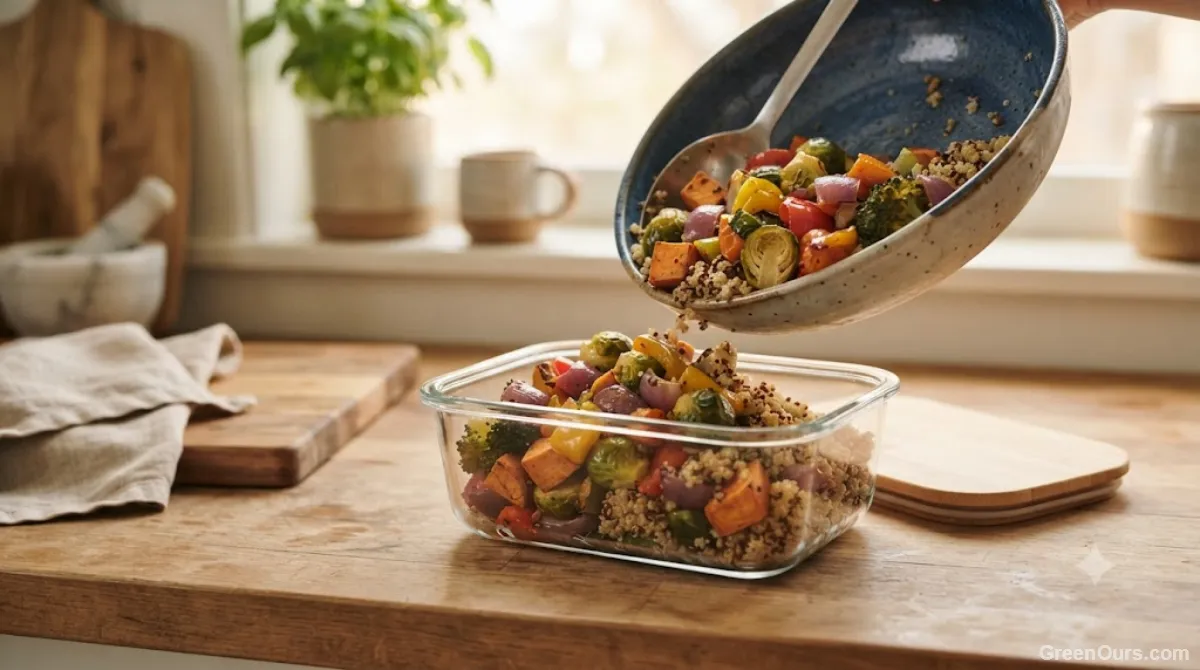
The single biggest shift for me was cooking dinner with tomorrow's lunch as an unspoken fourth serving. Not a separate recipe. Just an extra scoop of the same rice, the same roasted vegetables, the same curry, straight into the container while you're already dishing up dinner. It adds maybe ninety seconds to your evening and removes an entire task from your morning.
The Five-Minute Assembly Lunch
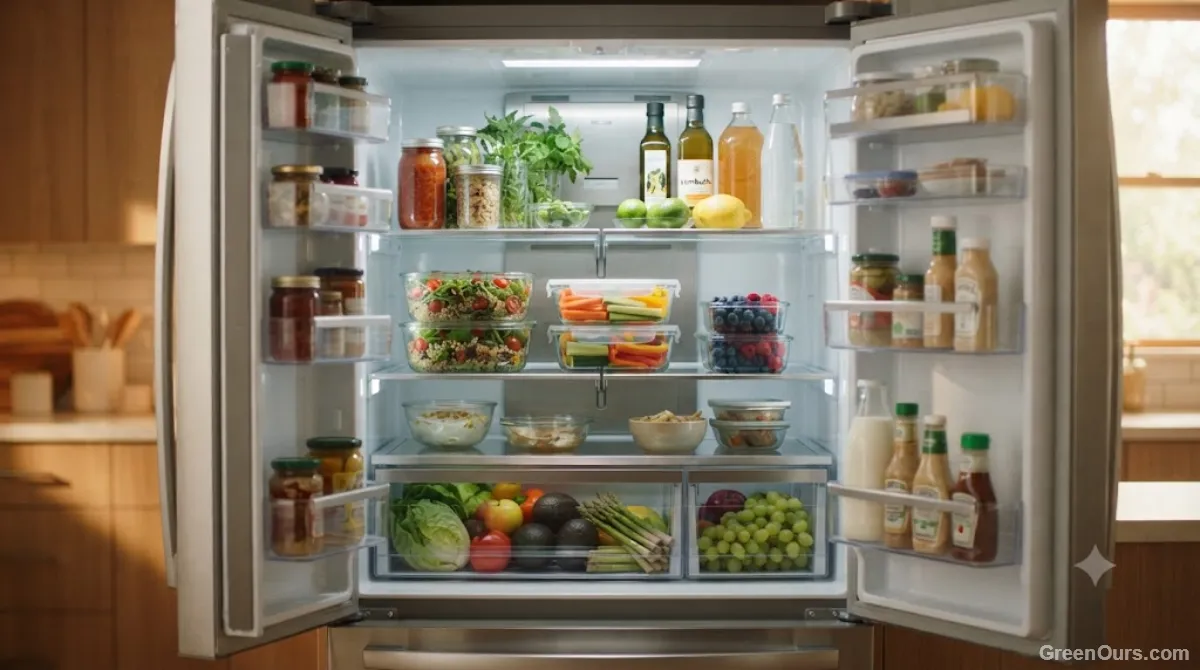
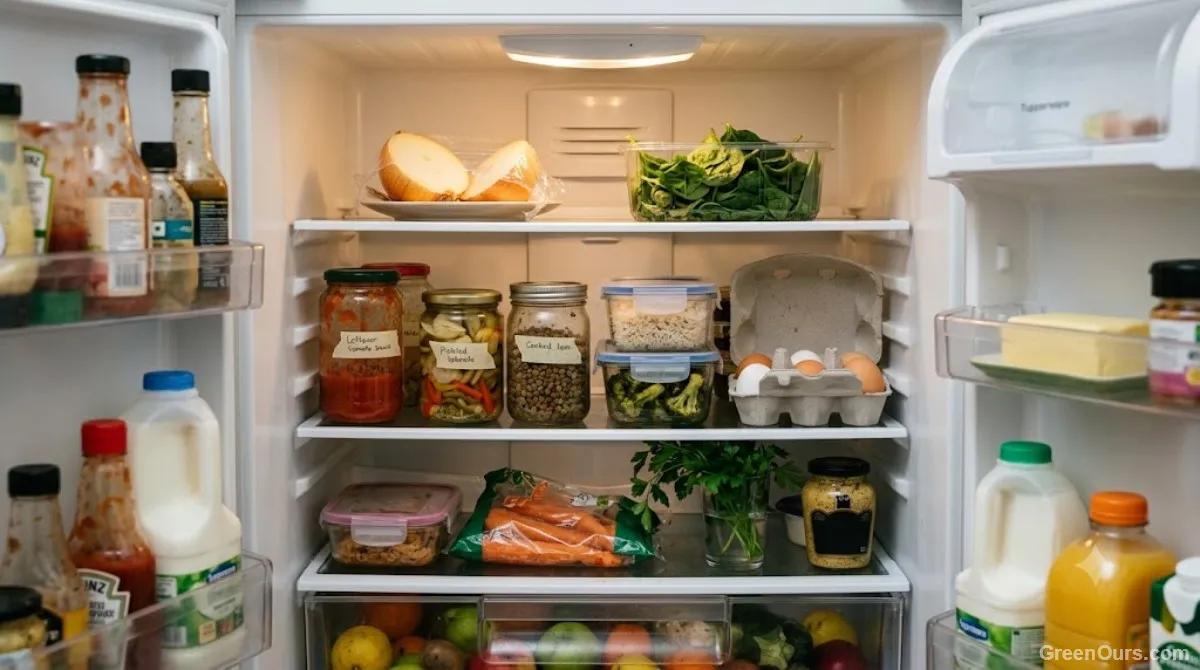
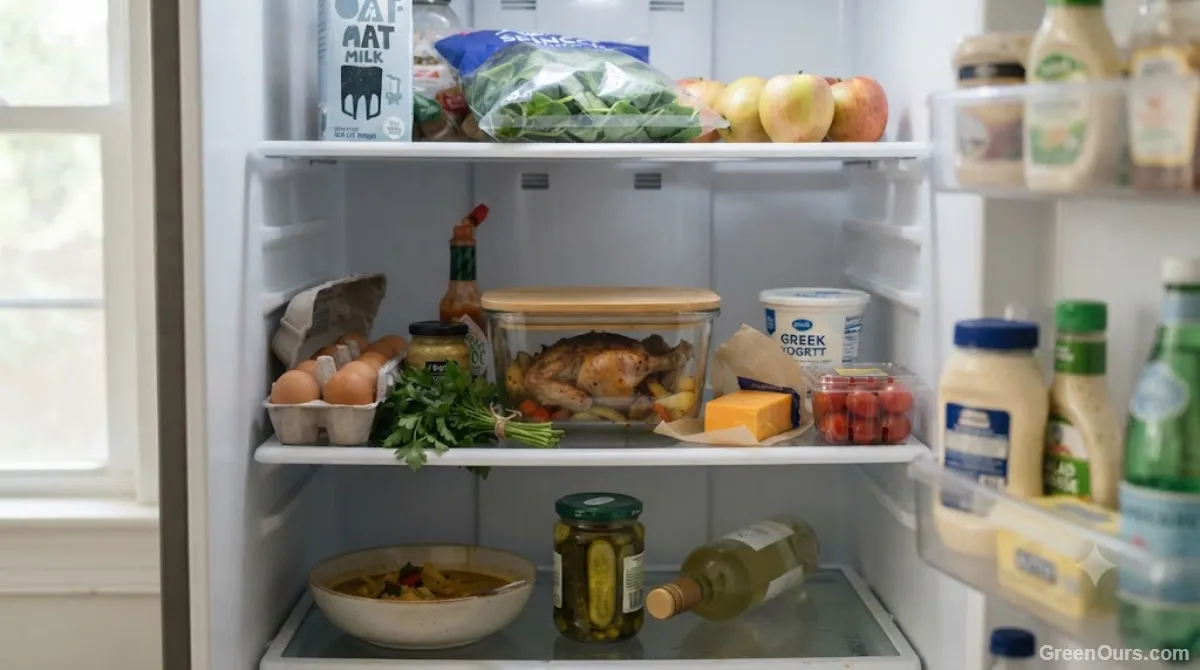
On nights when dinner doesn't scale up neatly, keep a rotating stock of things that combine without a recipe: cooked grains, a can of beans, whatever vegetable is starting to look tired in the crisper, a jar of dressing you made once and have been quietly living off since. Five minutes, one container, no plan required.
The Waste Traps Nobody Warns You About
Containers solve the big, obvious waste. The smaller stuff sneaks in around the edges. A sandwich gets wrapped in plastic wrap even though it's going straight into a reusable bag. A single-use ziplock holds four crackers because it was faster than finding a lid that fit. A plastic fork gets grabbed from the office kitchen because the one from home is still in yesterday's bag, unwashed.
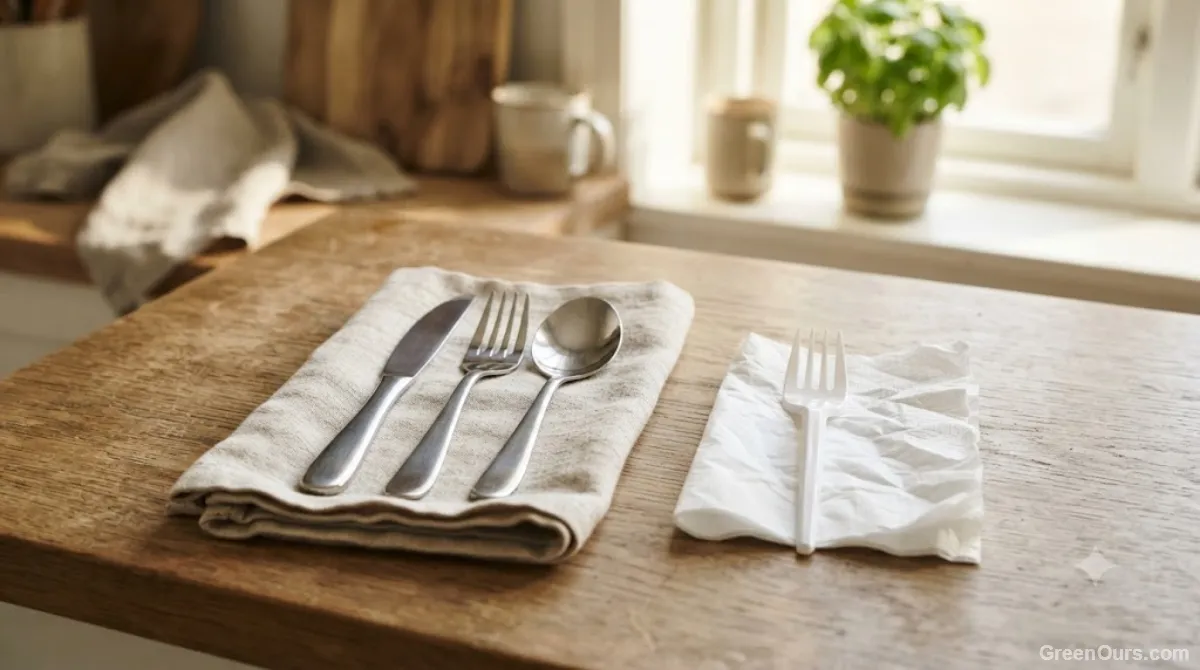
None of these are moral failures. They're just friction, and friction is what waste-free systems actually need to solve for. Keep a spare set of cutlery in your bag permanently so it never has to make the round trip home. Skip the wrap when a container will do the same job. And if something genuinely needs a bag, a reusable pouch takes the same ten seconds to grab as a disposable one once it lives in the same drawer.
What Actually Works on a Chaotic Week
Some weeks, none of this happens smoothly. Dinner runs late, there are no leftovers, and you're standing in front of an open fridge at 6:45am with nothing assembled. That's fine. Waste-free lunches don't need to be perfect five days a week to matter — they need to be the easier option often enough that you stop reaching for disposables out of habit.
What to Do Next
If you take one thing from this, let it be the lunch default, not the container haul. Pick the combination you'll actually repeat without thinking about it, and let that carry you through the weeks when everything else falls apart. That's the whole system, and it's held up longer than any spreadsheet ever did.
More zero-waste habits that actually stick.