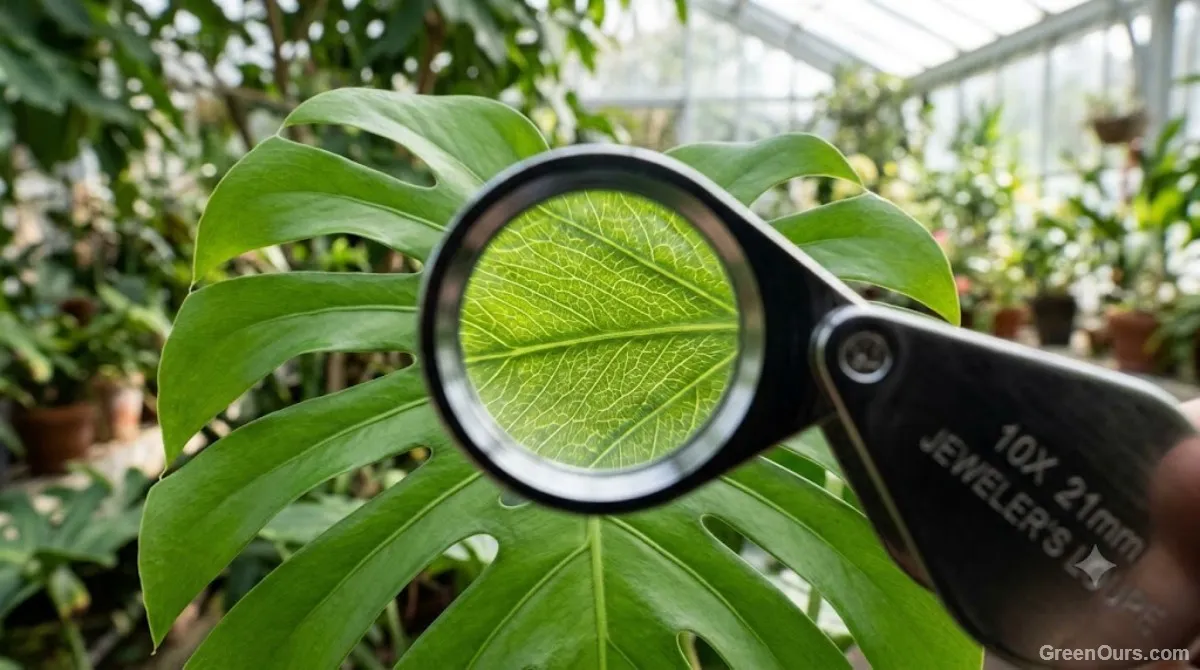

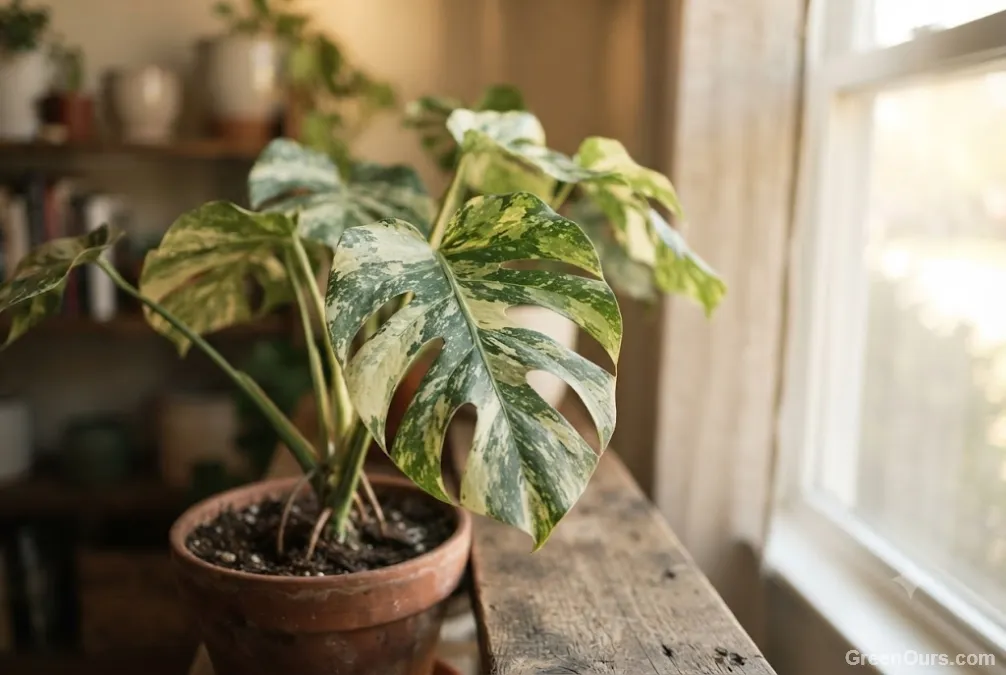
Reading the Pattern: What Mosaic Virus Actually Looks Like
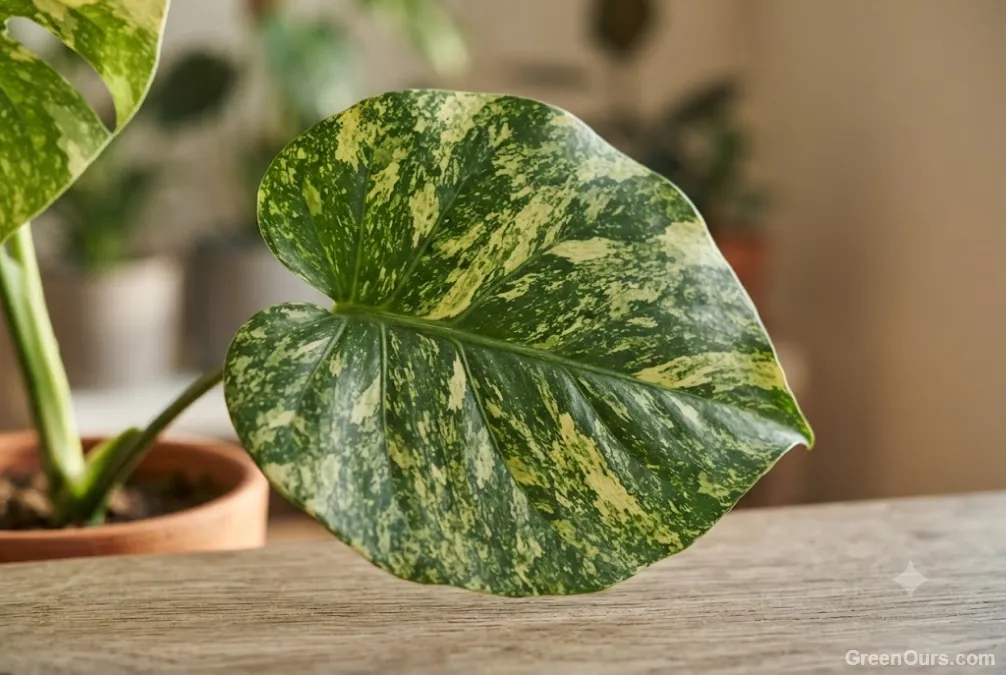
Mosaic virus gets its name from the pattern it leaves behind: irregular patches of light green, yellow, and normal green arranged in a blotchy, jigsaw-like mosaic across the leaf surface. The pattern doesn't follow the veins. It ignores them entirely, which is the first clue that separates it from most nutrient problems.
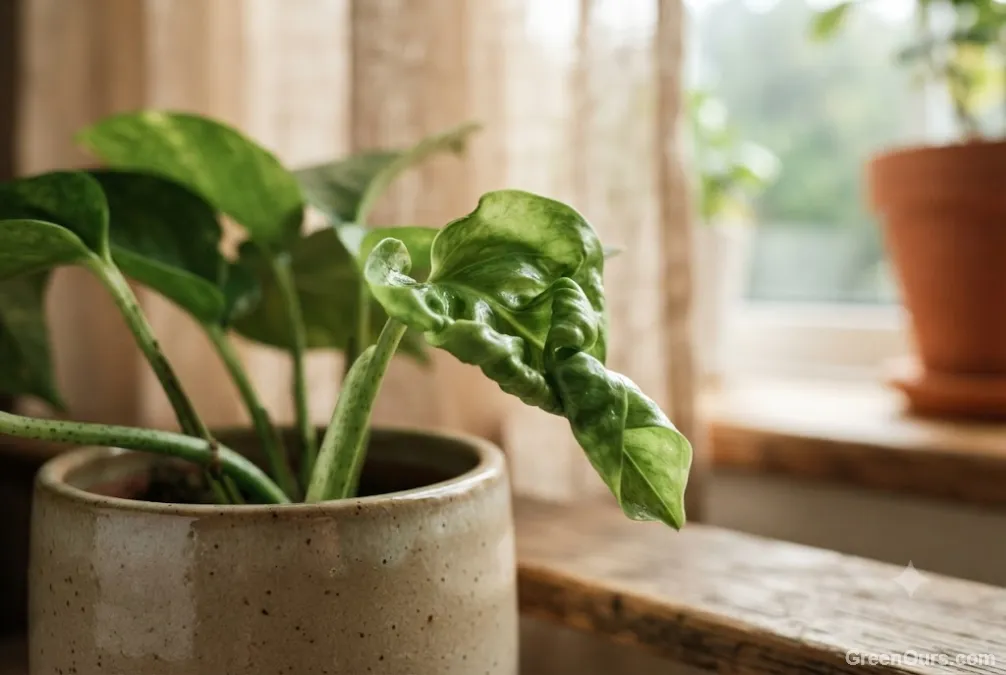
New growth often comes in distorted — narrower than usual, slightly puckered, or crinkled at the edges. Leaf size can shrink over successive flushes. Growth slows overall, even when light, water, and feeding stay consistent. On some plants you'll also see faint ring spots or streaking along the stem, though the leaf mottling is the symptom you'll spot first nine times out of ten.
Mosaic Virus vs. Nutrient Deficiency: Telling Them Apart
Iron deficiency causes interveinal chlorosis: the veins stay dark green while the tissue between them yellows uniformly, and it shows up almost exclusively on new growth first. Magnesium deficiency does the reverse — older, lower leaves yellow between the veins while the newest growth stays green. Both patterns are symmetrical and predictable.
Mosaic virus breaks that predictability. The mottling shows up on leaves of any age, in patches that vary in shape and size from leaf to leaf on the same plant. Feed the plant correctly and a deficiency resolves within two to three weeks. Feed a virus-infected plant and nothing changes, because the problem isn't nutritional — it's happening inside the plant's cells, disrupting chlorophyll production directly.
Quick check: press a drop of fertilizer solution onto the soil and note the date. If the mottling is unchanged after three weeks despite correct feeding and adequate light, treat it as viral, not nutritional, and stop trying to fix it with amendments.
There's No Cure. Here's What Management Actually Means
Isolate or Remove Infected Plants
Move any suspected plant at least three feet from healthy ones the moment you notice the pattern. There is no fungicide, bactericide, or systemic treatment that clears a plant virus. For high-value specimens, isolation buys time to confirm the diagnosis. For most houseplants, removal is the more practical call — a virus-positive plant will not recover, and it remains a transmission risk for as long as it's alive.
Disinfect Every Tool Between Cuts
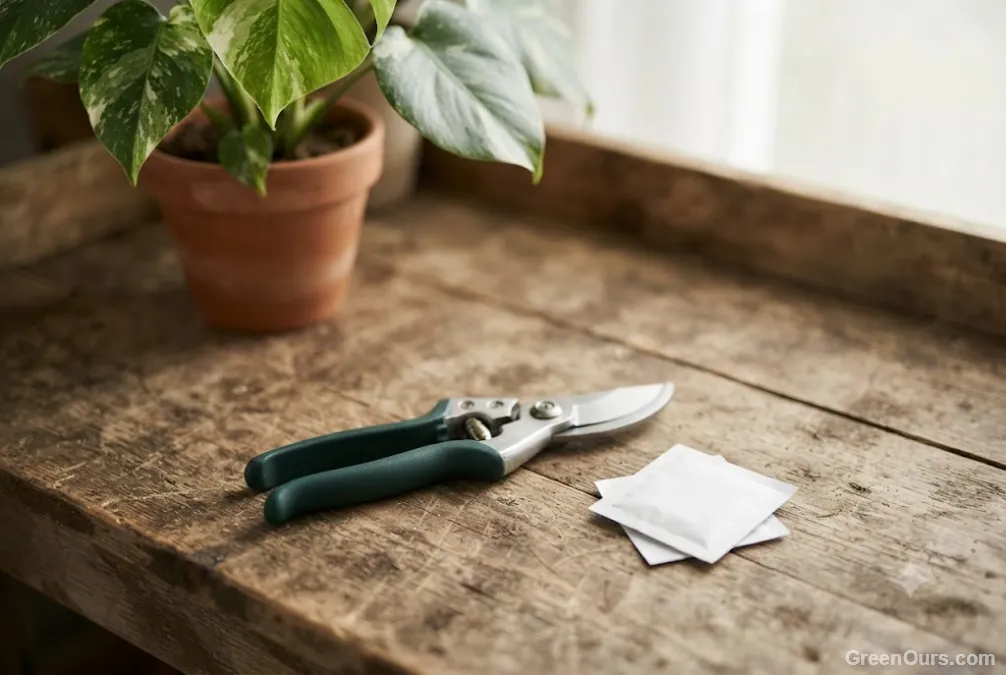
Wipe blades with 70% isopropyl alcohol or a 10% bleach solution between every single cut, not just between plants. Mosaic viruses transfer easily through plant sap on a blade edge, and one contaminated snip is enough to infect the next plant you touch. Let the tool air-dry for 30 seconds before the next cut — wiping and immediately cutting again doesn't give the disinfectant time to work.
How Mosaic Virus Spreads
Insect Vectors
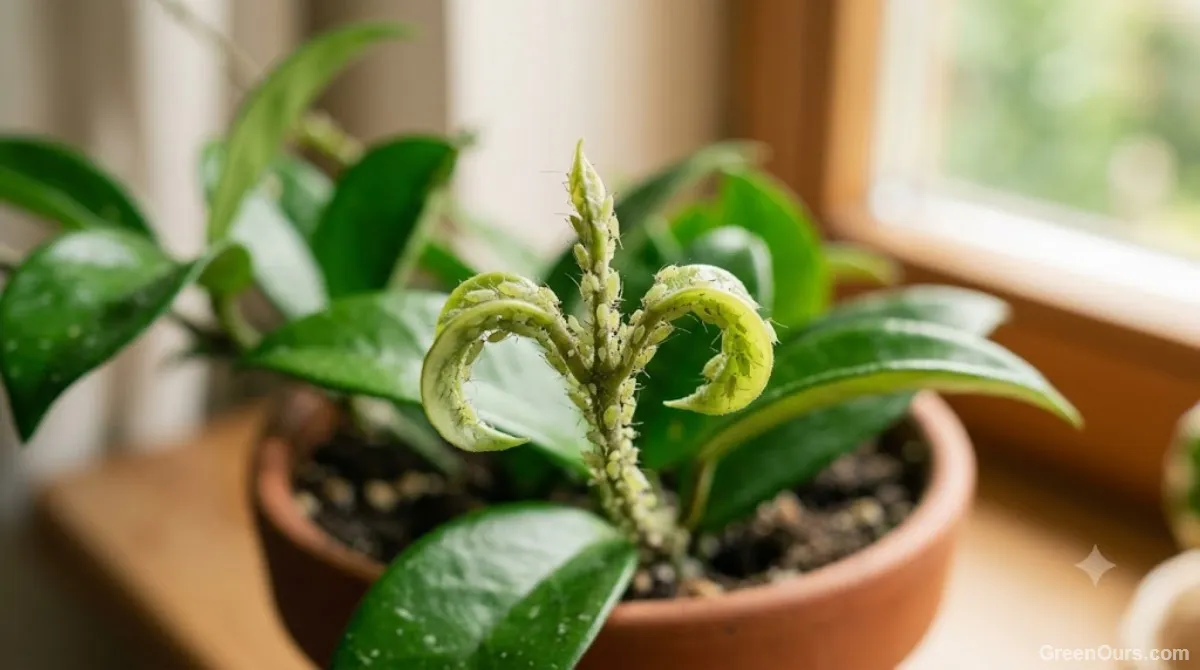
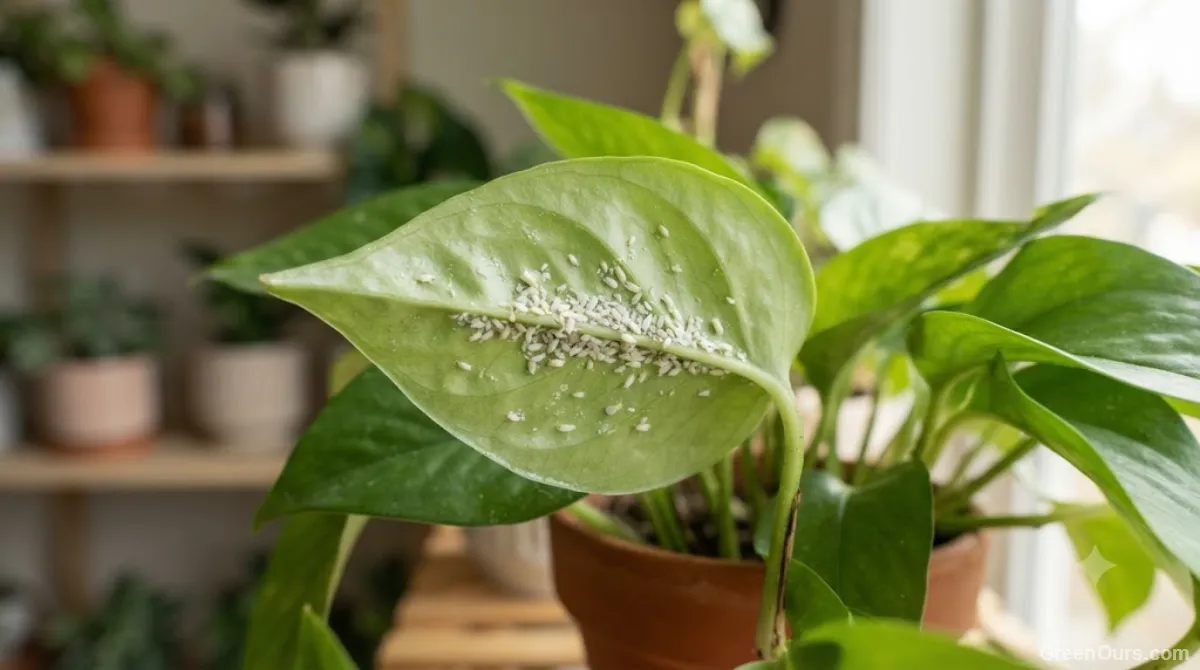
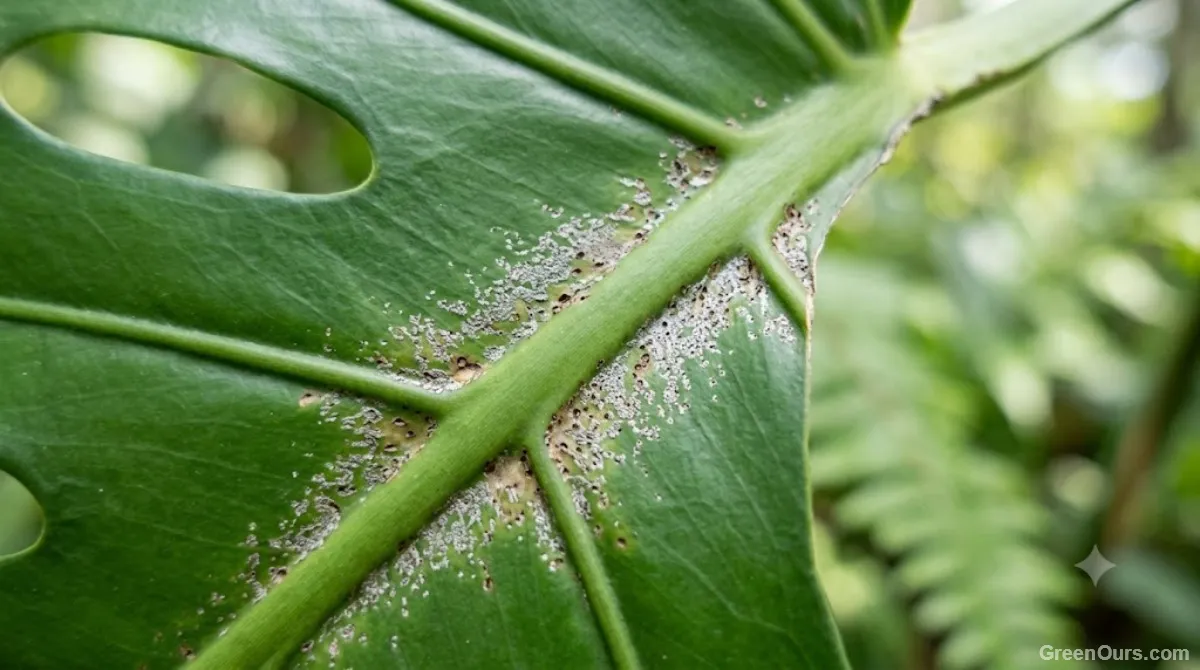
Aphids are the most common carrier. They pick up the virus while feeding on an infected plant and transmit it to the next plant within minutes of landing, often before you'd notice them at all. Whiteflies and thrips can carry certain mosaic strains as well. Controlling these pests isn't optional maintenance here — it's the primary line of defense against new infections.
Mechanical Transmission
Handling an infected leaf and then touching a healthy one can transfer the virus, especially if either leaf is damp or damaged. Propagating from an infected plant carries the virus into every cutting. Never take cuttings from a plant showing mosaic symptoms, even if only one leaf is affected — the virus is systemic, not localized to the spot where it's visible.
Protecting the Rest of Your Collection
Quarantine new plants for two to three weeks before placing them near your existing collection. Inspect them under good light during that window, checking new growth specifically, since mosaic symptoms often appear there first. Keep a dedicated set of tools for any plant you're uncertain about, and resist the urge to propagate from a plant that's ever shown viral symptoms, even after the visible mottling seems to fade.

Explore our full pest and disease library.
Mosaic virus isn't a condition you treat — it's one you contain. Get the diagnosis right early, keep your tools clean between plants, and control the insects that carry it, and the rest of your collection stays exactly where it should: healthy, and unaffected.