
Identifying an Aphid Infestation Early
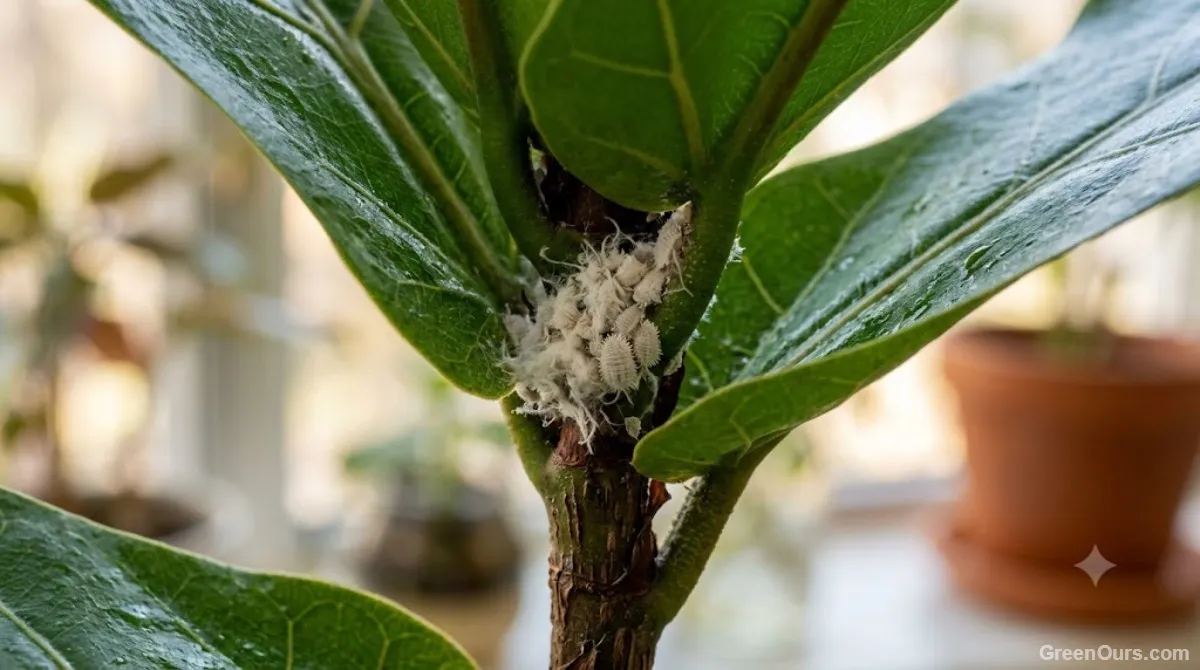
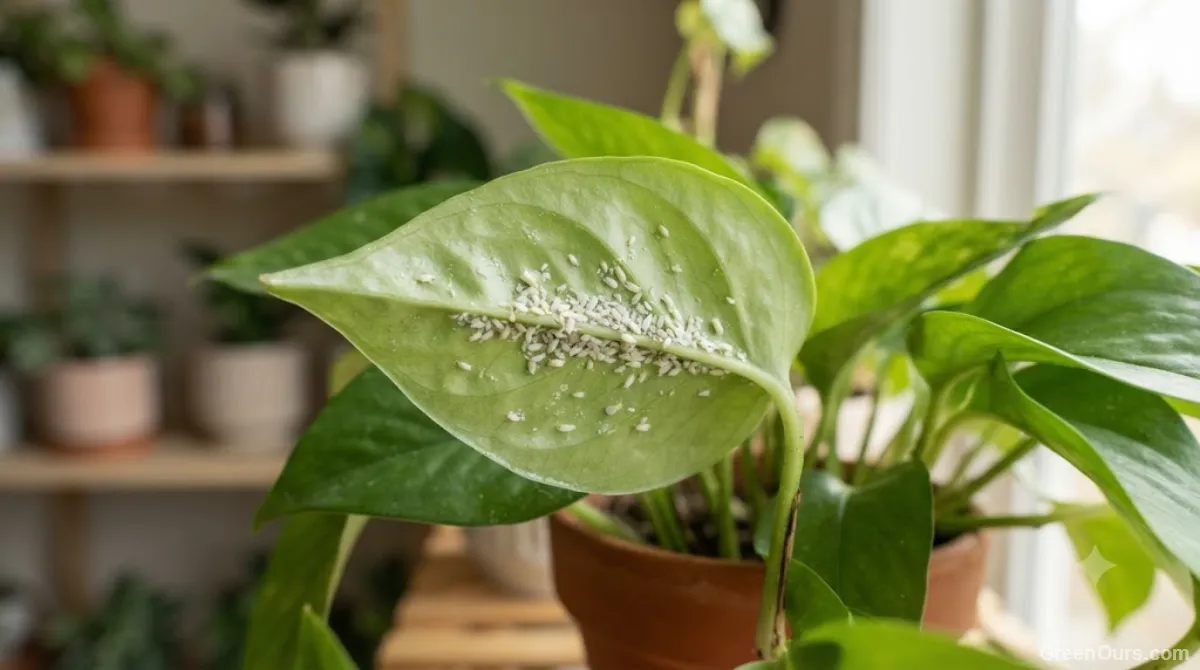
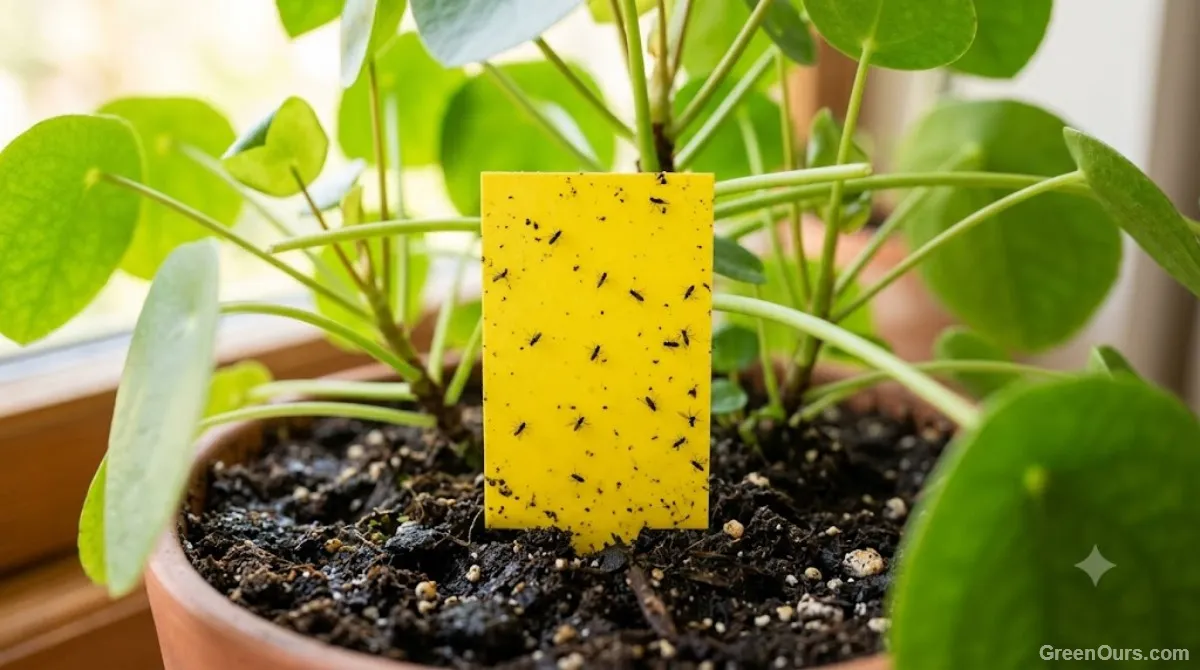
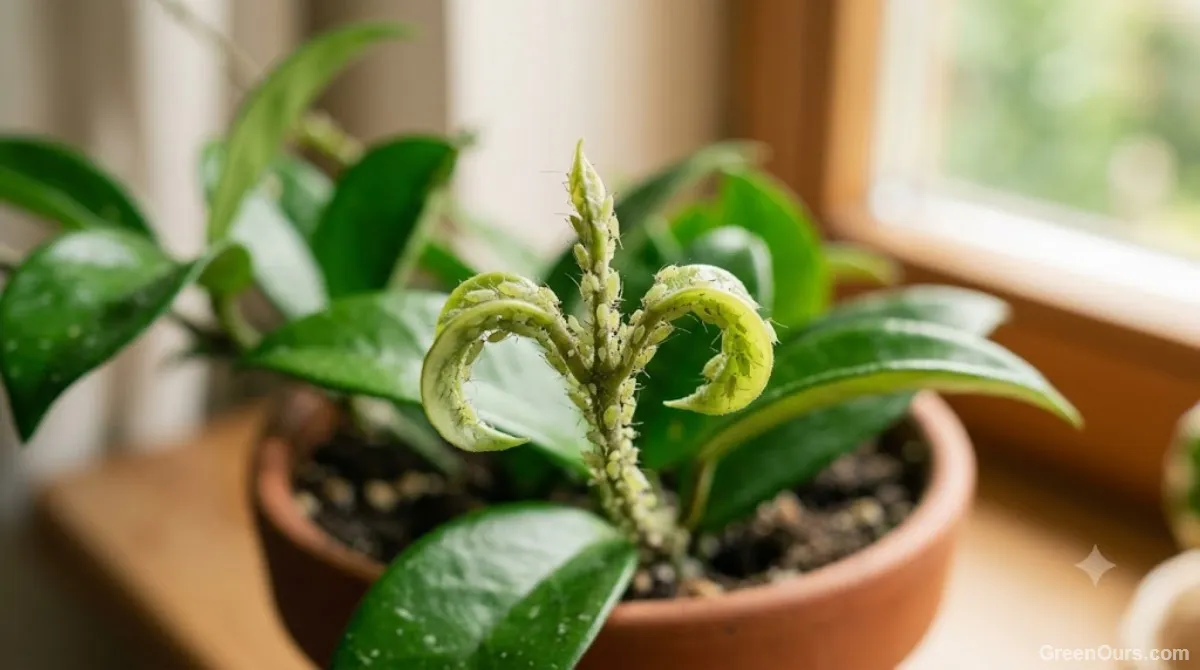
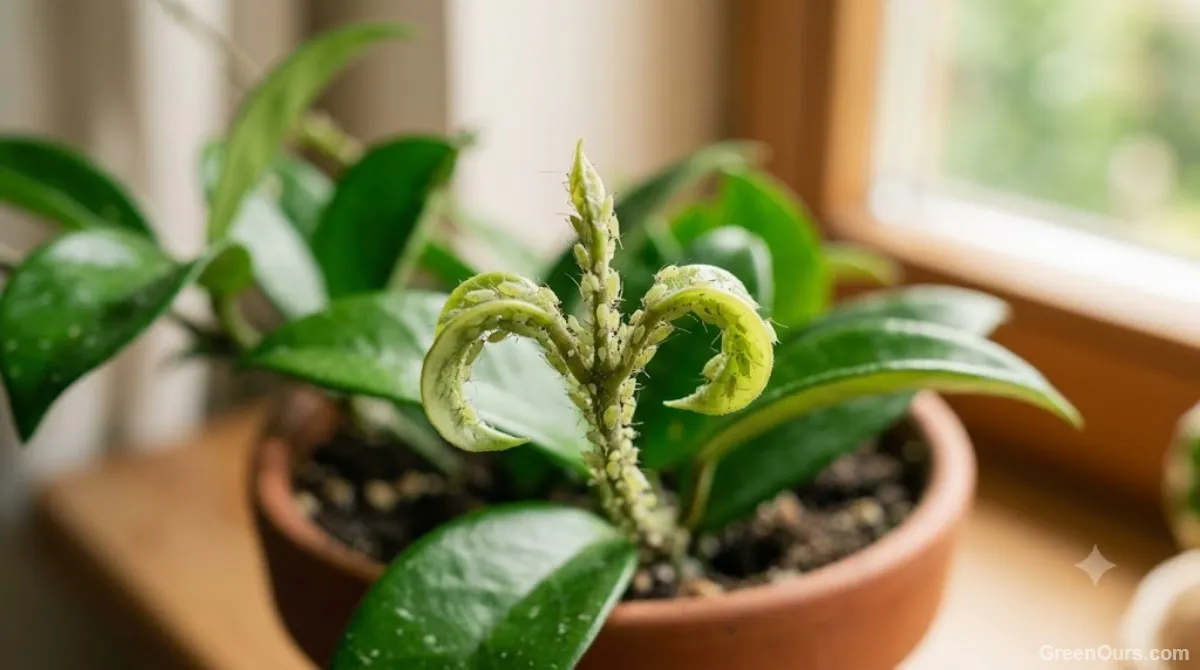
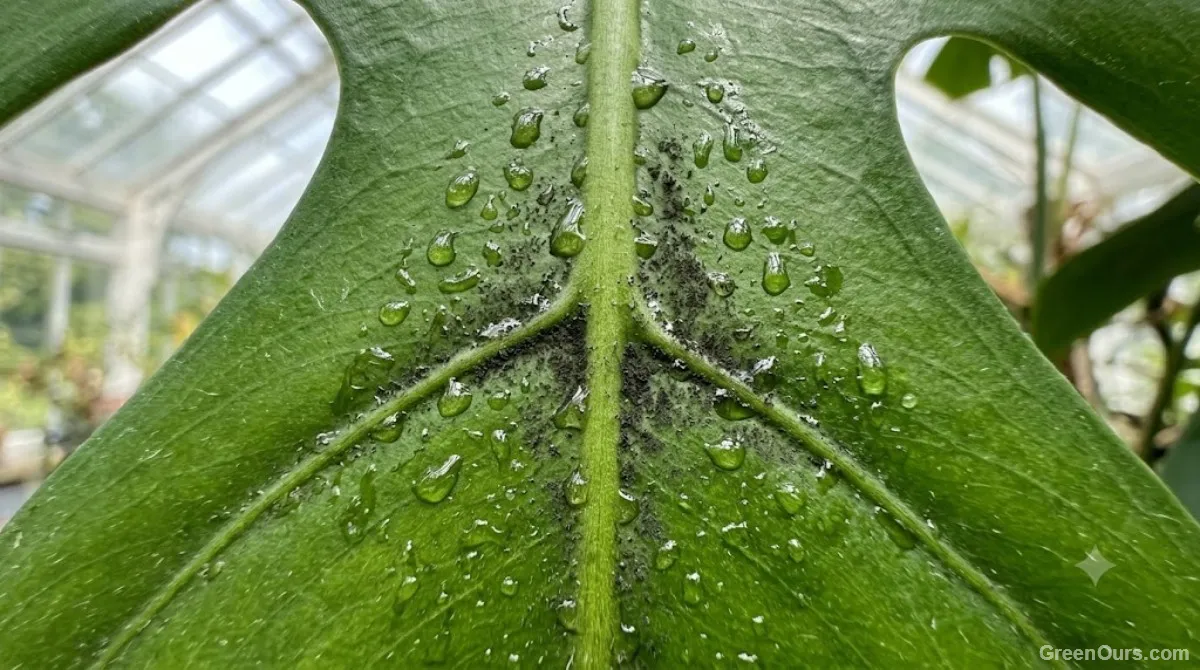
Aphids are soft-bodied, pear-shaped insects, usually 1 to 3 millimeters long. Color varies by species: green, yellow, black, or even pink, depending on the plant they've colonized. Check the undersides of leaves and the tips of new growth first. Aphids favor tender tissue over mature leaves because it's easier to feed on.
Three signs confirm an active infestation. First, visible clusters at stem joints or leaf undersides. Second, curled or distorted new growth, caused by the aphids feeding on developing tissue before it fully expands. Third, a sticky film on leaves and nearby surfaces called honeydew, which is aphid excrement and a strong indicator even before you spot the insects themselves.
Why Aphids Colonize Indoor Plants
Indoor environments remove most of the natural checks that keep aphid populations low outdoors. There are no ladybugs, no lacewing larvae, no wind or rain knocking populations back. A warm, stable indoor temperature between 65 and 80 degrees Fahrenheit also happens to be the exact range aphids reproduce fastest in.
New plants are the most common entry point. An aphid population invisible at purchase can establish itself within two weeks under ideal indoor conditions. Overfertilized plants are also more vulnerable, since excess nitrogen produces soft, sappy new growth that aphids prefer.
If you see ants traveling up and down a plant's stem, check for aphids immediately. Ants farm aphids for their honeydew and will actively protect a colony from predators, which makes early ant activity a reliable early warning sign.
Three Treatments That Actually Work
Skip anything marketed as an instant fix. Aphid control works through repetition, not a single application. These three methods, used in sequence, clear most infestations within two to three weeks.
Manual Removal
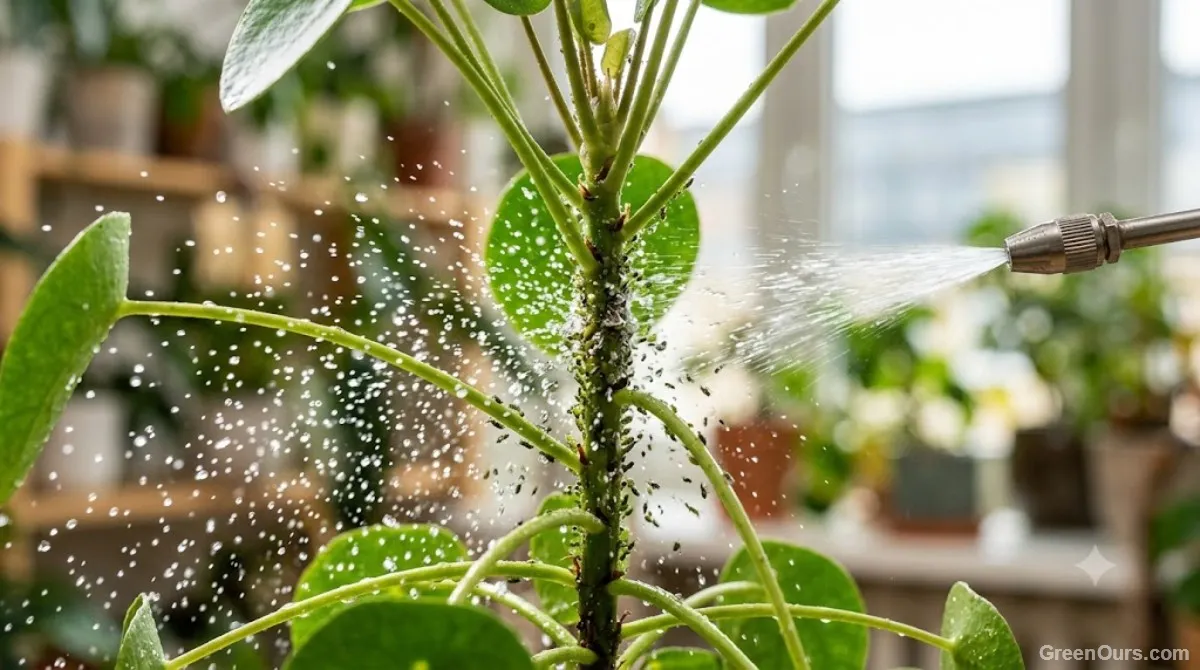
For light infestations, start here. Run the plant under lukewarm water in a sink or shower, focusing on the undersides of leaves and stem joints, where colonies concentrate. A firm but gentle stream physically dislodges most aphids without damaging foliage. Follow with a cotton swab dipped in 70% isopropyl alcohol for any stragglers on stems or leaf axils.
Insecticidal Soap
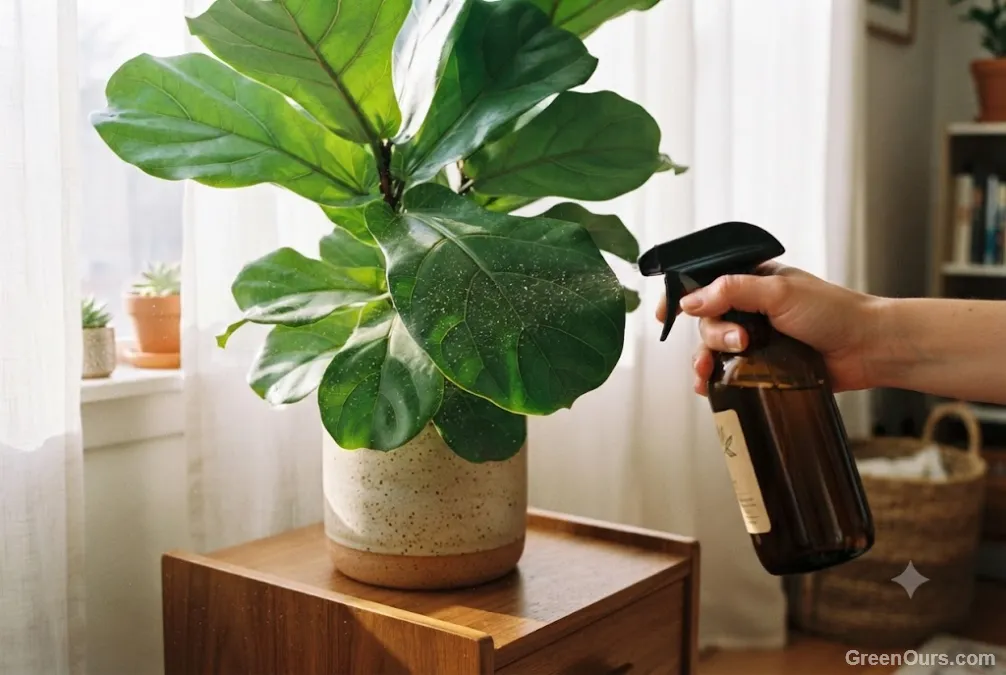
Insecticidal soap works by breaking down the aphid's outer cuticle, causing dehydration. It has no residual effect once dry, so it only kills insects present at the time of spraying. Mix according to label directions, or use a 2% dilution of a mild liquid castile soap in water if using a homemade version. Spray thoroughly, covering leaf undersides completely, and repeat every 5 to 7 days for three applications.
Neem Oil
Neem oil disrupts aphid feeding and reproduction and works well as a follow-up to soap treatments or for moderate infestations. Dilute at roughly 1 to 2 teaspoons per liter of water with a drop of dish soap to help it emulsify. Apply in the evening or in low light, since neem oil can cause leaf burn under direct sun or grow lights. Reapply every 7 to 14 days until no new aphids appear for two consecutive checks.
Step-by-Step Treatment Protocol
- Isolate the affected plant from others immediately to prevent aphids from spreading through direct leaf contact or foliage crowding.
- Rinse the plant thoroughly under lukewarm water, focusing on leaf undersides and new growth tips.
- Apply insecticidal soap, ensuring full coverage of stems and leaf undersides. Let dry before returning the plant to its normal spot.
- Reinspect every 3 to 4 days. Repeat the soap application if any live aphids are visible.
- After two soap applications, switch to neem oil if aphids persist, applying every 7 to 14 days.
- Keep the plant isolated for at least two weeks after the last visible aphid, checking new growth twice weekly.
Preventing Reinfestation
Treatment without a prevention routine just resets the clock. Aphids will return to the same conditions that let them establish in the first place.
Inspection Routine
Check new growth on every houseplant once a week, particularly after bringing in new plants or moving plants outdoors for the season. A 30-second check of leaf undersides and stem tips catches most infestations before they're visible from a distance.
Environmental Adjustments
Reduce nitrogen-heavy fertilizer applications, especially during active growth periods when soft new tissue is most abundant. Increase air circulation with a small fan in rooms with several densely placed plants, since still air favors aphid colonization. Quarantine any new plant for two weeks before placing it near existing ones.
What to Do Next
Aphids are persistent, but they're not difficult to beat once the sequence is right: remove what you can see, treat what remains, and check back often enough to catch the next generation before it establishes. Most infestations are fully resolved within three weeks of consistent treatment, no synthetic pesticide required.
Read our latest pest and disease diagnostics for more plant problems solved.