
The Treatment Worked. So Why Are They Back?
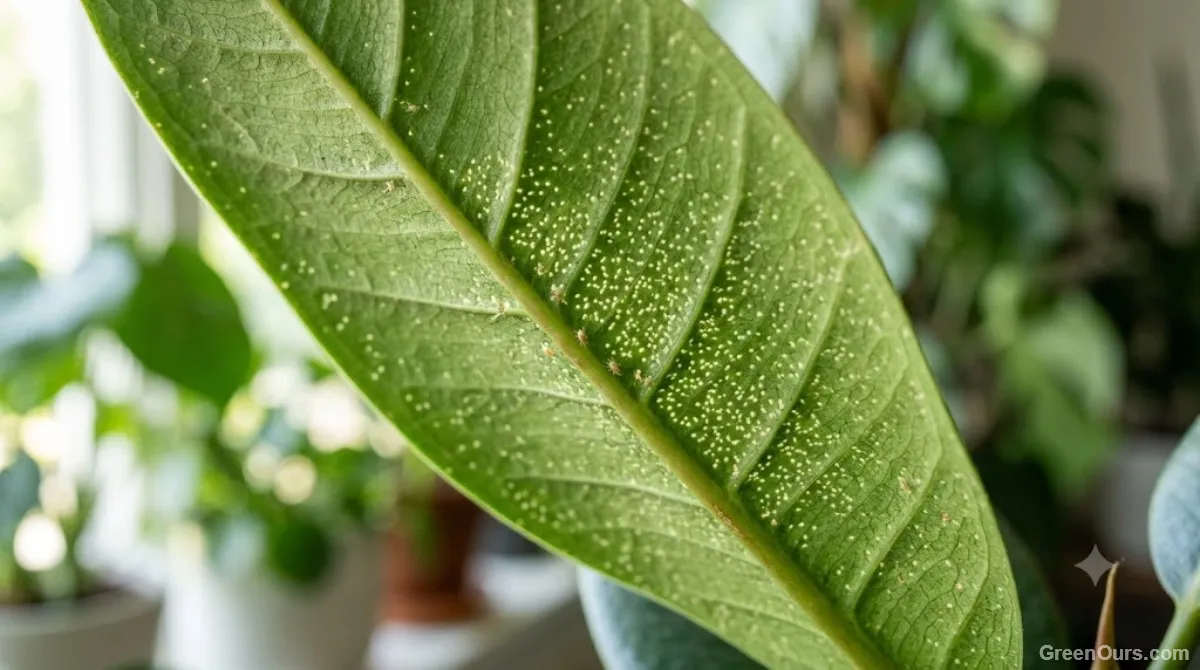
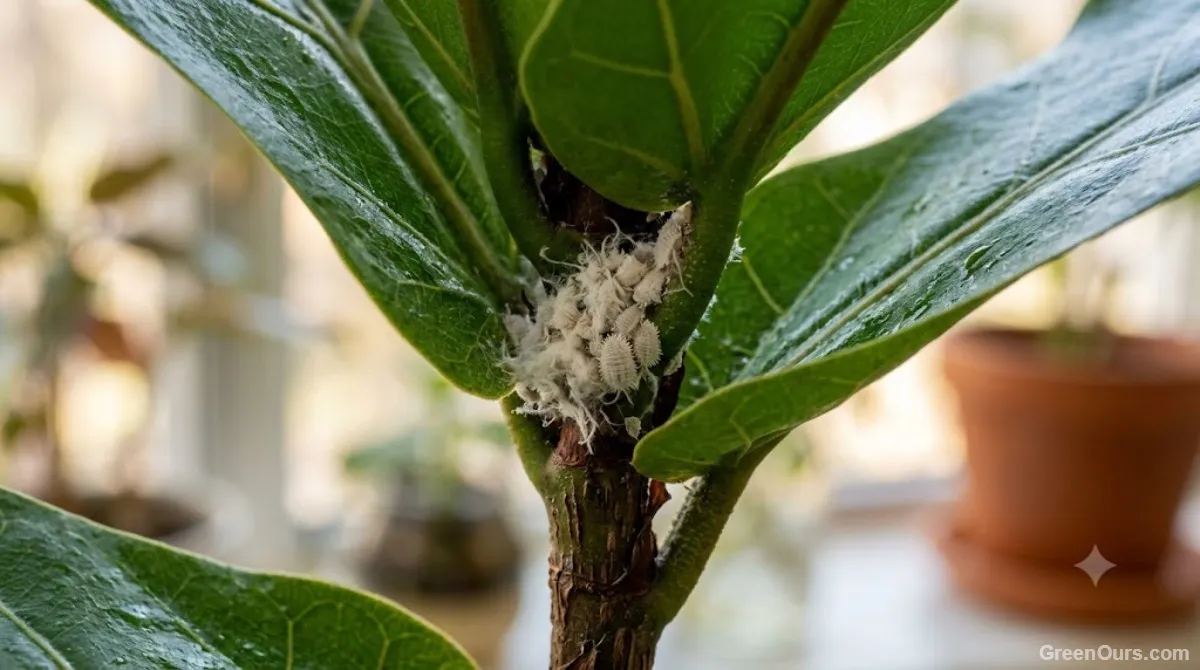
Most pest treatments target what's visible: adult insects, active feeding, obvious damage. That's the easy part. Spider mites, aphids, mealybugs, and scale all reproduce in stages you can't see with a quick glance, and a single application — even an effective one — rarely reaches every stage at once.
If pests return within two to four weeks of treatment, the timing itself is a clue. That window matches the typical egg-to-adult cycle for most common houseplant pests. You didn't get a new infestation. You got a delayed continuation of the old one.
Write down the treatment date. If pests reappear in under a month, suspect incomplete treatment. If it takes two months or more, suspect a new introduction or an environmental cause instead.
Where the First Round of Treatment Usually Falls Short
Eggs and Larvae Survive the Spray
Most contact treatments — neem oil, insecticidal soap, alcohol wipes — kill on contact but don't affect eggs. A single application knocks back the adult population and gives the impression of a solved problem. The eggs hatch on schedule, and seven to fourteen days later, you're looking at a fresh generation feeding on the same leaves.
The fix is repetition, not stronger product. Apply treatment every five to seven days for three to four cycles. This interrupts each new generation before it reaches reproductive age, rather than treating once and hoping the population doesn't recover.
One Plant Treated, Ten Plants Exposed
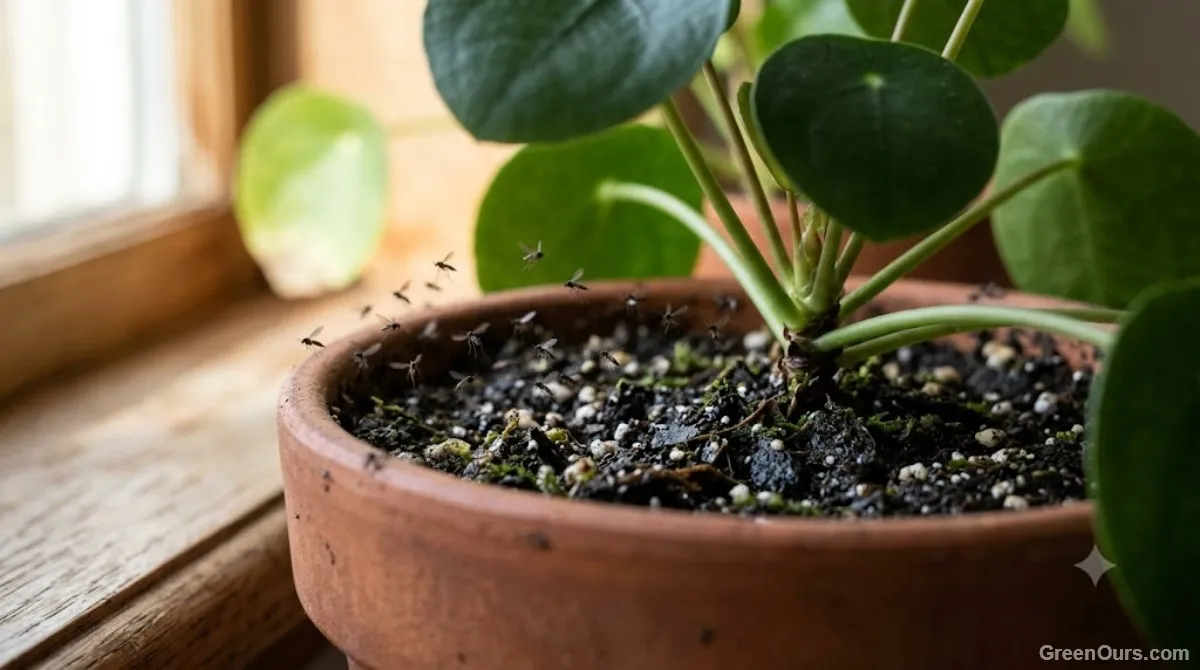
Pests move. Spider mites travel on air currents and touching foliage. Aphids walk from pot to pot when leaves overlap. Fungus gnats fly freely between any containers within a few feet of each other. Treating the one plant with visible symptoms while its neighbors sit untreated just relocates the population — it doesn't remove it.
Check every plant within arm's reach of an infested one, not just the plant that looked bad. Isolate anything with even mild symptoms before starting treatment, so the population has nowhere to retreat to.
Environmental Conditions That Keep Feeding the Cycle
Pests thrive under specific, predictable conditions, and if those conditions never change, a new population will move in even after the old one is fully gone. Spider mites prefer low humidity and dry soil. Fungus gnats need consistently damp topsoil. Mealybugs favor slow-growing plants under stress, particularly those in low light or overdue for repotting.
If the same plant, or the same shelf, keeps attracting pests regardless of which pest it is, look at the environment before blaming the plant. A humidity level under 40% keeps inviting spider mites back. Soil that stays wet more than three days after watering keeps recruiting fungus gnats. Fix the condition, and you remove the reason pests kept choosing that spot.
Building an Inspection Routine That Actually Catches Reinfestation
Most recurring infestations get noticed too late — after damage is visible, which means the population has already had time to grow for a week or two unchecked. A weekly thirty-second check per plant catches problems while they're still small enough to manage without a full treatment cycle.
Check three things every time: the underside of two or three leaves, the stem joints where leaves meet, and the top inch of soil. These are the three places pests establish first and the three places most people skip during a casual glance at the plant.
Quarantine: The Step Most Growers Skip
New plants are the single most common source of repeat infestations, even in collections that are otherwise pest-free. A plant from a nursery, a big-box store, or even a friend's cutting can carry eggs that won't hatch for a week or two after it arrives — long past the point most people stop watching it closely.
Keep any new plant in a separate room or at least three feet from your existing collection for two full weeks. Check it on the same weekly schedule as the rest of your plants. If nothing shows up by the end of that window, it's safe to integrate. Skipping this step is how a fully treated collection ends up reinfested by the one plant nobody thought to isolate.
When the Problem Isn't Pests at All
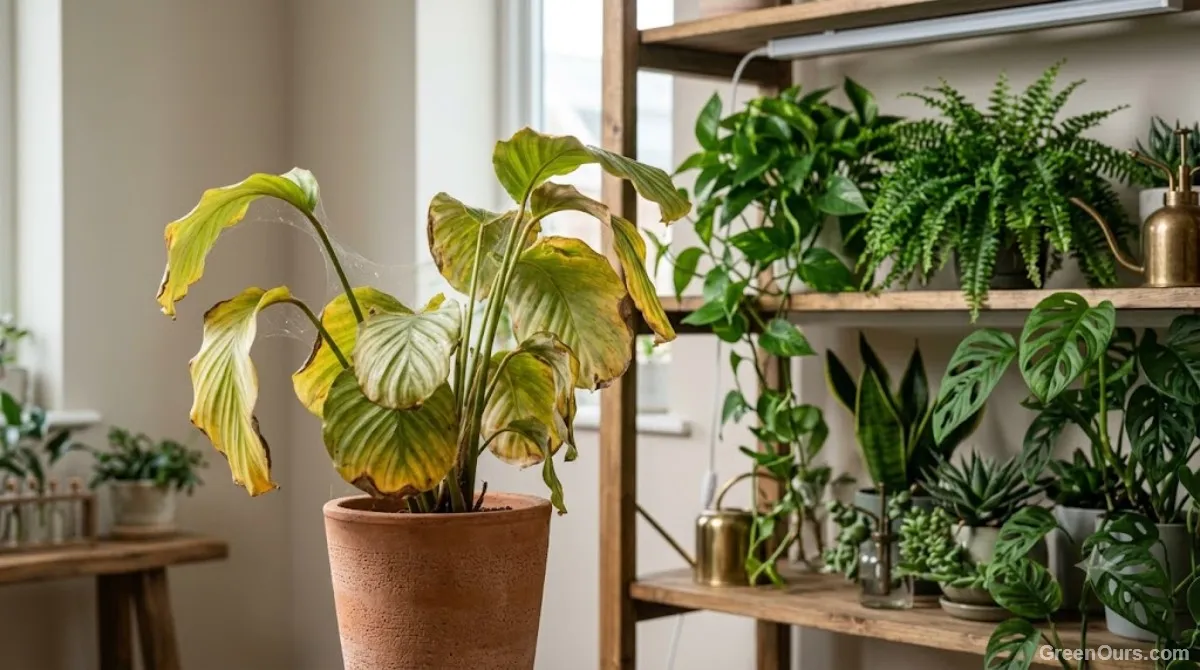
Occasionally, what looks like a recurring infestation is actually two separate issues being mistaken for one. Stippled, discolored leaves can come from spider mites, but they can also come from inconsistent watering or too much direct sun. Sticky residue can mean pests, but it can also mean a plant is simply exuding sap under stress. Treating a non-pest problem with insecticide repeatedly won't resolve it and can weaken the plant further.
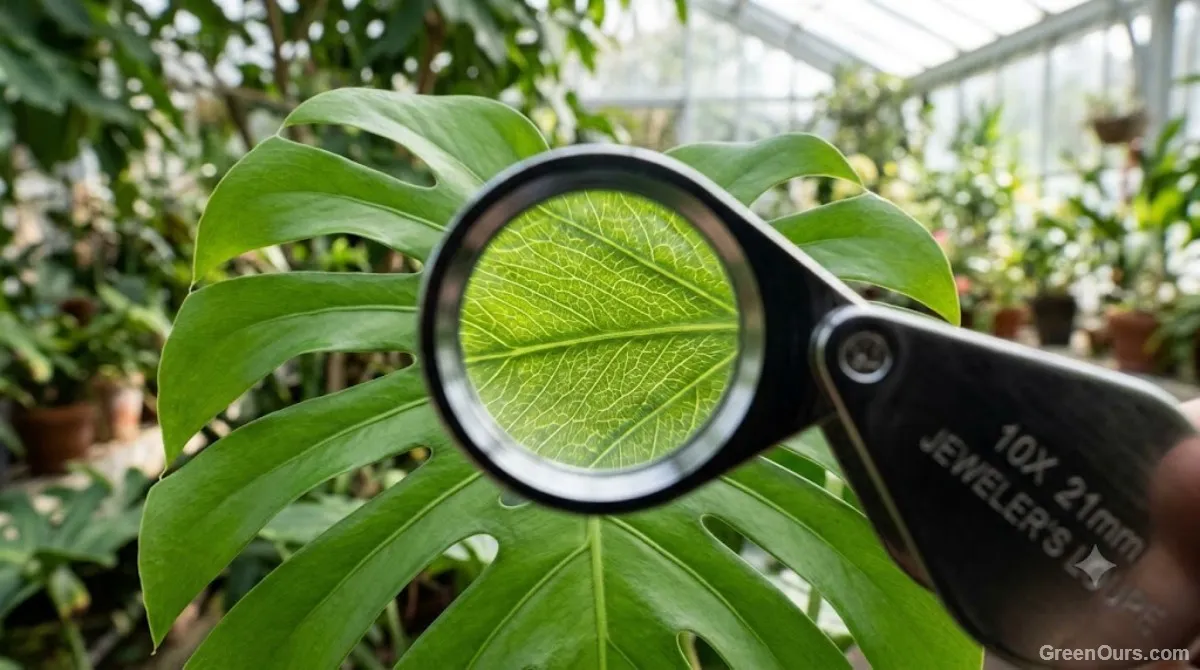
If treatment isn't reducing symptoms after two full cycles, stop and re-examine the diagnosis before applying more product. Confirm you're actually looking at eggs, webbing, or insects under magnification — not just damage that resembles a pest issue on the surface.
Confirm the diagnosis before you treat again.
A pest problem that keeps returning isn't a sign you're doing something wrong — it's a sign one link in the cycle hasn't been addressed yet. Find that link, whether it's timing, proximity, environment, or a skipped quarantine, and the infestation stops being a recurring event and becomes a closed case.