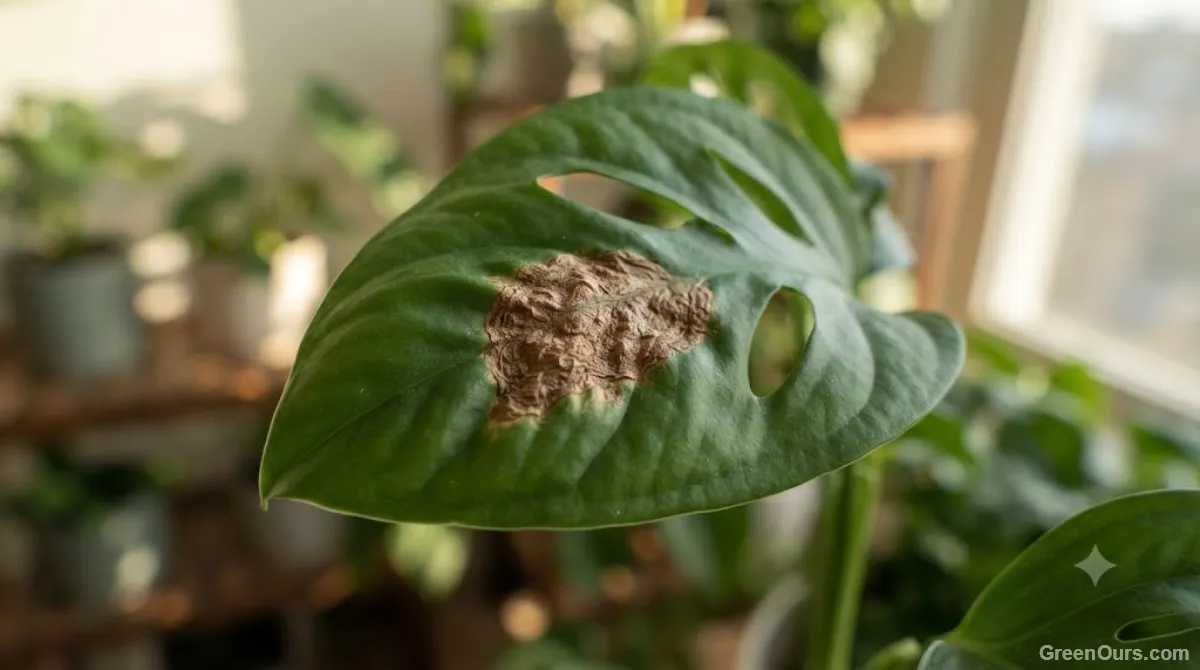

Identifying the Symptoms with Certainty
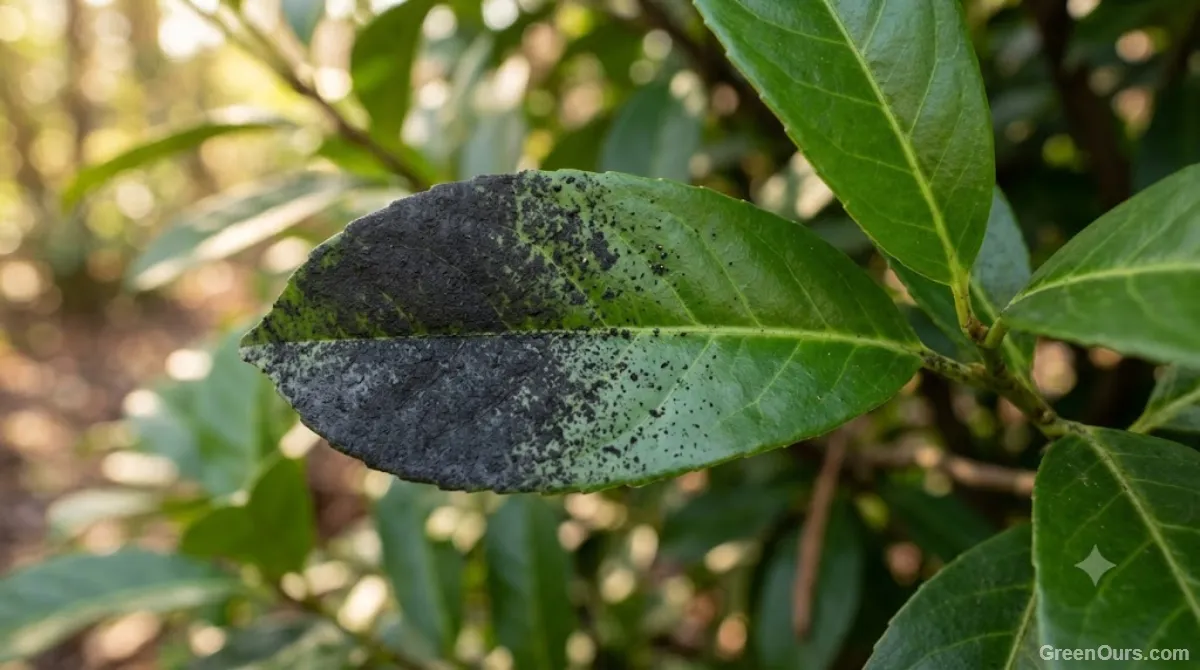
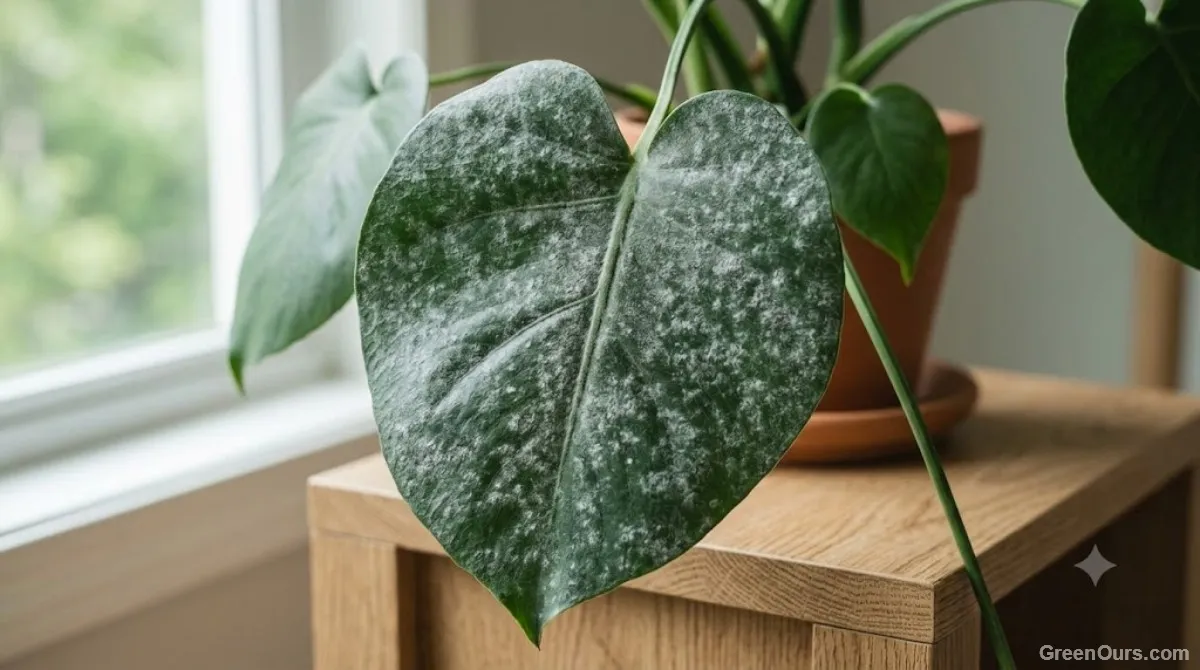
Powdery mildew presents as a white to grayish, talcum-like coating on leaf surfaces, stems, and occasionally flower buds. It usually starts as small, circular spots that expand outward until they merge into a continuous film. Unlike dust, it won't wipe away cleanly with a dry finger — it smears, and it returns within days.
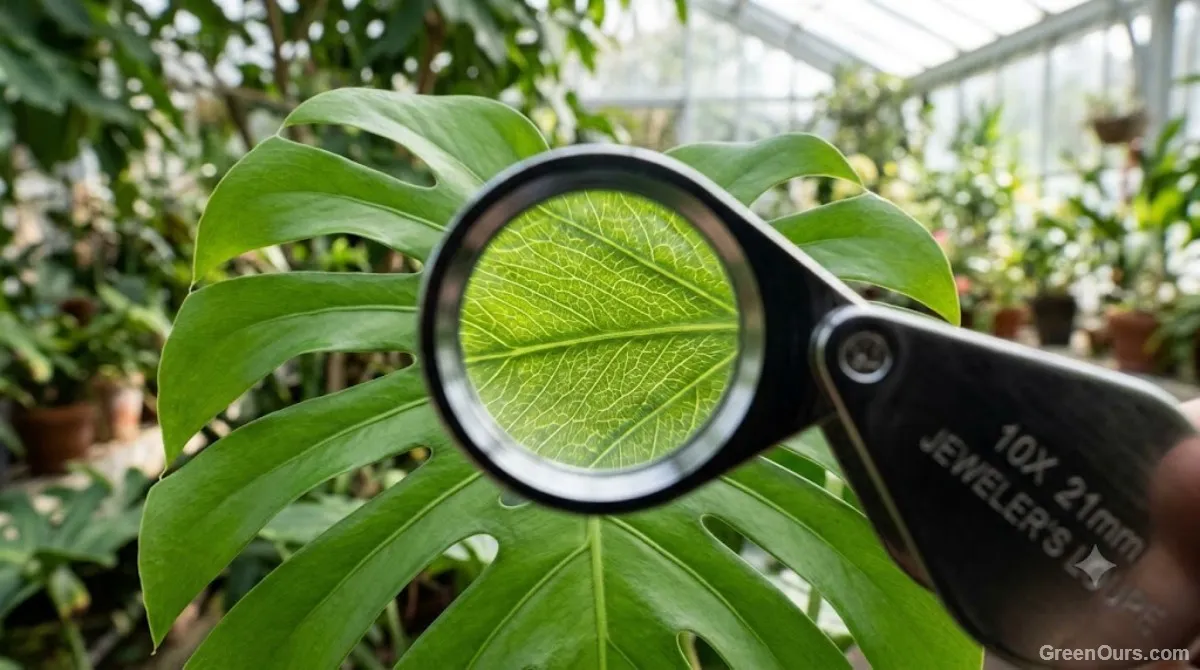
Check the undersides of leaves as well as the tops. Mildew often establishes on the lower leaf surface first, where humidity sits highest and airflow is weakest. Look for leaf curling, yellowing at the margins, or stunted new growth alongside the white coating — these are secondary signs the infection has moved past the surface and started affecting photosynthesis.
Powdery mildew is species-specific but visually consistent across plant types. It's caused by several related fungal genera, all of which behave the same way in a home environment: they germinate without needing free water on the leaf, which is what makes them different from most other leaf fungi and why misting alone won't fix the problem.
Why It Takes Hold: Humidity and Airflow Imbalance
Powdery mildew spores germinate best in moderate humidity — typically 40 to 70 percent — combined with still air. This is a narrower requirement than most fungal problems, which is why it shows up in specific spots: a crowded plant shelf, a bathroom with a plant tucked in a corner, a grow tent with an undersized fan.
Three conditions combine to create an outbreak:
Stagnant Air
Spores need calm air to settle and germinate. A room with no circulation gives them the stillness they need. Even a small fan running for a few hours a day disrupts this enough to matter.
Crowded Plant Spacing
Leaves touching leaves trap humidity at the canopy level and block airflow between plants. Mildew spreads leaf-to-leaf through direct contact and airborne spores, so a dense grouping accelerates transmission dramatically.
Temperature Swings
Mildew favors moderate daytime temperatures with cooler nights — a swing of 15 to 20 degrees Fahrenheit between day and night raises infection risk. Indoor heating and cooling cycles can recreate this swing without you noticing.
Powdery mildew doesn't need wet leaves to spread — this separates it from most other fungal leaf diseases. If you've been avoiding overhead watering and still see the outbreak, humidity and airflow are the cause, not moisture on the foliage.
Treatment: Step by Step
Act as soon as you confirm the diagnosis. Mildew spreads exponentially, not linearly — a small patch today can cover a third of the plant within two weeks.
- Isolate the plant. Move it away from other plants immediately to stop spore transfer through proximity.
- Remove infected foliage. Prune heavily affected leaves at the stem using clean, sharp shears. Discard them in a sealed bag — don't compost infected material.
- Improve airflow around the plant. Increase spacing and add a small fan set on low, positioned to move air across the foliage without blasting it directly.
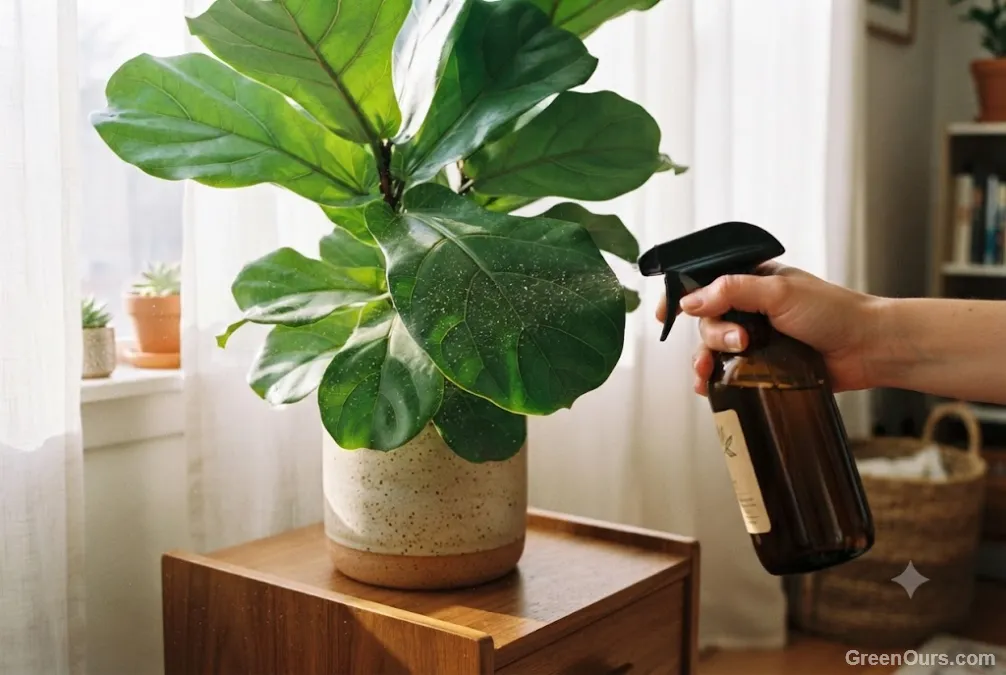
- Apply a fungicidal treatment. A diluted potassium bicarbonate spray or a horticultural-grade neem oil solution both disrupt fungal growth on contact. Apply in the evening to avoid leaf burn under direct light, and cover both leaf surfaces fully.
- Repeat every 7 days for three weeks. One application won't clear an established infection. Mildew regrows from surviving spores within days, so consistent reapplication matters more than spray strength.
Preventing Recurrence
Environmental Adjustments
Keep relative humidity below 50 percent where possible, especially in enclosed spaces like grow tents or bathroom shelving. A small dehumidifier or simply relocating the plant to a room with better ventilation resolves most recurring cases. Space plants so leaves aren't touching — a two-inch gap between canopies is usually enough to break the transmission chain.
Inspection Routine
Check susceptible plants weekly, focusing on the undersides of lower leaves where new outbreaks typically start. Catching a single spot early means removing one leaf instead of treating the entire plant. Wipe down shelving and trays periodically — dormant spores can survive on surfaces and reinfect a treated plant.
When to Remove the Plant Entirely
If more than 60 percent of the foliage is affected after two full treatment cycles, weigh the cost of continued treatment against starting fresh. Some plants — particularly those already stressed by poor light or root issues — won't recover fast enough to outpace the infection. Removing a badly affected plant also protects the rest of your collection from ongoing spore exposure.
Read more on diagnosing and treating fungal leaf problems.
Powdery mildew responds to consistent conditions, not luck. Fix the airflow, manage the humidity, and stay on the weekly inspection schedule, and this stops being a recurring problem on your shelf.