
What Yellow Sticky Traps Actually Catch
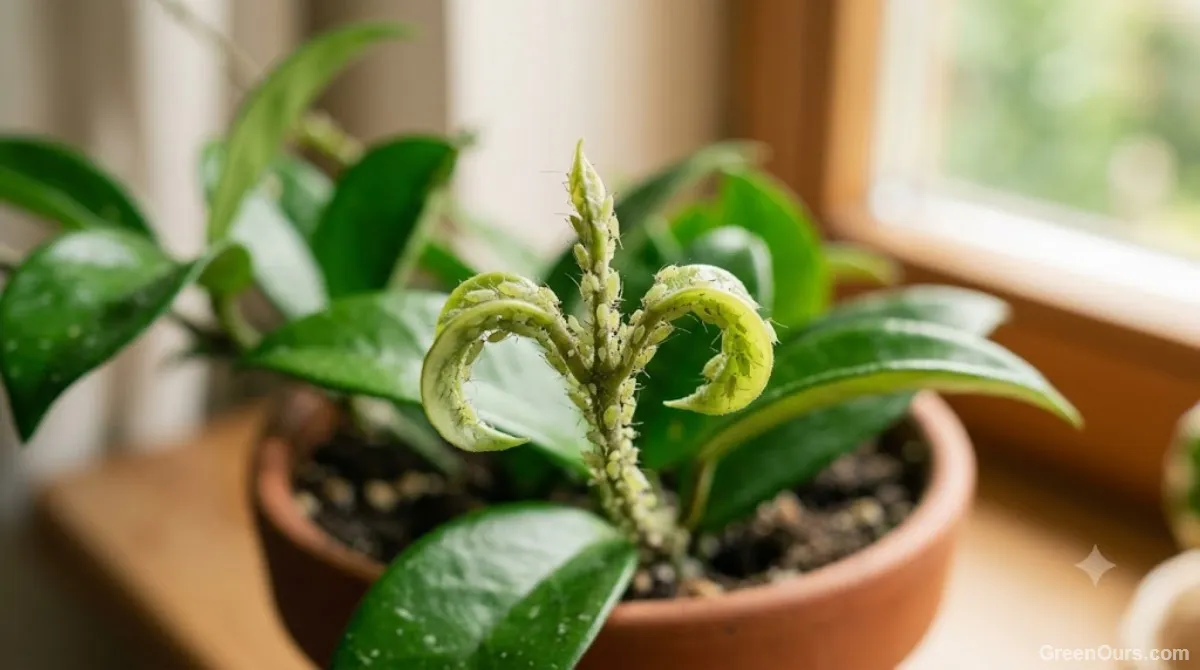
Yellow sticky traps work because certain insects are hardwired to seek out yellow — it mimics the color of new foliage and flowers to their vision. The adhesive coating does the rest.
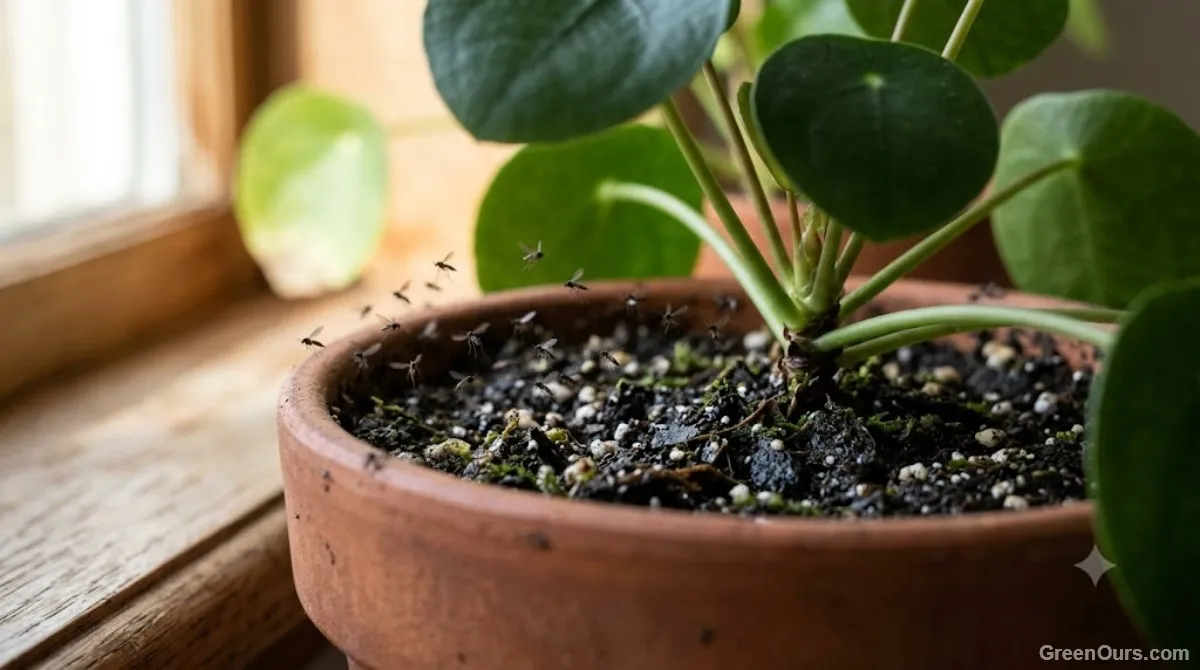
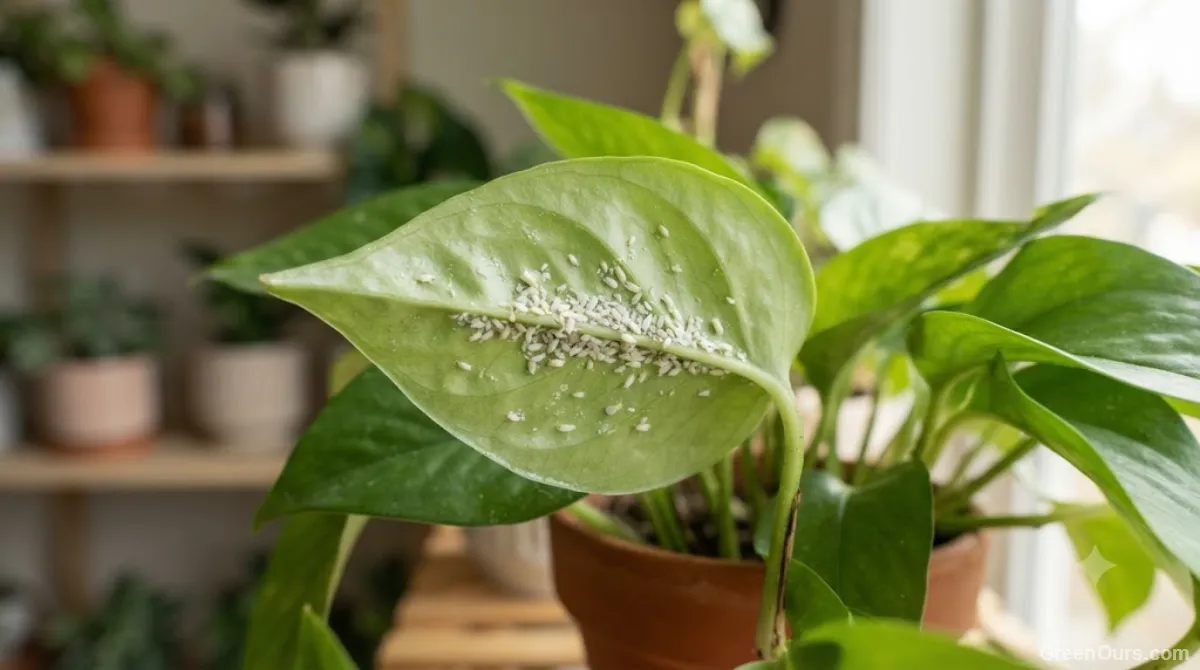
Reliable catches include fungus gnats, whiteflies, winged aphids, thrips (partially — see below), and leafminer adults. These are the pests actively flying between plants or emerging from soil to mate. A trap placed near the soil line of a plant with a gnat problem will show results within 24 to 48 hours.
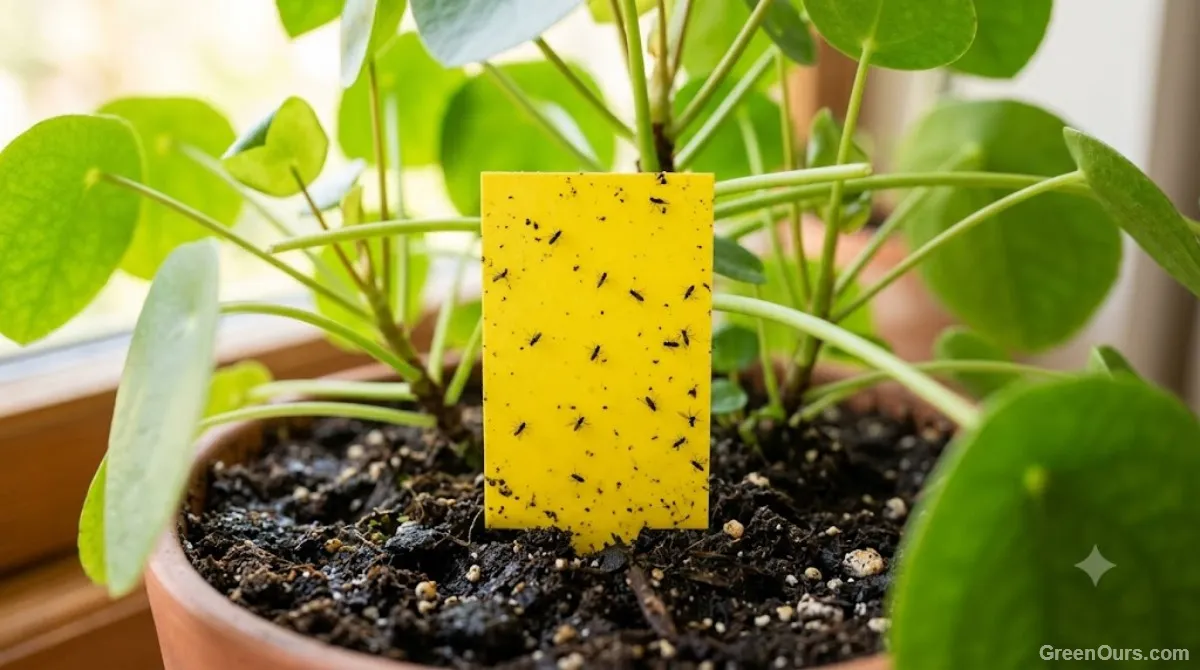
Adult fungus gnats are the single most common capture. They're weak fliers, drawn straight down onto a trap positioned an inch or two above the soil surface.
What They Miss or Only Partially Monitor
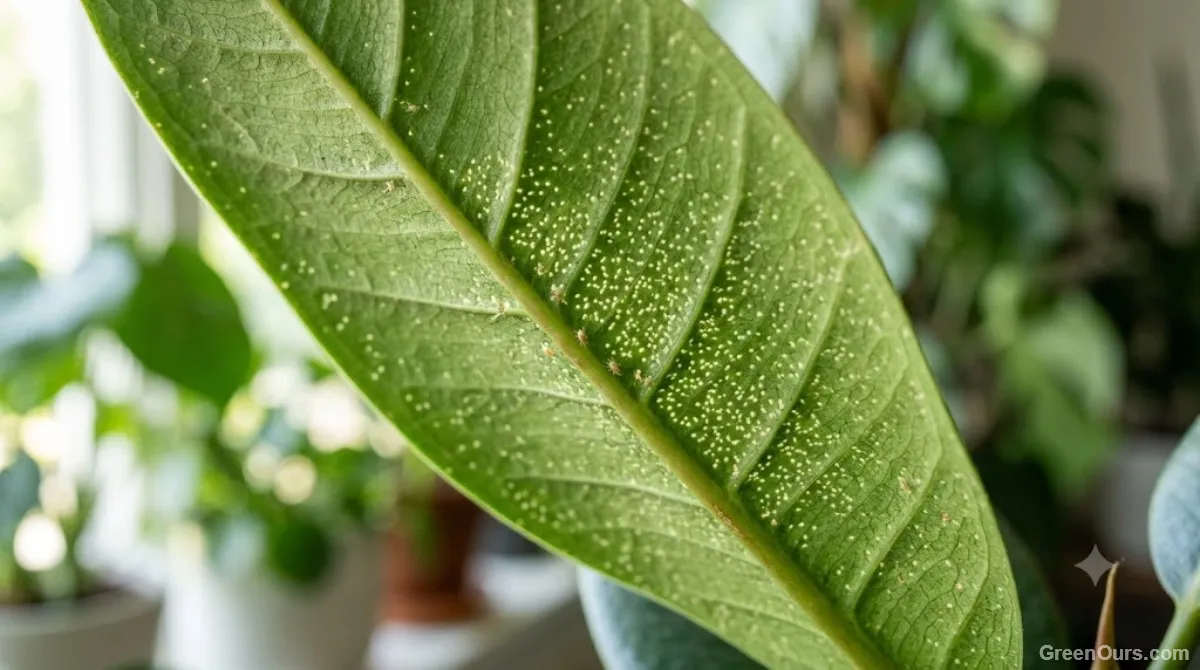
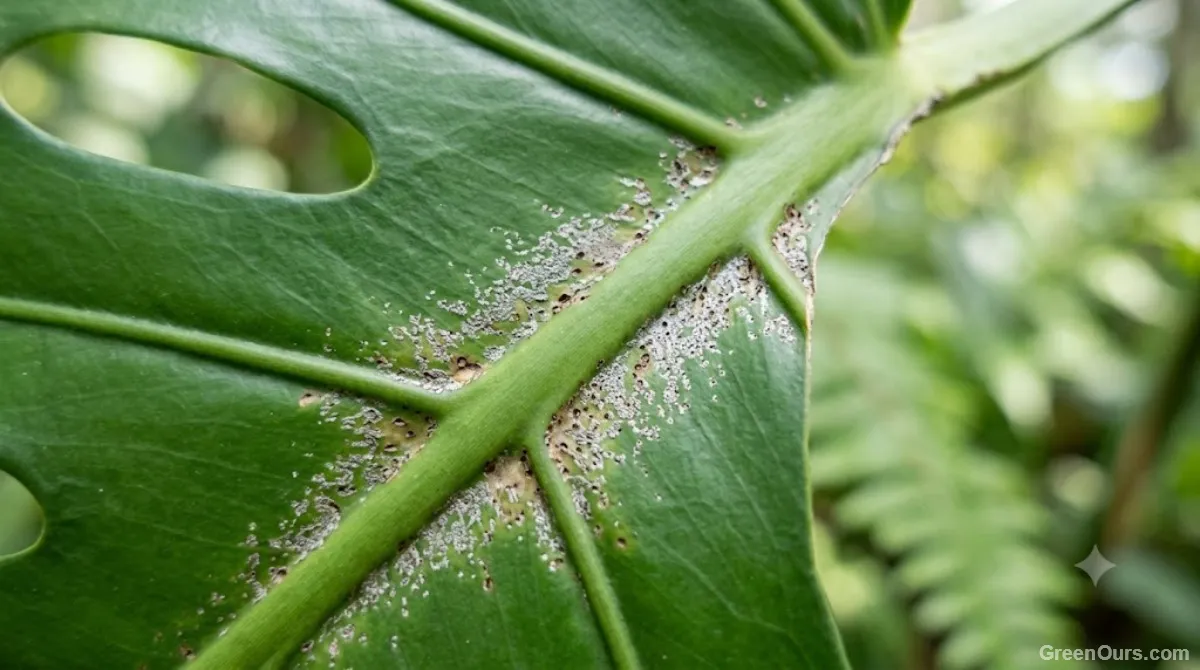
Spider mites don't fly. They travel by crawling and by ballooning on silk threads in air currents — a yellow trap catches essentially none of them. If you're dealing with stippled, dusty-looking leaves and fine webbing, a sticky trap will give you false reassurance while the infestation spreads.
Mealybugs and scale insects are similarly invisible to trap monitoring in their damaging life stages. Both spend most of their life cycle stationary on stems and leaf joints. Only the rare winged male scale insect might land on a trap, and that's not the population doing the damage.
Thrips are a partial case. Adults are attracted to yellow but respond even more strongly to blue, which is why professional monitoring setups often pair both colors. A yellow-only setup will undercount thrips activity.
A trap covered in captures is a monitoring result, not a treatment outcome. Use the catch count to decide what to do next — don't mistake the count itself for pest control.
Color Matters More Than Most People Realize
Yellow attracts fungus gnats, whiteflies, aphids, and leafminers most effectively. Blue attracts thrips more reliably than yellow does — thrips have a visual bias toward blue wavelengths that yellow traps don't replicate.
If thrips are your primary suspect — look for silvery streaking and black fecal specks on leaves — add a blue trap alongside your yellow ones rather than relying on yellow alone.
Correct Placement for Accurate Results
Height and Distance
For fungus gnats, position traps horizontally, 1 to 2 inches above the soil surface, touching or nearly touching the pot rim. Gnats emerge from the top layer of soil and don't travel far before landing.
For whiteflies and aphids, position traps vertically, at or just above canopy height. These insects fly higher and are drawn to traps at eye level with the foliage they're feeding on.
Density Per Space
Use one trap per 2 to 3 plants in a cluster, or one per 10 square feet in a grow room or greenhouse setting. Fewer traps than that under-samples the population; more than that doesn't meaningfully improve detection and just adds clutter.
Replace traps every 1 to 2 weeks, or sooner if the surface is more than 50% covered. A saturated trap stops catching new insects effectively.
Common Mistakes That Waste Traps
Placing traps too far from the plant. Beyond about 3 inches from foliage or soil, catch rates drop sharply — most of these insects aren't strong or motivated fliers.
Leaving traps in place indefinitely. A trap left for a month isn't giving you current data; it's showing you a blur of activity across weeks, which makes it hard to tell if a treatment is working.
Treating trap count as a treatment plan. Traps reduce adult populations by a small margin. They don't address eggs, larvae, or the conditions — overwatered soil, poor airflow — that caused the outbreak.
Skipping traps in rooms with no visible pest activity. By the time you see visible damage, a population is already established. Traps placed proactively catch the first wave before it becomes a problem worth treating aggressively.
Where Traps Fit Into a Complete Pest Plan
Treat yellow sticky traps as your early warning system and your ongoing gauge — not your treatment. Pair them with the actual fix for what they reveal: letting soil dry out fully between waterings for fungus gnats, insecticidal soap applied directly to foliage for whiteflies and aphids, and a hard look at soil moisture and drainage if gnat counts stay high week over week.
Read more on diagnosing and treating common houseplant pests.
Check trap counts weekly, not daily — daily checks create noise, not signal. A consistent weekly count tells you whether your actual treatment is working. If the numbers aren't dropping after two weeks of treatment, the trap has done its job: it's telling you to look closer.