
Why Pests Pick Favorites
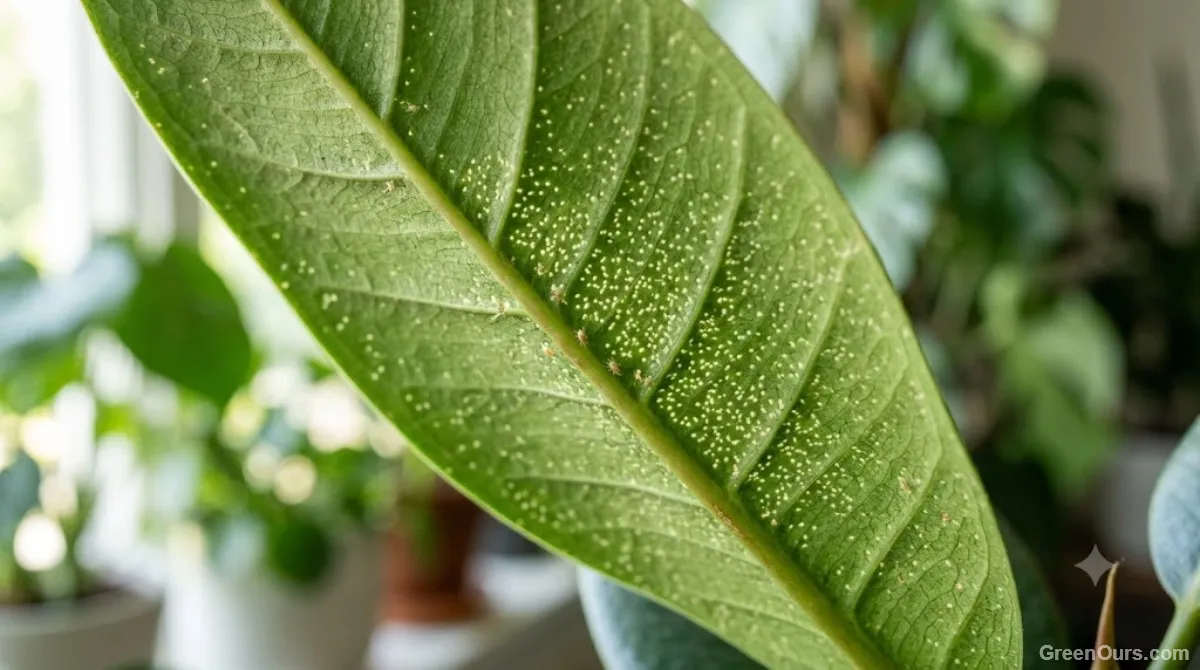
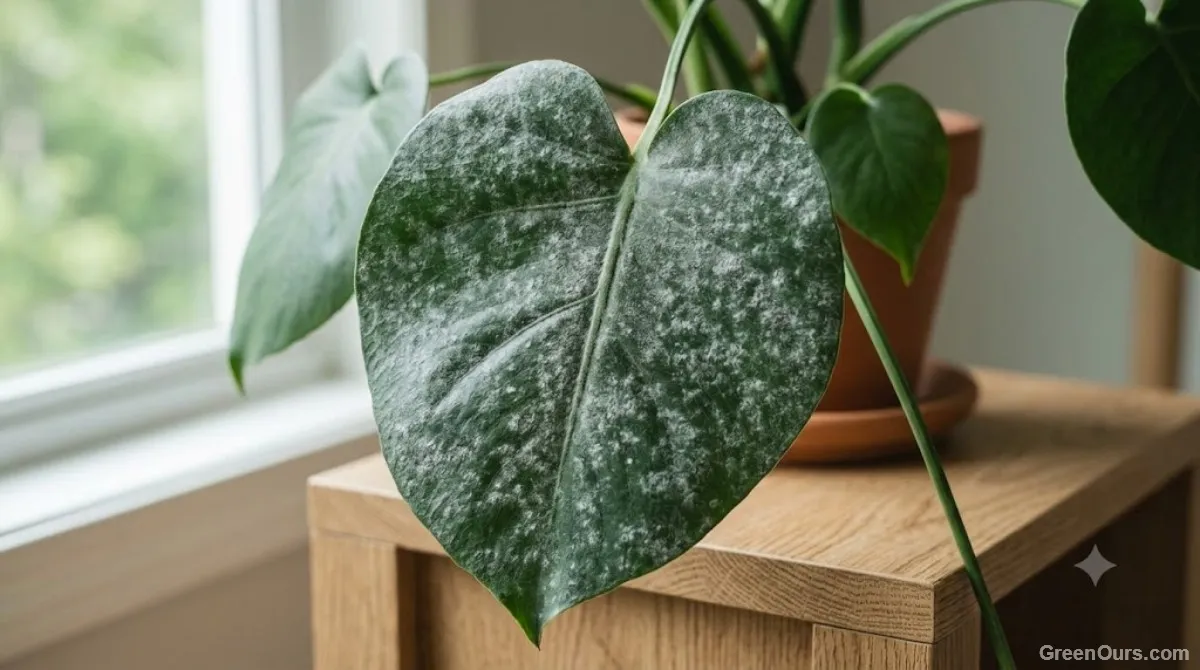
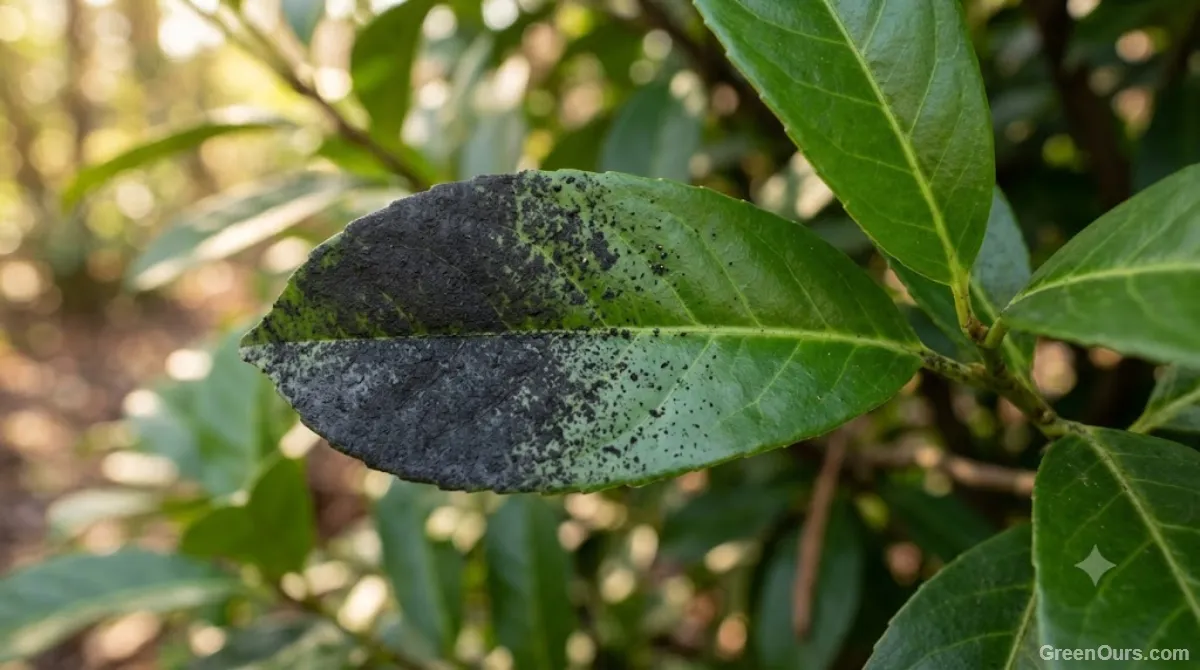
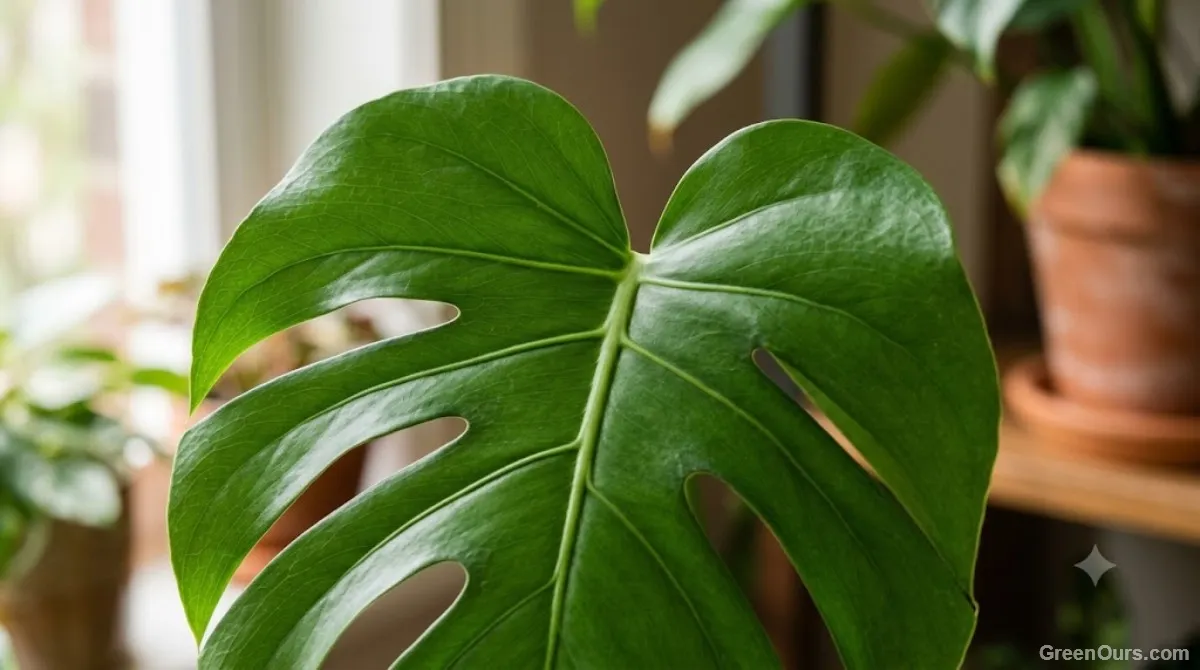
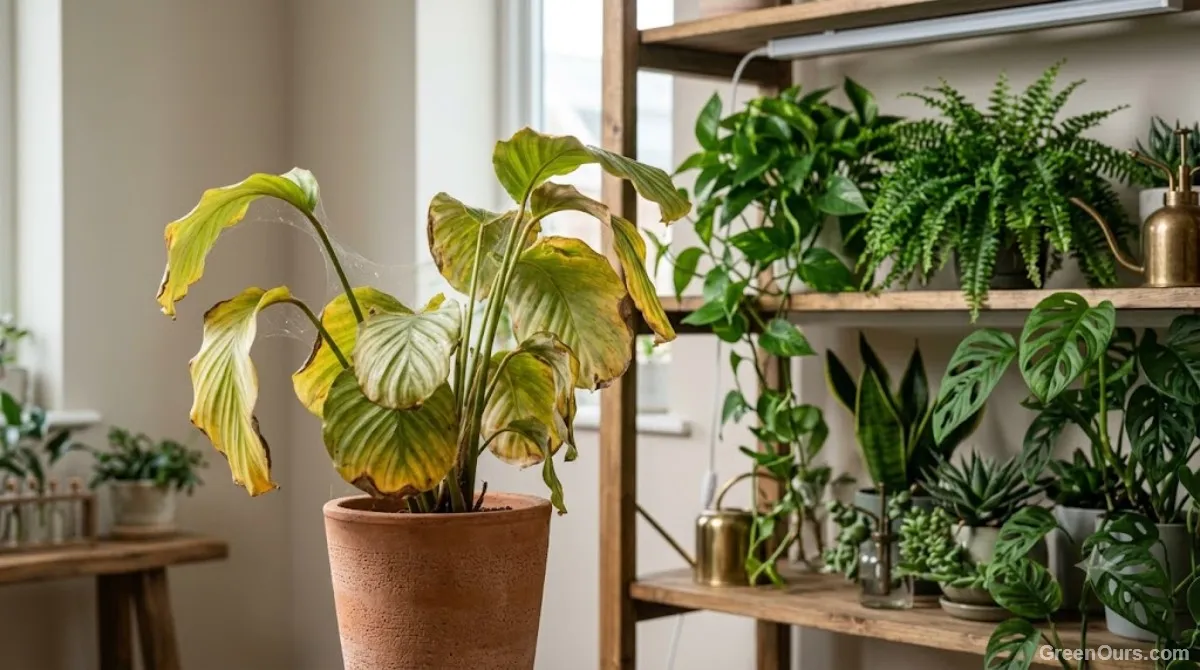
Spider mites, aphids, and scale don't attack at random. They target tissue that's already compromised. Stressed foliage is easier to pierce, and a weakened plant produces less of the chemical defenses that normally repel insects. If one plant in your collection keeps getting hit while the rest stay clear, the infestation is a symptom. The plant is the variable, not the room.
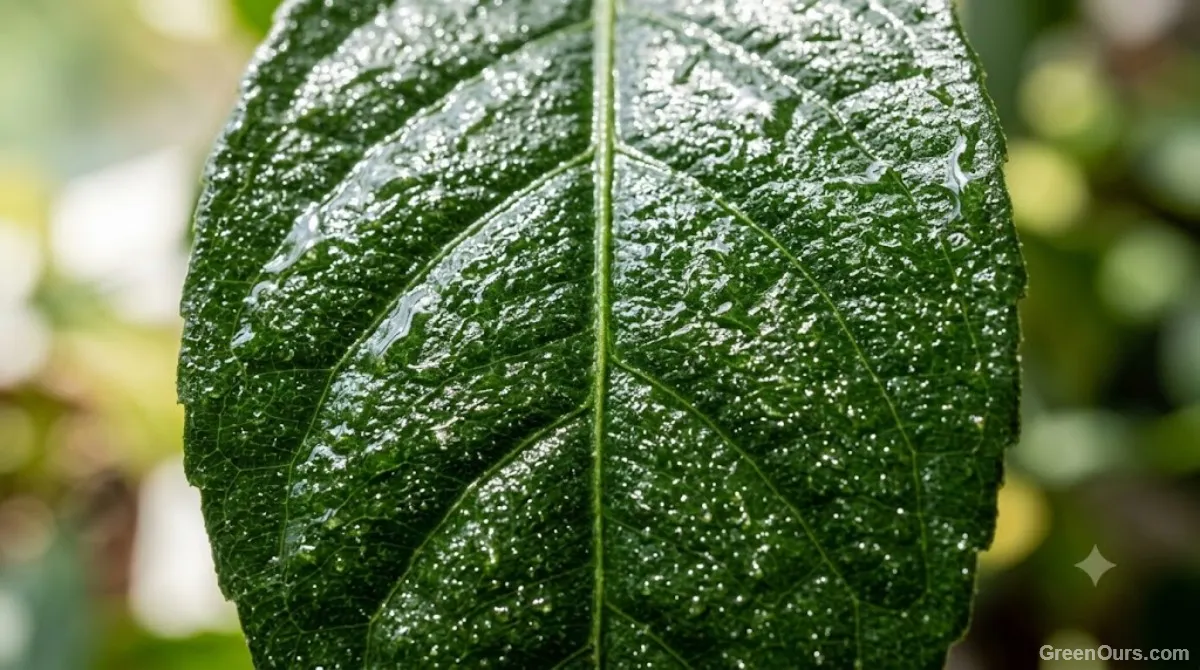
By the time you spot webbing or sticky residue, the stress that invited the pests has usually been building for weeks. Visible damage is a late-stage signal, not the starting point. That's why treating the bugs alone rarely solves a repeat problem — the plant returns to the same vulnerable state within a month or two, and the cycle starts again.
Check the leaf undersides on every plant within 3 feet of the affected one, even if they look fine. A second, quieter outbreak often starts nearby before it's visible on the original plant.
Step 1: Check the Light It's Getting
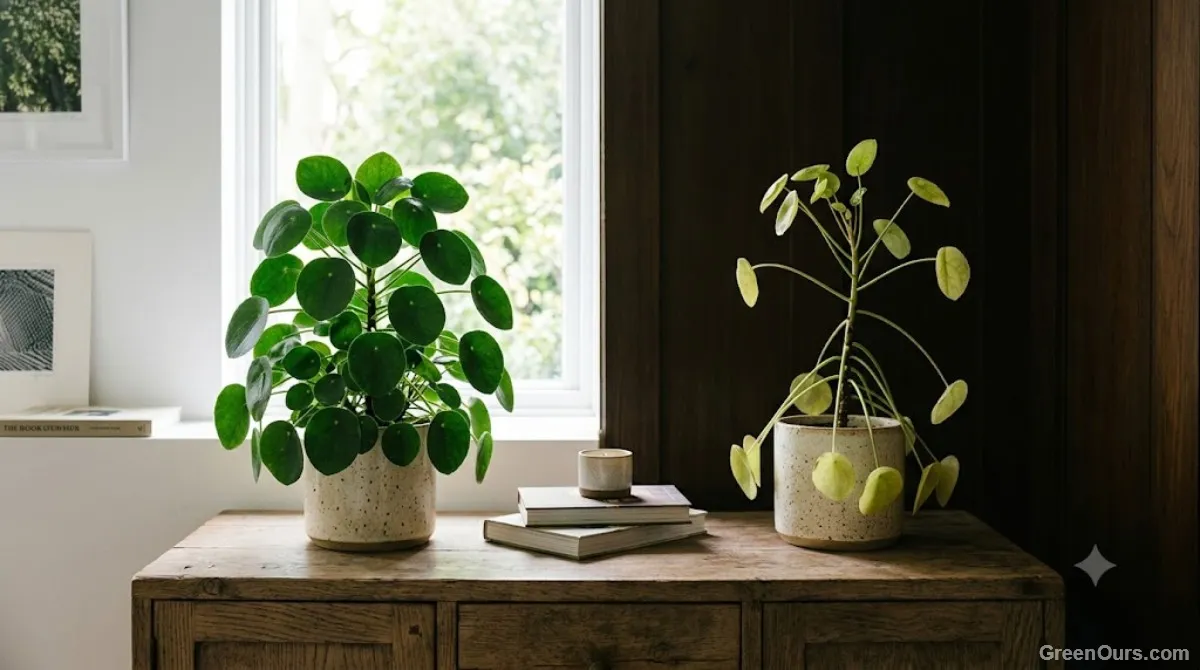
Low light slows growth and thins leaf tissue, both of which make foliage easier to feed on and slower to recover once damaged. Compare this plant's spot against its healthiest neighbors. Light intensity drops sharply the farther you move from a window, and a spot that looks bright enough to the eye can still be leaving a plant well short of what it needs. Plants sitting in that kind of gap grow soft, stretched leaves that mites and aphids reach for first.
You don't need a light meter to catch this. Hold your hand about a foot above the soil at midday: a sharp, well-defined shadow means bright light, while a soft, blurry outline means the plant is working with far less than it looks like from across the room. If the affected plant sits in a blurry-shadow spot while its healthy neighbors sit in sharp-shadow spots, move it closer to the window or supplement with a grow light for 4-6 hours a day.
Step 2: Look at Watering and Root Health
Overwatered roots suffocate and begin to rot, cutting off the nutrient supply the plant needs to defend itself. Underwatered plants lose turgor pressure, and slack leaf tissue is easier for piercing insects to feed on. Pull the plant and check the roots directly: firm, white-to-tan roots are healthy, while black, mushy, or foul-smelling roots point to overwatering.
If the soil is staying wet past 5-7 days between waterings, cut back the schedule and check that the pot drains. If it dries out in under 2 days, the plant may be root-bound and unable to hold moisture — sizing up the container by one size usually solves it.
Potting mix matters just as much as the watering schedule. A dense, moisture-holding mix keeps roots wet long after the surface looks dry, which is a common cause of chronic overwatering even when you think you're watering correctly. Mix in perlite or orchid bark at a 1:4 ratio if the soil feels heavy and compacted, and check that the pot has at least one drainage hole — a decorative pot with no drainage is one of the most common hidden causes of a repeat root problem.
Step 3: Airflow and Placement
Stagnant air raises humidity right at the leaf surface, which is exactly the microclimate spider mites and fungus gnats prefer. Plants tucked into corners, behind furniture, or crowded tightly against other pots lose airflow first, and they're usually the ones that keep getting reinfested.
Run a small fan on low for 2-3 hours a day near the affected plant, or move it 6-8 inches from its neighbors. This single change often ends a recurring mite problem within two weeks, with no treatment needed.
Check for other airflow blockers too. A plant sitting directly in the path of an HVAC vent gets blasted with dry air that stresses leaf tissue, while one wedged against a curtain or wall loses circulation on one whole side. Either extreme pushes the same plant back into a vulnerable state even after you've treated an active infestation.
Step 4: Species-Level Vulnerability
Soft-Leafed Plants
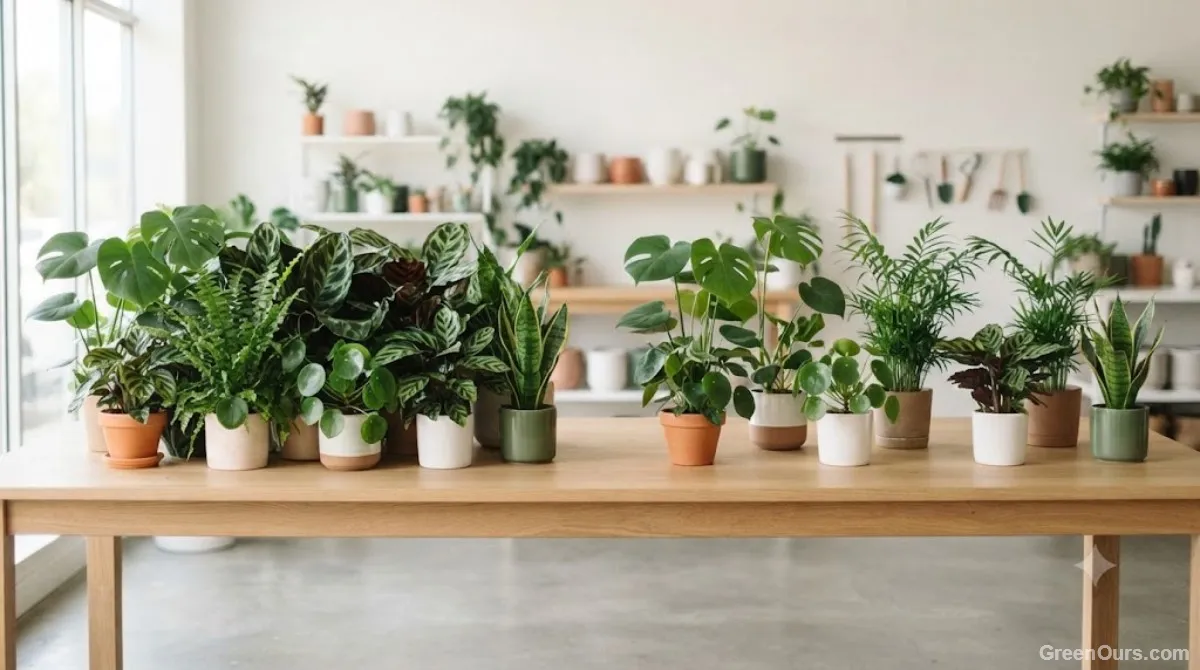
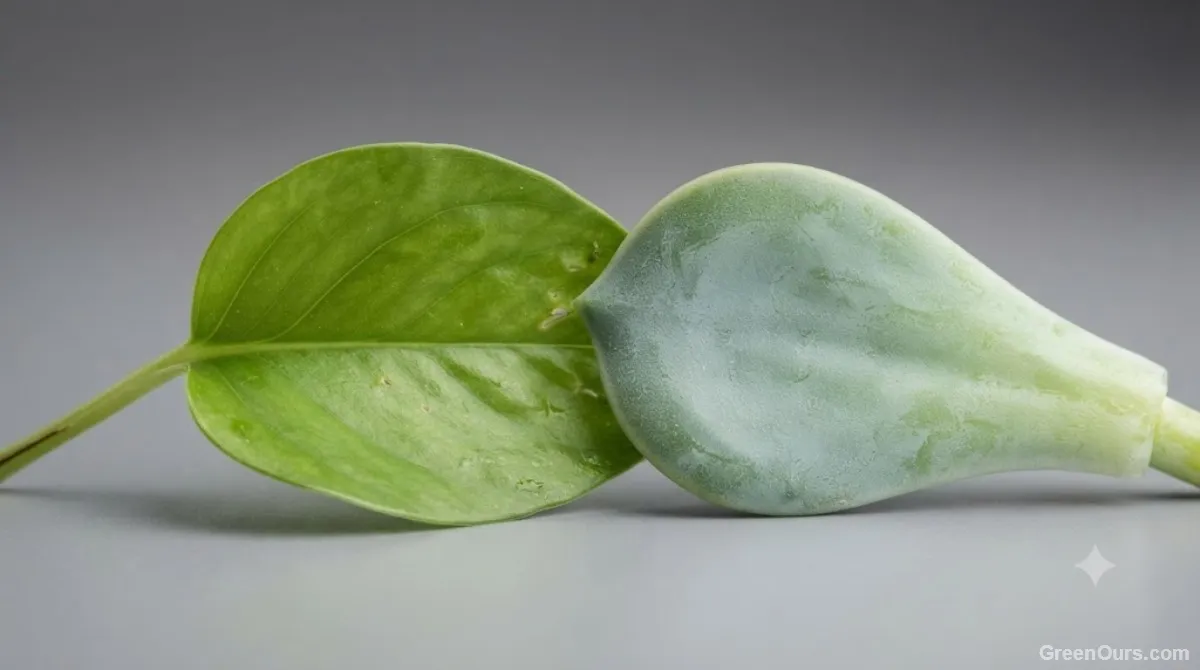
Some species are simply easier targets. Thin-leaved plants — pothos, peperomia, and many ferns — carry less protective cuticle on the leaf surface than a thick-leaved succulent or snake plant, so piercing pests get through faster. If your repeat offender falls into this category, expect to check it more often, not less.
This isn't a reason to avoid soft-leafed plants — it's a reason to inspect them on a shorter cycle. A weekly check of the leaf undersides takes under a minute per plant and catches a mite or aphid population while it's still small enough to wipe off with a damp cloth, long before it needs a full treatment.
Nutrient-Stressed Growth
A plant that hasn't been fed in 6+ months often pushes out weak, nitrogen-deficient growth that pests target specifically. Feed at half strength every 4 weeks during active growth, spring through early fall, and skip fertilizer entirely once growth slows in winter. Overfeeding stresses roots just as much as neglect does.
Nitrogen-deficient growth is easy to spot once you know the pattern: new leaves come in pale, smaller than the leaves below them, and slightly yellowed at the edges before the rest of the leaf catches up. That soft, undersized growth is exactly the tissue spider mites and aphids prefer, which is why a plant on an inconsistent feeding schedule tends to get hit again even after you've cleared an infestation.
The Troubleshooting Sequence
Work through this order rather than treating symptoms first. Fixing the underlying stress is what stops the cycle.
- Inspect the plant and everything within 3 feet under bright light, checking leaf undersides and stem joints.
- Compare its light exposure to healthy neighbors and move it if it's sitting in a noticeably dimmer spot.
- Check the roots for rot or root-bound congestion.
- Improve airflow by spacing pots out and adding gentle air movement.
- Review feeding history and correct under- or over-fertilizing.
- If pests return within 2 weeks of treatment, isolate the plant for a full growth cycle before returning it to the group.
Most repeat infestations resolve at step 2 or step 4 — root problems and airflow issues are the two most common hidden causes, ahead of light and feeding. Give each corrected factor a full 2-3 weeks before moving to the next one; plants don't recover from stress instantly, and jumping between fixes too quickly makes it hard to tell which change actually worked.
When Isolation Is the Right Call
If you've corrected light, water, airflow, and nutrition and pests still return within a month, isolate the plant for 6-8 weeks. Treat it on its own schedule with insecticidal soap or neem oil every 7 days, and keep it away from the rest of your collection until you see two consecutive weeks with no new activity.
Isolation works because it removes the plant from whatever shared environmental factor might be reinforcing the problem, even one you haven't identified yet. Keep it in a separate room if you can, use a dedicated set of tools or gloves when you handle it, and resist the urge to move it back early just because it looks improved after a week — a mite population can rebound fast once treatment stops.
What to Do Next
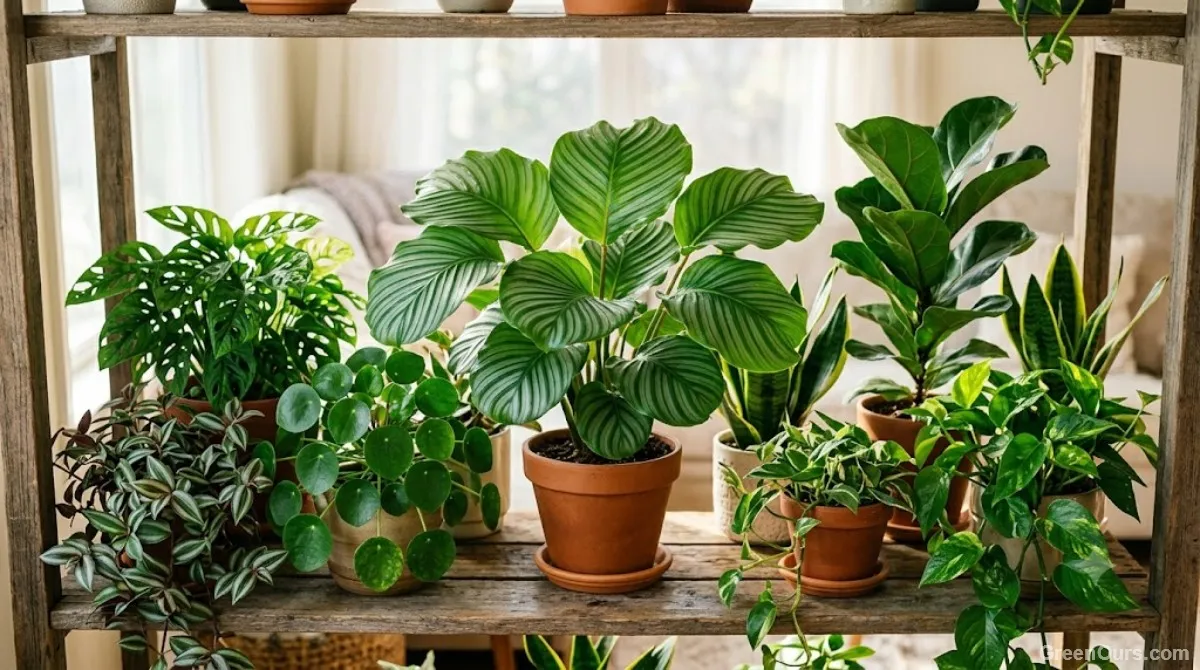
That's the real answer to why one houseplant keeps getting pests while the rest of your collection stays clean: something about its light, water, airflow, or nutrition is different from the plants around it. Find that difference, correct it, and the pattern breaks.
Once you've sorted out the light, water, and airflow, the rest of your pest routine gets a lot easier — check back for more diagnostics as new issues come up.