
Identifying the Problem
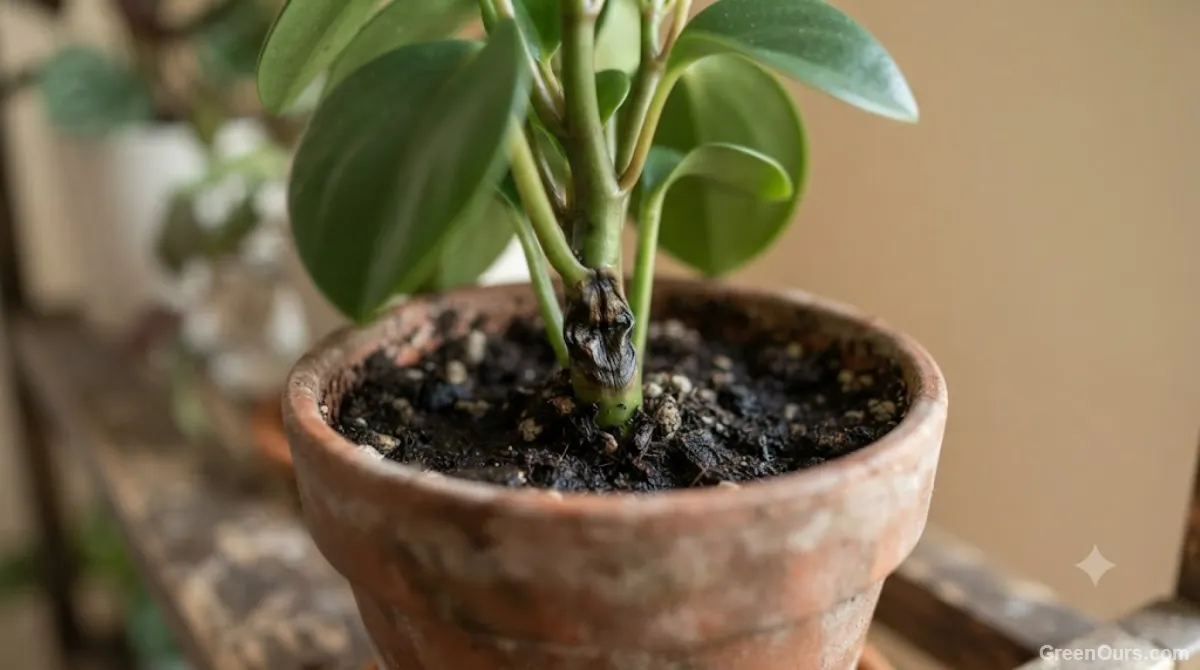
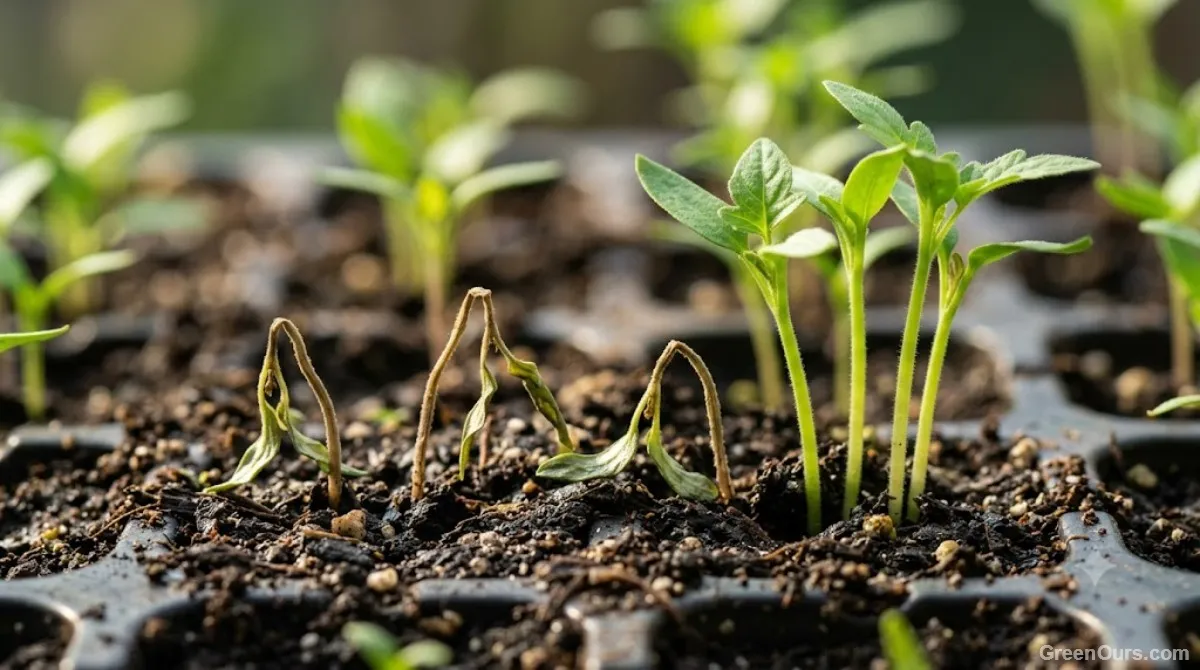
Damping off has a specific look, and it's worth learning to recognize immediately, because speed matters here. The stem thins and darkens right at the soil line — a water-soaked, almost translucent band that looks nothing like the rest of the plant. The seedling topples over, often still green above the collapse point, because the top hasn't died yet. It just has nothing holding it up anymore.
This is different from a seedling that's simply wilting from dry soil. A thirsty seedling droops evenly, from the tip down, and perks back up within hours of watering. A damped-off seedling doesn't perk up. The stem is compromised, not the leaves, and no amount of water fixes a pinched, rotted base.
You'll usually see it start in one or two cells or spots in a flat, then spread outward within 24 to 48 hours. That spread pattern is a signal on its own — damping off moves through a tray the way a spilled liquid moves through fabric, following moisture and contact between crowded stems.
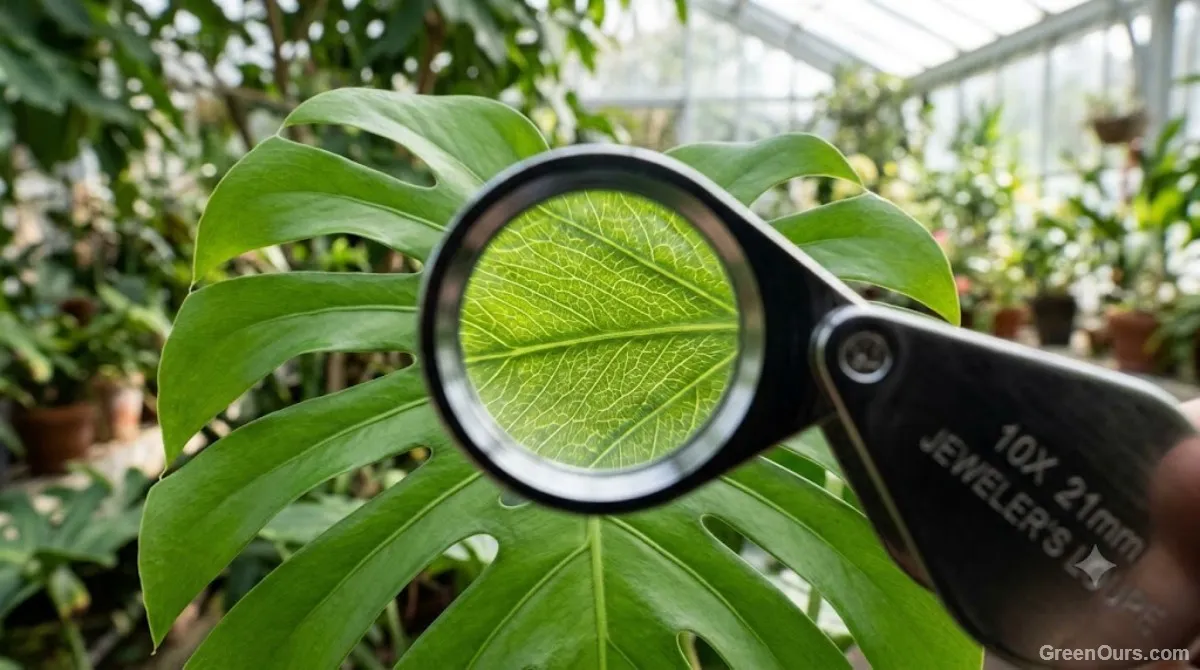
Check the stem base with a magnifying glass if you're unsure. Damping off shows a distinct constriction and dark, wet discoloration exactly at soil level. Stress from heat or nutrient issues shows up in the leaves first, not the stem.
What's Causing It
Three conditions combine to create a damping off outbreak. Remove any one of them and the risk drops sharply.
Fungal Pathogens Already in the Soil
Pythium and Rhizoctonia are common in garden soil, compost, and reused potting mix. They're not rare invaders — they're often already present at low levels, waiting for the right conditions to multiply. Unsterilized soil is the single biggest risk factor in home seed starting.
Excess Moisture at the Soil Surface
These fungi need consistently wet conditions to thrive. Overwatering, poor drainage, and humidity domes left on too long all keep the surface layer saturated, which is exactly where seedling stems sit.
Poor Air Circulation
Still, humid air around dense seedling growth creates a microclimate that never dries out between waterings. Combine that with crowded cells touching each other, and fungal spores move from stem to stem with almost no resistance.
Can You Save a Seedling With Damping Off?
Realistically, no. Once the stem tissue collapses, the plant can't take up water or nutrients through that point anymore, and it won't recover. Pulling affected seedlings quickly isn't about saving them — it's about protecting the ones next to them. Remove collapsed seedlings and the surrounding soil as soon as you spot them, and don't compost that soil back into your seed-starting supply.
Preventing Damping Off: Step by Step
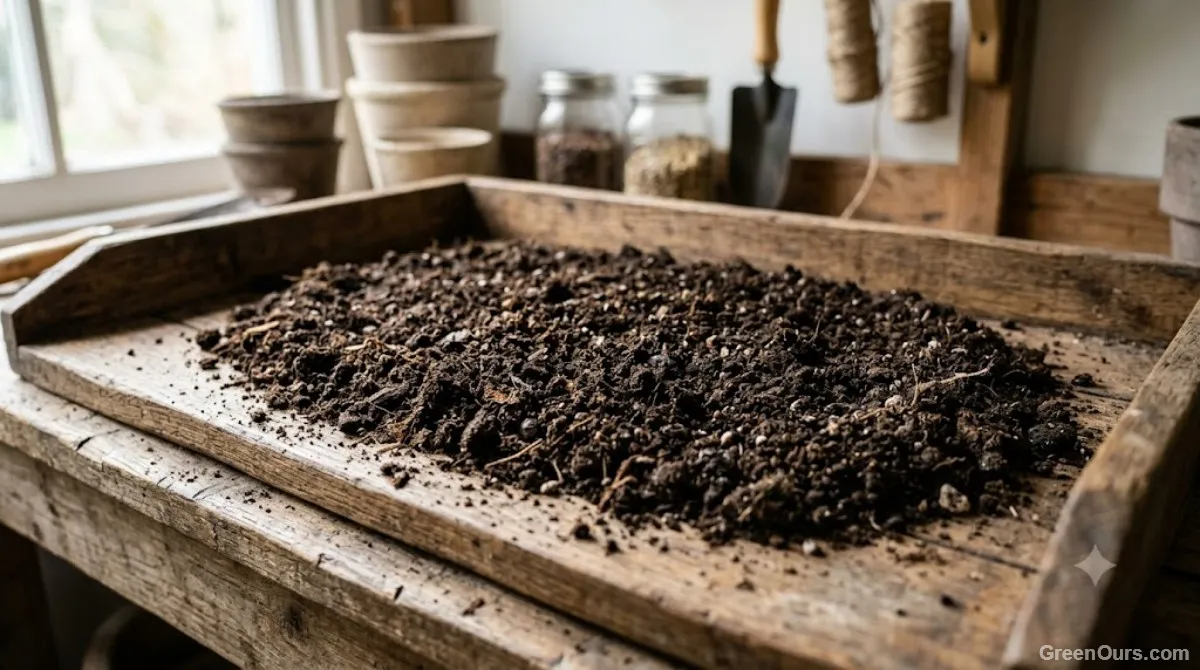
- Start with sterile seed-starting mix, not garden soil or reused potting mix. If you're reusing trays, wash them in a 1:9 bleach-to-water solution and let them air dry completely.
- Sow at the recommended spacing for the tray size. Crowded cells mean stems touching stems, which is how fungal spread accelerates.
- Water from the bottom whenever possible. Set trays in a shallow tray of water for 10 to 15 minutes and let the mix wick moisture up, keeping the surface drier than the root zone.
- Remove humidity domes as soon as germination is complete — usually within 5 to 10 days depending on the crop. Domes trap moisture right at stem level long after seedlings need that humidity.
- Run a small fan on low, angled across the trays, for a few hours a day once true leaves appear. Gentle air movement dries the surface between waterings and strengthens stems.
Setting Up Your Next Batch for Success
Sterilizing Your Setup Between Rounds
If you've had a damping off outbreak, treat it as a signal to reset your whole seed-starting setup, not just the affected tray. Wash trays and tools, replace the growing mix entirely, and avoid reusing water that's sat in a tray with affected seedlings.
Airflow as a Standing Habit
Don't wait for symptoms to introduce airflow. A fan running on a timer from the moment seedlings emerge is one of the lowest-effort, highest-impact changes you can make. It costs almost nothing and addresses the exact condition damping off depends on.
Fix the setup, not just the symptom.
Damping off is unforgiving toward the seedlings it's already claimed, but it's genuinely one of the more preventable problems in seed starting. Sterile mix, sensible spacing, bottom watering, and a fan running for a few hours a day will take care of the conditions that let it start in the first place. Lose a tray once, adjust the setup, and it's unlikely to happen again.