
Why Reused Mix Isn't Automatically Safe
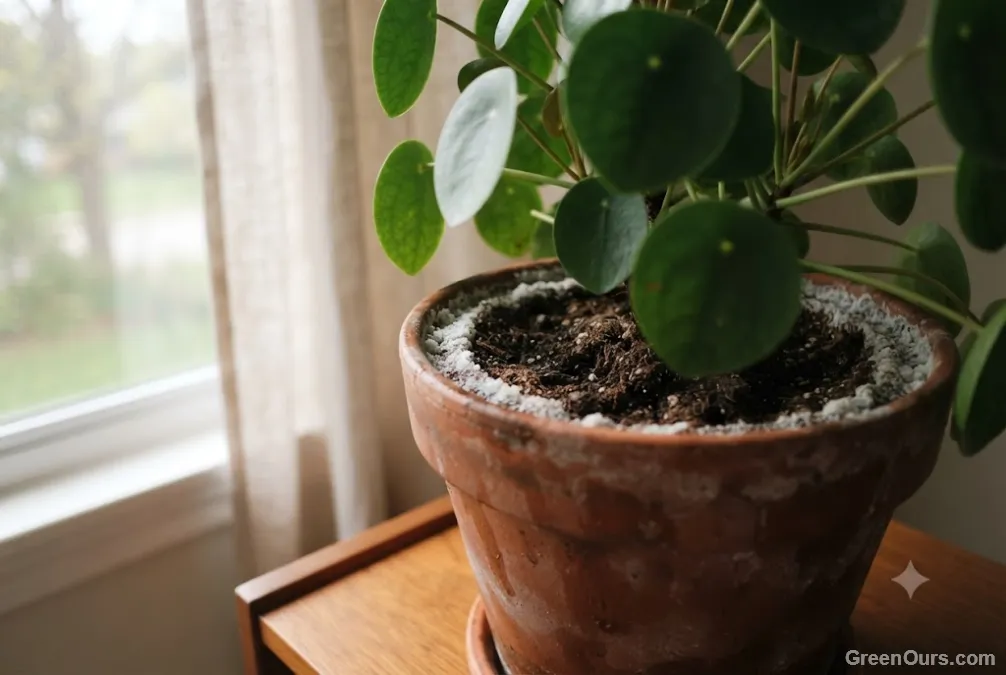
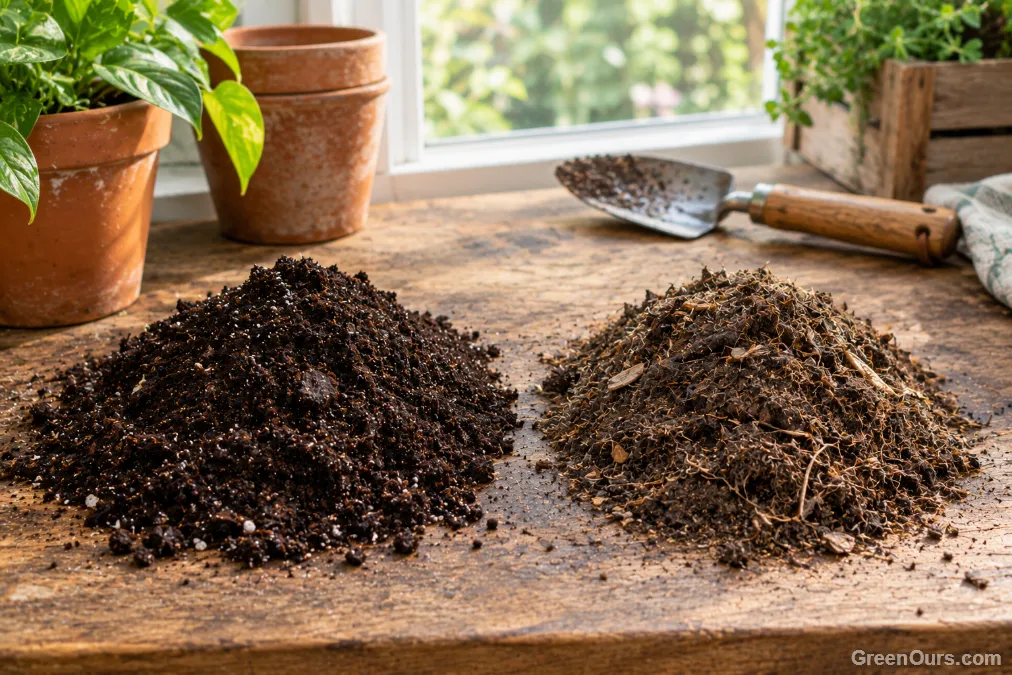
Potting mix does three jobs: it anchors roots, holds moisture at a workable rate, and supplies nutrients. All three degrade with use. Organic components break down and compact. Nutrients get consumed by the previous plant and never fully replenish on their own. And if the previous plant had a pest or pathogen problem, the mix can hold onto eggs, spores, or dormant fungal structures long after the plant is gone.
None of that makes reuse impossible. It makes reuse conditional. If you're wondering whether you can reuse potting soil safely, the mix has to pass an inspection first.
Step 1: Inspect for Pests and Their Eggs
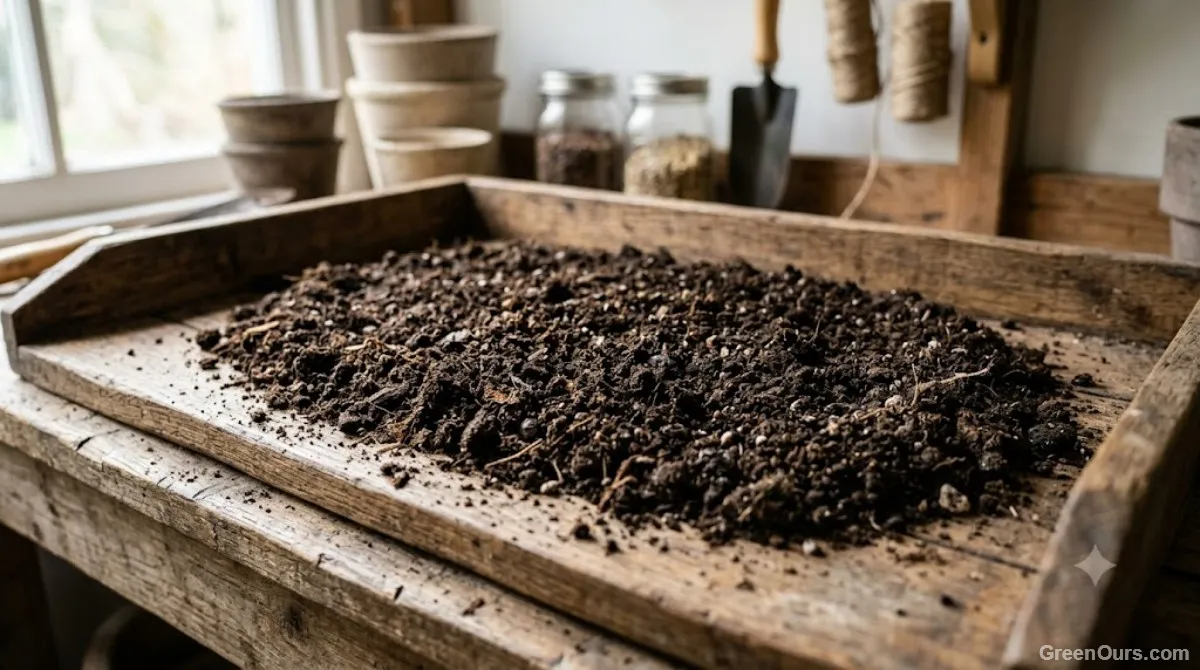
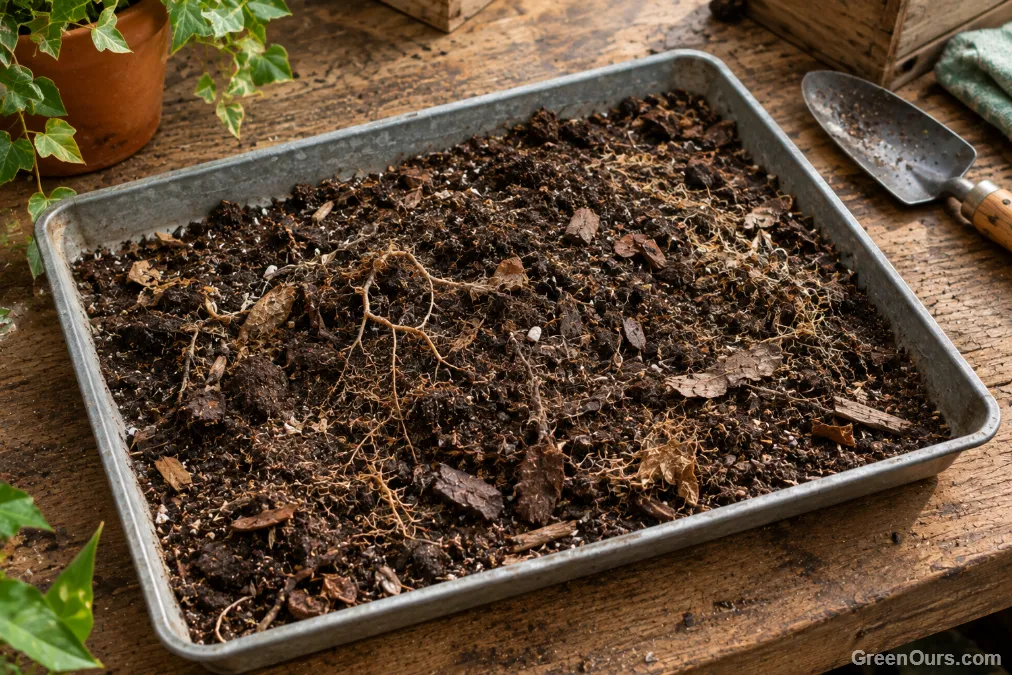
Spread the mix out in a thin layer — a tarp, tray, or wheelbarrow works. Break up clumps by hand. You're looking for three things:
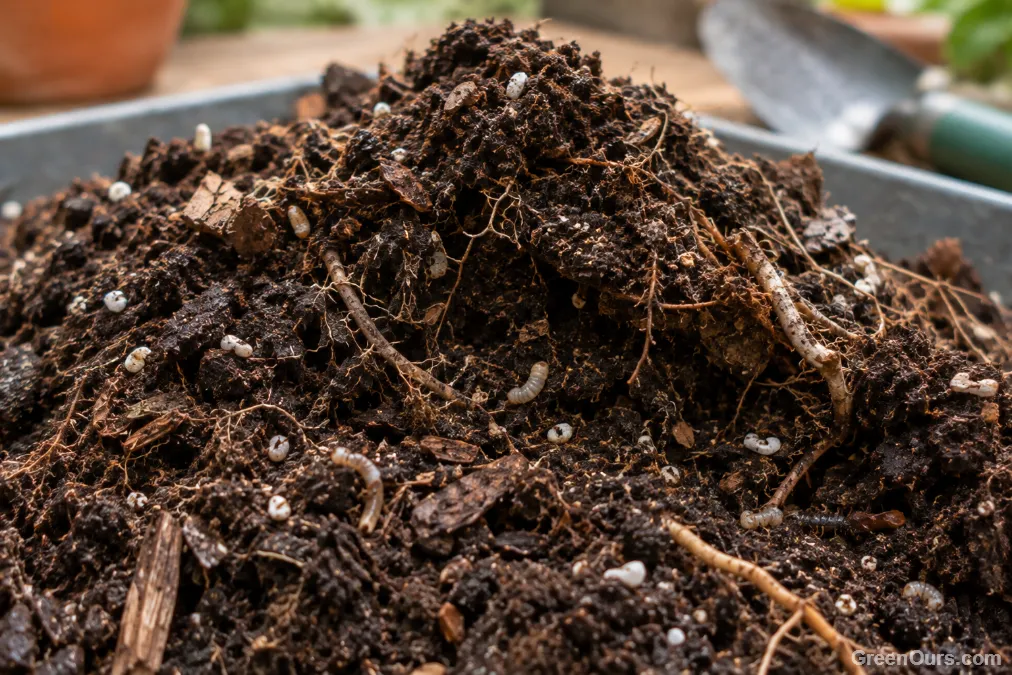
- Small white or tan larvae, often near the surface or clustered around old root fragments
- Fine white webbing, which points to spider mites that dropped off the previous plant
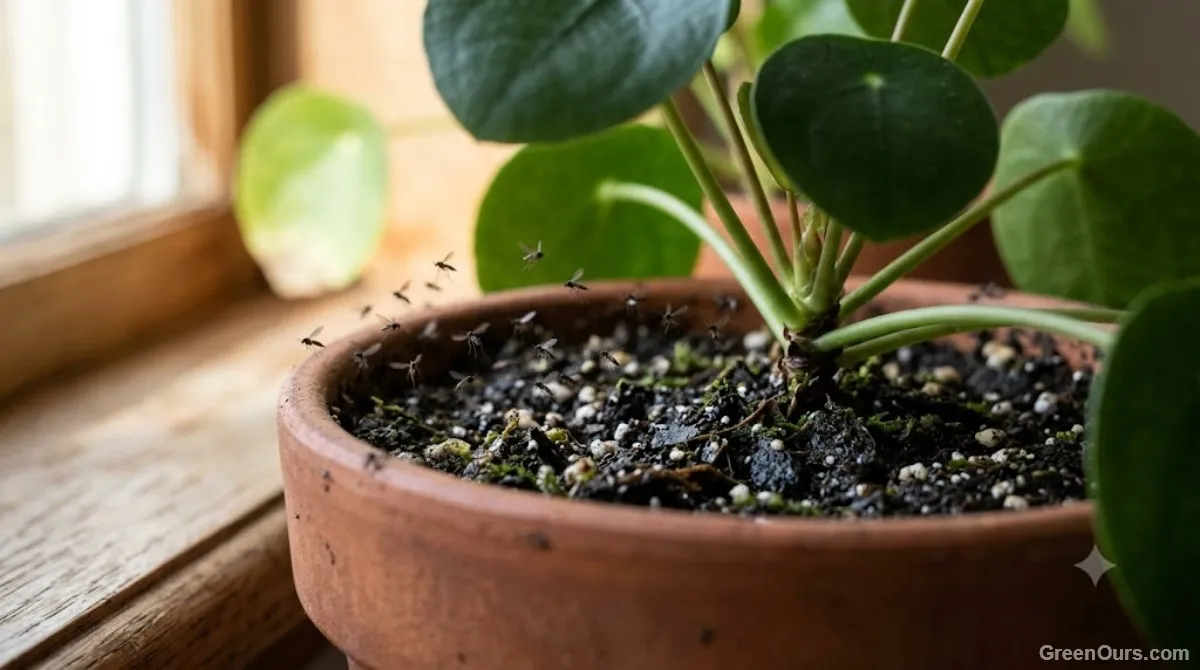
- Tiny black flies or their larvae in the top inch, a sign of fungus gnats
Fungus gnat larvae are the most common finding, and they're persistent. They lay eggs directly in moist organic matter, and those eggs survive in the mix even after the adult flies are gone. If you see any pest activity at all, don't reuse the mix as-is. Sterilizing can address gnat larvae specifically, but for mites or unidentified larvae, starting fresh is the safer call.
Step 2: Check for Disease History
Think back to the plant that grew in this mix. If it died from an identifiable disease, the soil is a liability, not a resource. Specific red flags:
Root Rot
If roots came out black, mushy, or foul-smelling, the mix likely harbors Pythium or Phytophthora — water mold pathogens that persist in soil without a host plant. Don't reuse this mix for any plant, especially not a moisture-sensitive one.
Fungal Leaf or Stem Disease
If the plant showed leaf spot, powdery mildew, or stem rot before it died, some fungal spores can survive in dry soil for months. This is lower risk than root rot, but still worth avoiding for susceptible plants.
Unexplained Decline
If the plant just slowly failed and you never identified why, treat that as a caution flag rather than a clean bill of health. Unexplained decline is often nutrient exhaustion, but it can also be a low-grade pathogen you never diagnosed.
Quick rule: if you can trace the plant's death to a soil-borne pathogen — root rot, damping off, verticillium — discard that mix entirely. Sterilizing won't reliably eliminate every dormant spore, and the risk to your next plant isn't worth the savings.
Step 3: Assess Nutrient Depletion
Assuming the mix passes the pest and disease checks, the next question is whether it still has anything left to offer a new plant. A few practical signs of depletion:
- The mix feels lighter and finer than it did originally, with less visible structure
- Water runs through fast, without holding moisture the way it used to
- The previous plant showed slow growth or pale leaves toward the end, unrelated to light or watering
None of these disqualify the mix from reuse. They just tell you it needs amending before it goes back into a pot. Mix that's structurally sound but nutrient-poor is the easiest case to solve — it just needs reinforcement, not replacement.
Refreshing Mix That Passes Inspection
For mix that's clear of pests and disease, here's the refresh process:
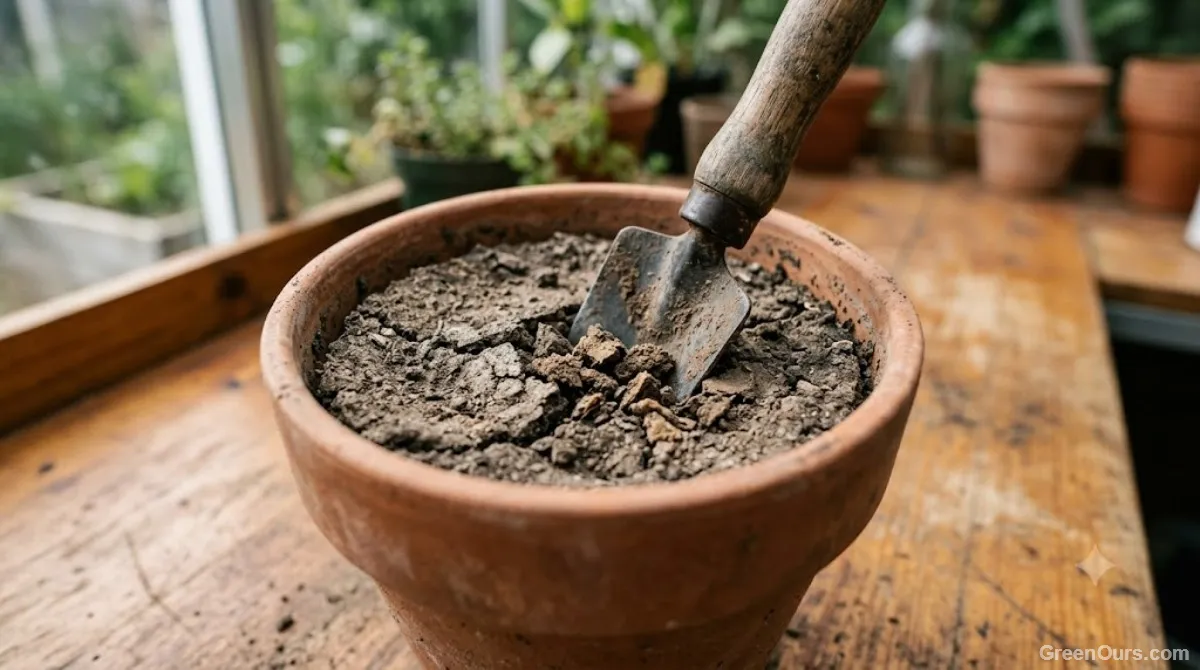
- Break up any compacted clumps by hand or with a hand fork
- Mix in 25–30% fresh compost or fresh potting mix by volume to restore organic content and nutrients
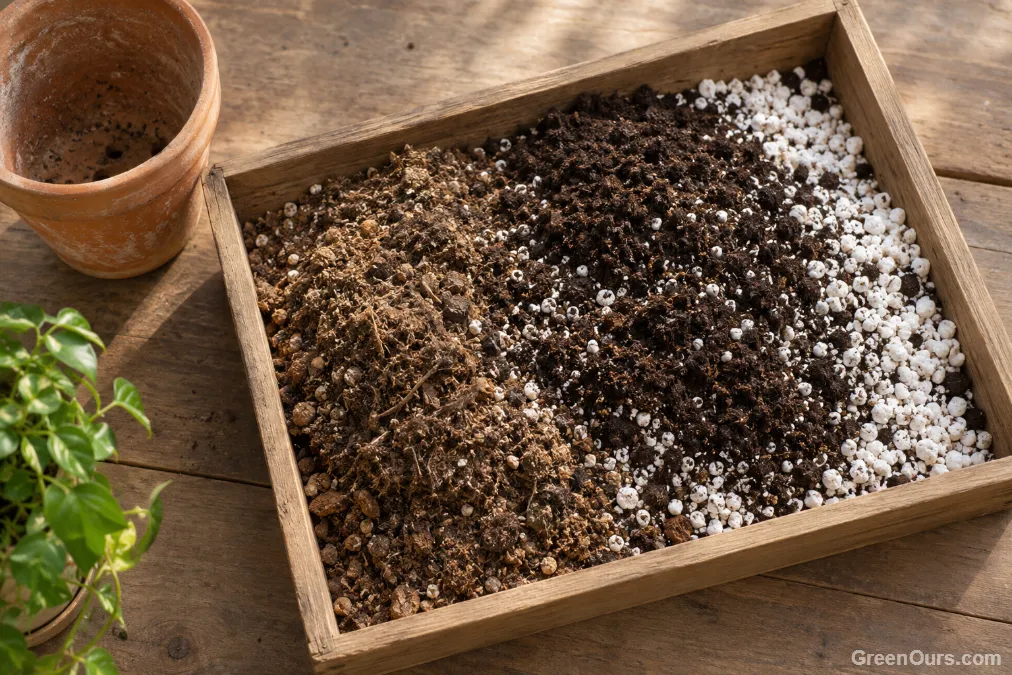
- Add perlite or coarse sand if the original mix has compacted, to rebuild drainage and aeration
- If pests were a minor concern (a few fungus gnat larvae, nothing else), solarize the mix in a sealed clear bag in direct sun for two to three weeks before amending, or bake small batches at 180°F for 30 minutes to kill larvae and eggs
When to Just Start Fresh
Skip reuse entirely in these cases:
- The previous plant died from root rot or another soil-borne disease
- You're potting a seedling, cutting, or any plant with limited root reserves — young plants have less tolerance for compromised soil
- The mix smells sour, sulfuric, or otherwise off, even after drying
- You can't confidently identify what killed the last plant
A bag of fresh mix costs less than replacing a plant that succumbs to a pathogen you could have avoided. When in doubt, don't reuse it.
What to Do Next
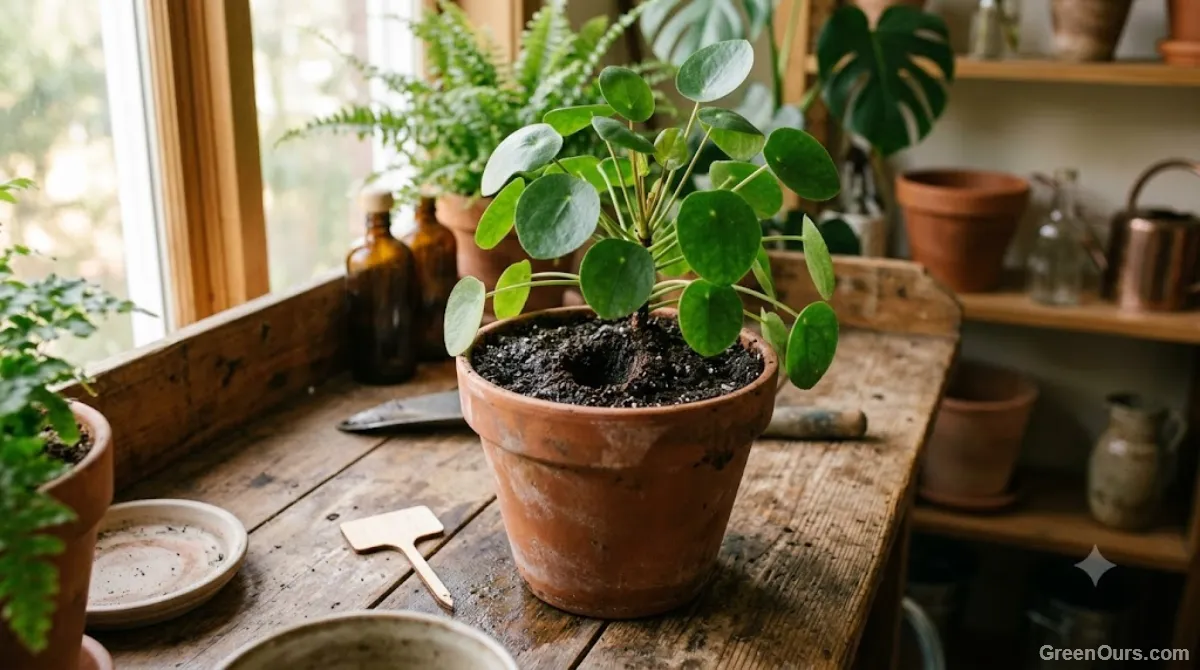
Reusing potting mix isn't a shortcut you take on faith — it's a decision you make after a five-minute inspection. Pass the checklist, amend what's missing, and the mix earns another season in your containers. Fail it, and the compost bin is doing you a favor.
Check your soil before every reuse — it takes five minutes and can save a plant.