
The Growth Slowdown Most People Miss
Most advice focuses on what to do once a plant is already in visible trouble: yellow leaves, crispy tips, that unmistakable droop. Useful, but it arrives late. The good news is that plants give off warning signs well before any of that, and you'll start noticing them almost without trying.
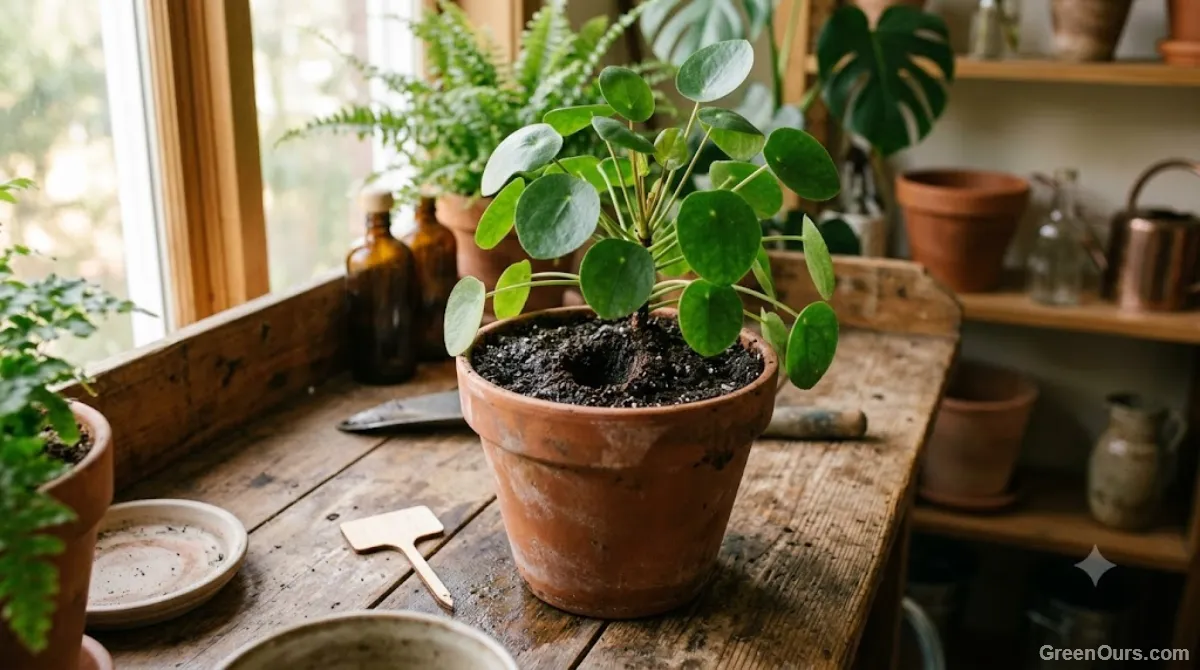
The very first sign is usually the least dramatic one. New growth simply stops showing up, or arrives smaller than what came before. If your pothos was pushing out a leaf every week or two and suddenly goes quiet for a month, that's information. Plants put survival ahead of expansion, so growth is often the first thing they pull back on when light, water, root space, or nutrients aren't quite right.
The tricky part is that this sign needs a baseline. You can't spot a slowdown if you weren't watching the pace, so ask yourself a simple question: is this plant doing roughly what it was doing a month ago?
When New Growth Looks Different
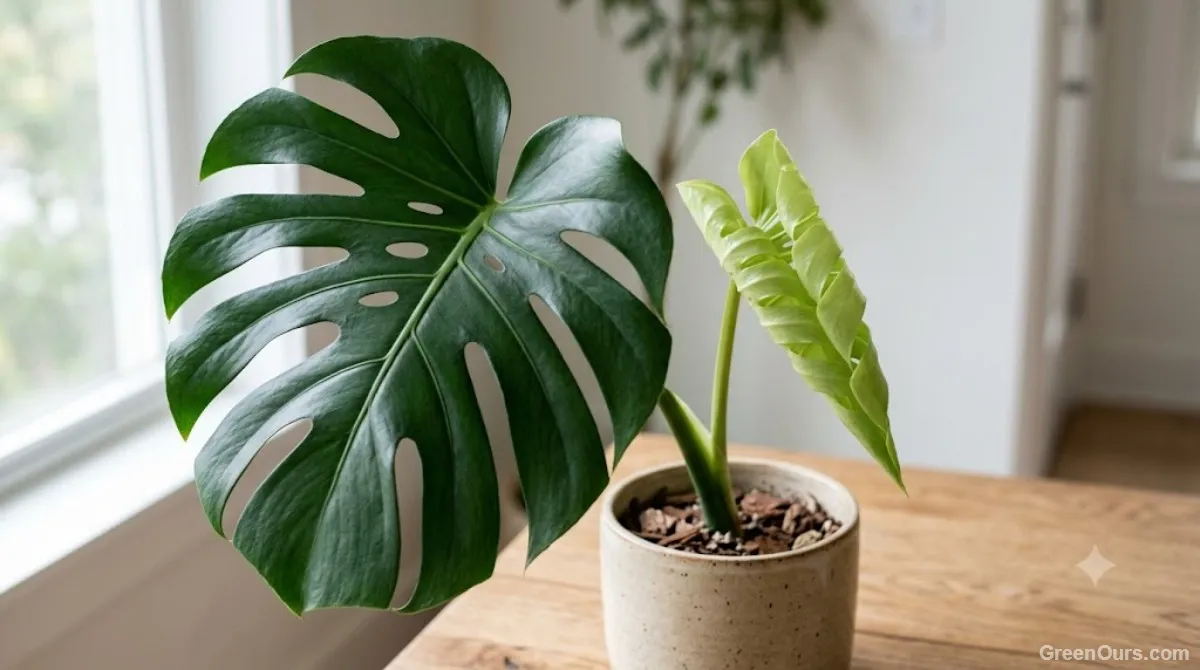
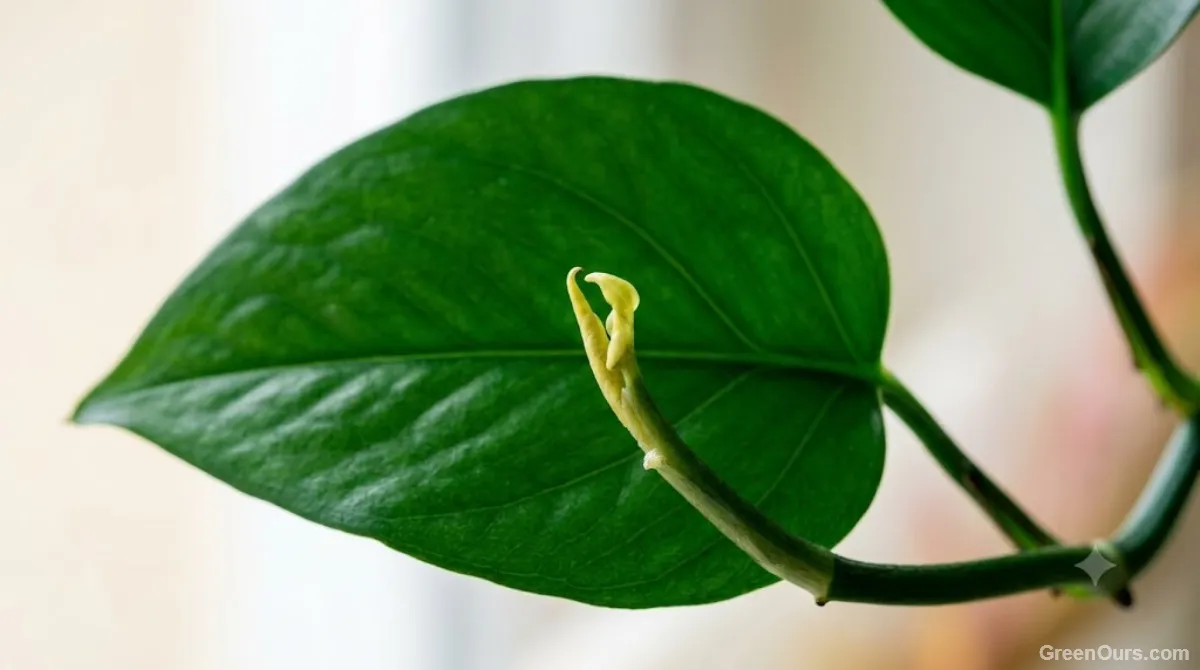
Sometimes growth doesn't stop, it changes. A new leaf that unfurls noticeably smaller, paler, or a bit misshapen compared with the ones before it deserves a second look. Low light, inconsistent watering, and cramped roots can all cause this, though pests can produce similar effects, so treat it as a reason to look closer rather than a diagnosis.
What Counts as a Normal Slowdown
Not every pause is a warning. Most houseplants slow down in fall and winter as daylight shortens, and that's just the plant following its seasonal rhythm. The signal worth noticing is a slowdown outside that window, especially in spring or summer when the plant should be actively growing.
What to Try First
When growth stalls unexpectedly, resist the urge to change everything at once. Check one thing at a time: has the light shifted because of the season or a piece of furniture blocking the window, and has watering drifted from what the plant is used to? Small corrections tend to work better than a dramatic overhaul.
If you're not sure whether growth has slowed, snap a quick photo of your plant every few weeks. Glancing back at the last one will show you the difference faster than memory will.
Reading Color Before It Becomes Yellowing
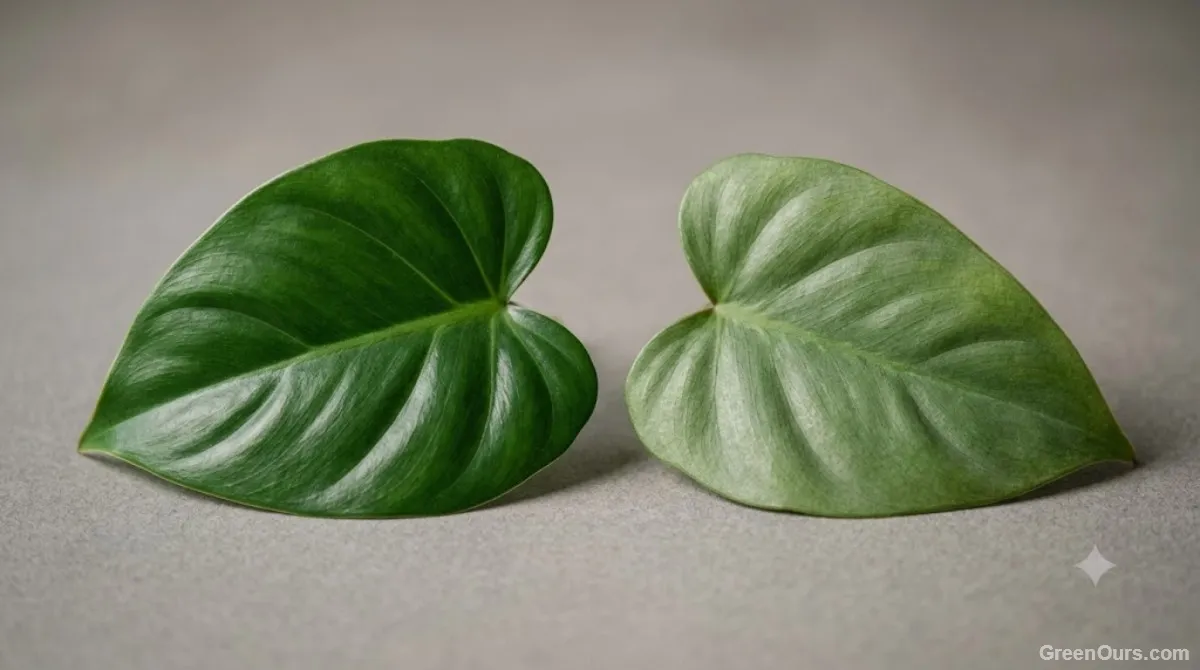
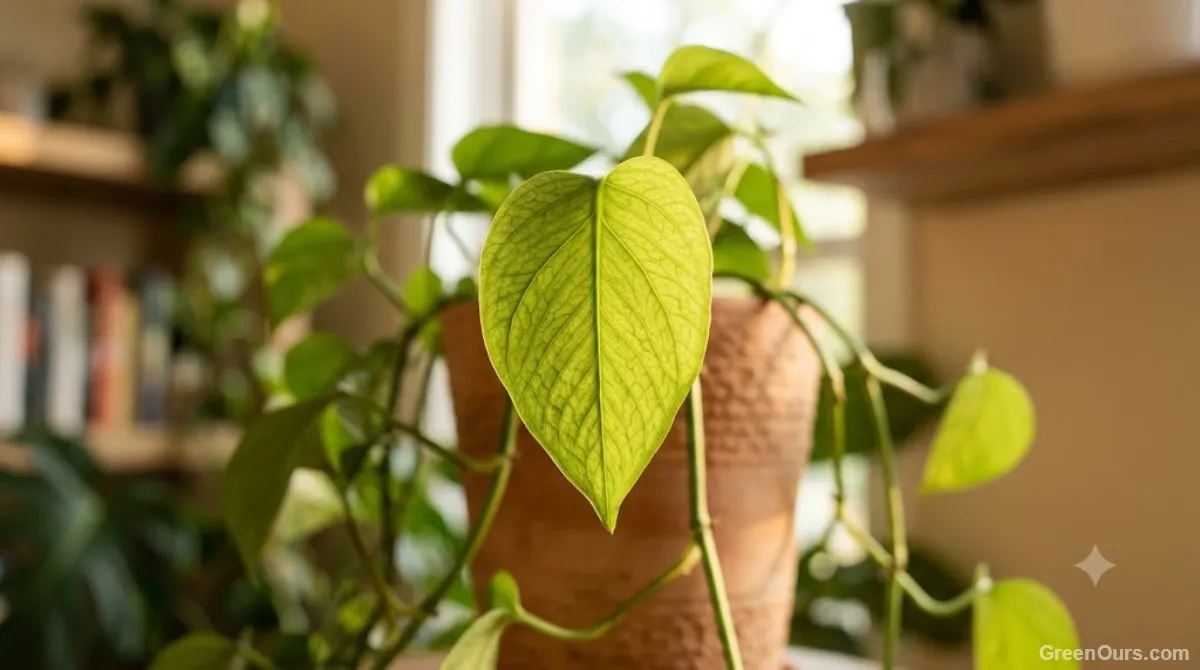
Color often shifts gradually before a leaf ever turns yellow. A rich, saturated green starts looking a touch flatter or duller, almost like the color's been turned down slightly on a screen. It's easy to dismiss because nothing looks obviously wrong yet.
Dulling can point to a few things: not quite enough light to keep chlorophyll production strong, a nutrient running low, or roots struggling to take up what they need. At this stage the exact cause matters less than treating the change as a nudge to look closer, rather than reaching straight for fertilizer or a bigger pot.
Yellowing itself needs a little context. An older, lower leaf yellowing and dropping now and then is normal aging. What deserves attention is unexpected yellowing: on newer or middle leaves, on several leaves at once, or spreading faster than usual.
How Leaves Curl and Angle When Something's Off
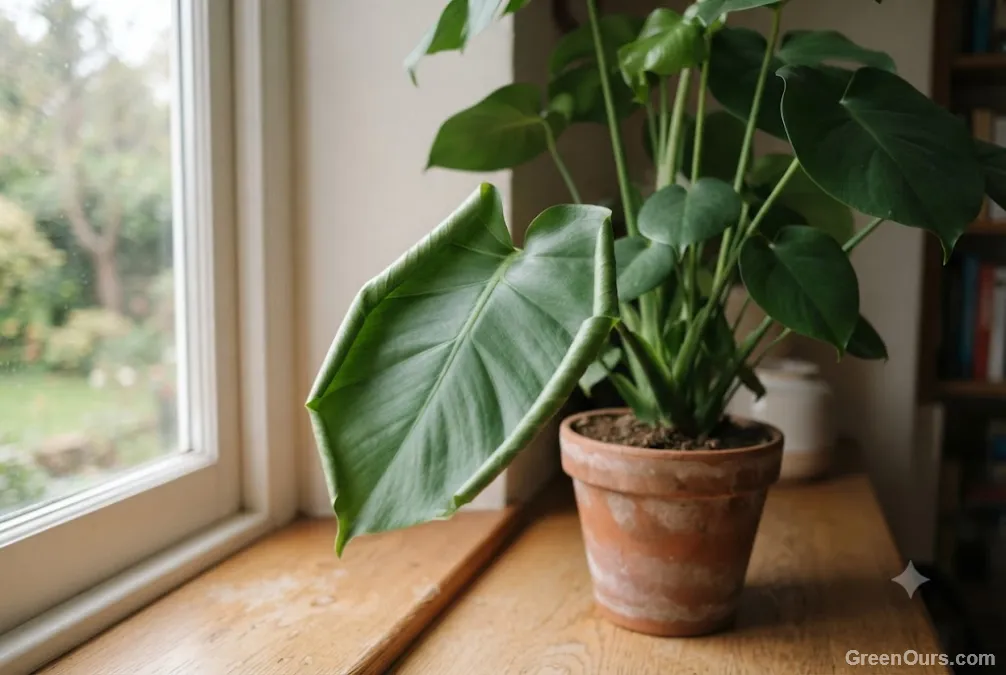
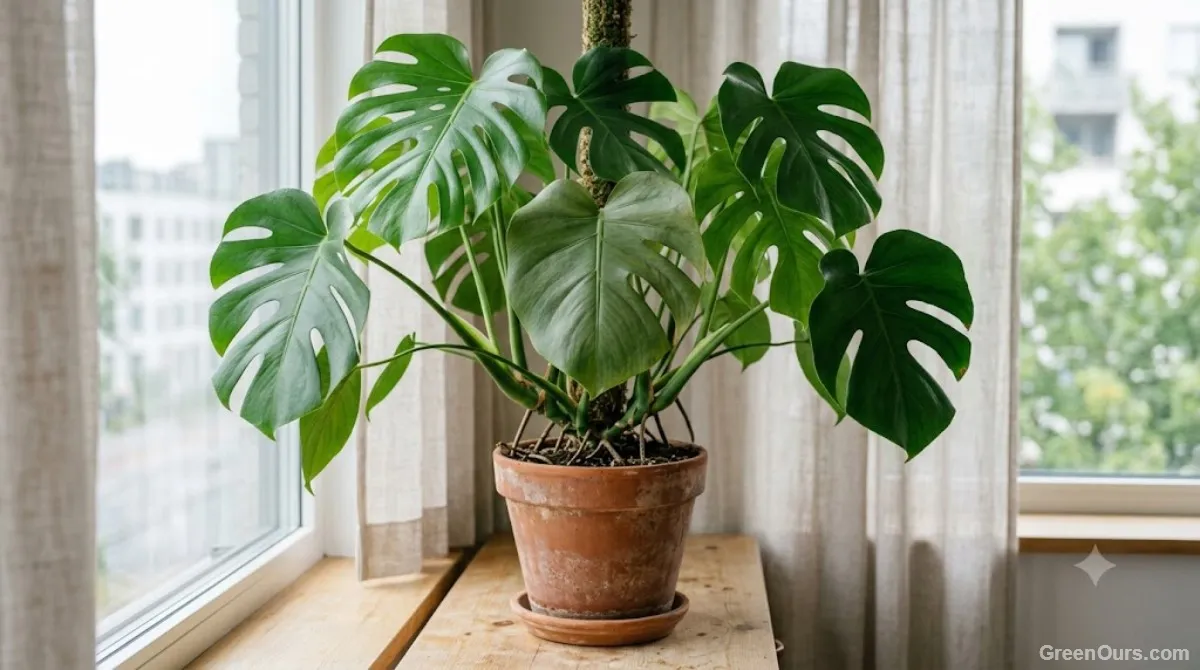
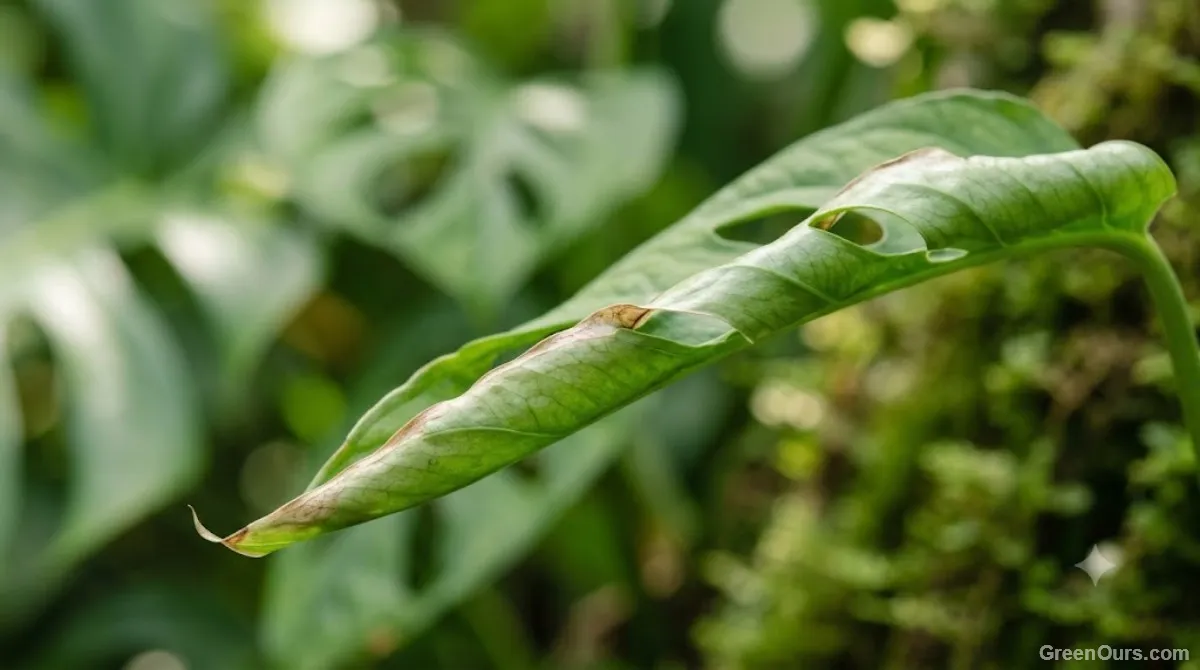
Leaf posture tells you almost as much as color does, and it usually changes before wilting sets in. Watch for leaves that start angling downward at the stem, or edges that begin curling inward instead of lying flat. Often that's the plant reducing its surface area to lose less water, a defensive move that happens well before the all-over droop most people associate with a thirsty plant.
Curling on its own doesn't diagnose anything, and most small adjustments are harmless. What matters is a pattern that persists for days, rather than a one-off shift after you moved a plant to a new spot.
Cold and Draft Curling
Leaves near a drafty window in winter sometimes curl or feel cooler to the touch than leaves elsewhere on the same plant. Moving the plant even 30 cm (1 ft) away from the glass can make a noticeable difference within a week.
Underwatering Curl vs. Overwatering Curl
Underwatered leaves tend to curl inward and feel slightly thinner or papery at the edges. Overwatered leaves are more likely to feel soft or a little swollen before any curling starts, often alongside that dulling color. Feeling the leaf, not just looking at it, adds real information here.
Leaning Toward the Light
If a plant starts leaning noticeably in one direction, or new stems stretch further between leaves than they used to, it's telling you the light isn't quite enough where it sits. A quarter turn of the pot each week keeps growth even, and a spot closer to the window may help.
Soil That Stays Wet Longer Than Usual
This one hides below the surface. If a pot that normally dries out in about a week is still damp after ten days, something has changed: less light, cooler rooms, or roots that aren't drawing water the way they were.
Soil that stays soggy for long stretches leaves roots short of oxygen, which is how root rot gets started. The good news is that at this early stage the fix is often just waiting longer between waterings. Check moisture the way that suits the plant in front of you: many tropical foliage plants like the top few centimeters to dry out, succulents want the whole pot dry, and ferns prefer to stay lightly moist. A finger pushed into the soil tells you far more than a calendar does.
A Two-Minute Stress Check
You don't need a formal routine, just a quick look that takes less time than making coffee. Once a week, when you're already standing near your plants, look for change rather than perfection.
- Is the newest growth the usual size and color?
- Has any leaf gone duller, changed angle, or started to curl?
- Does the soil dry at its usual pace?
- Is anything leaning or stretching toward the light?
You'll still miss things sometimes, and plants are forgiving in ways that reward attention even when it comes a little late. Each early signal you catch builds confidence, until you stop second-guessing every slightly different leaf.
What to Do Next
Pick one plant this week, maybe your favorite or the one you've been quietly worried about. Look at its newest growth, its color, and the angle of its leaves, and if something feels off, change just one thing and give it a couple of weeks before judging.
The plants that seem to thrive effortlessly usually aren't the ones that never struggle. They're the ones whose owners caught the small stuff early enough that it never became big stuff. That's a skill, not luck, and it gets easier every time you practice it. Which plant will you start noticing first?
Ready to keep learning your plants' language?