
Read the Curl Direction First
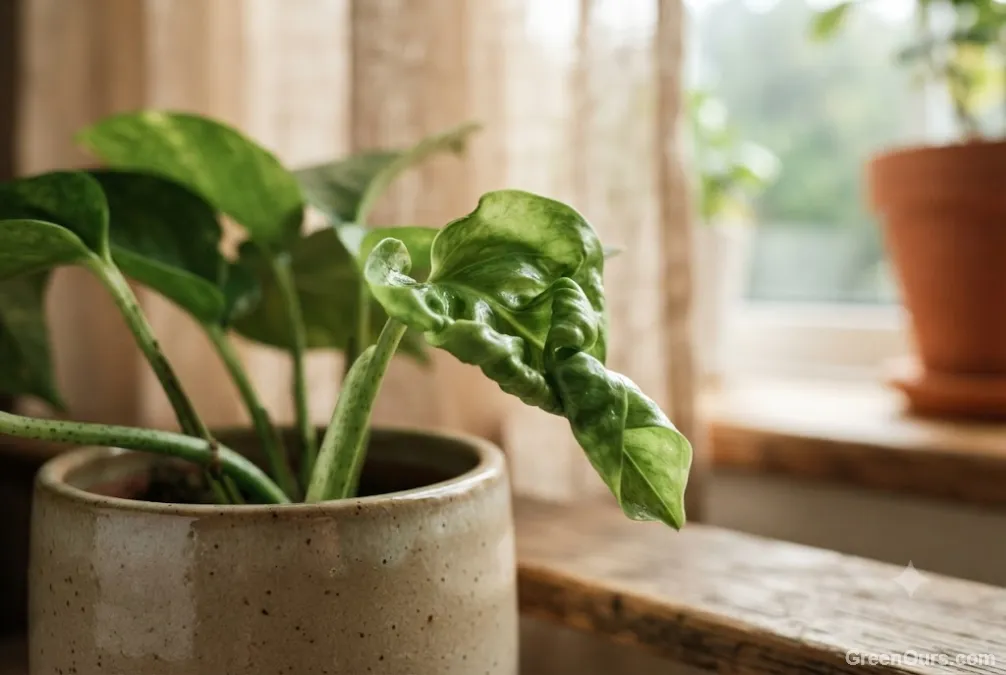
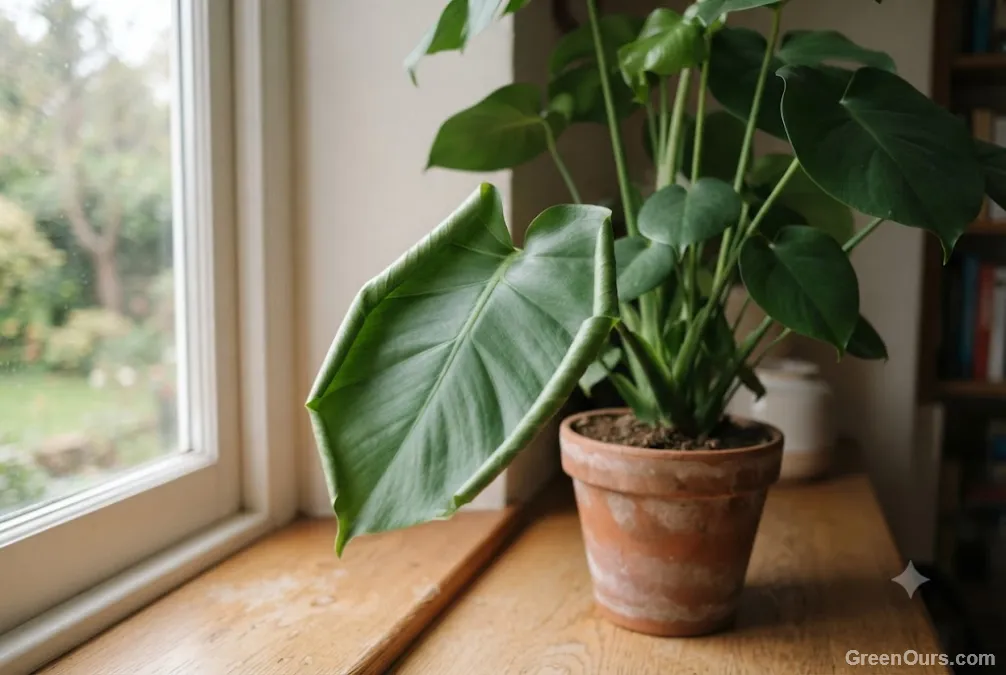
Not all curling looks the same, and the difference matters. Upward cupping, where leaf edges curl toward the top surface, usually signals sap-sucking pests working the underside. Downward curling, where edges roll toward the soil, points more often toward heat stress or chemical exposure. Inward rolling along the midrib is the signature of thrips damage and some viral infections. Twisting or puckering across the whole leaf, rather than just the edges, suggests broad mites or herbicide drift.
Check three things before reading further: which direction the leaf is curling, whether new growth or old growth is affected first, and whether the distortion comes with a color change. These three data points narrow nine possible causes down to two or three within a minute, before you spend a week treating the wrong thing.
Four Pests That Cause Curling
Aphids
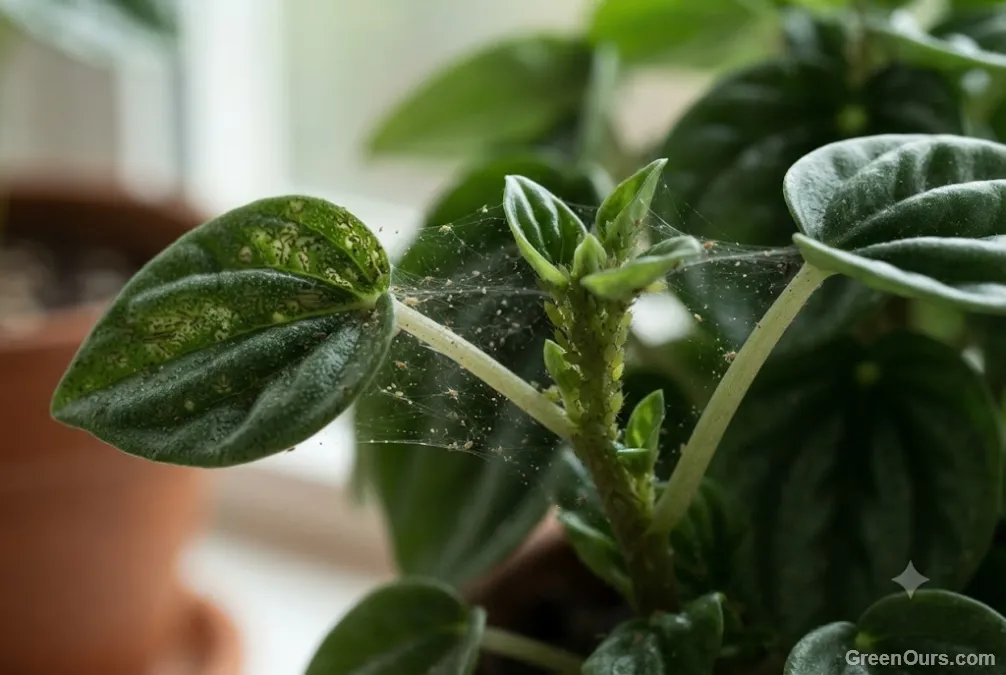
Aphids cluster on new growth and the undersides of young leaves, feeding on sap and injecting saliva that disrupts normal cell expansion. The result is upward cupping on the newest leaves, often combined with a sticky residue called honeydew. Populations can double in 7 to 10 days at room temperature, so a light infestation becomes a heavy one within two weeks. Check the growing tip and the first two sets of leaves behind it — that's where aphids concentrate first.
First action: spray affected growth with a strong stream of water to knock the colony off, then follow with insecticidal soap every 5 to 7 days for three applications.
Spider Mites
Spider mites cause a stippled, dry curl rather than a soft cupping. Leaves take on a bronze or silvery cast before curling downward at the tips. Fine webbing across leaf joints is the confirming sign, though it only appears once populations are established. Mites thrive in air below 40% humidity and reproduce fastest above 27°C, which is why infestations spike during dry summer heat and near heating vents in winter.
First action: raise humidity around the plant and wipe leaves with a damp cloth to physically remove mites, then treat with a miticide or neem oil if webbing is already visible.
Thrips
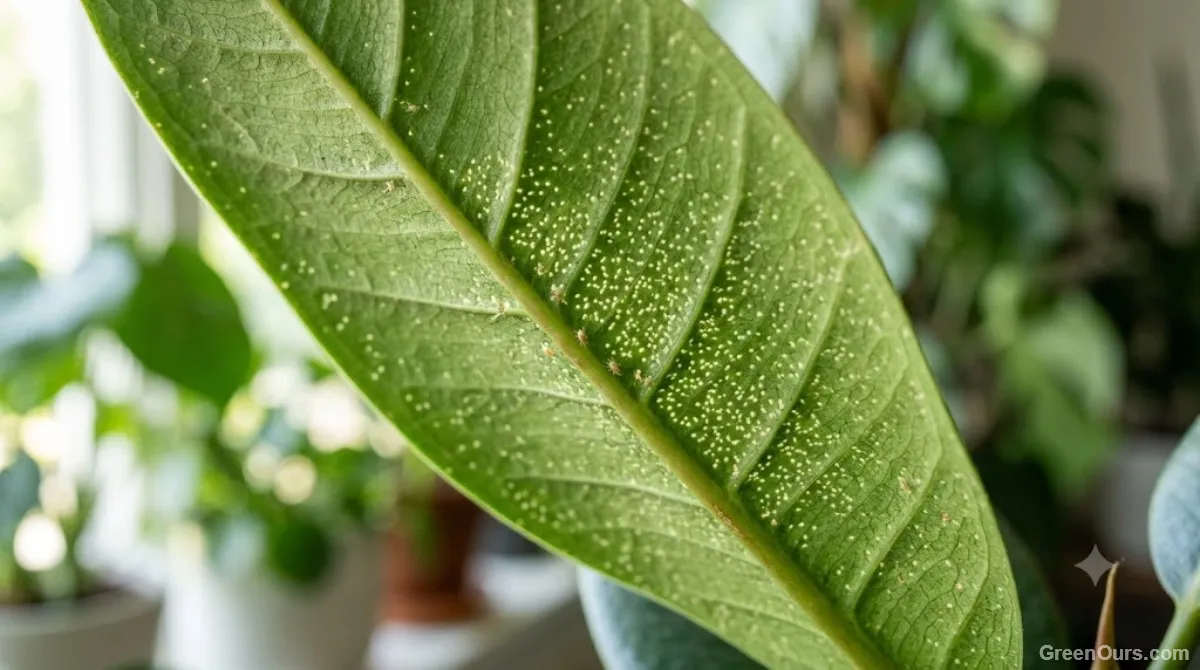
Thrips feed by scraping leaf surfaces and drinking the released sap, leaving silvery streaks flecked with small black droppings. Damaged leaves roll inward along the midrib as the scraped tissue dries faster than the healthy tissue around it. Thrips move quickly and are easy to miss — shake a suspect leaf over white paper and look for slender, pale-yellow insects moving within seconds.
First action: isolate the plant, remove the most damaged leaves, and apply a targeted insecticide labeled for thrips, repeating after 7 days to catch the next generation hatching from eggs laid in the leaf tissue.
Broad Mites
Broad mites are too small to see without magnification, but their damage is distinctive: new leaves emerge twisted, thickened, and curled downward, with a bronzed or glassy texture. Unlike spider mites, broad mites leave no webbing, which is why this damage is frequently misdiagnosed as a nutrient problem. Damage concentrates entirely on new growth, since broad mites feed exclusively on the youngest, softest tissue.
First action: remove and discard the most distorted new growth, then treat with a miticide specifically effective against broad mites — standard spider mite treatments often don't work on this species.
Distorted new growth with no visible insects and no webbing points toward broad mites before anything else. Grab a 10x hand lens and check the newest leaf before assuming a nutrient issue.
Viral Infection and Chemical Injury
Mosaic Virus and Curl-Inducing Pathogens
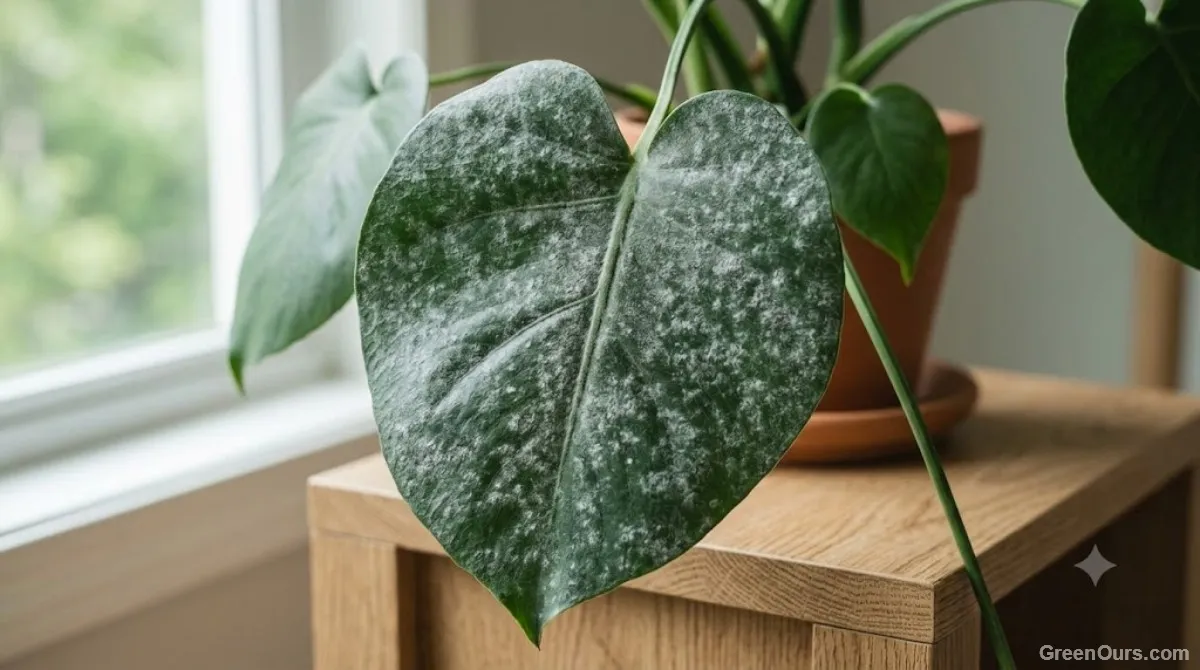
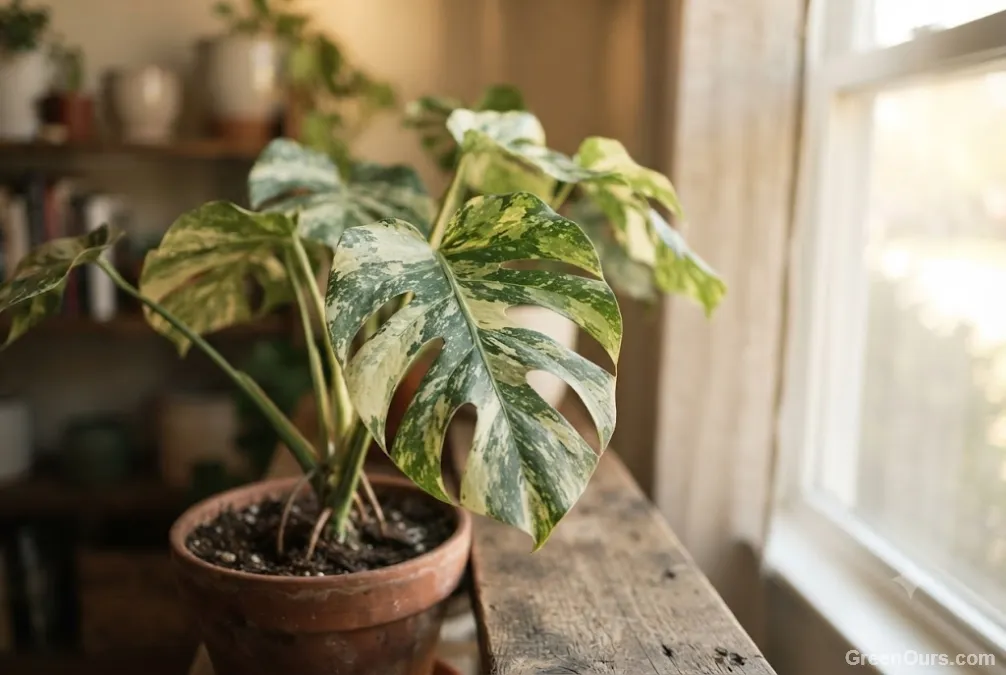
Viral infections cause leaf curling paired with mottled yellow-and-green patterning that never resolves with feeding or watering changes. Curling here tends to be irregular rather than uniform — some leaves curl tightly, others barely at all, even on the same stem. Viruses spread through pruning tools, propagation cuttings, and sap-feeding insects, which means one infected plant can silently seed an entire collection before symptoms are obvious.
First action: isolate the plant immediately, sterilize any tools that touched it with a 10% bleach solution, and monitor for progression over two weeks. There's no cure for viral infection — the goal is containment, not recovery.
Herbicide Drift
Herbicide exposure, even at low concentrations from nearby lawn treatment or drift through an open window, causes a specific twisting curl combined with distorted, narrowed new growth. The damage appears within 24 to 72 hours of exposure and affects the whole plant at once rather than starting on new growth alone, which is the fastest way to rule out pests.
First action: move the plant away from the exposure source, flush the soil with water to dilute any residue in the root zone, and wait — mild exposure often grows out within three to four weeks of new, unaffected growth.
Environmental and Nutrient Triggers
Heat and Light Stress
Leaves curl downward and inward as a defense mechanism when light intensity or ambient temperature climbs too high — it reduces the surface area exposed to direct light. This is common above 29°C or when a plant sits too close to an unfiltered south-facing window. Unlike pest damage, heat curl reverses within a day once conditions cool, with no lasting mark on the leaf.
First action: move the plant back from the heat source or add a sheer curtain to diffuse direct light, then check again after 24 hours before trying anything else.
Underwatering and Root Stress
When roots can't take up enough water to match what the leaves are losing through transpiration, leaves curl inward to reduce that water loss. This shows up as a uniform, soft curl across the whole plant rather than concentrated on new growth, and it's usually paired with dry soil more than 5cm down at the root zone.
First action: water thoroughly until it runs from the drainage holes, then check soil moisture at the same depth every two days until the plant fully recovers its shape.
Potassium Deficiency
Potassium regulates water movement within leaf cells, and a shortage disrupts that balance enough to cause curling, usually starting at the leaf margins and moving inward. It typically appears alongside browning or scorched-looking edges on older leaves first, since the plant pulls potassium from mature growth to support new leaves.
First action: switch to a balanced fertilizer with adequate potassium content and apply at half strength for the next two feedings to avoid further root stress.
Matching Symptom to First Action
Use this sequence when multiple causes seem possible:
- Check new growth under 10x magnification for insects, webbing, or shed skins.
- Note whether curling affects new growth only or the entire plant at once.
- Check soil moisture at 5cm depth before assuming a pest problem.
- Look for mottled discoloration that doesn't match a feeding pattern — that's your signal to consider viral causes.
- Rule out recent chemical exposure, including cleaning products and nearby lawn treatments.

When to Escalate Beyond Home Treatment
Most pest and environmental causes resolve within two to three weeks of the correct first action. If curling continues to spread after three consecutive treatments, or if you see the irregular mottling pattern associated with viral infection, stop guessing. A local extension office or plant diagnostic lab can confirm viral infections through testing that isn't possible at home, and early confirmation prevents an infected plant from spreading disease to healthy neighbors.
What to Do Next
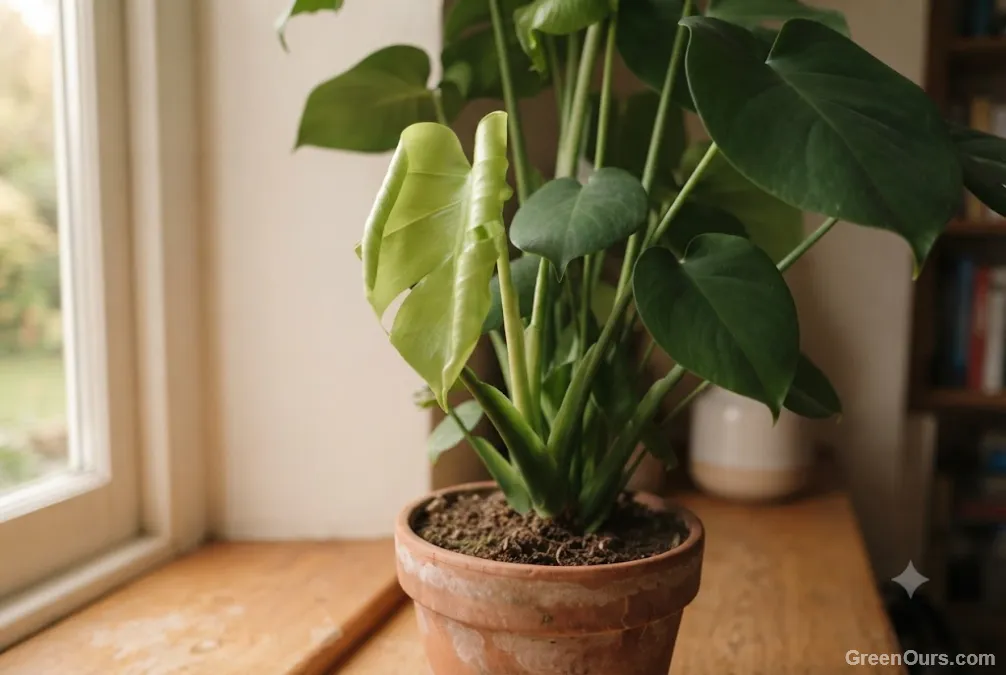
Leaf curl always has a cause, and that cause always leaves a specific set of clues behind. Work through direction, growth pattern, and timing in that order, and the diagnosis usually confirms itself before you reach for a treatment.
Check curl direction and growth pattern before reaching for a treatment.