
Plants Are Better Neighbors Than You'd Think
Most indoor air is drier than the average houseplant would ever choose for itself. Central heating and air conditioning both pull moisture out of a room, which is exactly why so many tropical plants develop crispy brown tips no matter how carefully you water them. The problem usually isn't the soil at all — it's what's happening in the air around the leaves.
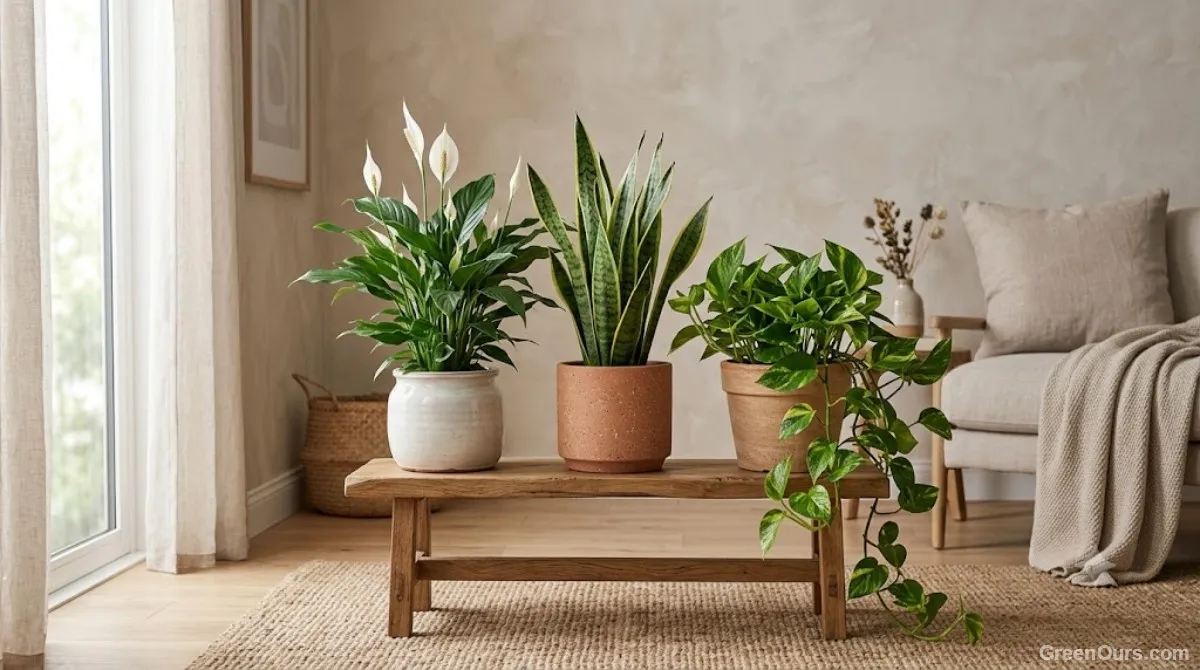
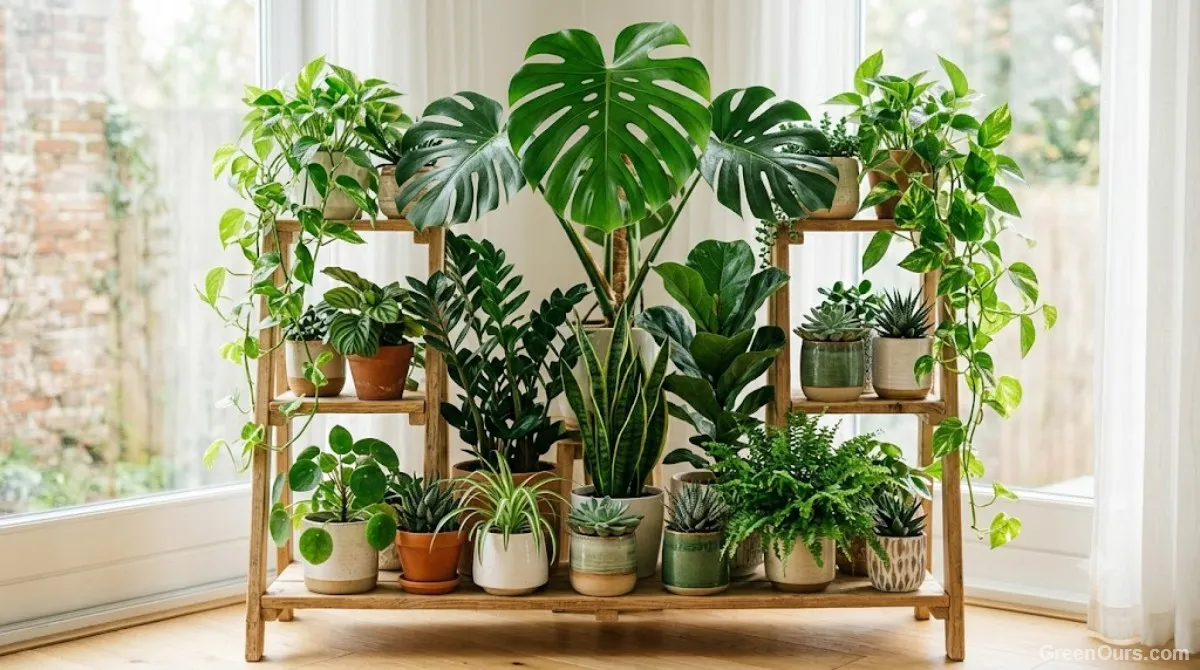
When you group plants together, each one releases water vapor through its leaves in a process called transpiration. Spread out across a room, that vapor disperses and does very little. Clustered together, it builds up in the space between the plants, creating a modest local humidity boost right where your plants actually need it. You're not fighting your home's dry air with a single plant — you're letting several plants share a small pocket of slightly better conditions.
Think of a plant grouping as a tiny greenhouse without the glass. The closer the leaves, the more humid the pocket of air they share.
Building a Microclimate Without Buying a Humidifier
A microclimate just means a small area with its own slightly different conditions than the room around it. You're already creating one every time you cluster a few pots close together, but you can make it more effective with a couple of easy additions.
Set a shallow tray filled with pebbles and a little water underneath your grouping. As the water evaporates, it adds a modest amount of extra humidity to the air right around the pots, and because the plants aren't sitting directly in the water, roots stay safe from rot — though if a room genuinely needs a substantial humidity increase, a humidifier will do far more than a pebble tray ever could. Mixing in one or two plants with naturally broader leaves, like a peace lily or a calathea, also helps to some degree; plants with more foliage can contribute more water vapor through transpiration, although the effect depends on the room's airflow and existing humidity.
You'll notice the difference fastest with plants that are usually fussy about dry air, like ferns, calatheas, and prayer plants. Give them plant company instead of solitary confinement on a shelf, and they tend to settle in without nearly as much fuss.
Grouping by Light, Not Just Looks
It's tempting to group plants purely by how they look together, but light needs matter more than color coordination. A grouping only works long-term if every plant in it is happy with the same general light level. Put a low-light snake plant next to a light-hungry succulent, and one of them is going to struggle no matter how good the arrangement looks.
Reading Your Windowsill
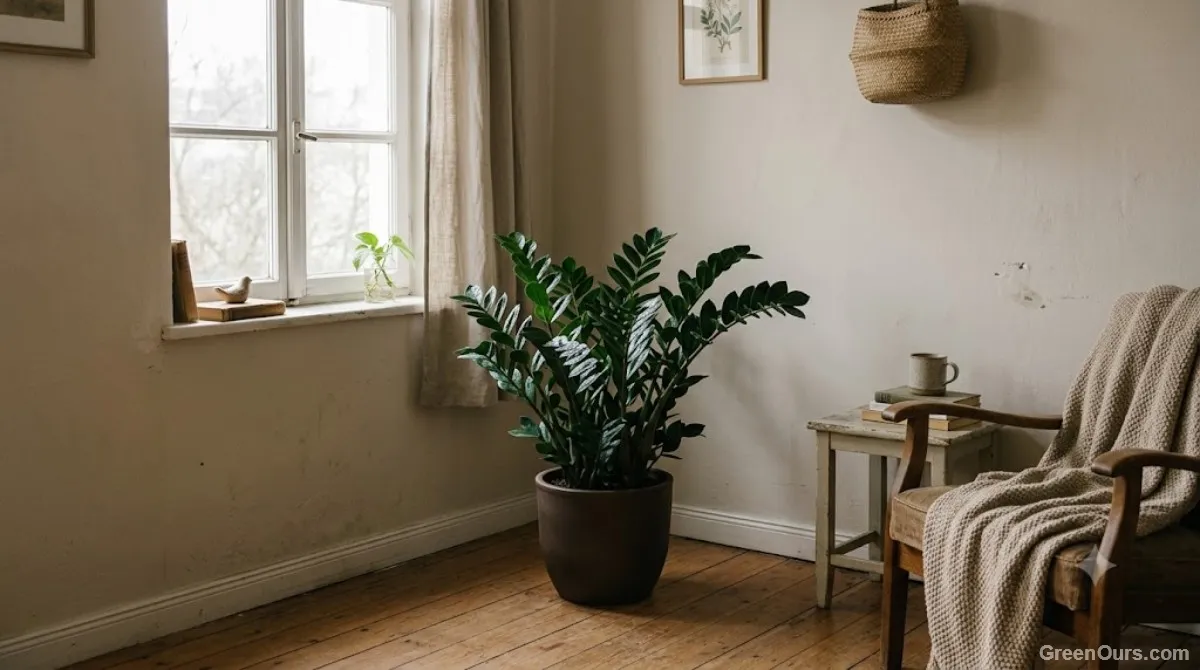
Light changes the closer you get to a window. Right on the sill, plants get the brightest, most direct exposure. A foot or two back, that light softens into what's usually called bright indirect light — ideal for most common houseplants. Further into the room, you're in low-light territory, better suited to shade-tolerant plants like pothos or ZZ plants.
Matching Plants to Their Spot
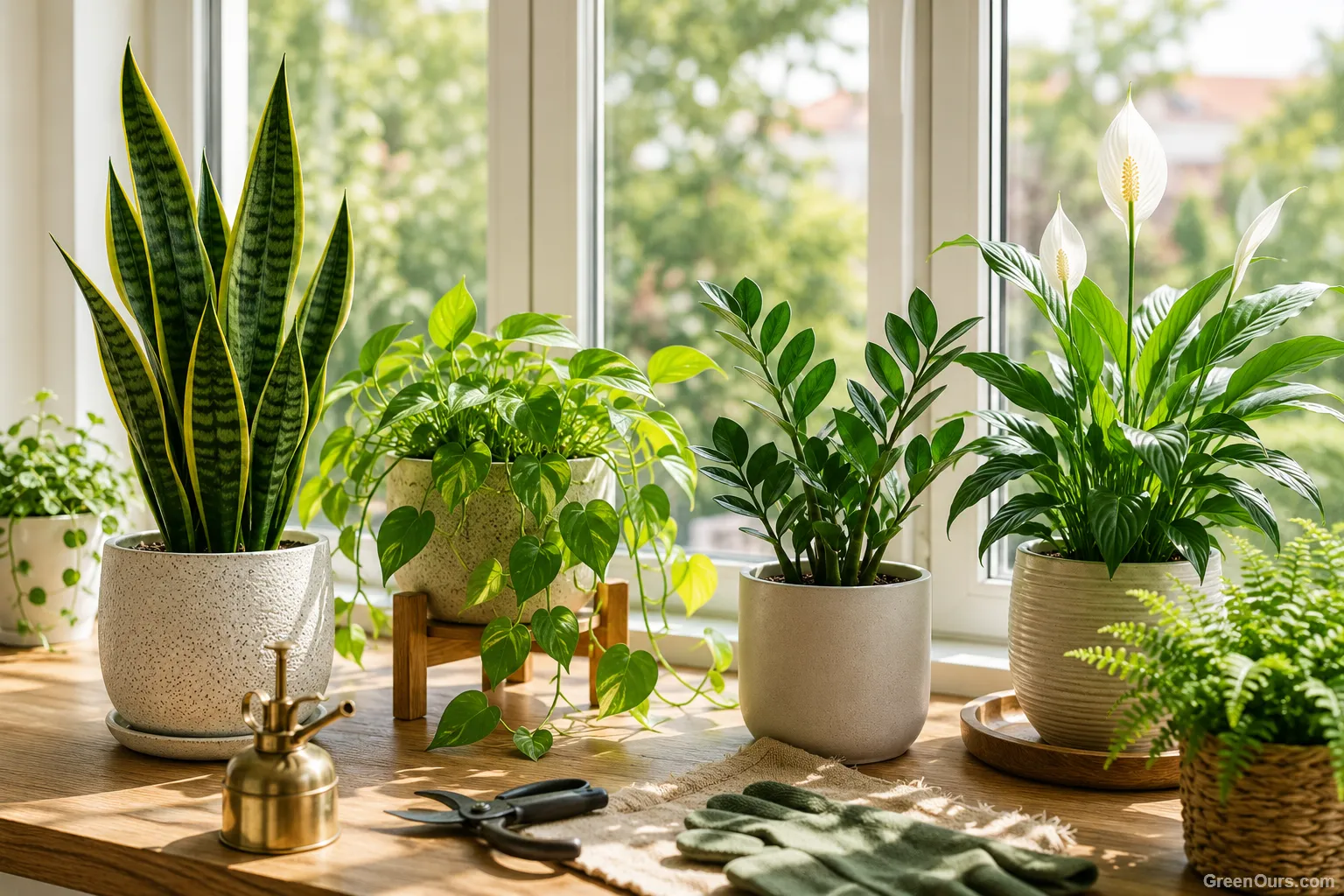
Once you know what each zone of your windowsill offers, sort your plants accordingly instead of by pot color or leaf shape. Put your brightest-loving plants closest to the glass, then step progressively shade-tolerant ones back from there. The good news is that most popular houseplants fall into a fairly forgiving middle range, so you have more flexibility than you might expect.
Shelf and Corner Layouts That Actually Work
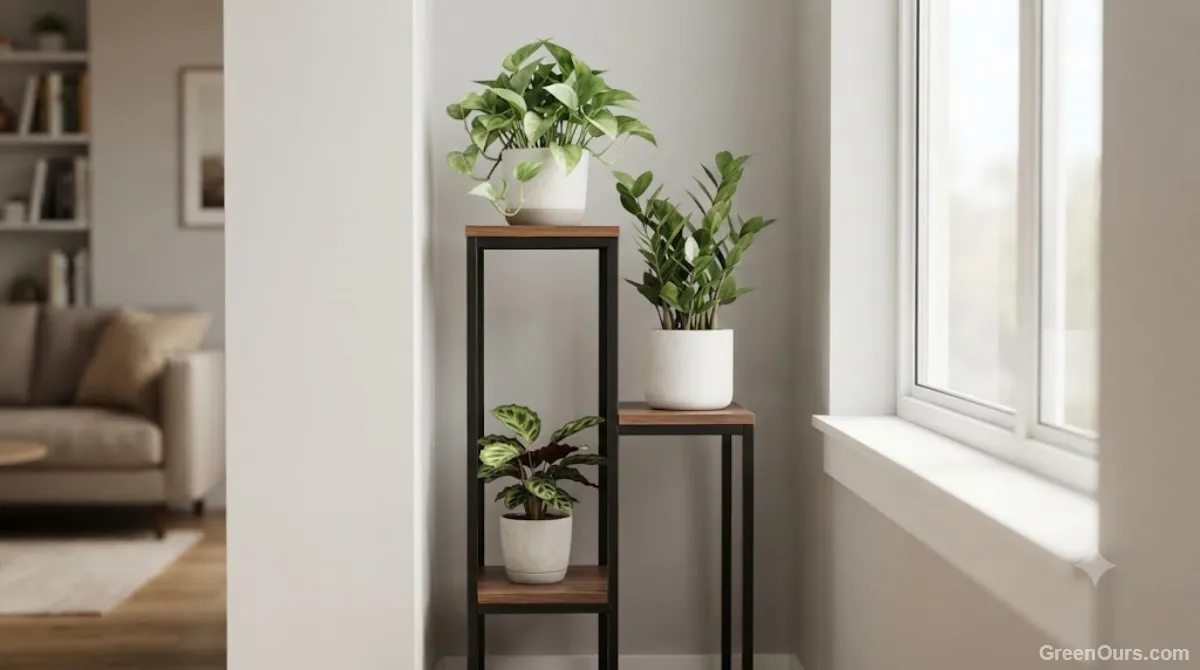
Small apartments don't have room for sprawling plant collections spread across the floor, but they usually have more vertical space than people realize. A tiered plant stand or a simple set of floating shelves lets you group several plants in a fraction of the footprint a single large plant would take up.
For a corner grouping, put your tallest plant at the back, medium-height plants in the middle, and trailing plants like pothos or string of hearts along the front edge, where they can spill over without blocking the ones behind them. On a shelf, stagger pot sizes so every plant gets some light and airflow instead of being shadowed by its neighbor.
A narrow windowsill works well for a tighter grouping — three or four smaller pots pushed close together will build a more noticeable humidity pocket than the same plants spaced a foot apart. If your apartment only has one bright window, this kind of tight clustering can genuinely help, though light, watering, and the individual plant's needs still matter more overall than grouping alone.
Signs a Grouping Isn't Working
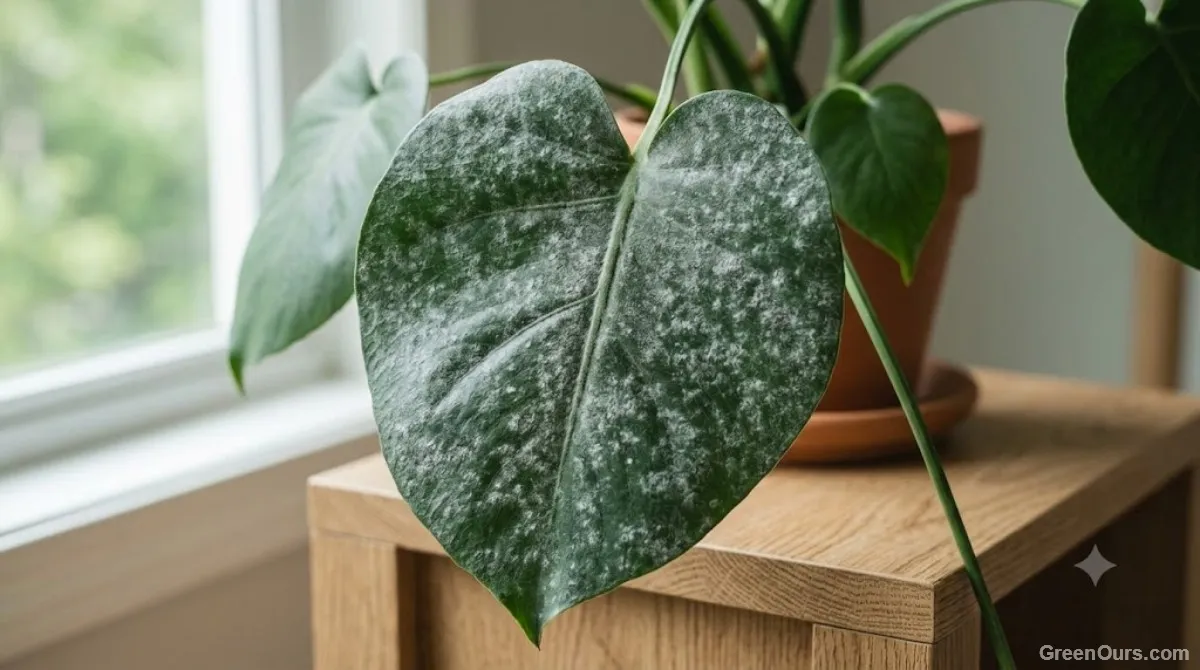
Grouping plants helps most of the time, but it isn't automatically the right call for every plant. If leaves start yellowing, dropping, or developing soft spots after you've moved plants closer together, it's worth checking whether airflow has become the problem instead of the solution. Plants packed in too tightly can trap stagnant, overly damp air, which invites fungal issues rather than preventing them. As a practical rule, keep enough space for leaves to move freely and avoid sustained leaf-to-leaf contact, especially in humid rooms — powdery mildew and similar fungal problems thrive in exactly those crowded, stagnant conditions.
Succulents and cacti are usually the exception to the grouping rule. They come from environments with excellent airflow and low humidity, so crowding them into a humid cluster with tropical plants tends to do more harm than good. Keep those separate, ideally in their own sunny, breezy spot.
If one plant in a group keeps struggling while its neighbors thrive, don't be afraid to pull it out and give it its own space again. Grouping is a tool, not a rule — the goal is healthier plants, not a perfectly matched collection.
Explore more beginner plant guides
Once you start arranging your plants with their needs in mind rather than just your shelf space, the whole collection tends to settle into something calmer — for you and for them. A thoughtfully grouped windowsill or corner doesn't just look fuller. It quietly does a bit of the humidity work you'd otherwise be doing by hand.