
Why Tropical Heat Is an Advantage, Not a Problem
Many plants love warm, humid environments — the same conditions that can be challenging for people. The key is choosing the right plants and understanding how they naturally grow.
In a tropical home, the usual troubles are direct afternoon sun through glass, cold air from an air conditioner, and pots that dry out unevenly from one week to the next. A good low-maintenance plant shrugs off a bit of all three.
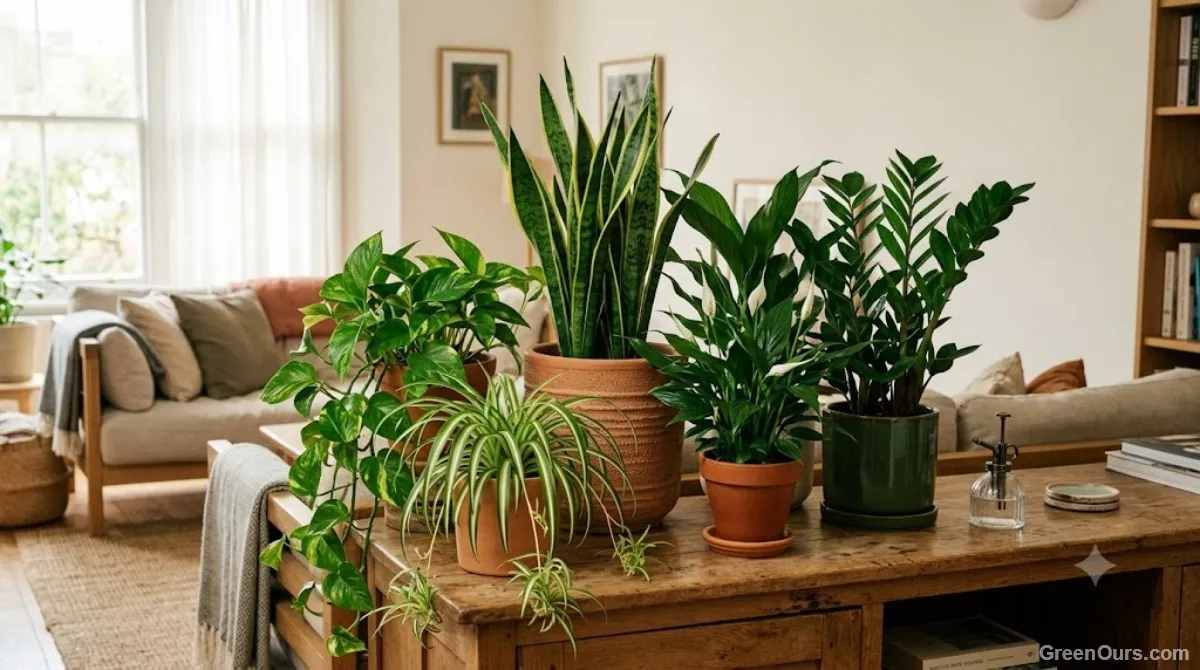
These five plants are forgiving and adaptable. I chose them because they tolerate a range of light, cope with the occasional forgetful watering, and handle the high humidity typical of tropical homes. That doesn't make them indestructible, but it does make them a good place to start.
1. Snake Plant
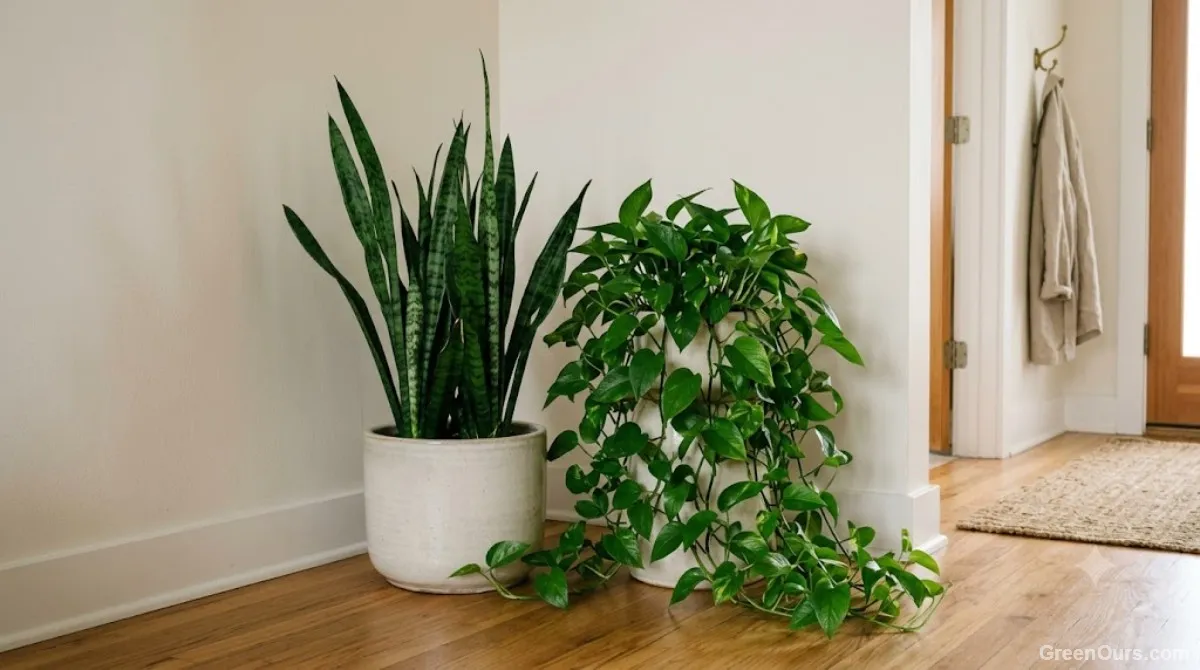
Snake plants are among the most forgiving houseplants you can buy. They tolerate low light, irregular watering, and warm rooms with ease, which makes them a safe first pick.
- Does well in low to bright indirect light
- Stores water in its leaves, so it copes with missed waterings
- Upright leaves suit narrow corners and small spaces
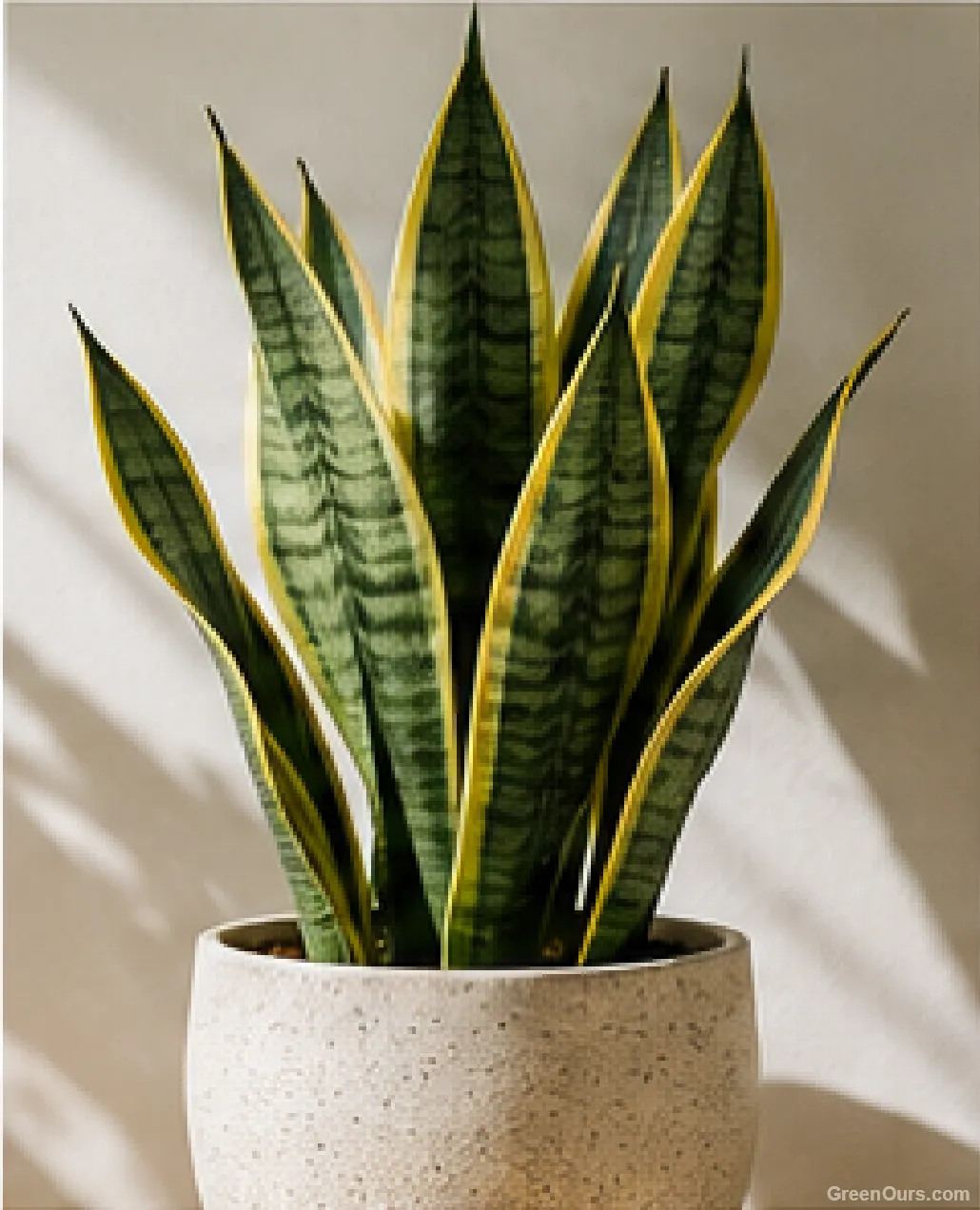
Let the soil dry out substantially between waterings. Overwatering is the most common way to lose a snake plant, especially in a pot without drainage.
2. Pothos
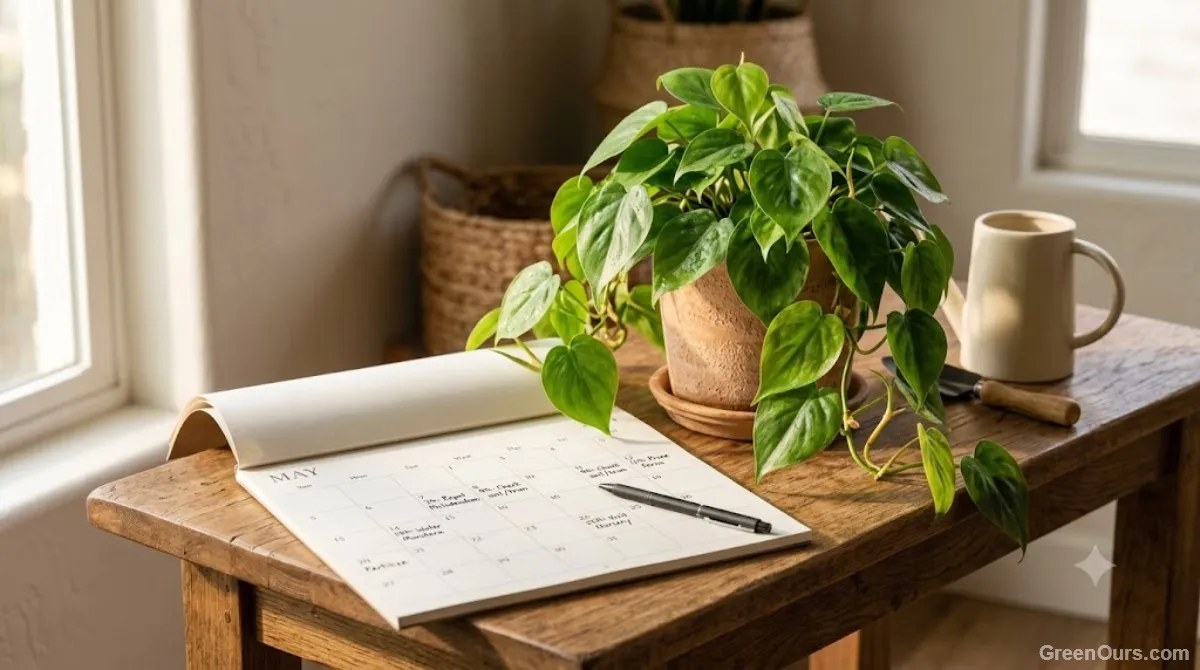
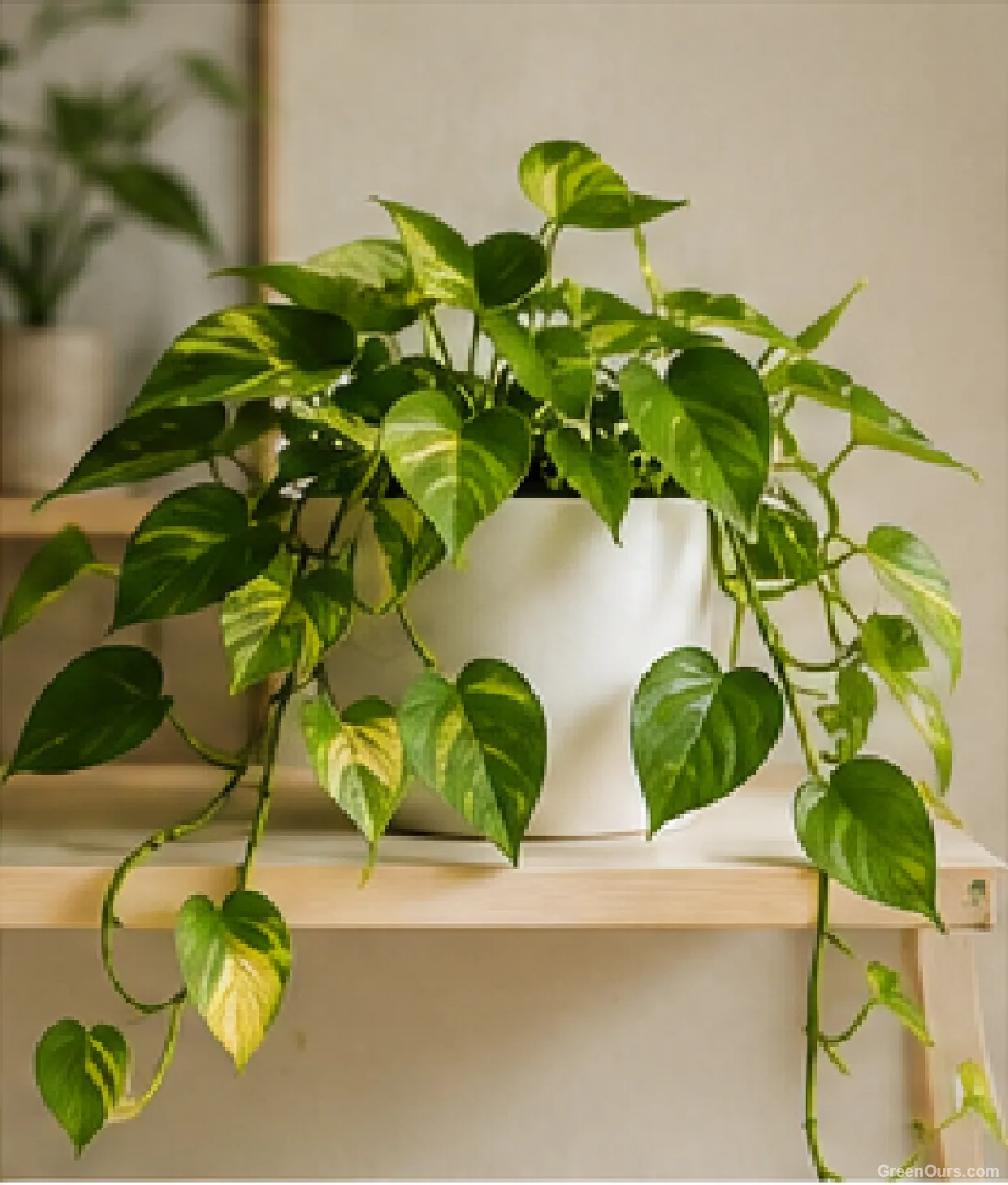
Pothos is a fast grower that handles tropical humidity beautifully. It's perfect for hanging baskets or letting trail from shelves. Trim the vines now and then and it stays full instead of leggy.
- Grows in a wide range of light
- Bounces back from a missed watering
- Easy to propagate from stem cuttings
3. ZZ Plant
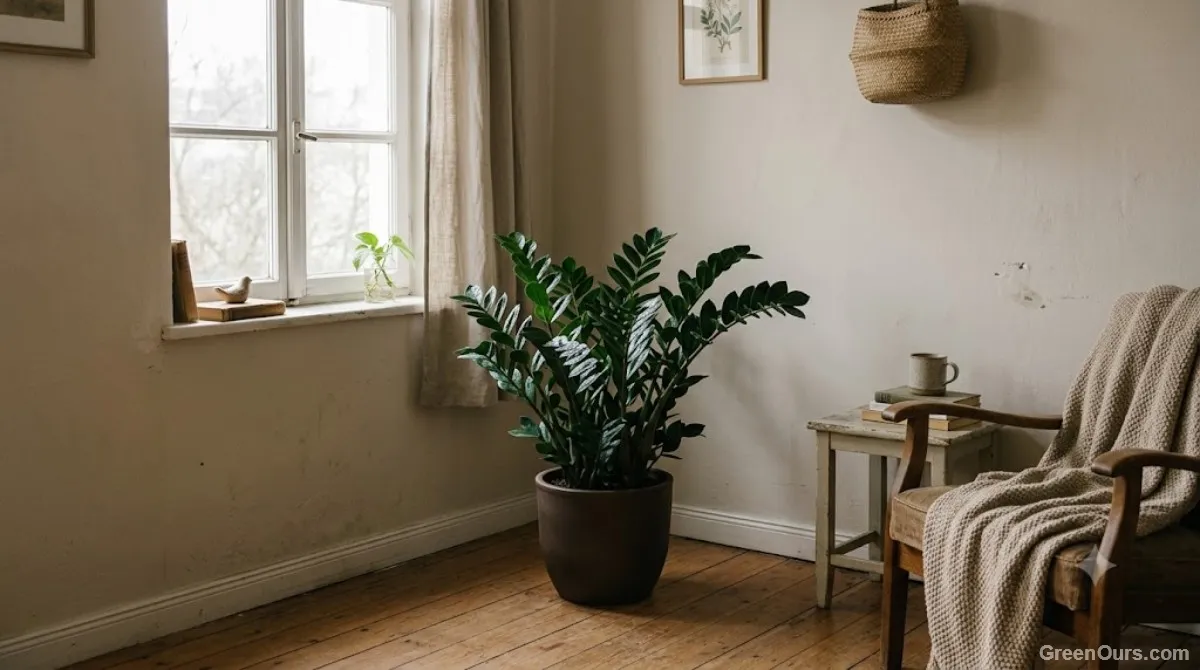
ZZ plants are built for neglect. They store water in thick underground rhizomes and can go weeks without a drink, which suits busy households and forgetful waterers.
- Tolerates low light, though growth is slower
- Tolerates drought
- Glossy leaves add a modern look
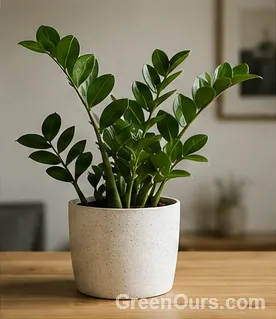
Let the soil dry substantially before watering again. ZZ plants generally cope with too little water better than too much.
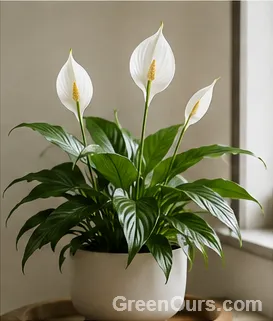
4. Peace Lily
Peace lilies love humidity and reward you with elegant white blooms, even indoors. They're also easy to read, because the leaves droop when the plant needs attention.
- Does best in medium to bright indirect light, and tolerates low light with fewer blooms
- Blooms best with consistent moisture
- Leaves often droop when thirsty, a helpful early signal
Brown Leaf Tips
Brown tips are common on peace lilies and can have several causes: dry air, uneven watering, mineral or fertilizer salts building up in the soil, or a pot that's too small. If you have hard tap water, filtered or rainwater may help, but check the other causes too.
5. Bird's Nest Fern
Bird's nest ferns prefer humidity and indirect light. Their wavy fronds bring a lush, tropical feel to any room, and they suit warm, humid spaces well.
- Loves humidity
- Prefers indirect light
- Keep the mix evenly moist, but never soggy
Placement Basics
Keep it out of direct sun and away from cold drafts. A bathroom or kitchen with decent light is usually ideal.
Watering in Heat
Ferns don't like drying out completely, so in hot rooms check the mix more often than you would for the other four plants. Water the soil around the edge of the plant until it drains, and empty the saucer afterward. This one is a little less hands-off than the rest, so keep an eye on the moisture.
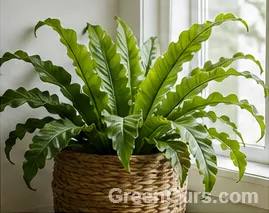
Try to keep water out of the center of the plant, where the new fronds emerge. Water that sits there can lead to rot, so water the soil around the edge instead.
The Five at a Glance
Needs vary with your room, so treat this as a starting point.
| Plant | Light | Watering | Best for |
|---|---|---|---|
| Snake plant | Low to bright indirect | Low; let the soil dry out between waterings | Forgetful waterers and dim corners |
| Pothos | Low to bright indirect | Moderate; water when the top of the soil is dry | Shelves, small spaces, and hanging baskets |
| ZZ plant | Low to bright indirect | Low; tolerates drought | Busy households |
| Peace lily | Medium to bright indirect | Moderate; keep evenly moist | Humid rooms and white blooms |
| Bird's nest fern | Medium indirect | Higher; keep evenly moist | Humid bathrooms and kitchens |
Care Tips for All Five Plants
Water wisely
Check soil moisture before watering. Snake plants and ZZ plants like to dry out between drinks, while peace lilies and bird's nest ferns prefer more even moisture.
Light matters
Bright, indirect light suits most of these plants in tropical climates. Shield them from hot afternoon sun through glass.
Humidity helps
Peace lilies and bird's nest ferns especially enjoy humidity. Grouping plants together can help, and the tougher three cope with it well too.
Clean leaves
Wipe leaves gently with a damp cloth to keep them dust-free and healthy.
Common Mistakes to Avoid
- Overwatering, still the most common way to lose a houseplant
- Placing plants in harsh direct sunlight, especially through a hot window
- Ignoring drainage — always use pots with holes
- Using heavy soil that doesn't let air reach the roots
- Leaving pothos, peace lily, ZZ, or snake plant where pets or small children can chew them, since all four can cause mouth or stomach irritation if eaten
Which Plant Is Right for You?
If you want something you can forget about, go with the ZZ plant or snake plant. If you love lush, trailing greenery, pothos is your best friend. Have pets? Bird's nest fern is generally considered a safer pick, but check with your vet.
What to Do Next
Choose one plant from this list and give it a happy home. Start small, learn as you go, and enjoy the process of creating your own tropical indoor jungle.
Put it in the brightest spot that avoids hot direct sun, and check the soil with a finger before every watering for the first month. Notice how quickly the pot dries out in your home, because that pattern will teach you more than any schedule. Which of the five would suit your brightest windowsill?
Ready to bring one home? Pick the plant that matches your brightest spot and start there.